Full Article
about Yesa
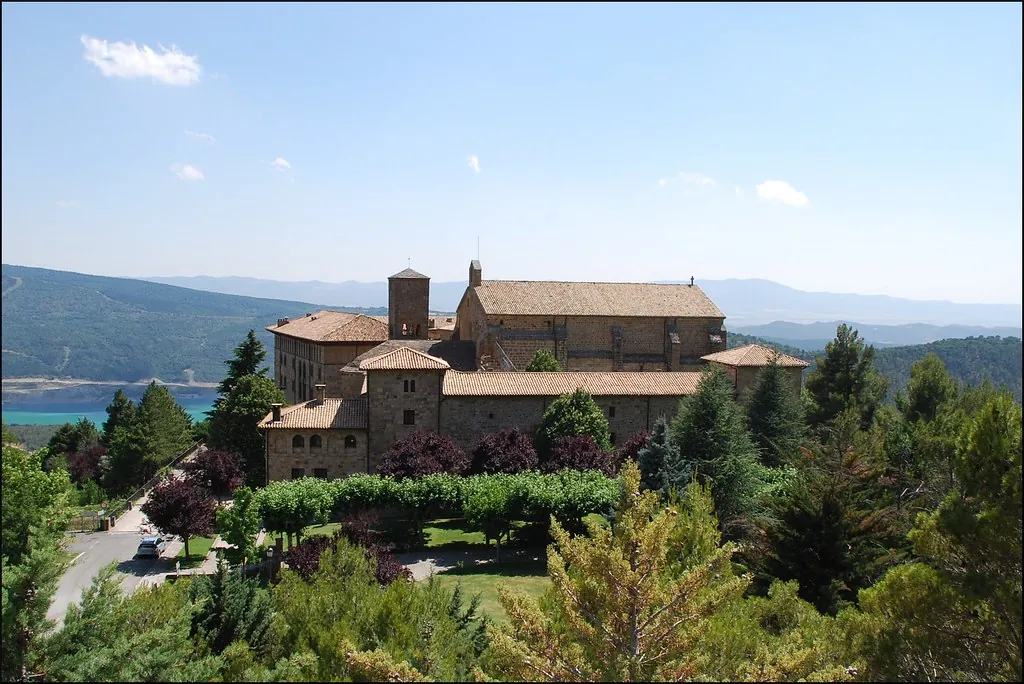
Known for the Yesa Reservoir (Sea of the Pyrenees) and the Monastery of Leyre; water and cultural tourism.
Hide article Read full article
A village shaped by a reservoir
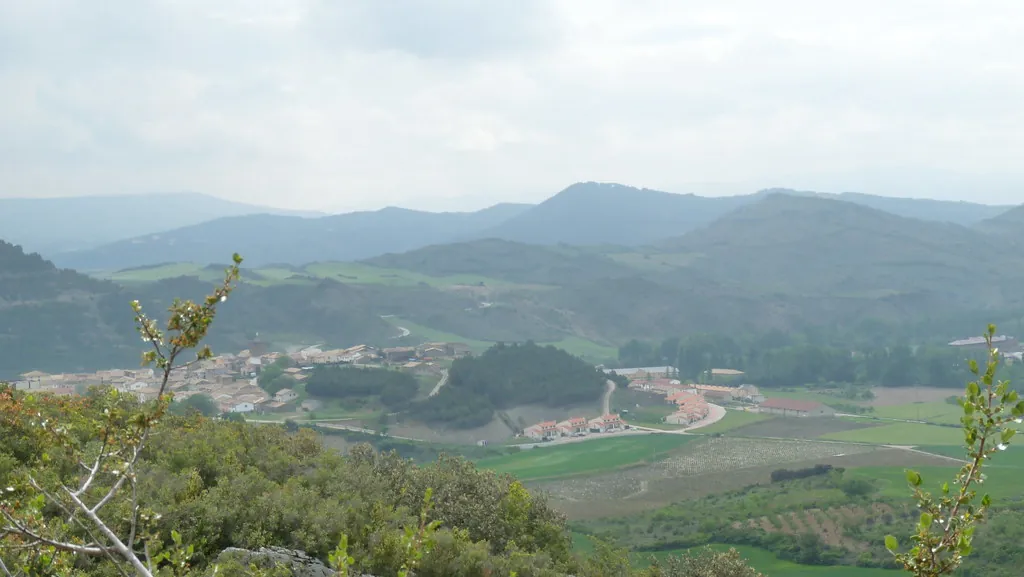
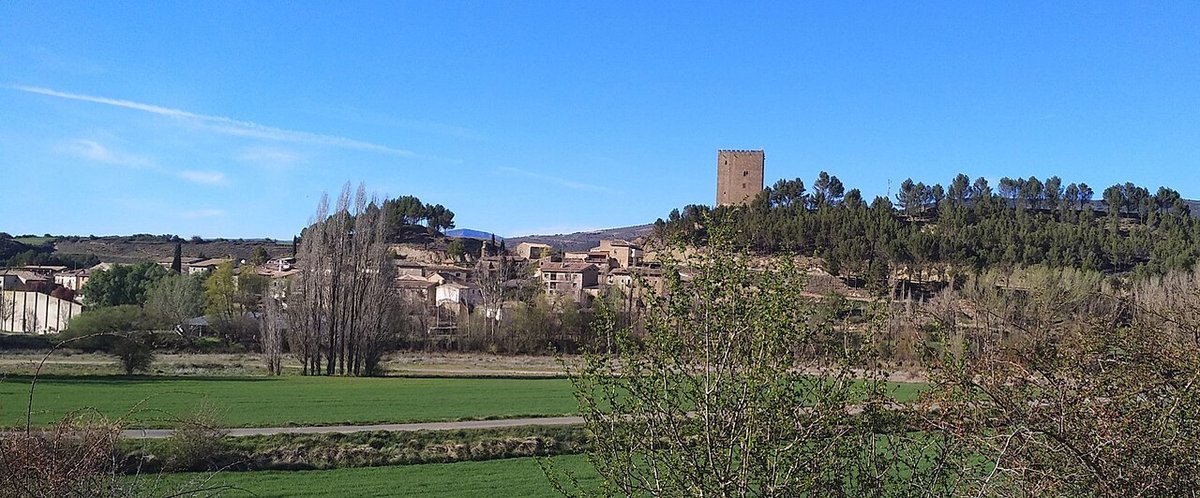
Yesa sits in the Sangüesa area of Navarra, beside the reservoir that shares its name, on the middle stretch of the Aragón river. With a population of around 300, it is a small place whose recent history is closely tied to that broad sheet of water that suddenly appears as the road straightens after a series of bends.
Before the dam was built in the mid-20th century, the valley looked very different. The river ran in a tighter channel and farmland occupied the lower ground. The construction of the reservoir altered that balance and changed how the village relates to its surroundings. What is seen today is the result of that shift: a landscape where water now dominates the view and sets the tone for everyday life.
At roughly 490 metres above sea level, Yesa is exposed to the open light of the valley. Mornings tend to be cool and clear, and when the sky is cloudless the reservoir reflects the low hills along its southern shore with surprising clarity. The effect is simple but striking, especially when the air is still.
The reservoir itself is not a fixed presence. Water levels fluctuate noticeably over the year, and the shoreline changes with them. At times the water reaches up towards the nearby slopes; at others, pale banks of earth and traces of old paths are left exposed. This variability is not an occasional feature but a defining part of the place as it is now.
Reading the village
The parish church of San Esteban is the most visible landmark in the centre of Yesa. Its origins go back to the Romanesque period, though the building seen today reflects several later alterations. As in many villages in central Navarra, the structure has been adapted over time, with older masonry sitting alongside more recent additions that responded to changing needs.
The village itself is compact and easy to walk through. Streets are short, and some façades display carved stone coats of arms. These hint at the presence of households that once held a certain standing within what was otherwise a fairly modest rural economy. Large doorways and deep eaves point to a way of life shaped by agriculture, with space needed for storing grain and tools.
Walking uphill towards the highest part of the village brings the reservoir fully into view. From there, the position of Yesa within the Aragón valley becomes clearer, as does its proximity to places with a far heavier historical weight, such as the monastery of Leyre or the town of Javier. All lie close by and share the same natural corridor through this part of Navarra.
Life around the water
The Yesa reservoir is used for water-based activities when conditions allow. Light sailing, kayaking and windsurfing are all practised here, depending on the state of the water. Anglers are also a common sight along different stretches of the shore, though it is important to check current regulations before planning to fish.
Paths lead out from the village across the slopes around the reservoir and along parts of the Aragón valley. These routes are gentle and suited to walking rather than demanding hiking. In summer, however, the sun can be intense and many sections offer very little shade, which changes the feel of even a short outing.
Local cooking follows the pattern typical of central Navarra. Seasonal vegetables, straightforward stews and meat from local livestock form the basis of what is available. There is no large concentration of places to eat, and activity varies noticeably depending on the time of year.
A short visit that makes sense
Yesa can be understood in a relatively short visit. A couple of hours is enough to walk through the village at an unhurried pace. The usual approach is to enter from the lower part, head towards the church, and then continue up to one of the higher نقاط where the reservoir comes into view.
This small loop helps to make sense of the scale of the place and its direct connection with the water. The relationship is immediate and visible, rather than something abstract or distant.
If the church of San Esteban is open, it is worth stepping inside. In villages of this size, the parish church often preserves the clearest record of different stages in local history, reflected in its structure and details.
Things to keep in mind
In summer, it is wise to avoid the middle of the day when walking along the paths near the reservoir. Exposure to the sun is high, and the ground reflects heat, which can make conditions feel harsher than expected.
It is also important to remember that the appearance of the reservoir changes significantly depending on water levels. At certain times, the shoreline may look drier or more uneven than in many photographs. This is not an exception but part of the normal cycle of the place.
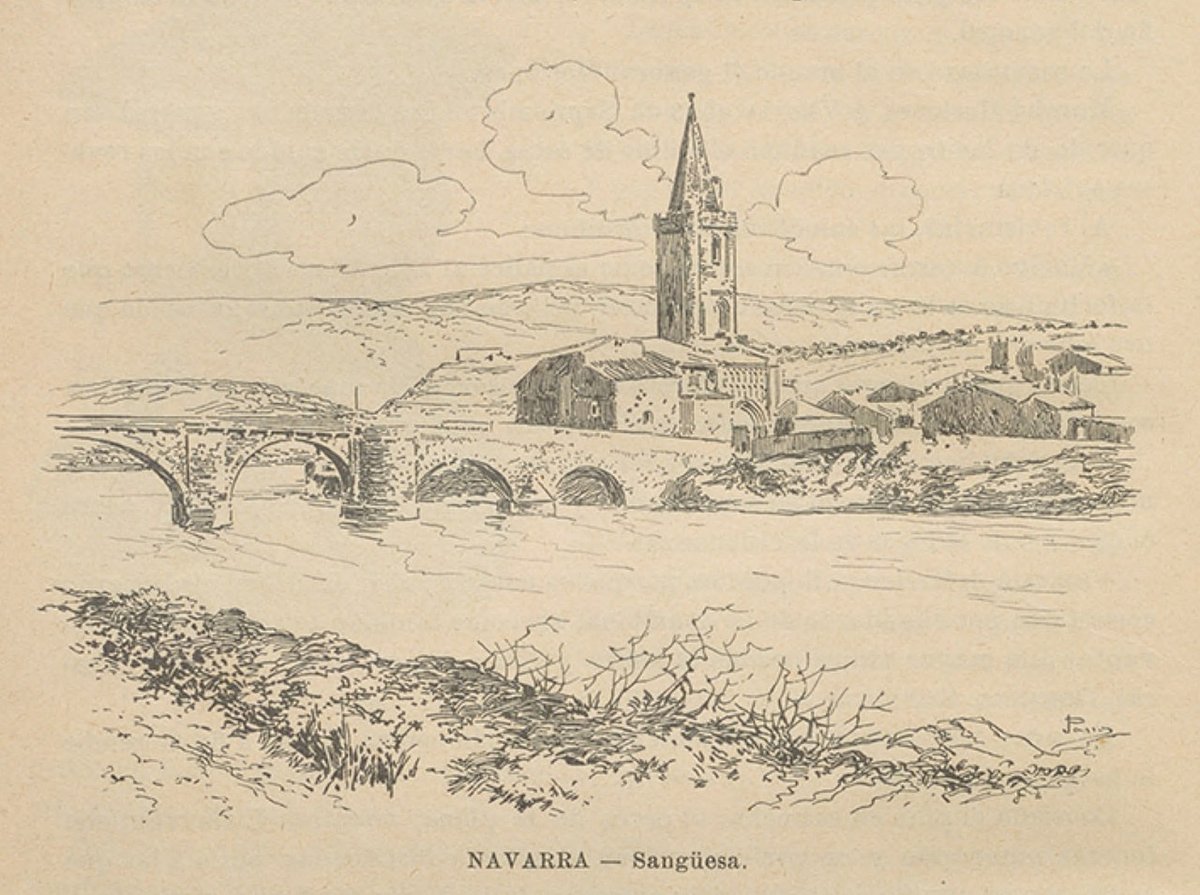
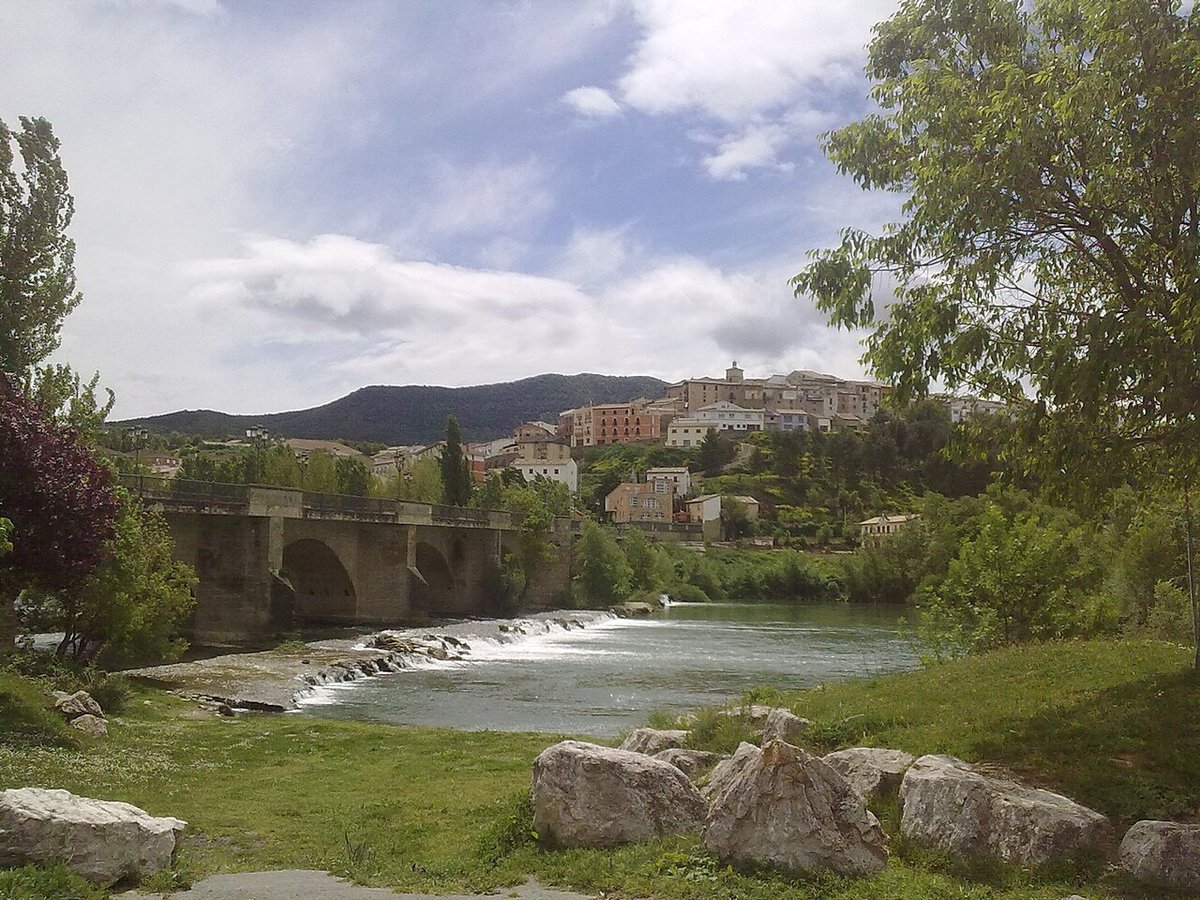
Yesa works well as a stop within a wider route through the Aragón valley. The visit gains depth when combined with nearby locations such as Leyre, Javier or Sangüesa, which help place this stretch of Navarra in a broader historical context. On its own, the village is small. Its interest lies mainly in that close, evolving relationship with the reservoir and the surrounding landscape.