Full Article
about Barbarin
Tiny farming town in rolling country; perfect for total quiet in Tierra Estrella.
Hide article Read full article
A pause in Tierra Estella
Early in the morning, before any cars pass through, the silence in Barbarin is something you notice almost physically. There is the faint sound of wind moving across the fields and, now and then, the dull thud of a wooden door. Tourism in Barbarin comes with a built-in pause: a small cluster of houses, a church rising above the rooftops, and beyond it a landscape of cereal crops stretching in every direction.
The village sits in the region of Tierra Estella, in Navarra, as if placed there on a gentle rise, surrounded by fields that shift dramatically with the seasons. In spring, the green is vivid and fresh. By summer, everything turns golden, and the air carries the dry scent of recently cut straw. The setting feels open and exposed, with no barriers between the village and the farmland that defines it.
The outline of San Esteban
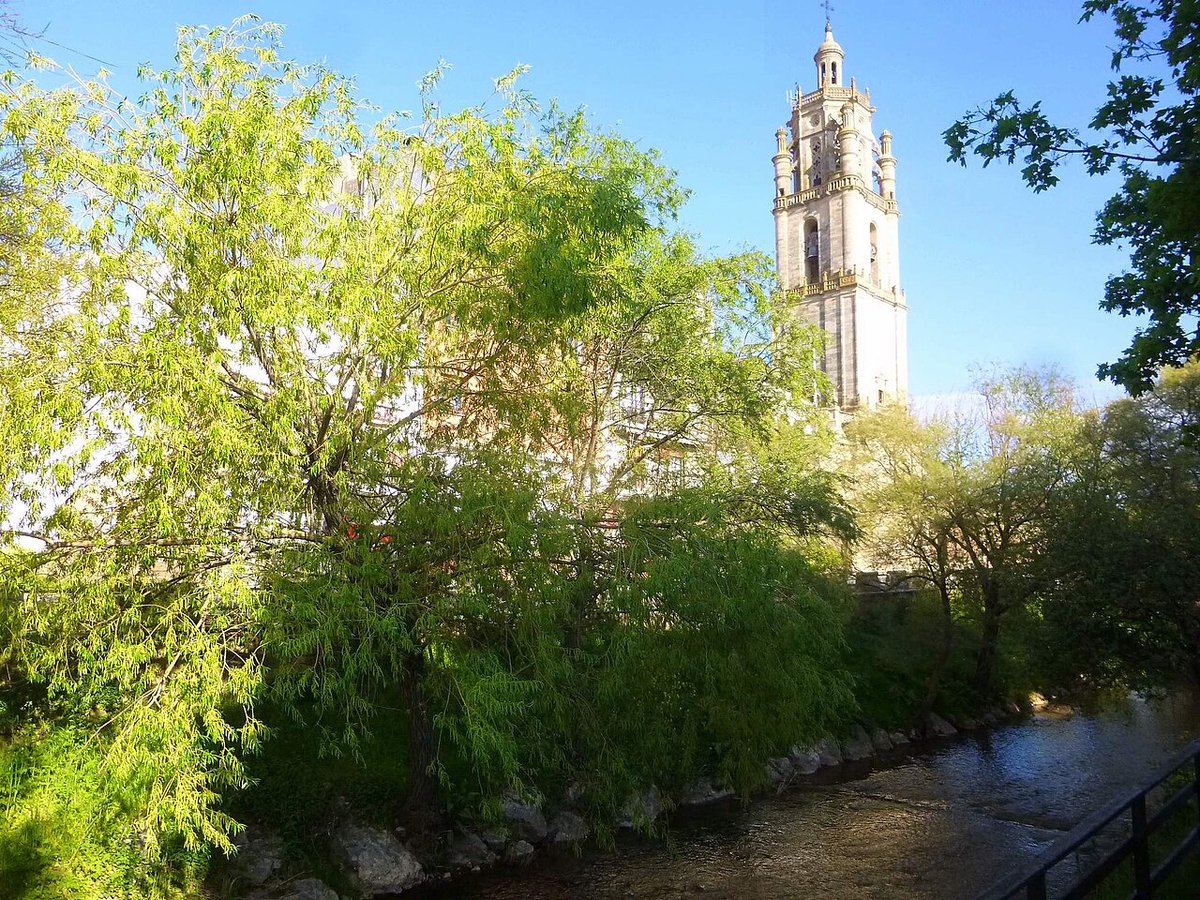
The first thing that stands out on arrival is the parish church of San Esteban. Its tower appears before the houses when approaching along the local road, acting as a clear marker in the otherwise low skyline. The building is sober and made of stone, with the kind of solidity common in small Navarrese villages: thick walls, very little decoration, and a bell tower that gives the whole structure its height.
If the door happens to be open, which is not always the case, the interior offers a cool, dim space even on hot days. The worn floor, the slightly rough plaster on the walls, and the soft echo of footsteps all hint at how these buildings have served for centuries as one of the few shared spaces in villages like this. It is not grand, but it feels grounded in everyday life.
Short streets at the edge of the fields
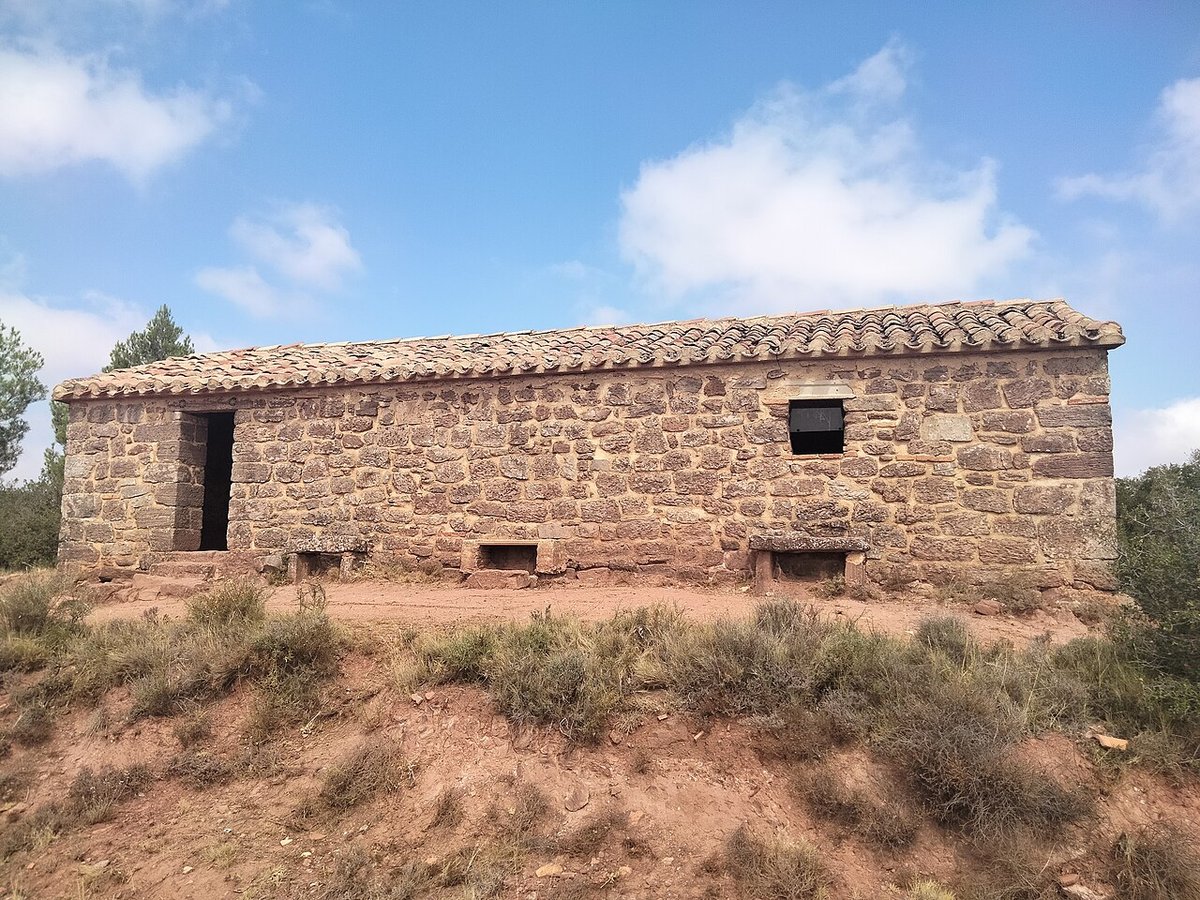
Barbarin can be explored quickly. The streets are short and tend to end right at the edge of the village, where agricultural tracks begin almost immediately. Many of the houses combine older stonework with more recent brick, and large doorways are common, a reminder of a time when barns and stables were part of the home.
In the mid to late afternoon, as the sun drops in the west, the façades take on a warm tone and the shadows stretch across the uneven ground of the square. It is a good time to walk without a plan through the small centre. In ten or fifteen minutes, you will have passed through most of it, though the appeal lies less in ticking off sights and more in noticing how the village meets the surrounding land.
Tracks through the cereal fields
What truly defines Barbarin is the open countryside around it. From any exit point, wide agricultural tracks lead out between plots of cereal crops. These are pale dirt paths, mainly used by tractors, and they tend to be very quiet.
Walking along them changes your sense of the place. The village falls behind and appears small, with the tower of San Esteban as the only vertical reference. Along the edges, tall grasses grow, with poppies in spring adding colour. With a bit of luck, birds of prey can be seen circling above the fields, or smaller birds moving through the stubble.
For anyone interested in photography, the light at sunrise and towards the end of the afternoon tends to bring out the gentle undulations of the terrain. The landscape is not dramatic, but it has subtle variations that become more visible at those times of day.
When Barbarin fills with life
For much of the year, Barbarin moves at a very slow pace. Streets are often empty, and the quiet described in the early morning can extend well into the day. That changes in summer, especially during the festivities dedicated to San Esteban.
At that time, relatives who live elsewhere often return, and for a few days the village takes on a different character. Streets that are usually still fill with conversation, music, and movement. This contrast, between the usual calm and the brief periods of activity, reflects how many small villages in the area function today.
A short visit, taken slowly
A visit to Barbarin is straightforward. You arrive, park at the entrance, and cross the village centre in just a few minutes. If the church is open, it is worth stepping inside. After that, heading out on foot along one of the surrounding tracks gives a fuller sense of the place, especially if you turn back occasionally to see the village set against the fields.
At an unhurried pace, a couple of hours is enough to get a clear impression of Barbarin. It is less about spending a full day and more about experiencing a brief, quiet moment within a wider journey.
Before you go
Barbarin is very small and does not function as a standalone destination for a full day out. It makes more sense as part of a route through Tierra Estella, perhaps combined with other nearby villages or a stop in Estella‑Lizarra, which lies relatively close.
From Pamplona, the journey takes around an hour by car, first along main roads and then along smaller local routes that cross open countryside. In summer, the middle of the day is best avoided. There is very little shade outside the built-up area, and the heat on the tracks can be intense.
Spring and early summer are usually the most pleasant times to walk in the surroundings, when the fields are still green and the landscape shows more contrast. In winter, the village becomes especially still, with cold days and wide skies that make the quiet feel even more pronounced.