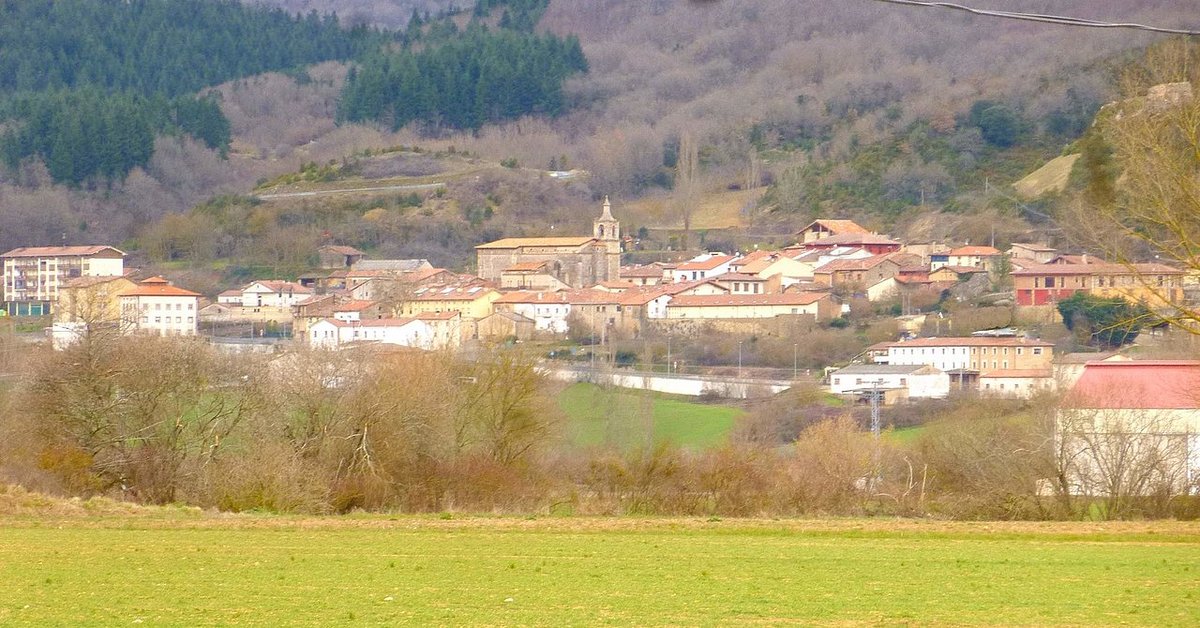
Vista aérea de Cabredo
Instituto Geográfico Nacional · CC-BY 4.0 scne.es
Navarra · Kingdom of Diversity

Cabredo

The church bell strikes noon, but nobody checks their watch. In Cabredo, time moves at 659 metres above sea level and whatever pace suits the momen...

73 inhabitants · INE 2025
659m Altitude

Why Visit

Mountain Church of Santiago Hiking

Best Time to Visit

summer

Santiago Festival (July) julio

Things to See & Do
in Cabredo

Heritage

  • Church of Santiago
  • Hermitage of Our Lady of Carrascal

Activities

  • Hiking
  • Hunting

Festivals
& & Traditions

Fecha julio

Fiestas de Santiago (julio)

Las fiestas locales son el momento perfecto para vivir la autenticidad de Cabredo.

Full Article
about Cabredo

Town in the Aguilar valley; quiet, wooded setting near the border with Álava.

Ocultar artículo Leer artículo completo

The Village That Forgot to Rush

The church bell strikes noon, but nobody checks their watch. In Cabredo, time moves at 659 metres above sea level and whatever pace suits the moment. Farmers lean against stone walls discussing rainfall. A woman waters geraniums on a wrought-iron balcony. The only shop has closed for siesta, though it wasn't exactly bustling beforehand.

This is Tierra Estella, Navarre's agricultural heartland, where villages like Cabredo survive on wheat, patience, and the stubborn belief that small places matter. The population hovers around five hundred—enough to fill the church on Sunday, not enough to justify a cash machine. Visitors arrive expecting a quick photo stop. They stay longer than planned, seduced by something they can't quite name.

Stone, Silence, and the Art of Looking Properly

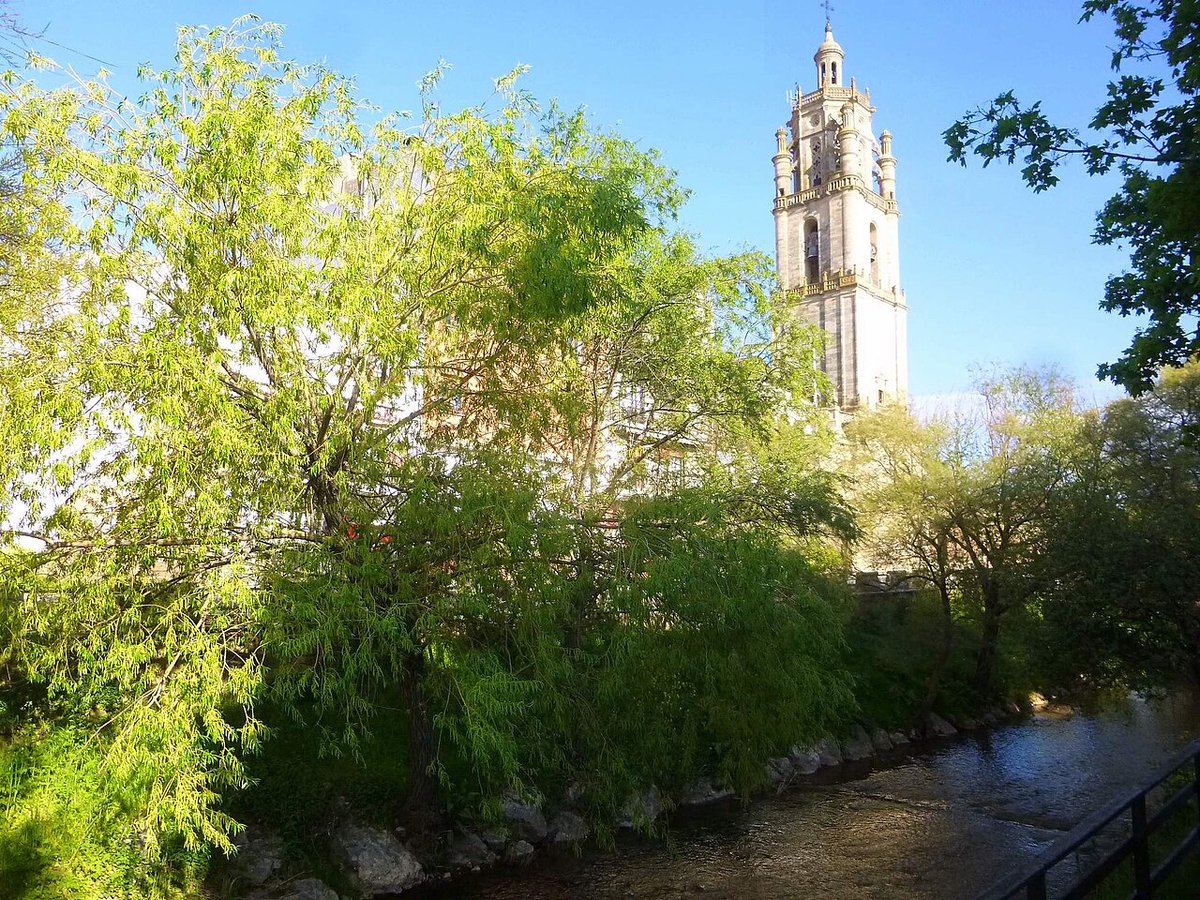
The parish church squats at the village centre like a brown toad, its Romanesque bones clothed in centuries of repairs. Step inside and the temperature drops five degrees. Your eyes adjust to reveal a Baroque altarpiece gilded within an inch of its life, all cherubs and swirling clouds that seem excessive for such a modest building. Outside, the plaza measures perhaps thirty paces across. Elderly men occupy the same bench their grandfathers used, arguing about football with the intensity of scholars debating medieval manuscripts.

Wander the lanes radiating from this nucleus and you'll discover why guidebooks struggle here. Cabredo offers no Instagram moments, no tick-box attractions. Instead, it rewards attention. Notice how the stone houses grow from the earth, their rosy granite quarried from nearby hills. Observe the wooden balconies, dark with age, where onions dry in plaits. Spot the family crests carved above doorways—some grand, others defaced by time and weather. Each detail tells a story if you've the patience to listen.

The agricultural landscape surrounding the village functions as an open-air museum of traditional land management. Dry-stone walls divide wheat fields from vineyards. Holm oaks and Portuguese oaks punctuate the cereal monoculture, providing shade for livestock and habitat for red-legged partridge. Dawn and dusk transform these patchwork fields into something approaching beauty, when low light ignites the wheat stubble and the distant Moncayo massif turns purple. Midday sun flattens everything into a bleached canvas—photographers take note.

Walking, Cycling, and the Illusion of Flat Terrain

Several waymarked paths depart from the village periphery, though calling them 'hiking trails' flatters modest field tracks. The shortest circuit takes forty minutes, looping through agricultural land before depositing you back at the church. Longer options connect with neighbouring hamlets—useful if you've arranged taxi collection or fancy a multi-village yomp. After rain, these paths become mud wrestling arenas. Proper footwear isn't negotiable; the clay here could anchor a battleship.

Road cyclists find better prospects. Secondary roads weave between villages with minimal traffic and deceptive gradients. What appears flat from the saddle often translates as thigh-burning false flats. A popular 30-kilometre loop links Cabredo with Luquin and Los Arcos, passing through landscapes that haven't changed since your grandfather's day. No cafes en route—pack provisions and at least one spare inner tube. Mobile reception proves patchy; offline maps essential.

When the Village Comes Alive

August transforms Cabredo. The fiesta patronal brings returnees from Bilbao and Barcelona, swelling numbers to perhaps a thousand. Suddenly the silent plaza erupts with brass bands and children's shrieks. Temporary bars appear overnight, serving kalimotxo (red wine with cola, better than it sounds) until 3am. The church hosts traditional Basque sports exhibitions—wood chopping, stone lifting, the sort of activities that explain why local men have shoulders like wardrobe doors.

September's harvest celebrations prove more authentic, if less photogenic. Farmers display ancient threshing equipment in the plaza while their wives demonstrate tortilla-making techniques passed down through generations. Nobody charges admission; this isn't heritage theatre but living tradition. Visitors welcome, expected to participate rather than observe. Your Spanish needn't be perfect—interest trumps fluency.

Easter week brings sober processions, the village band playing dirges that echo off stone walls. Participants wear robes and conical hoods, a tradition predating the KKK by several centuries and carrying precisely zero racist connotations here. British visitors sometimes find the spectacle unsettling; locals view it as devotional and perfectly normal.

Practicalities for the Unprepared

Cabredo offers no accommodation, one bar with erratic hours, and zero shops selling refrigerator magnets. The nearest supermarket sits eight kilometres away in Los Arcos—plan accordingly. Most visitors base themselves in Estella, twenty minutes' drive north, where hotels and restaurants cluster around the medieval bridge.

Public transport reaches the village twice daily on weekdays, once on Saturdays, never on Sundays. The bus from Estella doubles as school transport; tourists welcome but expect curious stares from teenagers practising English on their phones. Car hire remains the realistic option, though parking presents no challenges—find a space, any space.

Bring water, especially during summer months when temperatures touch forty degrees. The village fountain looks tempting but carries no potable certification. Your phone will hunt desperately for signal; consider this liberation rather than inconvenience.

The Honest Verdict

Cabredo won't change your life. It offers no epiphanies, sells no souvenirs, provides no anecdotes for dinner parties back home. What it does supply—quietly, stubbornly—is a glimpse of rural Spain before tourism homogenised everything into flamenco and sangria clichés.

Come here between fiestas and you'll find a working village getting on with existence. The bar might be closed. The church definitely will be, unless you track down the key-keeper. Nobody speaks English, though they'll try valiantly if you attempt Spanish. Your visit supports nothing beyond perhaps buying a beer when the bar opens.

Yet something keeps drawing people back. Perhaps it's the realisation that places like Cabredo persist—imperfect, inconvenient, utterly authentic. Not hidden, not secret, just quietly confident in their own skin. The village doesn't need you to visit. It would rather you didn't expect it to perform.

Stay for an hour, or stay for a day. Either way, you'll leave with mud on your shoes and the church bell marking time in your head. Months later, you'll remember the silence more vividly than any cathedral or castle. And that, ultimately, is Cabredo's gift: permission to stop checking your watch and simply exist, high above sea level and far beyond the reach of ordinary time.

Key Facts

Region
Navarra
District
Tierra Estella
INE Code
31063
Coast
No
Mountain
Yes
Season
summer

Livability & Services

Key data for living or remote work

2024
HealthcareHospital 18 km away
Housing~5€/m² rent · Affordable
CoastBeach nearby
January Climate5°C avg
Sources: INE, CNMC, Ministry of Health, AEMET

Planning Your Visit?

Discover more villages in the Tierra Estella.

View full region →

More villages in Tierra Estella

Traveler Reviews