Full Article
about Cirauqui
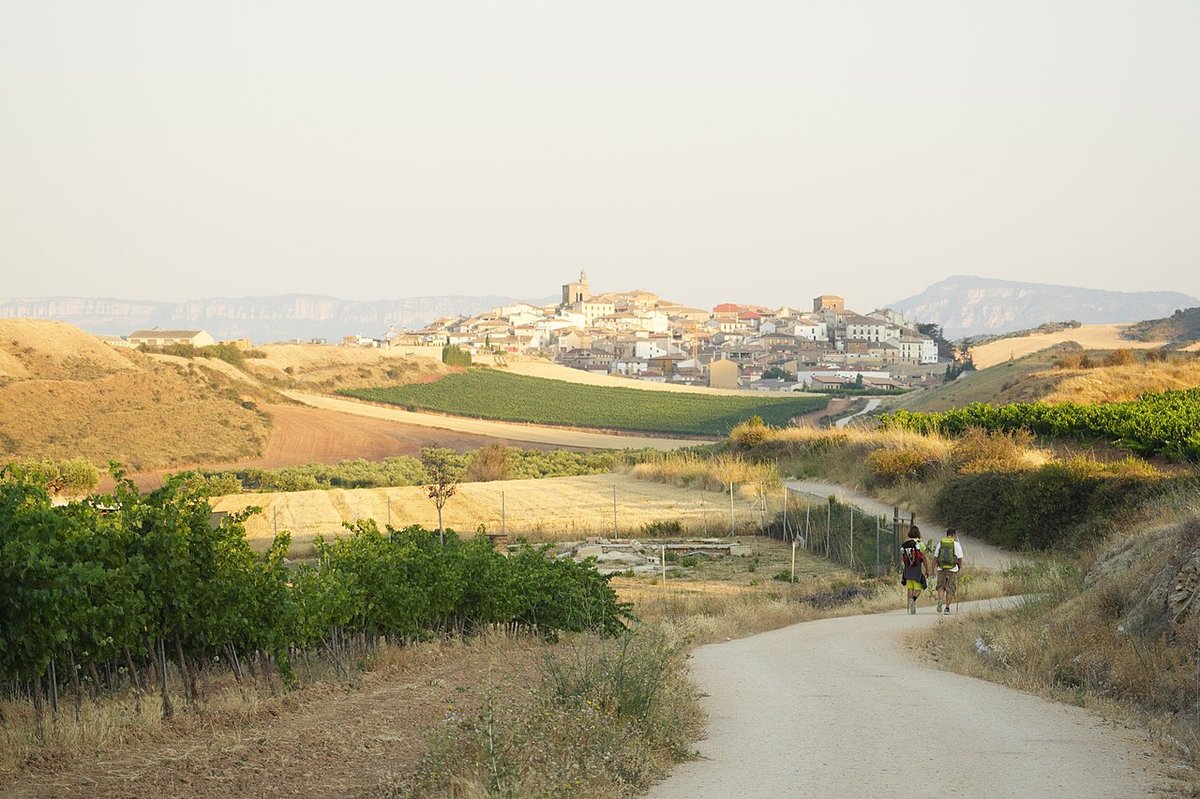
Medieval hilltop postcard village; retains a Roman road and is a landmark on the Camino de Santiago.
Hide article Read full article
Cirauqui, o por qué el coche sobra aquí
Cirauqui es de esos sitios que te ponen en tu sitio. Llegas con el coche, ves la cuesta y piensas: "aquí no". Tienes razón. Este pueblo de Tierra Estella, con sus pocos cientos de habitantes, se entiende a pie o no se entiende. Es como si el asfalto se rindiera a las primeras de cambio y te dijera que lo mejor es aparcar y empezar a andar.
No es un lugar para ver algo en concreto. Es más bien el tipo de pueblo donde la gracia está en perderse un rato, en que te sorprenda una puerta de madera enorme donde no te la esperabas, o en cruzarte con tres peregrinos cargando con su cansancio. La vida aquí sigue su curso, con o sin visitantes.
La iglesia que todo lo ve (y el puente que todos cruzan)
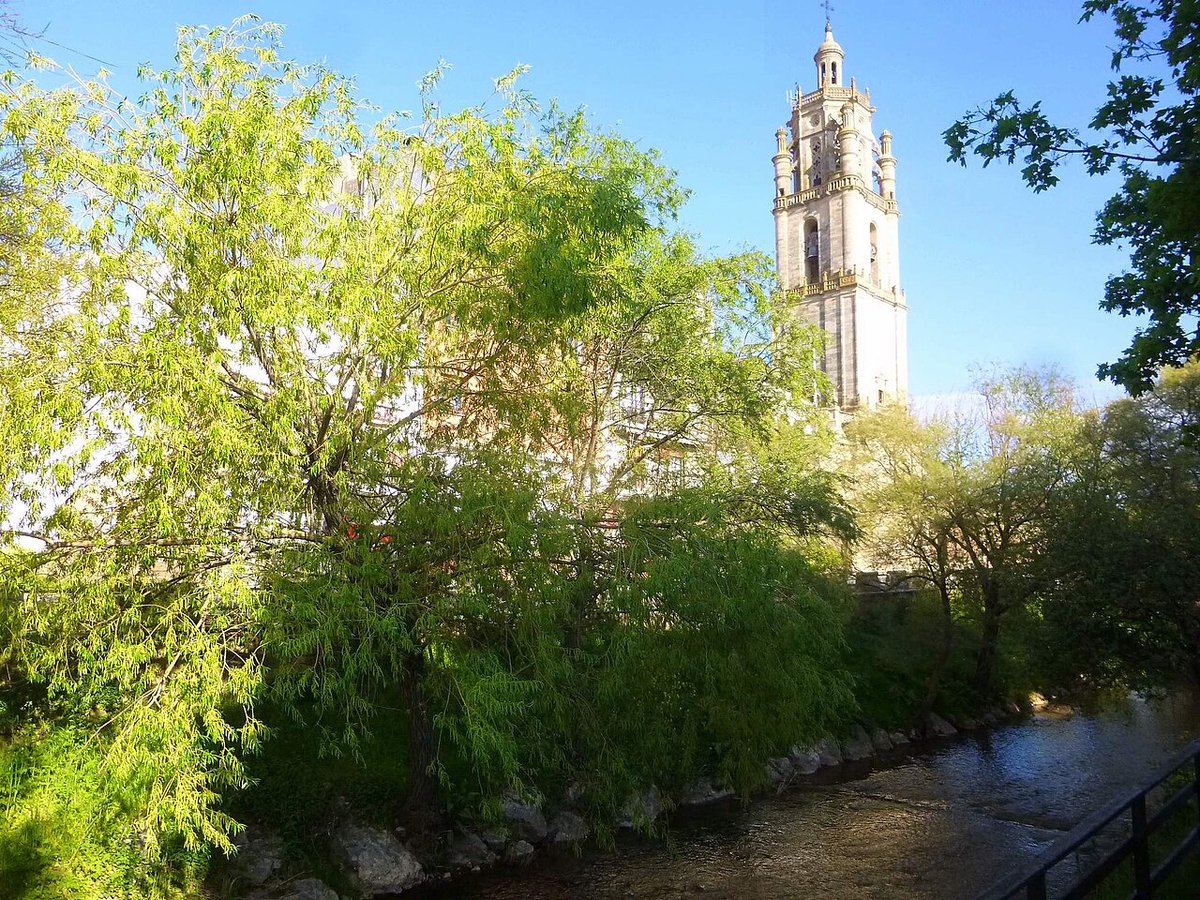
Si hay un punto de referencia, es la iglesia de San Román. No es que sea espectacular, es que está ahí, en lo alto, y todas las calles parecen llevarte hacia ella. Su portada románica del siglo XIII tiene esa austeridad navarra: nada de florituras, solo piedra bien puesta. Sabes que es vieja porque lo notas.
Dentro cambia el rollo. Hay un silencio gordo, el típico de las iglesias de pueblo a mediodía, roto solo por tus propios pasos. No es un museo; es un sitio fresco donde pararte cinco minutos sin que nadie te mire mal.
Y luego está el puente. Bajando hacia la salida del pueblo te lo encuentras: una construcción sólida sobre un barranco. Lo llaman romano, pero da igual la etiqueta exacta. Lo que importa es que por ahí pasa el Camino de Santiago desde hace siglos, y cruzarlo hoy da un poco de vértigo histórico. Piensas en todos los que han subido esta misma cuesta con las botas destrozadas.
Por las calles quedan escudos en algunas fachadas y un palacio del siglo XVIII que te hace pensar que esto no fue siempre un lugar tranquilo. No hay carteles explicativos; o lo ves o no lo ves.
Donde termina el pueblo y empieza el campo
Cirauqui está pegado al Camino Francés. Eso significa que cada día pasa gente caminando con la mochila a cuestas, llegando aquí después de una subida considerable. Para ellos, este pueblo es como una meta pequeña.
Pero si te alejas un poco del casco antiguo, enseguida estás entre campos. Tierras de labor separadas por muros bajos de piedra seca, senderos agrícolas polvorientos en verano y embarrados con la lluvia. No son rutas de montaña; son los caminos de siempre, los que usan los del pueblo para llegar a las viñas o a los olivos.
La comida por aquí va muy pegada a esto: lo que dé la huerta y lo que salga de las bodegas cercanas. Los vinos navarros suelen tener carácter, para bien o para mal.
Fiestas: cuando el pueblo se llena (de los del pueblo)
Las fechas giran alrededor del patrón, San Román (agosto), y la Virgen de las Huertas (septiembre). Son fiestas locales donde se nota que los participantes son los vecinos, no extras contratados.
La Semana Santa tiene fama de ser sobria y sentida. Las procesiones por estas calles estrechas tienen otro aire; sabes que estás viendo algo que se hace desde hace mucho y para ellos mismos.
Cómo pasar unas horas sin aburrirte
Con una hora o dos tienes más que suficiente para recorrerlo todo sin prisa: callejear hasta la iglesia, bajar al puente y asomarte a algún mirador sobre el valle.
El truco está en no ir a "tachar" puntos de una lista. Es mejor dejar pasar un rato sentado en algún escalón viendo cómo llegan los peregrinos. Ese goteo constante forma parte del paisaje sonoro del pueblo.
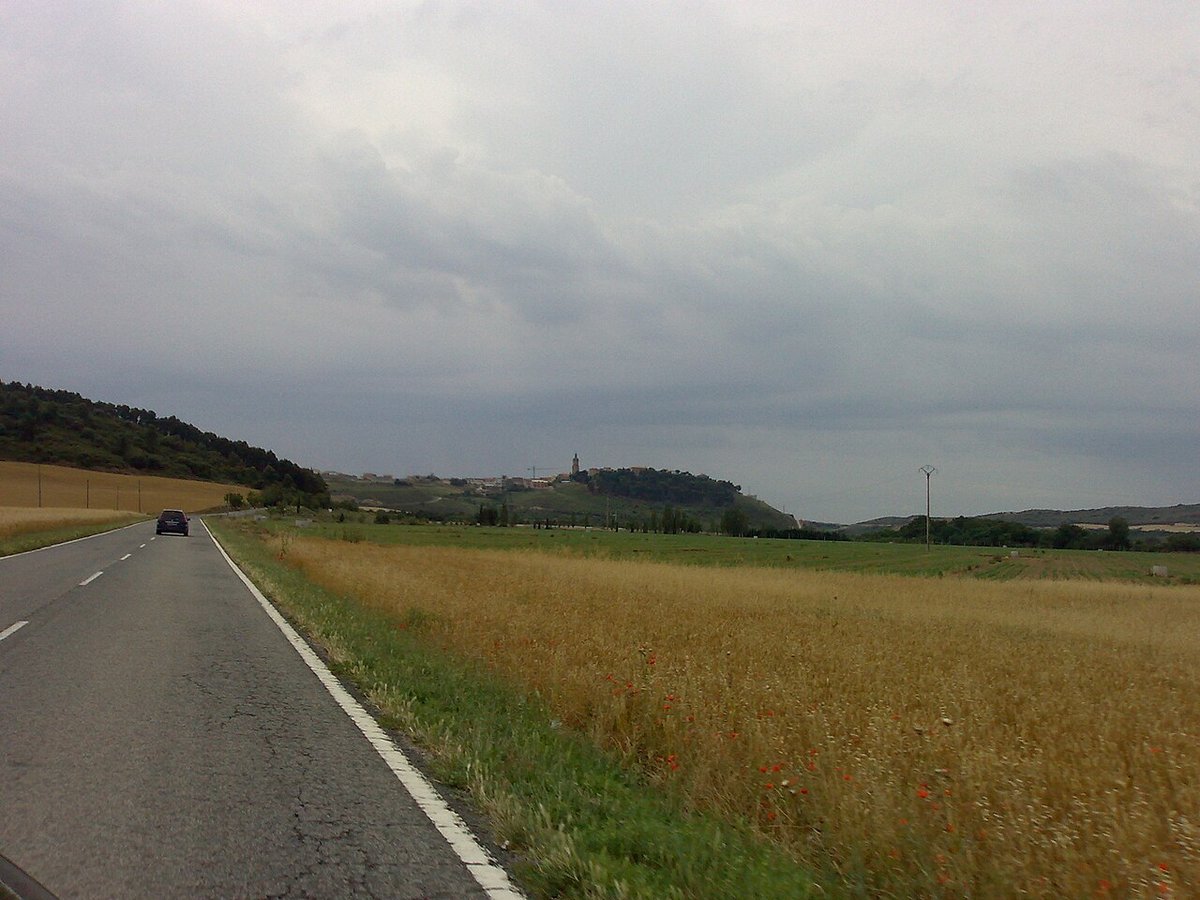
Si te sobra tiempo y quieres entender por qué está aquí puesto, date una vuelta por alguno de los caminos rurales hacia los barrancos cercanos. En cinco minutos ves el pueblo completo desde abajo y entiendes su posición estratégica: encaramado como un nido.
Cosas prácticas (y honestas)
Olvídate de meter el coche dentro si no es estrictamente necesario. Las calles son empinadas y estrechas; más vale dejarlo abajo y subir andando.
Ojo con el empedrado cuando llueve o ha llovido. Algunos adoquines están pulidos por el tiempo y pueden ser traicioneros. Un calzado con buena suela no es una sugerencia; es casi obligatorio si vas a bajar al puente o a pasear por los caminos alrededor.
La primavera y el otoño son probablemente las mejores épocas para andar sin sufrir calor ni frío extremos. En verano, el sol pega fuerte sobre la piedra clara; conviene madrugar o ir al atardecer.Y si llueve, todo cambia: se pone más silencioso aún, las piedras brillan y hay que pisar con más cuidado.
Cirauqui no te va a cambiar la vida ni te va a dejar boquiabierto.No es ese tipo de sitio.Su virtud está en obligarte a ir más despacio.Acepta ese ritmo,y puede que al irte pienses que la cuesta mereció la pena