Full Article
about Etayo
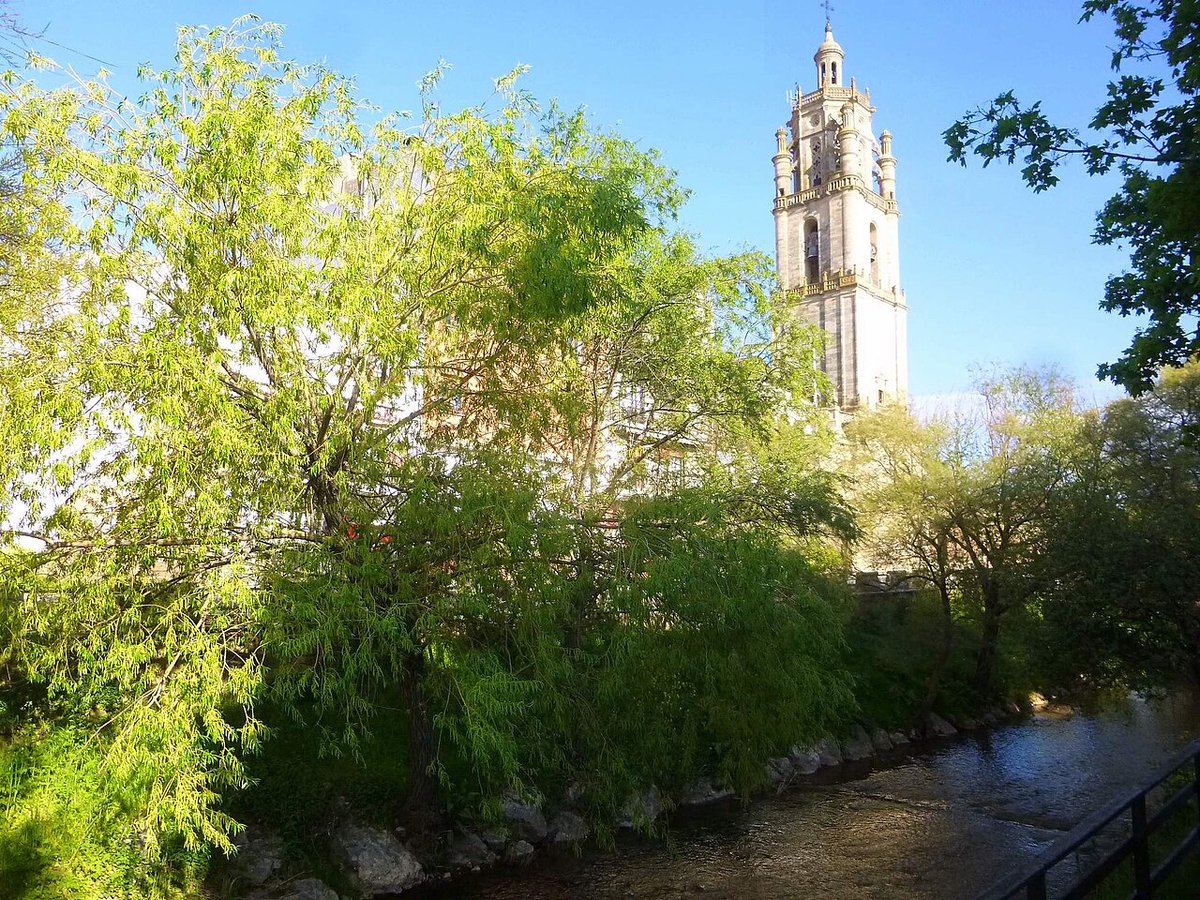
Tiny village near Los Arcos; noted for its church and holm-oak setting.
Ocultar artículo Leer artículo completo
The church bell strikes noon, but nobody's watching the clock. In Etayo, time moves with the wind that ripples across wheat fields stretching towards the horizon. At 595 metres above sea level, this Navarran farming village sits high enough that the air carries a different weight—crisper, cleaner, with traces of thyme and dry earth carried up from the Mediterranean vegetation below.
Seventy residents call this place home. Not seventy thousand. Seventy. The kind of number that makes you count on your fingers, wondering how a village this small keeps its streets swept, its church maintained, its bar stocked (if there is one). Yet Etayo persists, clinging to a hillside in Tierra Estella, thirty minutes south of Estella proper and an hour from Pamplona along the A-12.
Stone Walls and Wheat Fields
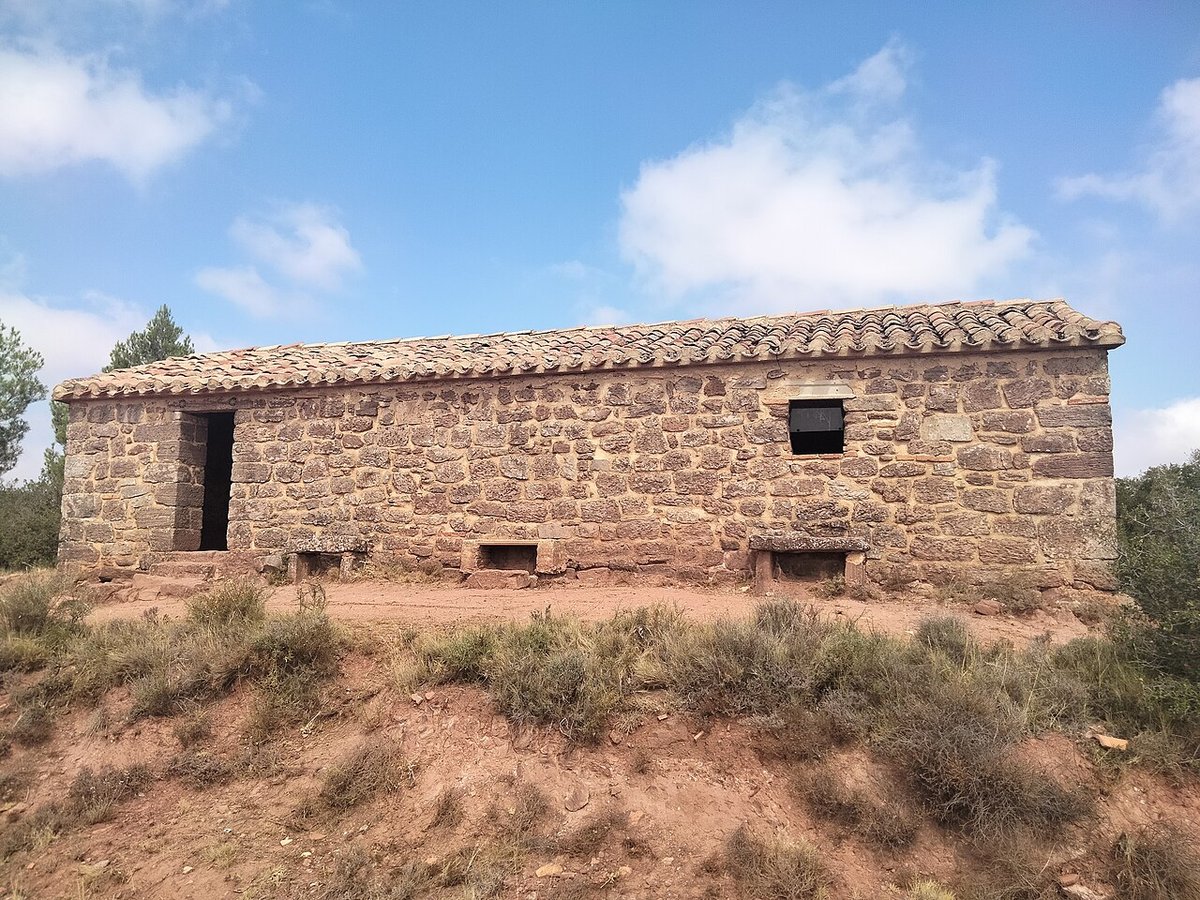
The village follows a logic dictated by geography rather than tourism boards. Houses built from local stone and adobe cluster around the parish church of San Martín de Tours, its late Romanesque nave showing the wear of centuries defending against Pyrenean weather. Walk around the building's exterior and you'll notice how the stone changes colour—from honey to grey—depending on which direction it faces, a natural compass written in rock.
Residential architecture here serves function before form. Generous eaves cast shade during summer months when temperatures can reach 35°C. Thick walls—sometimes over a metre deep—regulate interior temperatures year-round. Many houses incorporate dug-out bodegas, underground cellars that maintain steady coolness for wine storage and food preservation. Some facades display family coats of arms, remnants of rural nobility when small landholders held sway over these fertile slopes.
The streets themselves bend and narrow according to ancient paths, designed to channel cooling breezes while blocking the worst winter winds. It's medieval urban planning that works, even if nobody here calls it that. They just know which corners stay cool at five o'clock and which doorways offer shelter when the weather turns.
Walking Country
Etayo offers what larger villages have forgotten: the pleasure of walking without destination. Agricultural tracks radiate from the settlement like spokes, each leading through a slightly different patchwork of cereal crops, olive groves and patches of holm oak. None are particularly challenging—this isn't mountain climbing territory—but they reward the patient observer.
Spring brings the most dramatic displays, when wheat fields turn emerald green and wild poppies scatter scarlet across the landscape. Autumn offers its own palette: amber grains, dark earth freshly turned, and the sharp blue of clear skies that seem to recede further with altitude. Summer walks require planning. The sun beats down relentlessly on exposed tracks, and shade remains scarce outside the village proper. Early morning or late afternoon become the only sensible times for exploration.
Winter transforms everything. At this elevation, clear days bring visibility that stretches for miles, revealing the layered geography of Navarra. The landscape strips back to essentials: stone walls, bare branches, and the architectural bones of a landscape shaped by centuries of small-scale farming.
The Reality Check
Let's be clear about what Etayo isn't. There's no medieval castle to tour. No Michelin-starred restaurant awaits your booking. The village doesn't even maintain a permanent bar—residents travel to nearby Zúñiga or Villamayor for their morning coffee. Come expecting amenities and you'll leave disappointed, possibly hungry, definitely thirsty.
The village's diminutive scale means you'll see everything in under an hour. The church. The handful of streets. The agricultural tracks leading into the countryside. That's it. Etayo works better as a component of a larger exploration rather than a day's primary destination. Combine it with visits to Estella's Romanesque churches, or the wine routes through the neighbouring Rioja region.
Photographs can be deceptive too. Wide-angle shots make Etayo appear more substantial than reality. The charm lies precisely in its modest proportions—in overhearing neighbours chatting across narrow streets, in watching how afternoon light transforms the stone from gold to amber, in understanding how seventy people maintain continuity with generations who worked this same land.
Practical Matters
Access requires acceptance of Spain's secondary road network. From Pamplona, take the A-12 towards Logroño, exit at Estella, then navigate local roads that grow increasingly sinuous as elevation increases. The final approach involves tight switchbacks not recommended for nervous drivers or oversized vehicles. Any standard car manages fine; just expect to shift down gears frequently.
Come prepared. Bring water, even for short walks. Carry a hat during summer months when the sun's intensity increases with altitude. Wear proper walking shoes—agricultural tracks can be uneven, and the local hospital remains forty minutes away in Estella. Check fuel levels too; petrol stations become scarce once you leave the main highway.
Mobile phone coverage varies by provider and weather conditions. Don't rely on Google Maps for walking routes—many agricultural tracks exist only in local knowledge. Ask permission before wandering through cultivated fields; most farmers remain tolerant of respectful visitors, but courtesies matter in small communities.
Timing makes the difference between pleasure and endurance. Spring and autumn offer the most comfortable temperatures for walking. Summer demands early starts or late finishes. Winter brings crystal-clear days but requires warm clothing—the altitude makes temperatures drop faster than in valley towns.
Etayo won't change your life. It might not even fill an afternoon. But for travellers seeking to understand how Spain's rural heart continues beating beyond the coastal resorts and city breaks, this hilltop outpost offers something increasingly rare: authenticity without performance, community without commerce, silence broken only by wind and the occasional church bell marking time that doesn't need watching.