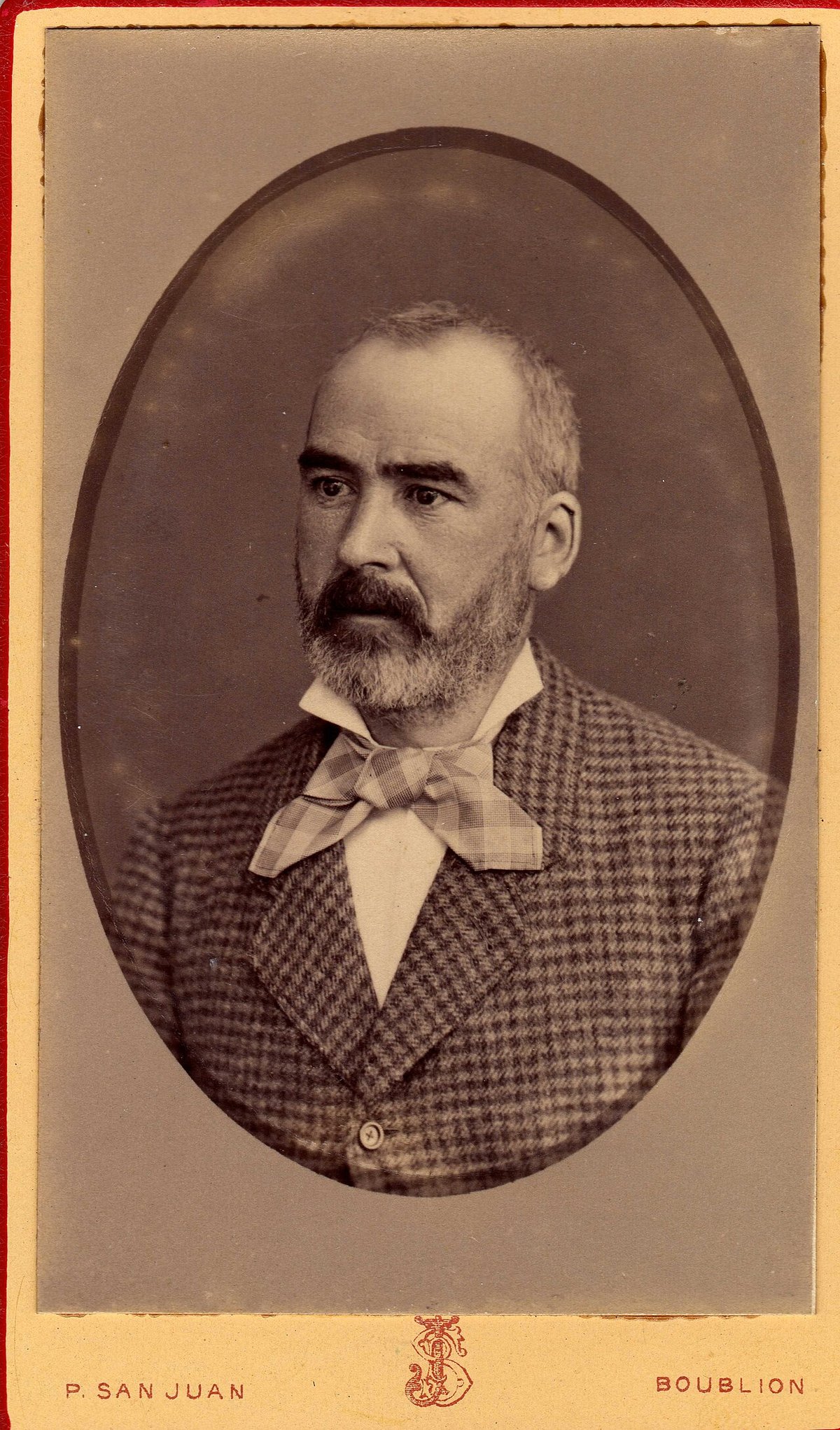
Mr. Pichon, de Goñi (cropped).jpg
Francisco Goñi · Public domain
Navarra · Kingdom of Diversity

Goñi

The church bell strikes nine and the only other sound is a tractor coughing to life somewhere below the ridge. From the bench outside the single ba...

166 inhabitants · INE 2025
768m Altitude

Why Visit

Mountain Hermitage of San Miguel de Izaga Solitary hiking

Best Time to Visit

summer

San Antonio Festival (June) junio

Things to See & Do
in Goñi

Heritage

  • Hermitage of San Miguel de Izaga
  • Weaving mill

Activities

  • Solitary hiking
  • mountain biking

Festivals
& & Traditions

Fecha junio

Fiestas de San Antonio (junio)

Las fiestas locales son el momento perfecto para vivir la autenticidad de Goñi.

Full Article
about Goñi

High, isolated valley with strong ethnographic value; includes several hamlets with hermitages and mountain scenery.

Ocultar artículo Leer artículo completo

The church bell strikes nine and the only other sound is a tractor coughing to life somewhere below the ridge. From the bench outside the single bar, you can watch the morning sun crawl across cereal stripes that fall away for 40 km until the next row of hills. Goñi sits at 650 m, high enough for the air to feel rinsed and for every footstep on the stone lanes to echo a little sharper than it would in the valley.

Stone, Wind and Blazons

There is no postcard square, no souvenir shop, no medieval gate with a ticket booth. Instead the village arranges itself along a knoll: stone houses shoulder-to-shoulder, roofs the colour of burnt toast, tiny gardens fenced with rusted bedsteads that have found a second life keeping hens out of lettuces. Walk the circumference in twenty minutes and you will pass a dozen coats of arms hammered into lintels—one shows a boar pierced by an arrow, another a baker’s paddle and wheat sheaf. Nobody has polished them for tourism; they are simply there, the way a family name is there, weather-softened and easy to miss if you keep your eyes on the mobile map.

The parish church acts as both compass and clock. Its bulky tower is the highest point, so every alley eventually tilts back towards it. Step inside and the temperature drops five degrees; the stone floor is uneven from centuries of boots grinding in grit carried on north-westerly gales. A single bulb hangs over the altar, giving the sort of light that makes colours appear only after your pupils adjust. Outside again, the wind resumes—this is Navarra after all, where Atlantic weather barges through the Puerta de Etxarri and dries laundry faster than the occupants can pin it.

Walking Straight into the Sky

Three footpaths leave the last house, each signed with a paint splash that might have been refreshed last century. Take the middle one: it climbs past a threshing circle now colonised by poppies, then corkscrews through holm oak. Ten minutes of steady ascent and the village shrinks to a grey smear on the ridge; another ten and you are level with kites circling the thermals. The track eventually meets a forestry road that runs along the watershed—turn left for Zudaire (5 km, no facilities), right for the abandoned hamlet of Orbiso where roofless walls frame the valley like a broken picture window. Either direction gives 30 km views on a clear day, all the way to the limestone bastions of Urbasa.

Boots with a decent tread are non-negotiable after rain. The local clay starts sticky, then sets like concrete around your soles until each step adds a centimetre of height. Winter walkers may find the last kilometre glazed with ice where streams overspill; spring visitors should expect sudden fog that erases the path and makes every stone wall look identical. In high summer the route is technically open, but by 11 a.m. the heat ricochets off the bare rock and shade is as scarce as a cash machine—there isn’t one in the village, so bring water and a hat.

What Passes for Lunch

Goñi itself offers no restaurant, no tasting menu, no artisan deli. The bar opens at seven for coffee and churros, closes at nine for the proprietor to tend his vegetable plot, reopens at noon for a single hot dish that depends on what his wife feels like cooking. One day it might be patatas a lo pobre crowned with a fried egg, another day a bowl of alubias with chorizo from a pig that had a name until last autumn. Price: €8, including half a bottle of house wine that started life in a coop near Olite. If you need choice, drive 12 km south to Lizarra where two competing asadores grill lamb over holm-oak embers and charge €22 a portion. Vegetarians should head straight for Estella’s Saturday market and assemble a picnic; the village fountain water is drinkable, so top up bottles before you leave.

A Calendar that still Fits on One Page

Festivities occupy exactly three days: 14–16 August. On the first evening the village eats paella from a single pan that requires a scaffold pole as a handle; on the second, teenagers chase a heifer through the streets while older residents place bets on which doorway the animal will dodge into; on the third, a brass band from Tafalla arrives on a rented coach and plays until the power trips. Accommodation within the parish boundaries doubles from zero to one: the old schoolhouse rents out two rooms (shared bathroom, €40 pp including breakfast toast and homemade marmalade). Book in April, or plan to stay in Estella where the nearest hotels cluster around the medieval bridge and charge €70–90 for a double.

Getting Here without a Sat-Nav Nervous Breakdown

From Pamplona take the A-12 west to Puente la Reina, then the NA-132 towards Estella. After 11 km turn left at the junction marked “Goñi–Lizarra” and climb 7 km of switchbacks where the turret of a ruined castle keeps slipping in and out of view. The road narrows to a single lane for the last kilometre; if you meet a combine harvester coming down, reverse 200 m to the passing place and remember that the uphill driver has right of way. A twice-daily bus leaves Pamplona at 07:15 and 17:30, reaches the village at 08:40 and 19:05 respectively, and returns immediately—miss it and the next stop is a €60 taxi ride. In winter the service shrinks to one bus on Tuesdays and Fridays; check the Lihera company website the night before, because snow sometimes forces the driver to abandon the route at the 500 m contour.

The Temperature Gap Nobody Mentions

Goñi can be 6 °C cooler than Estella in the morning and 4 °C warmer after dusk thanks to altitude and exposure. Pack a fleece even in July, and if you are staying overnight expect star-scapes so sharp they feel intrusive—there is no street-lighting beyond the bar, so bring a torch for the walk back to your car. Mobile reception is patchy on the north side of the ridge; Vodafone disappears entirely inside the church, while Orange holds a single bar if you stand on the bench by the war memorial. Treat the silence as part of the tariff.

Leaving Before the Bell Strikes Again

Two hours buys you the loop of lanes, the church, a coffee and the first kilometre of footpath. Half a day lets you reach the watershed and return via the old mule track that descends through a ravine of bay laurel and fern. Stay longer and you will notice the same three locals passing the bench every 45 minutes, the way the swallows stitch the sky between rooflines at dusk, and how the grain fields change from silver-green to gold in the time it takes to finish a glass of wine. There is nothing to tick off, no selfie frame, no entrance fee—just a village that continues to live by the rhythm of crops and church bells while the rest of Navarra rushes towards the next blockbuster fiesta. Arrive expecting that, and the altitude will do the rest.

Key Facts

Region
Navarra
District
Tierra Estella
INE Code
31118
Coast
No
Mountain
Yes
Season
summer

Livability & Services

Key data for living or remote work

2024
Connectivity5G available
TransportTrain nearby
HealthcareHospital 22 km away
Housing~5€/m² rent · Affordable
CoastBeach nearby
Sources: INE, CNMC, Ministry of Health, AEMET

Official Data

Institutional records and open data (when available).

  • El Castillo (Irunsario 3)
    bic Túmulo ~3.3 km
  • Irunsario
    bic Monolito - Menhir ~2.9 km
  • Balsa Fría II (Balsa Fría 2 Hego)
    bic Cromlech ~2.7 km
  • El Vínculo (Yontorraundi)
    bic Túmulo ~3.5 km
  • Irunsarioko Bidea
    bic Túmulo ~3.5 km
  • Elordiko Harria
    bic Monolito - Menhir ~4.4 km
Ver más (14)
  • Afauzki
    bic Túmulo
  • Brinko (Dukesana)
    bic Túmulo
  • Balsa Fría I (Balsa Fría 1 Ipar)
    bic Túmulo
  • Saguáin II (Saguáin 2 Ekialde)
    bic Dolmen
  • Fuente Fría II
    bic Monolito - Menhir
  • Saguain I (Saguain 1 Mendebal.)
    bic Dolmen
  • Trekua Arteta
    bic Dolmen
  • Marcuero
    bic Dolmen
  • Martinleze I (Martinleze 1)
    bic Dolmen
  • Martinleze II (Martinleze 2)
    bic Dolmen

Planning Your Visit?

Discover more villages in the Tierra Estella.

View full region →

More villages in Tierra Estella

Traveler Reviews