Full Article
about Guesálaz
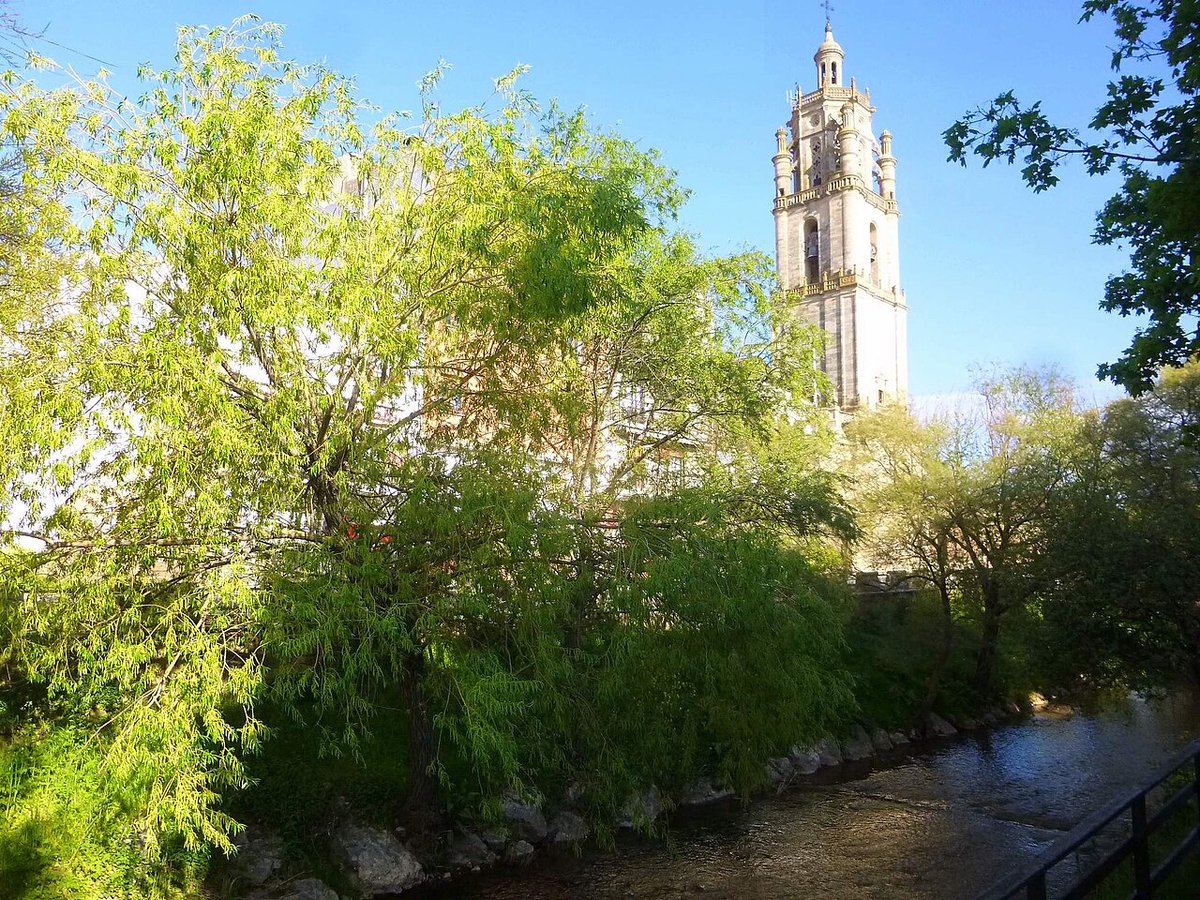
Valley surrounding the Alloz reservoir; ideal for water sports and rural tourism in its small villages.
Hide article Read full article
A place that moves at its own pace
Some destinations feel like a busy square full of things to tick off. Others resemble a friend’s house in the countryside, somewhere to slow down for a while. Tourism in Guesálaz leans firmly towards the latter. Set in Tierra Estella, in Navarra, this small municipality has just over 400 residents. It is not set up for coaches or crowds, and it does not try to be. What you find instead is rural life as it is: stone houses, short streets and a rhythm that runs a little slower than elsewhere.
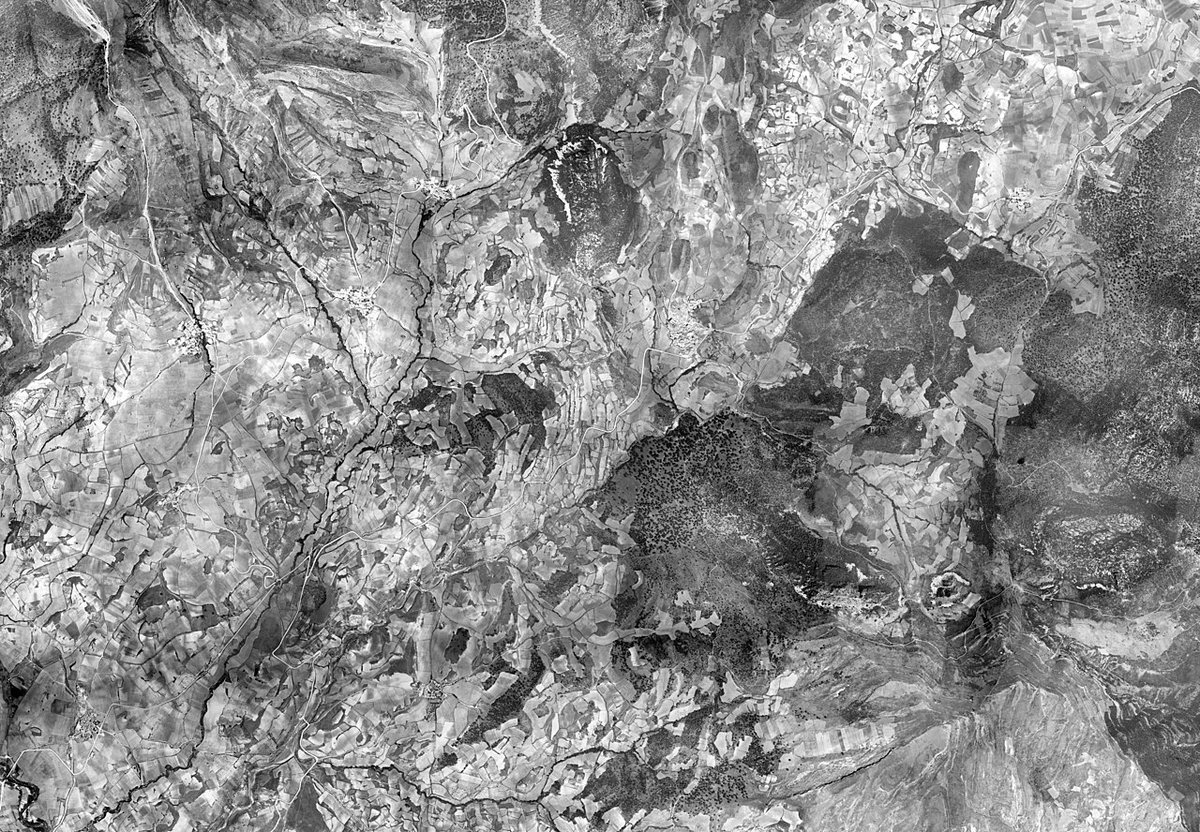
Guesálaz is not a single village either. The municipality brings together several small settlements scattered across the valley. A visit often means moving around the area rather than staying in one spot, piecing together a sense of the place as you go.
A village best understood on foot
The main settlement can be walked quickly. Within ten minutes, the layout becomes clear. The parish church usually marks the centre, with traditional houses gathered around it. These buildings tend to have masonry walls, large gateways and relatively small windows, features shaped by the need to cope with cold winters.
There are no grand monuments to anchor a visit. The interest lies in quieter details. An old coat of arms above a doorway, a heavy wooden door worn by time, or a corner where the shape of the street shows how the village has adapted to the terrain over centuries. These small elements gradually draw attention in a place like this.
It is the kind of setting where attention shifts. Details that might go unnoticed elsewhere begin to stand out once the pace drops.
Open countryside and easy paths
Step beyond the village and the landscape opens up. Fields stretch out across the valley, broken by small patches of woodland and gentle hills that change colour with the seasons.
There is no need to seek out major hiking routes. In fact, a simpler approach works best here. Take one of the agricultural tracks and walk for a while without much of a plan. Within half an hour, the valley comes into view and the sense of distance from traffic and noise becomes clear.
The nearby Alloz reservoir, known locally as the embalse de Alloz, draws more activity, especially in summer. Many visitors combine a wander through the villages of Guesálaz with time spent near the water, creating a contrast between quiet rural streets and a more lively lakeside atmosphere.
A short stop done right
A brief visit does not require much planning. Park, walk slowly through the village centre, then follow one of the paths that lead out towards the fields. That is often enough to understand the place.
There is no need for a detailed itinerary. Half an hour of unplanned walking, taking in the landscape and then heading back, often feels more fitting than trying to organise a packed schedule.
The area can also be a good place to come across local produce, depending on who is around and what is available in the surrounding comarca. Sheep’s cheese, seasonal vegetables or meat from locally raised livestock appear from time to time. This is straightforward food that does not need much explanation.
Common mistakes to avoid
The most frequent misstep is arriving with the expectation of having a long list of sights to tick off. Guesálaz does not work that way. Anyone approaching it with a classic sightseeing mindset may find it underwhelming.
Another common issue comes in summer, when the heat can be intense. The landscape is open, with little shade in places, so walking at the height of the day without water can quickly become uncomfortable.
Footwear also matters more than it might seem. After rain, some of the agricultural paths turn soft and cling to the soles, which can make a simple walk harder than expected.
When it feels at its best
Spring and autumn tend to be the most rewarding times to visit. The fields are either green or shifting in colour, and the temperature makes walking easy without much thought.
Summer brings more movement to the area, largely due to the proximity of the embalse de Alloz. Even so, the midday sun can be strong. Winter changes the atmosphere again. There is less activity, more quiet, and some days when fog settles into the valley and lingers.
Getting there and moving around
From Pamplona, the usual route heads towards Estella-Lizarra, followed by smaller roads into the valley. The final stretch feels calmer, with narrower lanes, gentle bends and open fields on either side.
Driving at a relaxed pace makes sense, especially for those unfamiliar with the area. The route is not complicated, but it is the kind of place where the road itself signals that you have entered rural territory.
Guesálaz does not try to impress. It works better as a quiet stop within a wider journey through Tierra Estella, a place to walk for a while, look out over the landscape and continue on with the feeling of having seen a more grounded side of Navarra.