Full Article
about Lapoblación
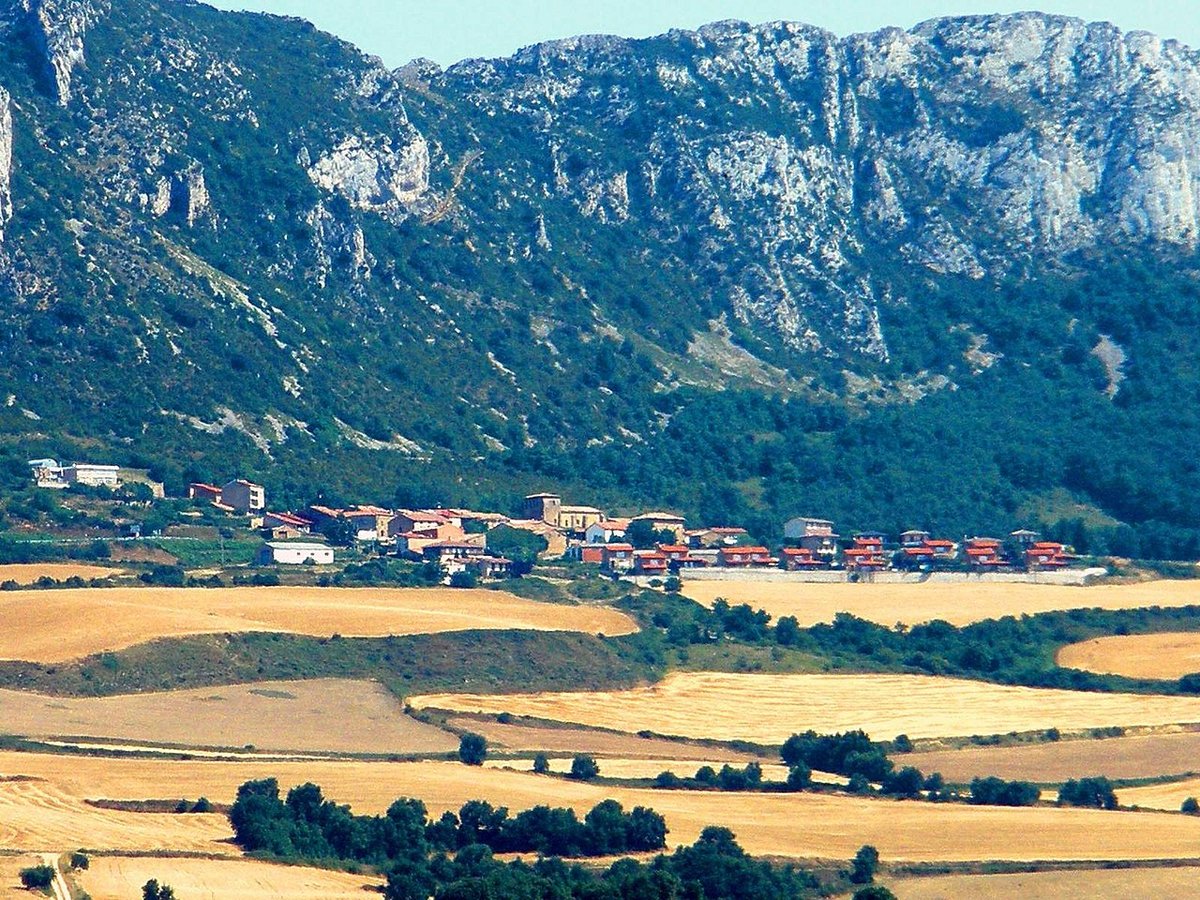
High-altitude town beneath the "Sleeping Lion"; stunning views and mountain setting on the border.
Hide article Read full article
A village that keeps its rhythm
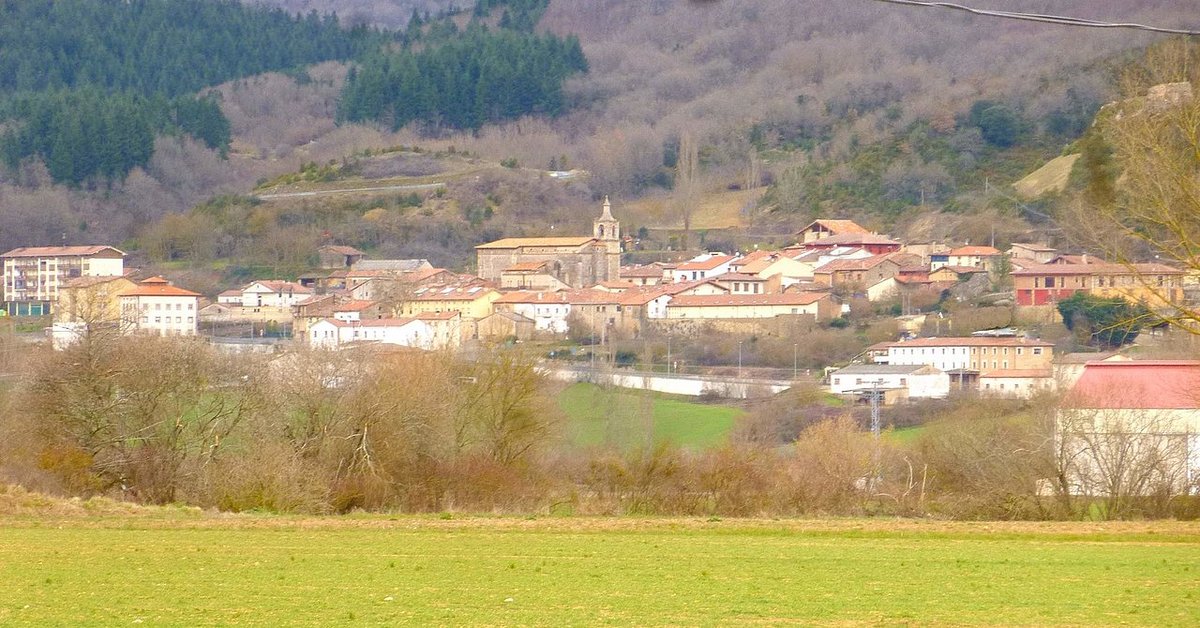
Some places feel a bit like grandparents’ houses, where everything has stayed more or less in the same place for decades. Lapoblación has something of that. Set high in Tierra Estella, with around 120 residents and close to 900 metres above sea level, the village moves at its own pace.
This is not somewhere built around signposted routes or panels explaining every corner. If that is what you expect, it may catch you off guard. The appeal lies more in looking around and getting a sense of how life has been lived in a place like this, rather than ticking off sights.
Santa María and the shape of the village
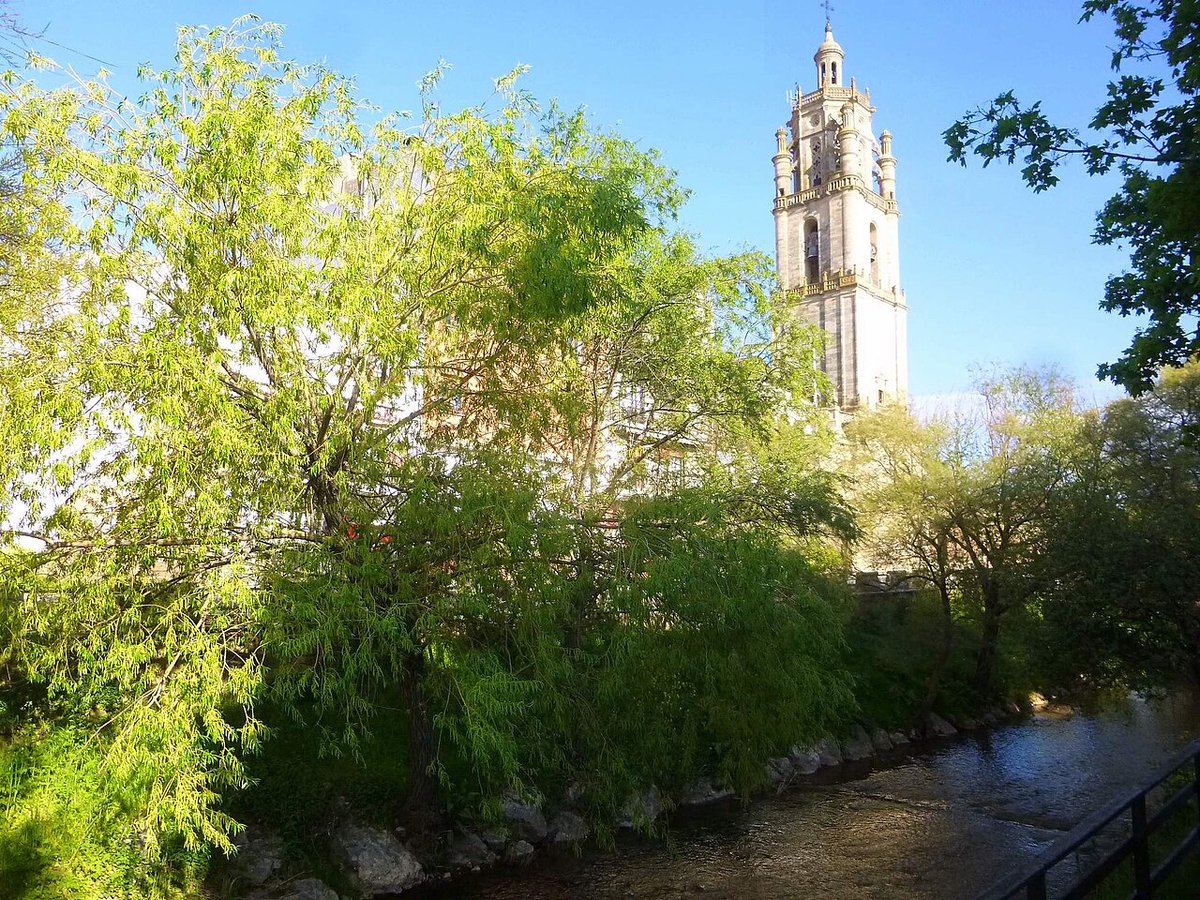
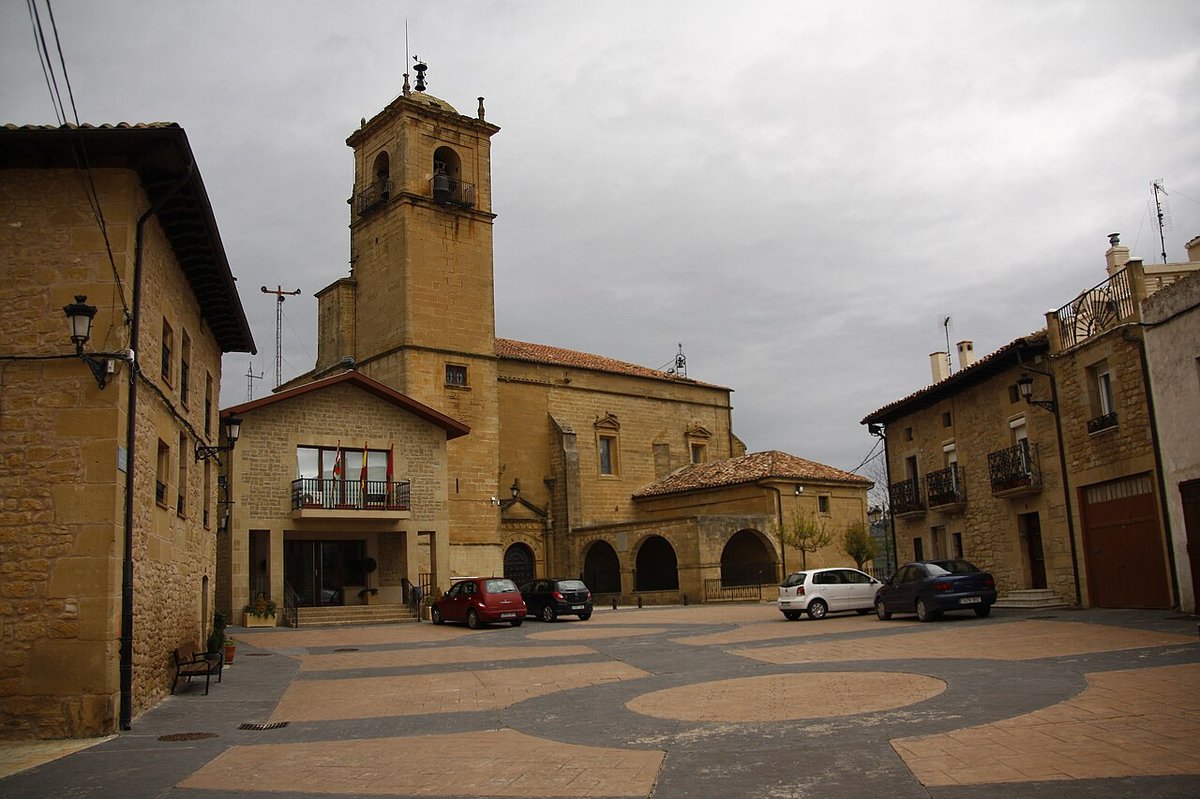
In Lapoblación, most paths seem to lead back to the church of Santa María. Not because it dominates the skyline from miles away, but because village life has long revolved around it.
The building reflects different periods. Romanesque elements can still be picked out in the stone, alongside later additions. This mix is typical of small rural churches that have grown over time through gradual changes. The façade combines tufa and sandstone, and a closer look reveals details that do not always quite align. Each generation appears to have added what was needed, without worrying too much about uniformity.
A handful of short streets spread out from around the church. Calle Mayor and others slope gently downhill between solid stone houses. There are no grand palaces or elaborate façades here. These are homes built to endure long winters, with thick walls, arched doorways made of carefully cut stone, and the occasional carved coat of arms hinting that some families once held local influence.
It is the kind of place where the interest lies in the whole rather than in a single standout building.
Surrounded by woodland and fields
Beyond the last row of houses, Lapoblación is almost entirely encircled by woodland. Oaks and beeches cover the slopes, and the landscape shifts noticeably with the seasons.
Autumn brings stronger colours, and the patchwork of small fields becomes more visible across the hills. From slightly higher ground near the village, it is easy to see how the land has been worked over generations. The plots are modest, with meadows for livestock and paths linking everything together like a network of veins.
This is not dramatic scenery in the sense of towering peaks, but it encourages unhurried walks. The surroundings invite you to wander without paying much attention to the clock.
Paths leading out into the hills
Several rural tracks begin in Lapoblación and head out through low woodland and areas of limestone rock. Some are wide enough for agricultural use, while others narrow into simple footpaths.
Signposting is not always clear, so it helps to carry a map or use a phone with GPS if you plan to go further out. Even so, many of the routes are fairly intuitive. Following a path will eventually lead to another valley, a wider track, or back towards the village.
At certain times of year, people come here to forage. Mushroom picking is common in season, and in spring it is not unusual to see people searching for wild asparagus. If you are unsure what to gather, it is best to stick to walking. The landscape can be enjoyed just as much without filling a basket.
A short visit, taken slowly
Lapoblación is small and can be seen quickly. It works best as a short stop within a wider route through Tierra Estella.
A simple walk might start in the centre of the village and gradually climb towards the church. From there, small uphill streets lead to slightly higher ground where the surroundings open up and views extend across the area.
The return can be along a different street. In about half an hour, most of the village can be covered, but it is worth taking your time. Details reveal themselves in the stone doorways, in corners worn smooth by years of wind and rain, and in the small features that show how houses were built here.
What is easy to miss
A quick loop around the centre can make Lapoblación feel very small, which it is. The impression changes slightly if you spend a few minutes walking out along one of the paths that leave the village.
There are several higher points nearby with views over much of Tierra Estella. Not all are marked, so exploring a little is part of the experience. On a clear day, the outlook makes the walk worthwhile.
It is also worth keeping expectations in check. In a village with just over a hundred residents, daily life follows a different rhythm and services are limited.
Before you go
Lapoblación is best combined with other nearby villages. One or two hours is enough to explore it at a relaxed pace before continuing through Tierra Estella.
If walking is part of the plan, it helps to look into nearby paths or points of interest in advance. The area includes old remains and traditional routes that are still in use.
One practical detail stands out. The ground is often damp for much of the year. After several days of rain, paths can become muddy and the cobbled streets a little slippery, so decent footwear makes a difference.