Full Article
about Legaria
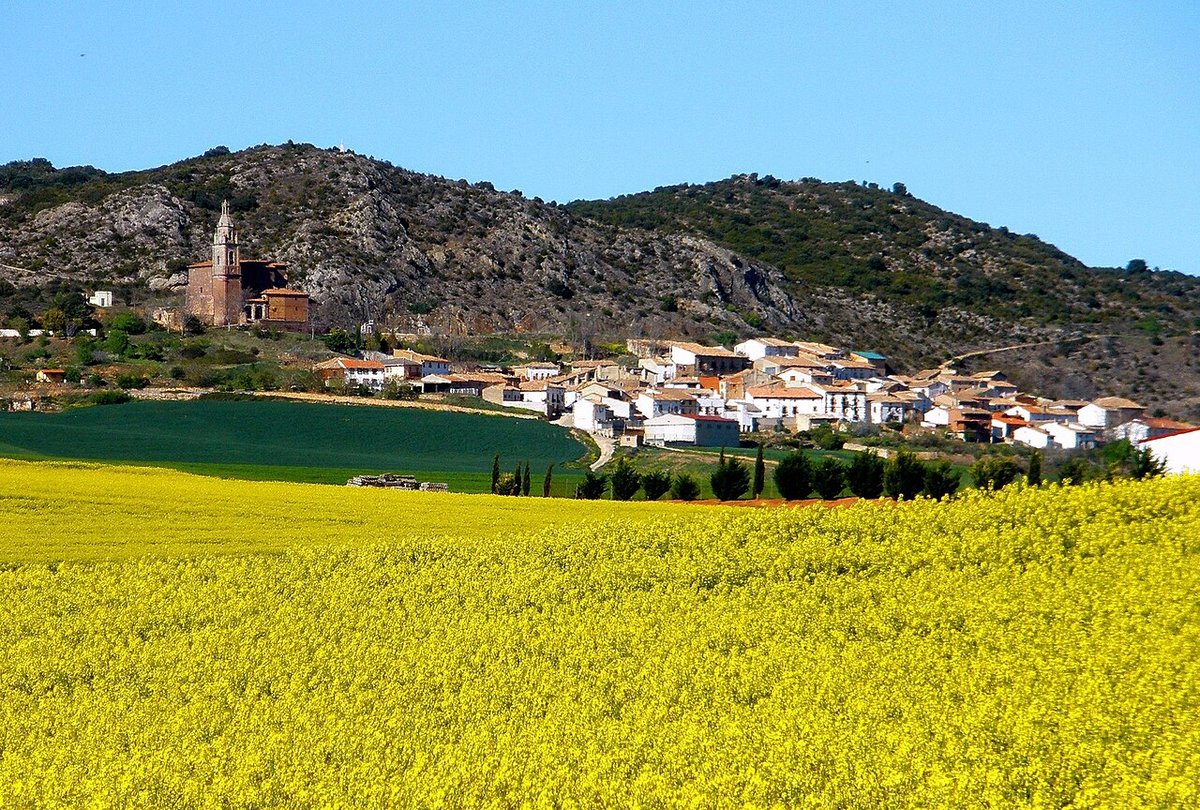
Small settlement in the Ega valley; farmland and poplar groves by the river
Hide article Read full article
A quiet turn in the road
Some places are reached almost by accident. A minor road through Tierra Estella, a quick glance at the map, a short detour, and suddenly there is a village where time seems to move a little more slowly. That is the feeling in Legaria.
The first thing that stands out is the quiet. Not the kind arranged for visitors, but the everyday stillness of a place going about its own routine. A parked car, a door opening, little else. With just over a hundred residents, daily life carries more weight here than any attempt to draw in tourism.
Around San Miguel: the heart of the village
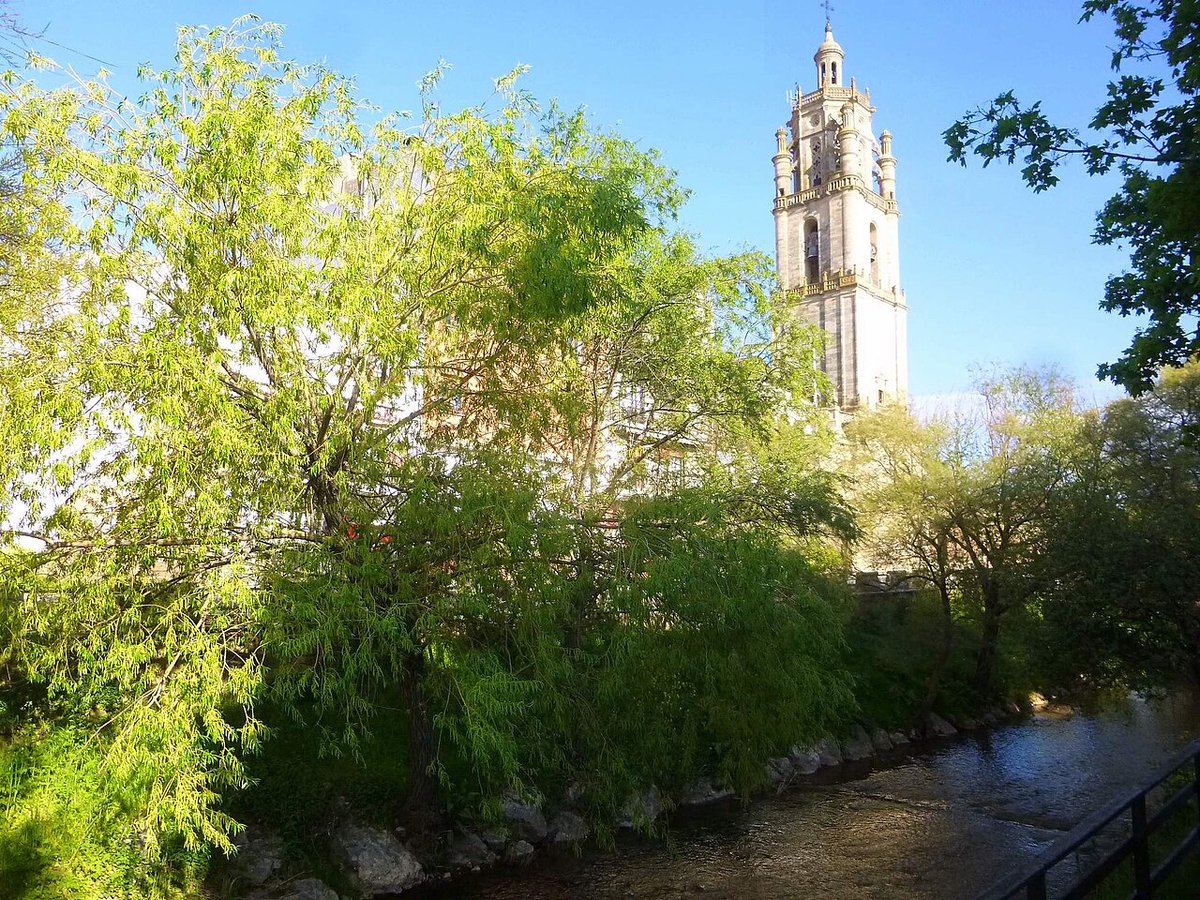
Legaria is easy to walk through. The centre revolves around the parish church of San Miguel, a 16th-century building that rises above the rooftops. It is not monumental in scale, but it has spent centuries doing its job without needing to stand out.
The nearby streets are narrow and slightly irregular. Stone houses line them, with simple doorways and iron balconies. On some façades there are coats of arms or small details hinting that certain homes once held a degree of importance in the area.
Remains of old corrals and agricultural spaces can still be seen attached to the houses. They give a clear sense of how the village has always functioned: home and work side by side, often under the same roof or just a few steps apart.
The fields that shape the landscape
The countryside around Legaria follows the pattern typical of this part of Tierra Estella. Gentle hills, cultivated plots and paths that leave the village without much ceremony.
Spring brings a wash of green. Later, tall cereal crops and vineyards take over much of the surrounding land. This is not dramatic or wild scenery. It is farmland shaped over generations, with its own logic and steady rhythm.
Some of the tracks climb slightly, enough to open views over the Ega valley and nearby villages. There are no formal viewpoints with railings or signs. These are agricultural tracks and local paths, used by residents to move between fields.
Walking the paths, camera in hand
For those who enjoy walking with a camera, Legaria offers small, understated details that catch the eye. Old walls, farm tools stored in sheds, wooden doors that have been in place longer than many people can remember.
At the same time, it helps to keep in mind that many of these paths run alongside working land. Agriculture here is not a backdrop. It is active and ongoing. Seeing people working in vineyards or fields is normal, and a simple greeting goes a long way. If taking photos nearby, asking first is the respectful approach.
There is usually more movement during harvest periods, whether for grapes or other crops. These are not events arranged for visitors. They are simply part of the agricultural cycle continuing as it always has.
Local festivals and traditions
The feast linked to San Miguel remains one of the key moments in the village calendar. Its core is religious, with a procession and mass, followed by gatherings among neighbours in squares or local venues.
There are no large-scale setups or elaborate staging. Celebrations here still resemble those of decades past: local people, families returning for a few days, and plenty of conversation.
Some traditions connected to the agricultural calendar are also maintained. These include blessings of the fields and small pilgrimages in the surrounding area, reflecting the long-standing relationship between the village and its land.
Spending a little time in Legaria
Legaria does not require much time, and that is simply a reflection of its size.
A typical visit might begin by parking near the centre, walking towards the church, and wandering through the two or three main streets without a fixed plan. It does not take long to get a sense of the place.
For a slightly longer walk, one of the paths leading out of the village can be followed up towards the nearby hills. Within less than an hour, both the village and its surrounding landscape come into view.
One practical point is worth keeping in mind: if planning to walk, it is sensible to bring water. Services are not always open, and the village is small.
When to go
From spring through to early autumn, the surroundings feel more alive. The fields shift in colour as the seasons change, and longer days make it easier to spend time on the paths.
In summer, the middle of the day can be intense, with little shade outside the built-up area. Winter brings a more subdued landscape. On colder days, with fog or muddy paths, walks tend to be shorter.
Even so, Legaria has a particular quality. Very little may seem to be happening, yet the place continues at its own pace. It is the kind of village where a short stop can stretch into a longer one, not because there is a long list of things to do, but because the atmosphere quietly slows everything down.