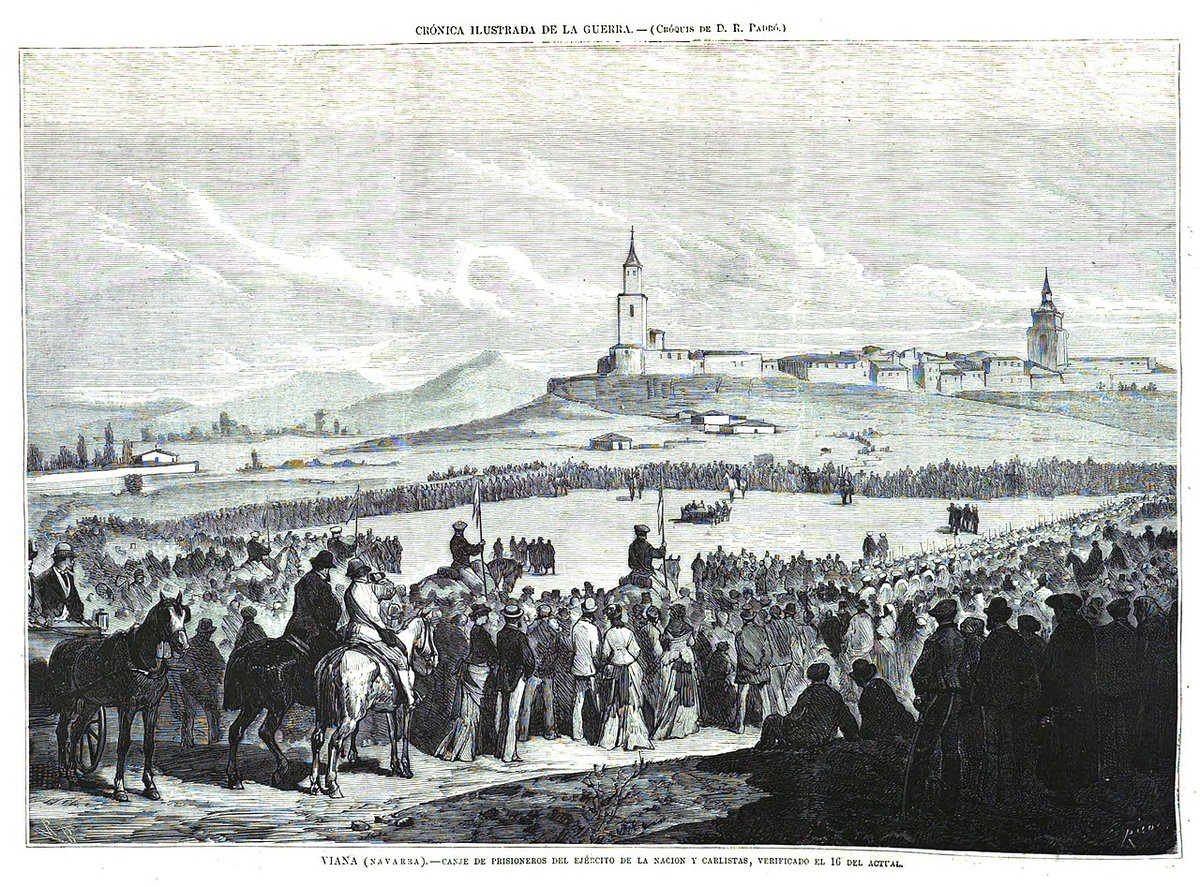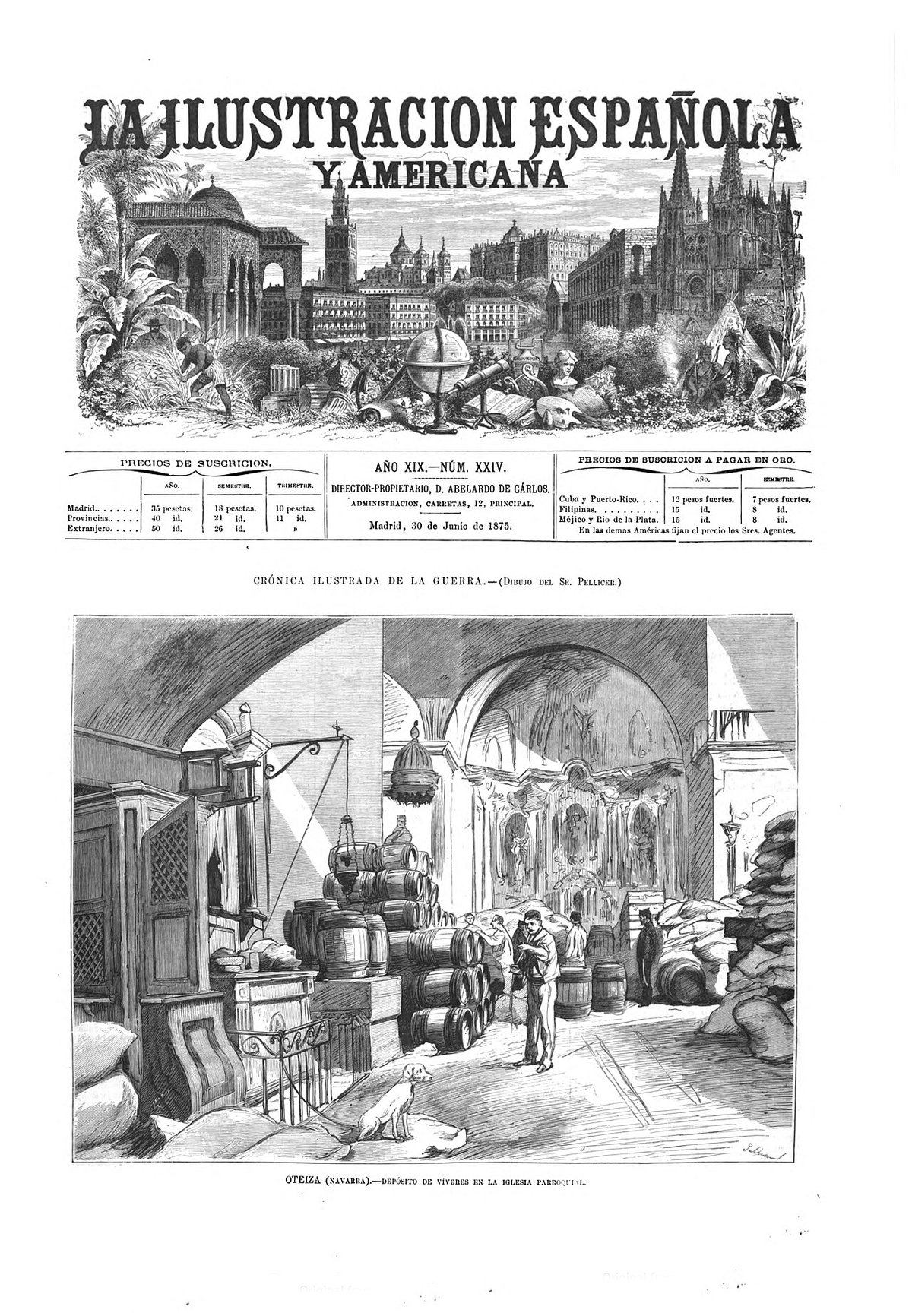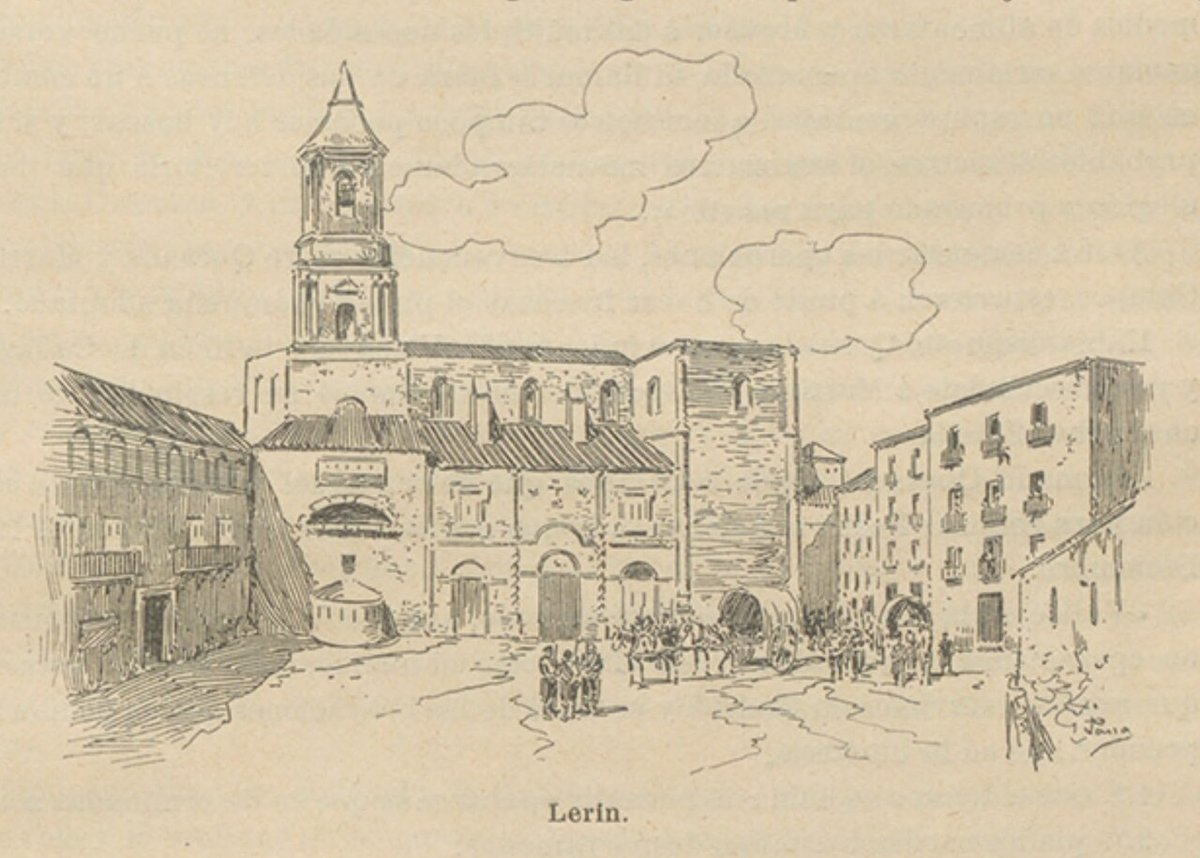
1902, Historia de España en el siglo XIX, vol 5, Lerín.jpg
Navarra · Kingdom of Diversity

Lerín

At 437 m the afternoon breeze arrives early in Lerín. It slips between stone houses, carries the smell of wet earth from the cereal plots above tow...

1,821 inhabitants · INE 2025
437m Altitude

Why Visit

Lerín Fort Pine-forest trails

Best Time to Visit

summer

Assumption festivities (August) agosto

Things to See & Do
in Lerín

Heritage

  • Lerín Fort
  • Lerín Pine Forests

Activities

  • Pine-forest trails
  • stargazing

Festivals
& & Traditions

Fecha agosto

Fiestas de la Asunción (agosto)

Las fiestas locales son el momento perfecto para vivir la autenticidad de Lerín.

Full Article
about Lerín

Set on a high rocky cliff above the Ega; known for its pine forests and caves.

Ocultar artículo Leer artículo completo

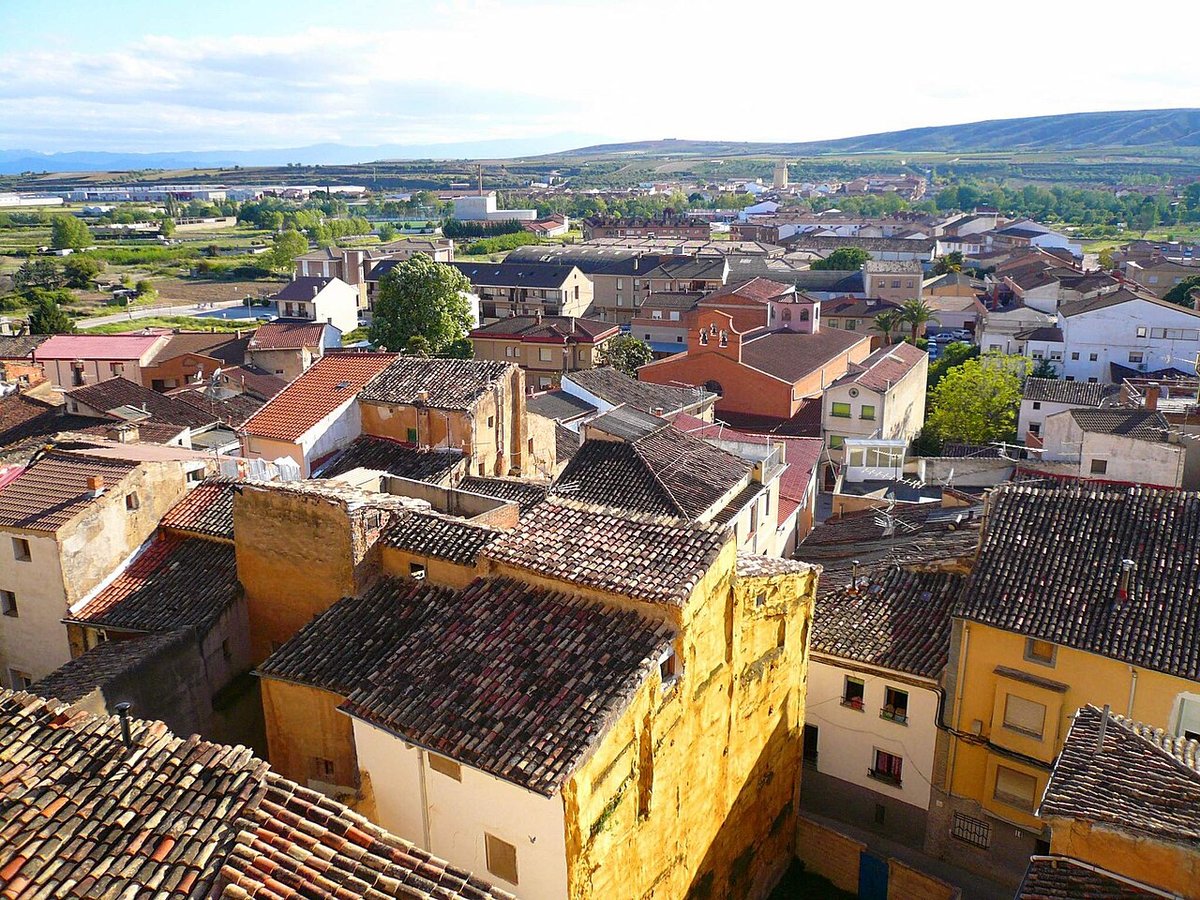
At 437 m the afternoon breeze arrives early in Lerín. It slips between stone houses, carries the smell of wet earth from the cereal plots above town, and reminds visitors that the Ebro valley is still a working landscape rather than a weekend backdrop. Look south-west and the vine terraces glow garnet in October; look east and the ridgeline of the Sierra de Cantabria blocks the worst Mediterranean heat. The setting feels modest until night falls: then the street-lights dim to amber pinpricks and the village’s 2021 Starlight certificate makes sense—enough darkness here to spot the Andromeda galaxy with the naked eye.

Daytime stones, nighttime stars

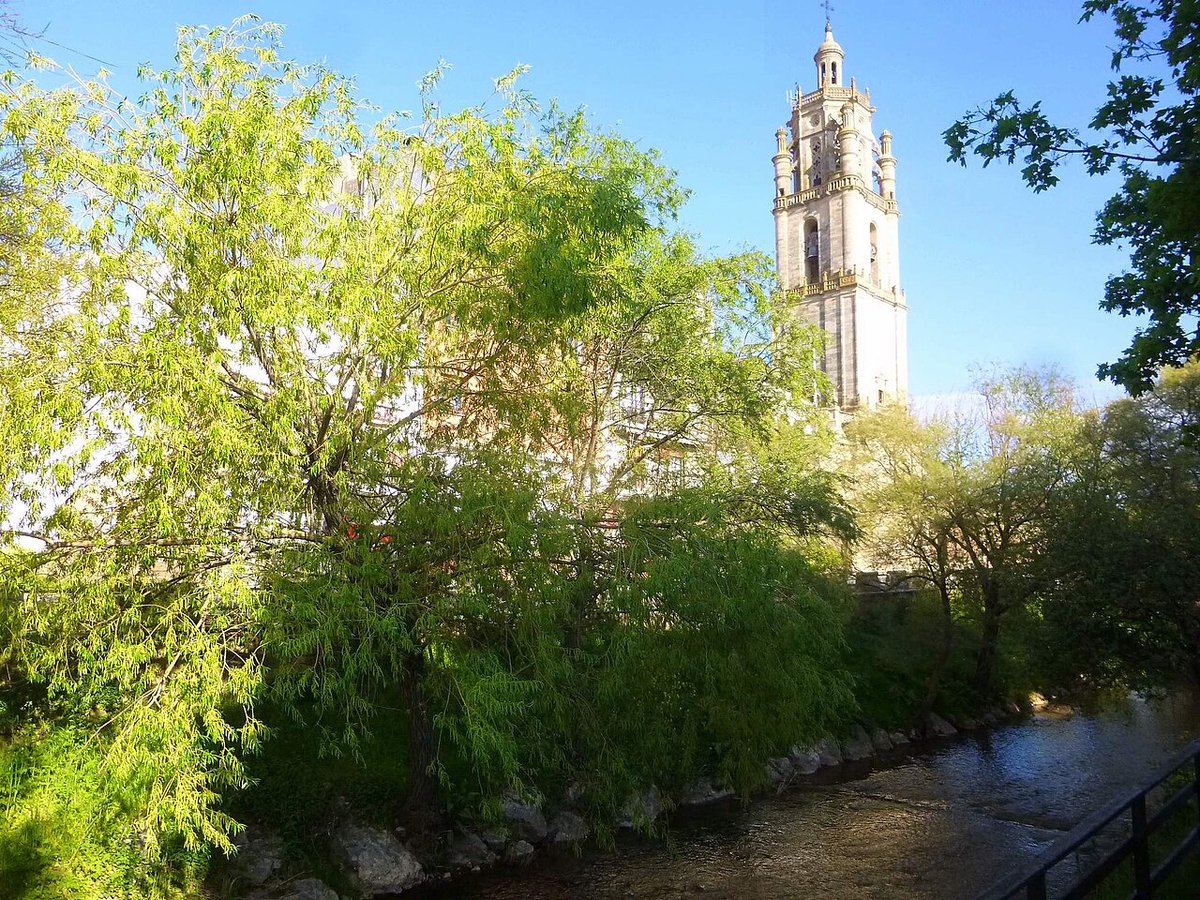
The centre occupies barely four cross-streets. Start at the porticoed Plaza de los Fueros where house-number 12 carries a worn 16th-century coat of arms—an eagle devouring a serpent, the stone feathers chipped by centuries of traffic. Two minutes north is the parish church of San Martín, a hybrid of Romanesque bones, Gothic ribs and Baroque skin grafted on after the 1755 Lisbon earthquake shock. The west door opens only for the 11 a.m. mass on Sundays; at other times you need to ask for the key in the town hall across the square (office hours 09:00-14:00, ring the bell marked “Secretaría”). Inside, the main attraction is a 14th-century wooden Virgin whose gilt has darkened to the colour of burnt butter; donation box expected, €1 suggested.

Carry on uphill past drying geraniums and you reach the Ermita de Nuestra Señora de Cataláin, twenty minutes on a stony track that offers no shade after 16:00. The chapel itself is locked except for the May romería, but the bench outside gives a straight-line view across the vineyards to the Convento de Irache, famous for its wine fountain on the Camino de Santiago. Bring binoculars: red kites use the thermals here, and on clear winter mornings the Pyrenees appear as a white wall 80 km away.

Dark-sky walks start from the same spot. Guides from the local astronomy association (Agrupación Astronómica de Tierra Estella) run two-hour sessions on Friday and Saturday nights, April to October, €12 including telescope time. Booking is essential—maximum 20 people and only one English-speaking monitor. Clouded off? The back-up plan is a tasting of rosado from Bodegas Manzanos poured in the ermita’s porch; the concrete reflects sound surprisingly well, so expect impromptu acoustic versions of “Stairway to Heaven” if Spanish hikers turn up with a guitar.

Between harvest and planting

Lerín’s calendar is written in soil. In late March the almond blossom flickers white against red clay; by mid-May labourers are tying young tempranillo shoots to wire frames. Visit during the September vendimia and you’ll share the lane with tractors towing grape gondolas, their tyres dusted with ochre. The village cooperates with neighbouring Villamayor de Monjardín to stage a wine-crushing contest in the plaza—children stomp 20 kg of fruit for five minutes, then everyone samples the cloudy must. No tickets, just turn up at 18:00 on the third Saturday; plastic apron provided.

Spring brings vegetables rather than grapes. Lodosa piquillo peppers and fat white asparagus appear on every set menu, usually as “menestra”, a light stew that tastes like an Iberian take on spring minestrone. Expect to pay €12-14 for three courses at the only restaurant in the old quarter, Casa Coscojuela, but note it shuts on Mondays and doesn’t open before 21:00. A simpler option is Bar la Plaza on the east side: toasted bocadillo of chistorra sausage and a caña beer for €3.80, terrace shaded by the town clock that strikes the quarters on a bell cast in 1787.

When the thermometer matters

Altitude tempers extremes, but only just. July afternoons regularly touch 34 °C; the surrounding hollows act like a clay oven, so start walks by 08:30 and carry at least a litre of water—there are no fountains beyond the ermita. Conversely, December fog can sit for days, dropping visibility to 30 m and turning the stone streets slick as ice. Snow is rare but when it comes the access road from Estella (NA-111) is first to close; chains are checked by local police at the 505 m pass above town. The safest seasons are April–June and mid-September to early November, when daytime highs hover around 22 °C and the vines either flower or bronze.

Getting there and away

Public transport demands patience. There is no railway within 25 km; the daily Alsina Graells coach leaves Pamplona bus station at 15:15 and reaches Lerín at 16:30 (€7.45, pay the driver). The return leg departs at 07:25, which forces an overnight stay unless you hire wheels. Driving from Bilbao airport takes 95 min: A-1 south to Vitoria, then AP-1/NA-132 west to Estella before the final 12 km on the NA-111. Petrol stations are scarce south of Vitoria—fill up at the motorway services before the mountains. Free parking sits just outside the walls on Calle Virgen del Yugo; don’t block farm gates marked “Solo fincas”, tow trucks operate on harvest days.

Accommodation totals three licensed options. Casa Rural La Cuca offers three en-suite doubles in an 18th-century mansion (from €85 including Navarrese breakfast with churros). Two newer apartments above the bakery sleep four each and cost €110; keys collected from the bakery counter which closes at 14:00 sharp. Weekend availability tightens during fiestas: the November San Martín weekend and the May romería both book out six weeks ahead.

The honest verdict

Lerín will not keep you busy for a week. It lacks a museum, a nightly tapas crawl, even a cash machine—bring euros because the nearest bank is 9 km away in Villamayor. What it does offer is momentum: a place where you can walk out of the front door at dawn, follow a dirt track between wheat and vines, and be back in time for coffee without having met another soul. If that sounds too quiet, base yourself in Estella and drop in for the stars. If it sounds about right, stay overnight, pack a torch and look up—Orion is surprisingly clear when the only street-light is 200 m behind you.

Key Facts

Region
Navarra
District
Tierra Estella
INE Code
31152
Coast
No
Mountain
No
Season
summer

Livability & Services

Key data for living or remote work

2024
ConnectivityFiber + 5G
TransportTrain 13 km away
HealthcareHospital 19 km away
EducationElementary school
Housing~5€/m² rent · Affordable
Sources: INE, CNMC, Ministry of Health, AEMET

Planning Your Visit?

Discover more villages in the Tierra Estella.

View full region →

More villages in Tierra Estella

Traveler Reviews