Full Article
about Los Arcos
Key stop on the Camino de Santiago; historic town with a striking Baroque church and pilgrim services.
Ocultar artículo Leer artículo completo
The church bell strikes eleven and a line of rucksacks snakes across Plaza de Santa María. This is the daily tableau of Los Arcos: boots unlaced, trekking poles stacked against the ayuntamiento wall, and a British voice asking whether the bar does soya milk. The village, planted on a gentle rise above the river Odrón, has served as a Camino pit-stop since the twelfth century, yet it still feels like a place where neighbours, not tour operators, set the pace.
Altitude here is 444 m—low enough for vineyards to outnumber oak trees, high enough for crisp dawns that lift the scent of wet chalk from the church walls. The surrounding cereal plateau ripples away in every direction, so winter wind arrives unobstructed and summer sun beats down without shade. In January the thermometer can dip below –5 °C; August regularly tops 38 °C. Spring and autumn give the kindest light and the softest walking temperatures, but even in May you will want a fleece by 07:00.
A Town that Refuses to be a Stage Set
Los Arcos keeps its medieval bones, not as museum pieces but as working infrastructure. Calle Mayor is barely two cars wide; residents still draw water from the public fountain when the mains pressure drops. House façades carry coats of arms carved in the sixteenth century, yet satellite dishes sprout above them with cheerful pragmatism. The effect is lived-in rather than polished, and visitors expecting manicured ‘heritage’ may be startled by the occasional tractor rattling past the Renaissance portal of the Palacio de los Marqueses de Feria.
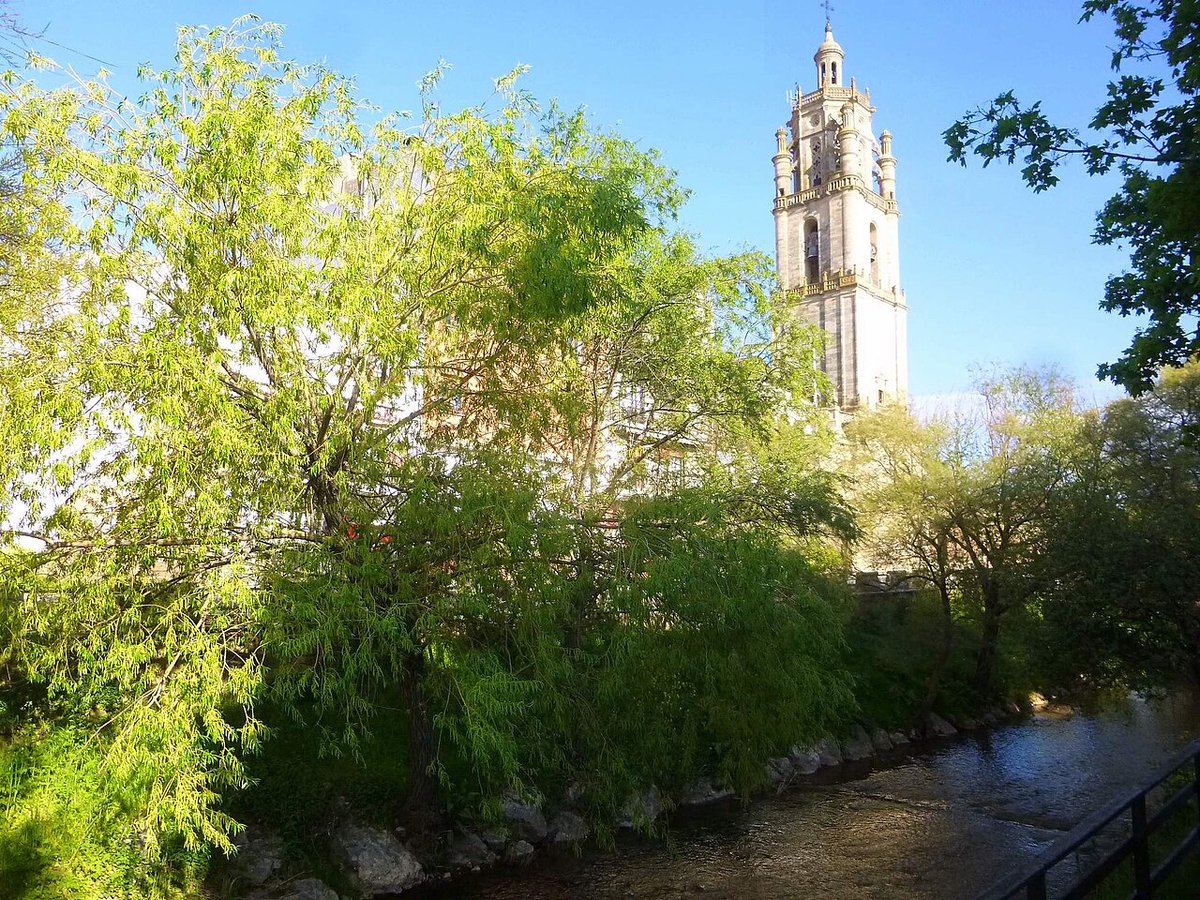
The parish church of Santa María dominates the skyline with an eighteenth-century baroque tower that went up after its Gothic predecessor cracked during a lightning storm. Inside, the walnut choir stalls and gilded altarpiece shine dimly beneath low-watt bulbs; the thirteenth-century Virgen de los Arcos, carved from a single piece of walnut, surveys the nave with an expression that suggests she has seen every blistered foot in Christendom. Opening hours follow ecclesiastical, not tourist, logic: turn up for the 19:30 Mass (daily) or ring the tourist office beforehand. Otherwise you will be left contemplating the stonework from the outside, which is no hardship—the west door’s rose window catches the evening sun like a camera aperture.
Five minutes downhill, the thirteenth-century bridge throws three arches across the Odrón. When the river shrinks in late summer the water barely covers the stones; after spring storms it swells to a respectable brown rush. Stand here at dawn and you share the view with shepherds moving sheep between pastures, the same right of way recorded in 1182.
Walking Without the Slog
The flat approach from Torres del Río (17 km west) explains why tired pilgrims speak of Los Arcos with relief. The meseta may sound tedious on paper—few trees, big sky, gravel track—but it delivers a meditative rhythm broken only by the occasional irrigation pivot. Locals recommend the 6 km circuit that leaves the bridge, swings past the ruined ermita of San Blas and returns along the riverbank. After heavy rain the path turns to clay; lightweight boots rather than trainers are wise.
If you want proper elevation, drive 20 minutes south to the Sierra de Lokiz. From the Santuario de Nuestra Señora de Codés a way-marked trail climbs 400 m to the ridge at 1,000 m, giving views north across the Ebro valley and south toward the Pyrenees. Snow blocks the track sporadically between December and March; check the forecast and carry a map—the mobile signal dies on the north-facing slopes.
Wine, Lentils and the Pilgrim Menu
Navarra’s wine country begins at the village boundary. Bodegas Odrón and Urrutia open by appointment, pour D.O. Navarra rosado that tastes of strawberry skin and river stone, and sell last-year’s vintage at €7 a bottle—half the UK import price. Book the day before; staff numbers are small and the winemaker may be driving a tractor when you ring.
Food is sturdy rather than delicate. Bar La Plaza on the main square dishes up the classic menú del peregrino: vegetable soup, roast chicken with chips, wine and coffee for €12. Vegetarians survive on menestra de verduras, a spring-medley stew of artichoke, pea and asparagus that appears on every menu and is better than it sounds. Meat-eaters head to Asador Sidrería Iparla for chuletón—a rib-eye the size of a shoe sole—seared over oak and served rare unless you protest. Kitchens close at 22:00 sharp; order before 21:00 or you will be offered crisps and a resigned shrug.
Beds, Banks and Blisters
Accommodation splits into three tiers: the municipal albergue (€8, 24 bunks, hot showers), two private hostals (€35–45 for a double with shared bath), and the refurbished Casa de los Abades (€90, rooftop terrace, decent Wi-Fi). Weekend fiestas fill every bed; reserve April–October or arrive by 13:00 to bag a bunk. The village ATM stands outside the Cajamar branch on Calle Consistorial—withdraw here because the next one is 17 km east in Torres del Río. The pharmacy keeps UK-standard blister plasters behind the counter and sells them individually if you ask.
Driving in is straightforward: leave the A-12 (Pamplona–Logroño) at junction 44, follow the NA-122 for 4 km and park on the southern approach road—the centre is residents-only. ALSA’s Madrid–Logroño coach will drop you at the roundabout at 14:15 and 20:00; flag the driver or he will thunder past. From London, fly to Bilbao, bus to Pamplona (1 h 15 min), then change to the regional service towards Logroño—total journey roughly six hours door to door, cheaper than hiring a car if you travel light.
When the Crowds Thin Out
Los Arcos never reaches the saturation of Puente la Reina or Santo Domingo, but the Camino surge between 10:00 and 16:00 can triple the population. Early risers have the streets to themselves; the bakery opens at 07:00 and will sell you a still-warm croissant before the first rucksack appears. In winter the village reverts to pure local life—bars switch to half-shift, the albergue shuts January–February, and you may find the only open restaurant heating its dining room with a single gas burner. If solitude appeals, bring Spanish phrases; English disappears with the pilgrims.
Come fiesta mayor (mid-August) the square hosts outdoor dancing and a Basque brass band that plays until 03:00. Earplugs are not optional. Conversely, Semana Santa delivers sober processions and a town-wide hush that makes the church bells sound like artillery.
Worth the Detour?
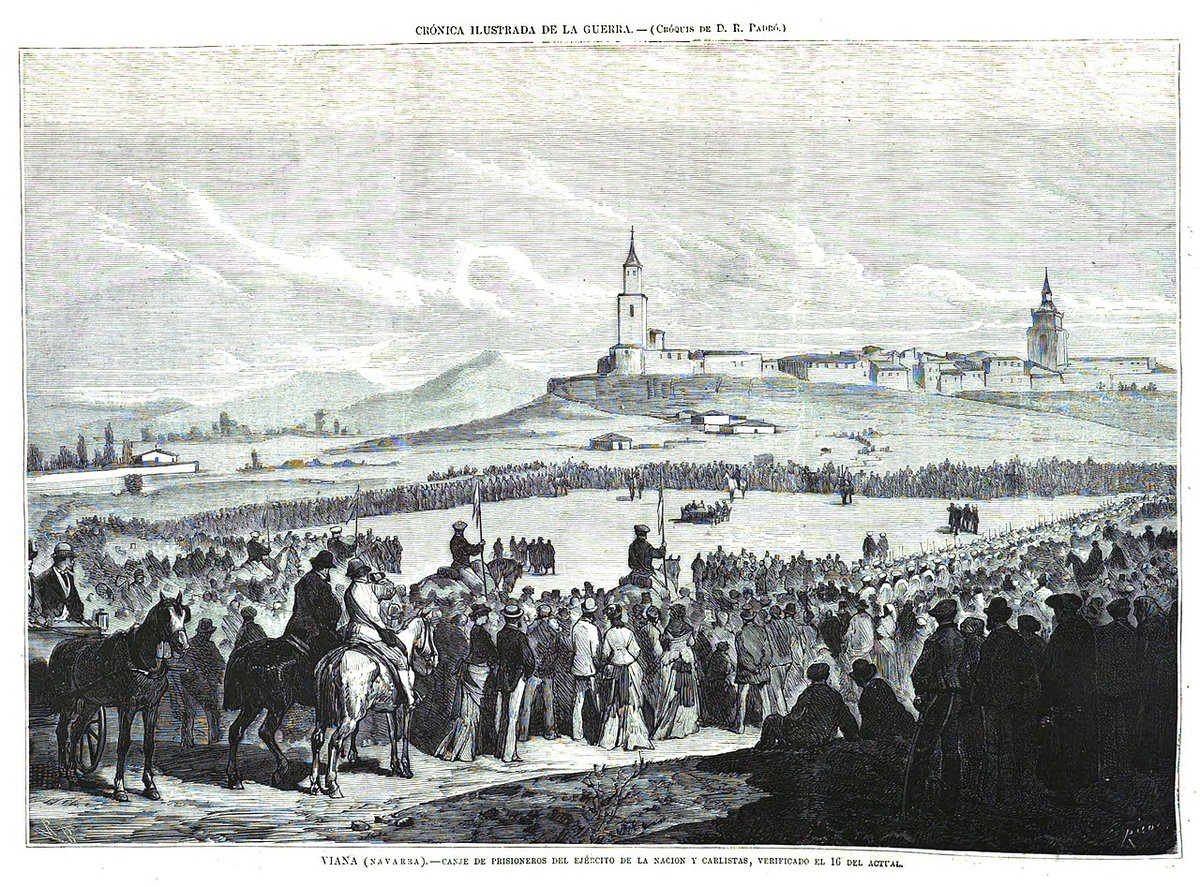
Los Arcos will not keep you occupied for a week. A morning poking around the churches, an afternoon in the vineyards and an evening sampling rosado on the plaza is about the limit. That, however, is precisely its merit: a place that offers decent wine, a bed and a conversation without demanding a second mortgage. Treat it as a comma in a longer Navarrese sentence—combine with Estella’s Romanesque bridges to the west or the castle of Viana to the east—and you will understand why the Camino crowd lingers longer than the guidebooks suggest.