Full Article
about Marañón
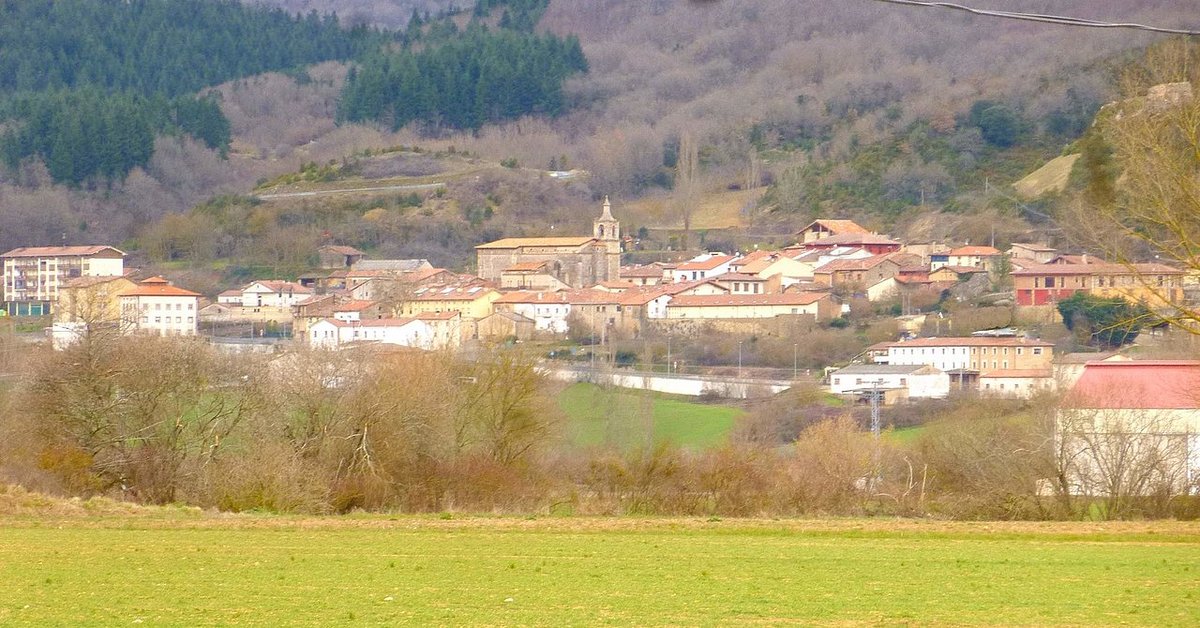
Small village in La Población; mountain and forest setting on the western edge
Hide article Read full article
A village that begins in silence
At around 645 metres above sea level, tourism in Marañón tends to begin the same way: with quiet. The village sits in Tierra Estella, a small cluster of stone houses with reddish roofs resting against the hillside. The light often arrives softly, grey and even, without sharp shadows. Frost can linger along the edges of the fields, and as the sun slowly rises, water seeps into the cracks in the earth.
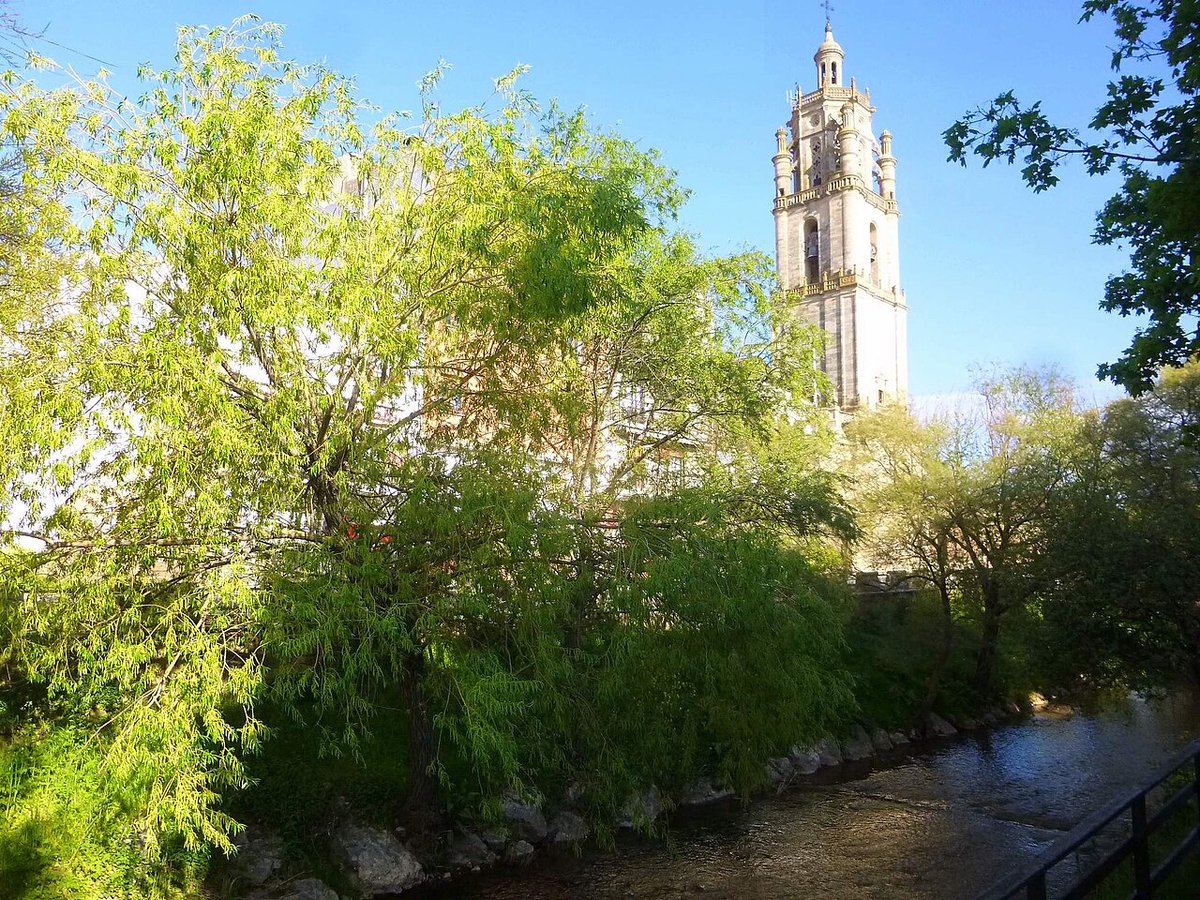
At the centre stands the church of the Asunción, its restrained bell tower visible from most streets. Around it gather houses with thick walls, iron balconies and wooden doors darkened by time. Walking through Marañón means slowing down. A short street bends, a cat slips through a half-open doorway, and the sound of bells carries further than expected in a place with barely fifty inhabitants.
Stone streets and small details
The village centre can be covered in minutes, though it rewards an unhurried pace. Some façades still display carved stone coats of arms, while others have small windows looking out towards the valley. Deep eaves extend over the walls, built with winter rain and snow in mind.
By mid-morning, there is usually little movement. A parked car here, a shutter opening there. More often than not, the wind in the trees is louder than anything else.
The sense of scale remains constant. Streets are short, distances minimal, and yet the place does not feel rushed. Each corner seems to hold onto its own rhythm, shaped by weather and routine rather than visitors.
Paths leading towards the Ega valley
Beyond the village, agricultural tracks open out into the wider landscape of Tierra Estella. The terrain rolls gently, and its colours shift with the seasons. In spring, the grass turns vivid green and red poppies appear in patches. In autumn, the tones soften, and the air carries the scent of damp leaves.
Among the fields stand oak trees and the occasional denser patch of woodland. The paths are not always signposted, though many lead down towards the Ega valley or trace the edges of old plots marked by dry stone walls.
After a short walk, small details begin to stand out. A spring of cold water beside a stone washhouse. Tractor tracks pressed into damp soil. The sound of a bird hidden somewhere in the hedges.
The landscape does not announce itself loudly. It unfolds gradually, in textures and subtle changes, rather than in dramatic viewpoints.
A brief stop along the way
A couple of hours are enough to get a sense of Marañón. A simple plan works well: first wander the streets around the church, then head out along one of the agricultural paths that begin at the edges of the village. Within minutes, the view opens onto the valley.
These paths are still used for farming, so it is worth keeping access clear and avoiding blocking entrances with a car.
Marañón fits naturally as a quiet stop within a wider route through Tierra Estella. It is not a place designed around visitors, and that is part of its character.
Before setting off
Marañón is very small and does not operate as a destination with visitor-focused services. Shops are not always open, and bringing water is a sensible idea if planning to walk.
Summer can be dry, with the sun falling directly on the fields and little shade once outside the village. In winter, the cold is noticeable, especially when wind arrives from the nearby sierra. Spring and autumn tend to be the most comfortable times for walking in the area, when the fields shift in colour and the air still invites movement.
The pace here is steady and understated. Light moves across the stone, wind passes through the trees, and occasionally footsteps echo along a short street. Beyond that, very little interrupts the quiet. Marañón remains closely tied to its surroundings, a place where the landscape and the village continue to shape each other without hurry.