Full Article
about Mendaza
At the foot of the Sierra de Codés; known for the oak tree of the Tres Patas.
Hide article Read full article
A village that doesn’t try to stand out
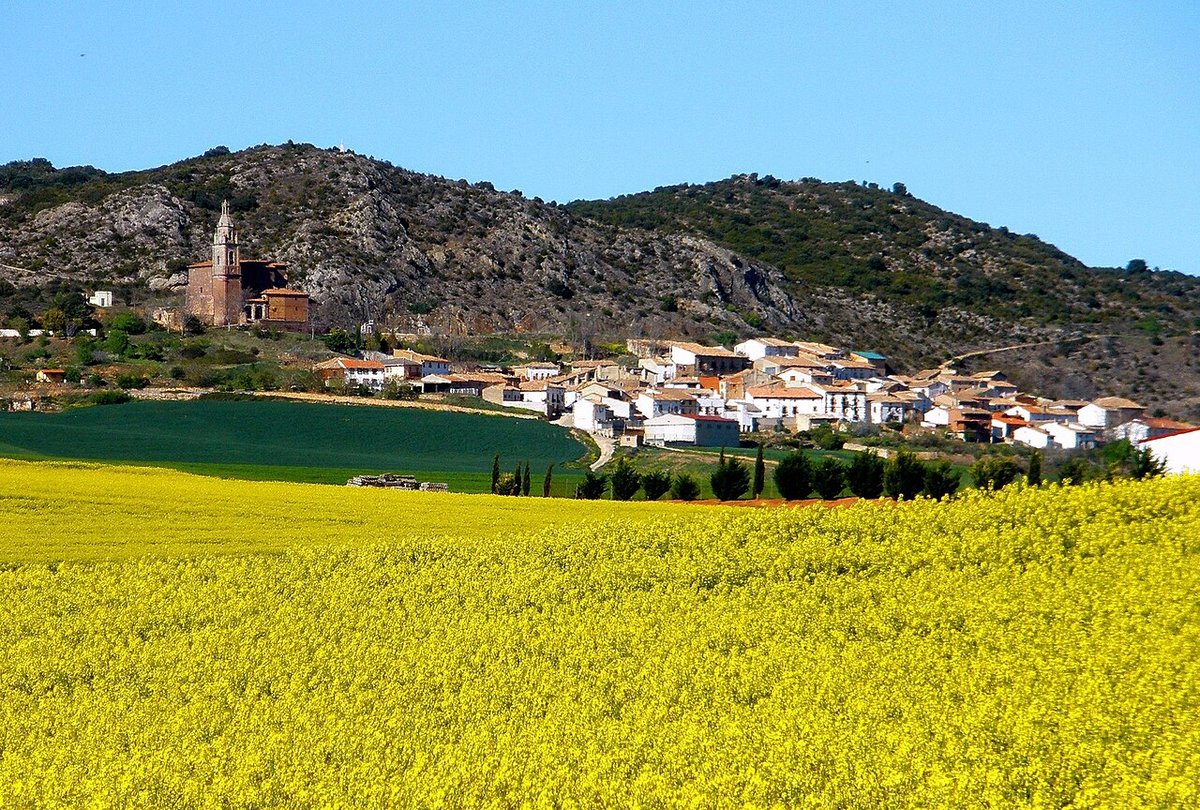
Some places feel like those side roads you take without much thought while driving. They were never part of the plan, yet something makes you slow down and notice the view. Tourism in Mendaza works in a similar way. Set in the region of Tierra Estella, this small village appears without fanfare, no bold signage, no stream of organised tours. Just stone houses, vegetable plots, the occasional tractor moving at its own pace, and the sound of sheep somewhere nearby. Not much on paper, and still more than enough.
With fewer than 300 residents and sitting at around 600 metres above sea level, Mendaza carries the feel of a place where life still revolves around the land. It has not been shaped into a tourist setting. It simply exists as it is.
The rhythm of everyday life
A walk through Mendaza does not take long. Ten or fifteen minutes is enough to understand the size of the village centre. Calle Mayor gathers many of the older houses, some with low doorways and thick walls that hint at a slower way of living. It is common to see restored façades next to others that retain a more worn look, the kind that comes from decades without major change.
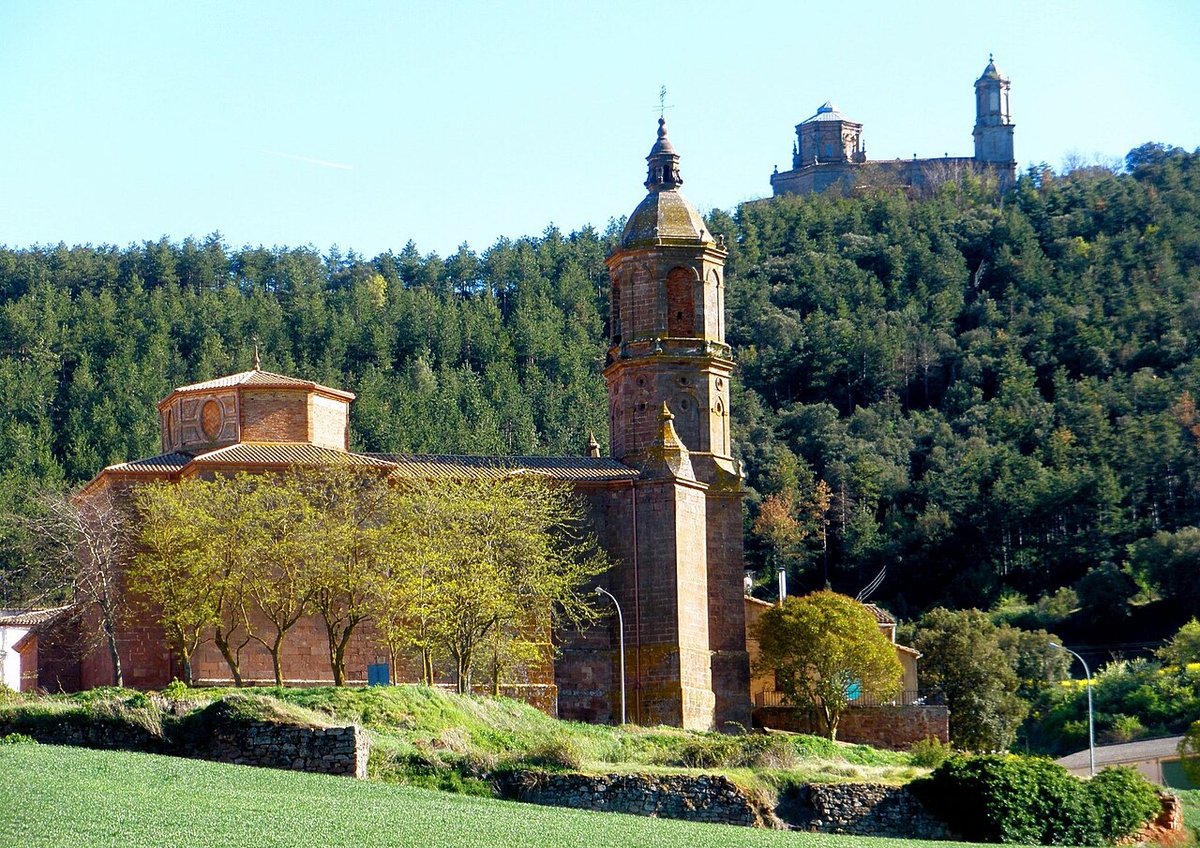
The parish church, dedicated to San Gregorio and built several centuries ago, provides the village’s main visual reference point. Its structure rises above the rooftops and can be seen from most parts of the centre. It is not monumental, yet it plays a familiar role found across Navarra, organising the space around it.
Step beyond the last houses and the fields begin. Wheat, barley, some vines in certain plots, along with small patches of trees. The landscape of Tierra Estella here is gentle, shaped by rounded hills that rise and fall without drama.
Walking the surrounding tracks
There are no large marked trails or frequent information panels here. In truth, they are not really needed.
From the village itself, agricultural tracks lead outwards, connecting nearby areas and neighbouring settlements. These are working paths used by local people tending their land, so it makes sense to stay aware and step aside if a tractor comes through.
The terrain is straightforward, though after rain the ground can become muddy with loose stones underfoot. Nothing technical, but decent footwear makes a difference.
In autumn, the nearby hills attract people in search of mushrooms. This is an area where different species have traditionally been gathered, although it is important to check local rules and any seasonal restrictions. And of course, only if you know what you are picking.
Festivities rooted in the village
The patron saint celebrations dedicated to San Gregorio are usually held in summer. As in many small villages, everything centres around the square, music, and neighbours coming together. There are processions, simple events, and that sense of familiarity where most people know each other.
At other points in the year, there are also romerías, traditional gatherings often linked to the agricultural calendar, especially during the grape harvest period. These are not designed to draw large crowds, but continue as part of local life.
If you happen to be there during one of these occasions, you are likely to see long tables set out with bread, cheese, cured meats, and people talking for hours.
A short stop in Mendaza
If the plan is to stop for a couple of hours, the visit is straightforward. A walk through the village centre, a look at the church, then out along one of the surrounding tracks. It does not take long to gain a bit of elevation and see the patchwork of fields that defines this part of Tierra Estella.
This is not a place built around a single highlight. The experience is more about walking, looking around, and understanding how this agricultural landscape works.
With a little more time, those same paths can lead further out towards old threshing floors or more open farming areas. There are no interpretation centres or museums waiting at the end. What matters here is seeing the land as it is used today.
Before you go
In a village of this size, daily rhythms are quiet and services can be limited. Around midday, things tend to slow down even more, and it is normal to find very little open.
If you plan to walk in the surrounding area, bring water and check the weather in advance. After heavy rain, some paths can become difficult with thick mud.
One more thing worth keeping in mind: respect the farmland. Many of the tracks pass alongside active fields, and this is still a working environment for the people who live here.
What stays with you
Mendaza does not aim to impress. Its interest lies in small details, the stone walls dividing plots, the stillness of mid-afternoon, or the distant sound of a dog barking.
Anyone expecting major landmarks or a long list of attractions may find it limited. For those willing to pause in a village of Tierra Estella where life remains closely tied to the land, Mendaza offers something quieter, and perhaps more grounded.