Full Article
about Metauten
Allín Valley; home to the Truffle Museum and a key area for this fungus.
Ocultar artículo Leer artículo completo
The stone houses appear suddenly after a series of switchbacks, their terracotta roofs catching the morning light at 600 metres above sea level. Metauten sits where the Ega valley narrows, its streets just wide enough for the occasional tractor and the daily bread van that toots its arrival at precisely 10:30. This isn't a village that announces itself—it's one you notice when the road levels out and the air carries that particular mountain crispness that makes British lungs remember what proper oxygen feels like.
The Slow Reveal
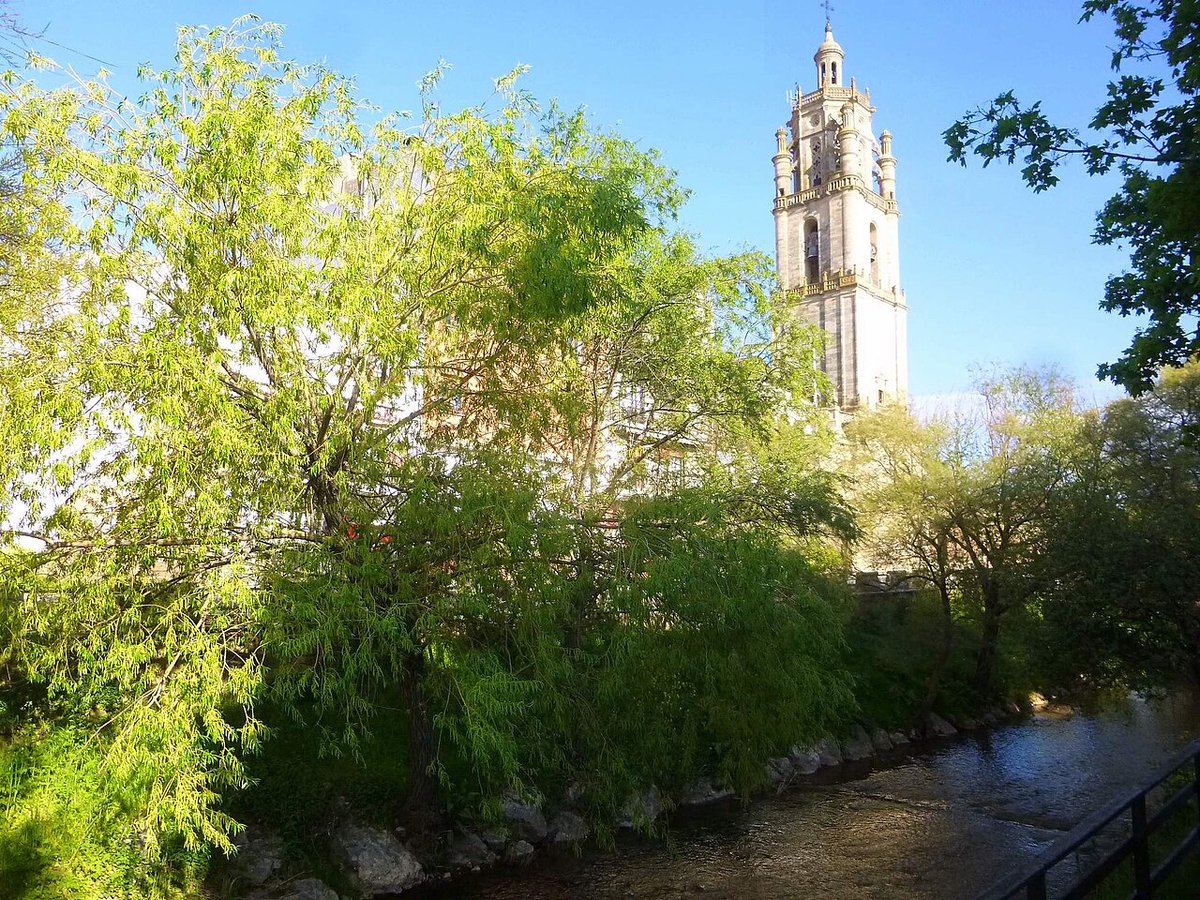
At first glance, Metauten seems almost too straightforward. The parish church dominates the small plaza, its bell tower the tallest thing for miles unless you count the wheat silos on the edge of town. But spend twenty minutes walking the grid of streets and patterns emerge: stone archways that frame views of the Sierra de Lokiz, iron balconies where geraniums survive longer than they should at this altitude, and doorways marked with family crests that date back to when this was a stop on the pilgrimage route to Santiago.
The village measures barely a kilometre from end to end, yet the builders knew their craft. Houses face south when possible, catching winter sun that struggles over the northern ridges. Walls are thick enough to keep interiors cool during July's 30-degree days, though you'll still want to retreat indoors between two and four o'clock when the sun hits with the intensity that comes from being closer to it. At 600 metres, you're high enough that evenings require a jumper even in August, and winter mornings often start with frost that doesn't burn off until the church bell strikes eleven.
Working with the Landscape
Step beyond the last houses and the terrain makes its intentions clear. This is cereal country—wheat and barley fields patchwork across rolling hills that rise another 200 metres before hitting the first proper peaks of Navarra's pre-Pyrenees. The paths aren't marked with the yellow arrows of the Camino de Santiago here; instead they're the working routes that farmers have used for generations, wide enough for a tractor but equally suitable for walking boots.
The geography creates its own weather systems. Morning mist pools in the valley below, often burning off by eleven to reveal views that stretch thirty miles on clear days. Afternoon clouds build against the southern slopes, sometimes dropping sudden showers that send walkers scrambling for the stone shelters built into field boundaries. In winter, the village can be cut off for days when snow drifts across the NA-132, the main road that winds up from Estella-Lizarra. Locals keep supplies in—bread freezes well, and the village shop doubles its order when forecasts predict the white stuff.
Spring brings the most reliable walking weather, though you'll share the paths with farmers on quad bikes checking lambing ewes. The fields turn from winter brown to vivid green almost overnight, a transformation that happens earlier here than in the higher Pyrenees but later than Pamplona's plains forty kilometres south. Autumn delivers crisp days and the harvest traffic—combine harvesters that seem impossibly wide for these roads, creating temporary jams that nobody minds because, well, where exactly are you rushing to?
The Reality of Mountain Village Life
Here's what the tourism websites won't mention: Metauten has one proper restaurant, La Ventana de Lokiz, and it closes on Tuesdays. The bar opens at 7am for coffee and serves drinks until the last customer leaves, but don't expect a menu—today's offering might be chorizo stew or might be nothing if the cook's daughter is sick. The village shop stocks basics but closes for siesta from 1:30 to 5:00, and if you need cash, the nearest ATM is a twenty-minute drive back down to Estella.
These aren't complaints—they're simply the rhythm of a place where 500 people maintain a way of life that predates cheap flights and weekend breaks. The bakery van that circles the streets each morning also serves as mobile news service: María's daughter got into university, the García's olives yielded better than expected, someone's buying the empty house on Calle Mayor. Information travels at walking pace here, which turns out to be exactly the right speed.
Making It Work
The smart approach involves treating Metauten as what it is: a perfectly positioned base for exploring southern Navarra rather than a destination in itself. Stay two nights, maximum three, and plan day trips that return for evening drinks in the plaza where the church facade glows orange in the setting sun. Estella-Lizarra's Romanesque bridges and proper restaurants lie fifteen minutes down the road. The monastery of Iranzu, tucked into an even higher valley, makes a brilliant morning excursion before the heat builds. Logroño's tapas bars await forty-five minutes north—close enough for dinner, far enough that you'll appreciate Metauten's silence on your return.
Pack for mountain weather even in July: morning mist can linger until ten, and afternoon storms build quickly when hot air rises from the Ebro valley. Good boots matter—these paths are maintained for agricultural use, not tourism, so expect mud after rain and dust during the long dry spells that can stretch from May to October. Bring a Spanish phrasebook; English speakers are thin on the ground here, though the locals' patience with stumbling attempts at their language seems unlimited.
The village's single accommodation option, a converted farmhouse on the eastern edge, books up early for September's harvest season and the week leading to Santiago's feast day in July. Outside these periods, you can usually find space with a day's notice, though weekend rates apply Friday to Sunday regardless of season. The owners, descendants of the family that built the place in 1780, provide keys to the side gate so you can return after midnight without waking their dogs—a small kindness that speaks volumes about how things work here.
The Truth About Altitude
At 600 metres, Metauten sits in that sweet spot where the air thins just enough to make the first glass of wine hit differently, but not so high that altitude headaches ruin your holiday. The climate delivers four proper seasons—something increasingly rare in southern Europe—with winter temperatures that can drop to -5°C and summer peaks that rarely exceed 32°C. It's this moderation that keeps the village viable year-round; the elderly residents who've spent eighty-odd winters here swear the mountain air adds a decade to your life, though they also admit it makes climbing the church steps feel like ascending Ben Nevis after Sunday lunch.
The light changes constantly throughout the day, something photographers notice immediately. Dawn illuminates the eastern slopes in soft pink that gradually reveals the patchwork of fields. Midday sun bleaches colour from the landscape, sending sensible visitors indoors for the long Spanish lunch. But late afternoon transforms everything—the cereal stubble turns golden, the stone walls glow warm, and shadows stretch across the valley in ways that make you understand why painters kept returning to these hills.
Evening brings the mountain silence that city dwellers find unsettling at first. No traffic hum, no aircraft overhead, just the occasional dog bark and the church bell marking time as it has since 1743. Sit long enough in the plaza and you'll hear the real soundtrack: wheat stalks rustling in breeze that rises as the ground cools, distant sheep bells from a flock you can't see, and somewhere below, the Ega river running over stones where Roman legions once filled their water skins.
Metauten doesn't offer Instagram moments or bucket-list experiences. Instead it provides something increasingly valuable: proof that places still exist where time moves at human speed, where lunch is the day's main event, and where the mountains remind you daily that you're just passing through. Come for the walking, stay for the education in how Spanish village life actually works when nobody's watching. Just remember to check the restaurant's open before you arrive hungry—mountain air makes British appetites seem positively continental.