Full Article
about Mirafuentes
Small village in the Berrueza valley; quiet, farming surroundings
Ocultar artículo Leer artículo completo
The cereal fields around Mirafuentes start talking at dawn. Not in any mystical sense – it's the wind moving through waist-high wheat, the dry rustle of barley heads, and the occasional call of a calandra lark rising from the stony soil. Stand on the village's single main street at 6:30 am and you'll hear it clearly, because there's nothing else competing for attention. No café machinery, no delivery vans, not even a barking dog. Just 62 residents and the sound of northern Navarra waking up.
At 647 metres above sea level, Mirafuentes sits high enough to escape the worst of the Ebro valley's summer heat, but not so high that winter closes in completely. The altitude matters here. It means the air carries a sharp edge on February mornings when frost feathers the terracotta roof tiles. It means July evenings cool fast enough that locals still light small wood fires, the smoke drifting across stone walls warmed all day by the sun. And it means that when you walk the farm tracks heading north, you're climbing gradually towards the Sierra de Codes, gaining views that stretch across Tierra Estella's patchwork of smallholdings and olive groves.
The Village That Isn't Trying to Impress
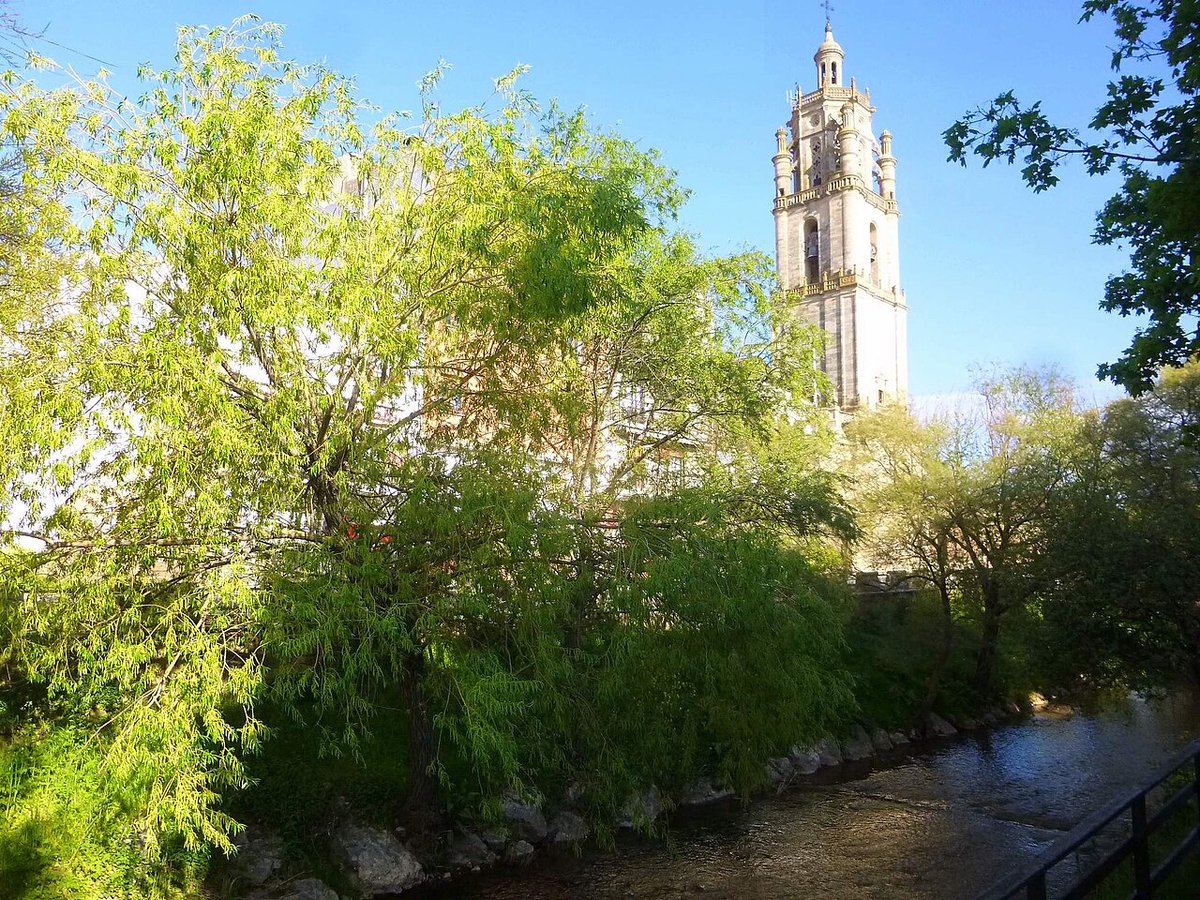
There's no medieval gateway, no heraldic crest carved above a grand entrance. Mirafuentes simply starts when the asphalt narrows and the houses grow closer together. The church bell tower – a straightforward rectangle of stone with two arched openings – serves as orientation point rather than architectural highlight. Houses are the colour of local earth: ochre, rust, dusty yellow. Rooflines sag slightly under the weight of centuries. Some facades have been cement-rendered in the 1970s and are now fading back towards stone grey. It's honest, unselfconscious building, the kind that makes conservationists twitchy but tells the real story of rural Spain adapting through decades of limited money and maximum practicality.
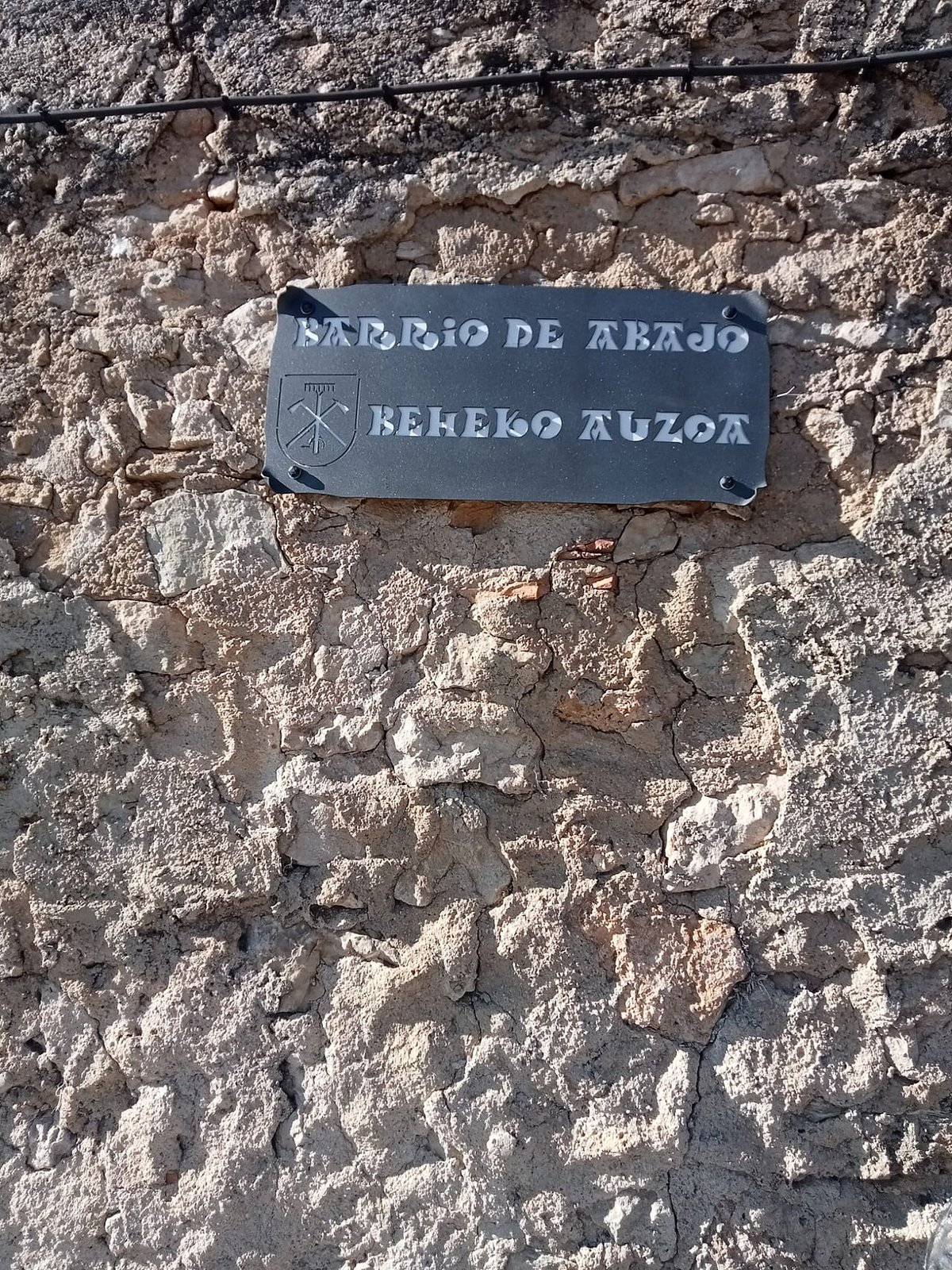
Walking the streets takes twenty minutes if you dawdle. Longer if you stop to read the hand-painted tiles beside doorways – family names, house numbers, occasionally a date. 1783 on one lintel, 1924 on another. The tiles are recent additions, part of a local initiative to mark heritage, but they sit comfortably against the older stone. Children from the primary school in nearby Villamayor de Monjardín painted some of them. Their artwork isn't gallery quality, but it's more interesting than another polished steel interpretation panel.
Tracks Through the Grain
The real territory begins where the tarmac ends. Farm tracks radiate outwards, wide enough for a tractor and following the contours of low hills. They're public rights of way, though you'd need local knowledge to be certain which ones peter out into private yards after two kilometres. A basic Ordnance Survey-style map helps – the Spanish IGN series at 1:25,000 covers this area, or download the free Mapas de España app before leaving Pamplona. Phone signal is patchy once you drop into the shallow valleys.
Spring brings the best walking. From late April the wheat is soft green, poppies splash red along field margins, and the air carries enough moisture to keep dust down. Temperatures sit comfortably in the high teens – jumper weather for British legs, though Spanish farmers are already in shirt sleeves. The track heading north-east towards Oteiza passes through three small vineyards where the owners still train grapes low to the ground, old-style, rather than on the wire frames common in Rioja further south. Stop at the junction with the ruined stone hut just before the electricity pylons. From here you can see Mirafuentes as a single cluster of roofs, no bigger than a medium-sized UK farmstead, surrounded by its own private ocean of cereal.
Autumn shifts the palette to gold and rust. Harvest finishes by early September, leaving stubble fields that attract flocks of skylarks and the occasional roaming partridge. The light turns amber earlier each afternoon, ideal for photography if you can catch the moment when sun backlights a line of threshing machines heading home along the ridge track. Winter walks are possible – snow rarely lies for more than a day at this altitude – but the wind cuts across open ground without hedgerows to break it. Bring a proper coat, not just a fleece.
What You'll Eat (and Where You Won't)
There is no village shop. No bakery, no Saturday morning market stall. The last grocery closed in 2008 when the owner retired and no-one took over. Planning assumes visitors arrive with boots, water, and at minimum a packet of biscuits. For anything more substantial, drive eight kilometres south to Estella, where the Supermercado Eroski stocks local Idiazabal cheese and decent rioja at prices that make British supermarkets look profiteering. The bakery on Estella's Calle Curtidores sells still-warm baguettes from 7 am – buy two, because the village lunch options are limited.
If you're staying overnight, the nearest accommodation is in Villamayor de Monjardín: the Hostal La Cruz has doubles from €55 including breakfast, and they'll pack a sandwich if you ask the night before. Otherwise it's back to Estella, where Hotel Yerri (rooms from €70) has underground parking and a restaurant serving river trout with local piquillo peppers. Don't expect Mirafuentes to feed you. Do expect to eat well once you travel ten minutes down the road.
The Honest Season
Visit in May and you'll photograph green wheat against blue sky, then wonder why the village feels empty. It is empty – most residents are out in the fields from dawn to dusk, and the handful of retired men sitting on the bench beside the church won't provide much atmosphere. August weekends bring grandchildren visiting from Pamplona, which means occasional footballs bouncing off stone walls and at least one teenager playing reggaeton from a phone speaker. October weekday afternoons are probably the sweet spot: harvest done, temperatures mild, enough people around to nod good afternoon but not so many that cars queue along the main street.
Winter has its own rewards if you come prepared. Frost silver-plates the terracotta, wood smoke scents the air, and on clear days the Pyrenees show white on the northern horizon. But daylight is short – the sun drops behind the Sierra de Lokiz before 5 pm – and the single bar in neighbouring Villamayor closes at 9 pm sharp. This isn't a cosy Cotswolds village with roaring pub fires. It's a working agricultural settlement that happens to be old and beautiful, but doesn't organise itself around visitor comfort.
Getting Here, Getting Out
From the UK, fly to Bilbao (EasyJet from Bristol, Manchester, London; BA from Heathrow). Hire car at the airport – the drive to Mirafuentes takes 90 minutes via the AP-68 and A-12, tolls around €15 total. Alternative route via Biarritz adds thirty minutes but can be cheaper if flights work. Don't rely on public transport: there's one daily bus from Pamplona to Estella, then nothing onwards on Sundays. A taxi from Estella costs €20 each way – fine for a day trip, unsustainable for longer stays.
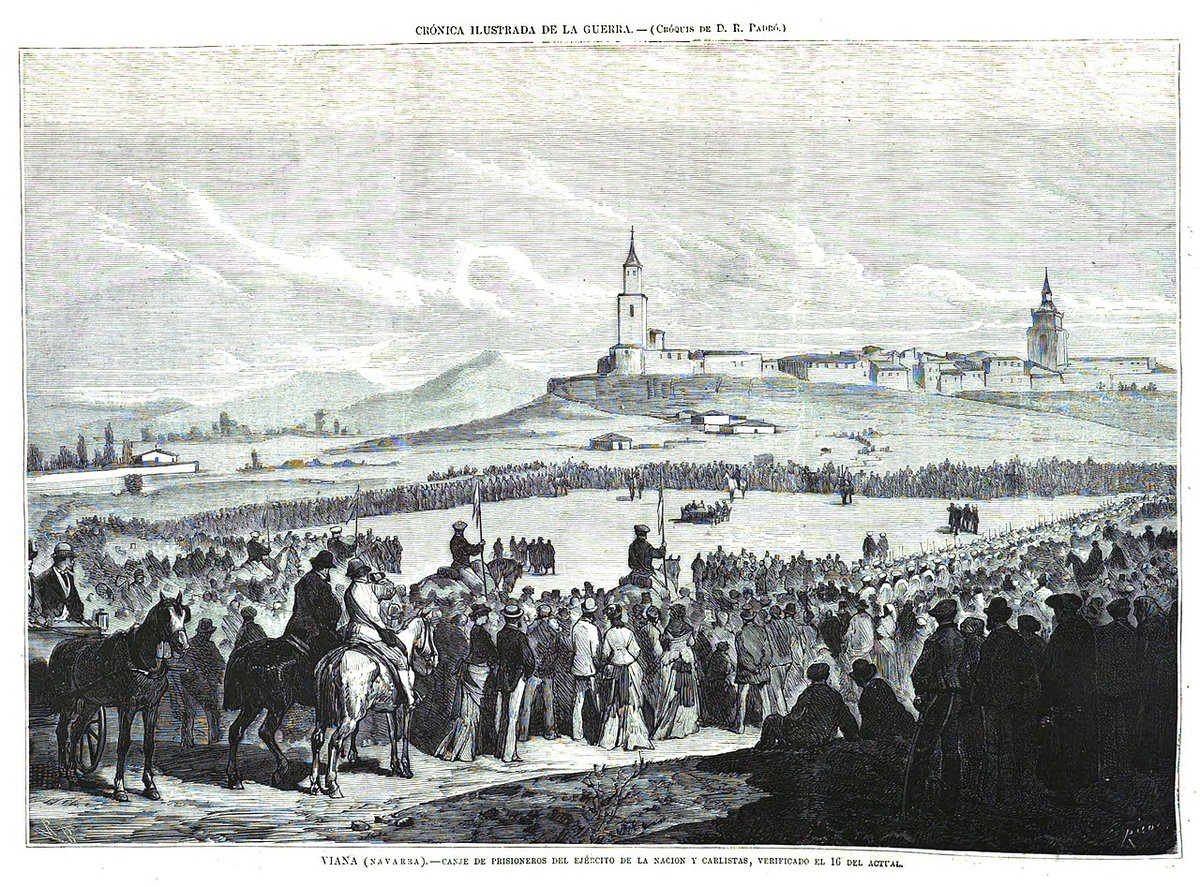
Leave time for the journey back. The N-111 towards Logroño passes through Torres del Río, where the 12th-century octagonal church is worth a twenty-minute stop, and Viana, whose main square serves decent coffee at half the price of Bilbao airport. Mirafuentes itself doesn't demand long hours, but it sits in countryside that rewards slow looking. The wheat changes colour weekly. The light shifts hourly. And the silence, once you've adjusted to it, starts to sound like something rather rare.