Full Article
about Murieta
Town on the Ega plain with an old train station; crossroads and greenway.
Ocultar artículo Leer artículo completo
The church bell strikes noon as a tractor rumbles through Murieta's single main street, its driver raising two fingers from the steering wheel in greeting to nobody in particular. This is everyday theatre in a village where 346 residents have plenty of space to breathe—466 metres above sea level, surrounded by a patchwork of cereal fields and vineyards that stretch towards the distant silhouette of the Basque mountains.
Murieta doesn't announce itself with fanfare. There's no medieval gateway or dramatic plaza mayor to mark your arrival. Instead, stone houses cluster along gentle slopes, their weathered facents revealing centuries of agricultural life. The village sits in Tierra Estrella, Navarra's western edge where the Camino de Santiago passes through nearby Estella, yet most pilgrims speed past on their way to more celebrated stops. Their loss.
Stone, Soil and Century-Old Stories
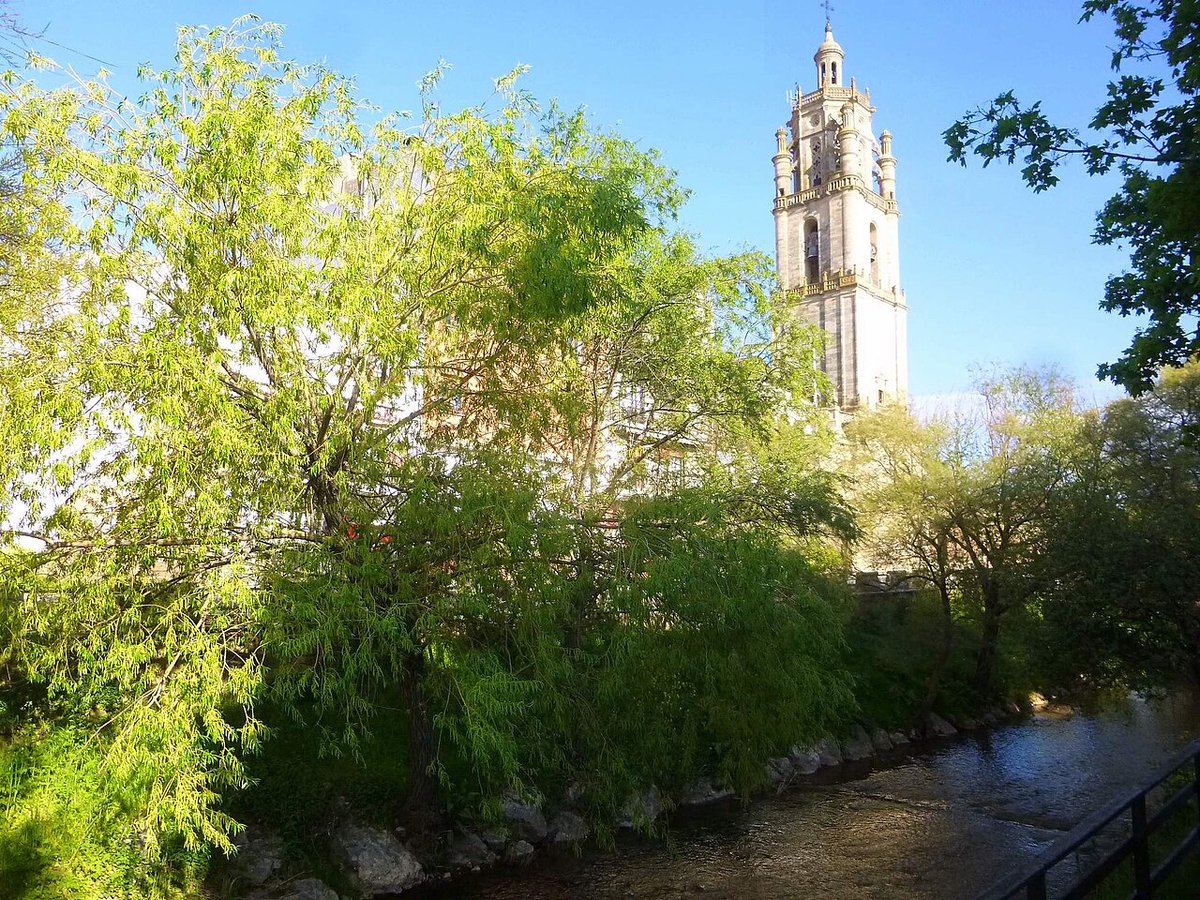
The parish church anchors the village centre, its solid presence speaking to Murieta's role as a farming community rather than a religious centre. Step inside if the heavy wooden door yields—interiors reveal how village faith adapts to shrinking congregations, with simple decorations replacing baroque excess. The building's proportions tell their own story: substantial enough to serve 500 souls, though Sunday mornings now see far fewer occupying its pews.
Wandering reveals details missed at driving speed. Look up from the narrow lanes to spot carved stone coats of arms, some dating to the 17th century when local families prospered from wheat and wool. Others mark more recent prosperity—the 1920s brought phylloxera-resistant vines that transformed the landscape into today's geometric patterns of trellised vines. Between houses, glimpse alleyways barely shoulder-width that once channelled sheep towards winter pastures.
The village architecture speaks of practicality over grandeur. Thick stone walls moderate summer heat, while south-facing balconies catch winter sun. Wooden balconies sag gracefully under terracotta tiles, their paint peeling in a manner that would horrify estate agents but delights photographers seeking authentic patina. No gift shops sell postcards of these views. They remain what they always were: someone's home, someone's daily view.
Walking Through the Agricultural Calendar
Murieta's surroundings shift dramatically with seasons, making timing crucial for visitors. Spring arrives tentatively in March, when almond trees scattered among vineyards burst into brief white bloom. By late April, wheat fields glow emerald against red soil, creating colour combinations that explain why local artists set up easels along country lanes. The village sits at the transition between Navarra's humid north and arid south—morning mists often lift to reveal crystal-clear views across thirty kilometres of rolling farmland.
Summer demands strategy. With minimal shade along rural tracks, walking becomes unpleasant between 11 am and 5 pm. Early risers catch dew-heavy spider webs strung between vine posts, while evening walkers share lanes with tractors returning from late harvests. The compensation comes in September's transformation: vineyards turn bronze and amber, while the air carries the sweet scent of crushed grapes from the cooperative winery on the village edge.
Autumn proves ideal for exploration. October's gentle temperatures suit longer walks, following the network of agricultural tracks that link Murieta with neighbouring villages. A circular route south towards Villamayor de Monjardín covers six kilometres through ancient olive groves and past abandoned farmhouses slowly surrendering to ivy and time. These paths require proper footwear—Navarra's autumn rains turn clay soil into something resembling chocolate mousse within minutes.
Winter brings its own stark beauty but limits options. When Atlantic storms sweep across these western plains, Murieta offers little shelter beyond its single bar. January and February see villagers clustered around wood-burning stoves, discussing rainfall statistics with the intensity others reserve for football scores. Visitors arriving during these months should plan short stops, linking Murieta with indoor attractions in Estella or the monasteries of Irache and Iranzu.
Local Flavours and Basque Influences
The village's single bar, centrally located near the church, opens early for farmers needing coffee before vineyard work. Morning conversations mix Spanish with Basque, reflecting Navarra's cultural position between two worlds. Order coffee and you'll likely receive a complimentary pinchos—these might feature local chorizo or perhaps anchovies from coastal villages two hours north, demonstrating how landlocked Murieta maintains maritime connections through trade routes established centuries ago.
Local menus feature what grows nearby: artichokes appear in spring, followed by piquillo peppers roasted over vine cuttings. Lamb grazes on surrounding hillsides, while the Ega river valley provides excellent asparagus. Wine lists inevitably favour Navarra's garnacha blends, though increasingly local vintages compete with Rioja's dominance. The cooperative winery offers tastings by arrangement—call ahead as visits depend on harvest schedules and available volunteers.
For proper meals, Estella provides more choice ten minutes' drive away. The Michelin-listed restaurant in the Parador serves updated versions of traditional dishes, while family-run asadores in the old quarter offer simpler fare at half the price. Murieta itself sustains no restaurants—the village bar serves basic raciones, but eating here means accepting whatever Maria decides to cook that day.
Practical Notes for the Curious
Reaching Murieta requires wheels. Public transport serves Estella regularly from Pamplona, but local buses to Murieta run twice daily on schooldays only. Driving from Bilbao takes 90 minutes via the A1 and NA-132, while Pamplona lies 45 minutes east on the A12. Parking presents no challenges—spaces abound near the church and along the main street, though Saturday mornings fill with villagers' cars during weekly shopping trips.
Accommodation options remain limited. The village supports no hotels, though rooms in family homes sometimes appear on Spanish rental sites—book well ahead during local festivals. Estella offers better choices, from the converted monastery Parador to simple pensiones charging €45 per night. Many visitors base themselves in Estella, combining Murieta with nearby villages like Los Arcos or Torres del Río, each offering different architectural styles within twenty minutes' drive.
Timing visits around local events rewards the organised. Late August's fiesta transforms the village into a three-day celebration culminating in running young bulls through narrow streets—a scaled-down version of Pamplona's famous encierro without the crowds and commercialisation. Early December's matanza sees families gathering for traditional pig slaughter, though tourists rarely witness these private events. The agricultural fair each May displays local produce and handicrafts, providing authentic interaction with residents proud of their rural heritage.
Murieta won't overwhelm with attractions or exhaust with activities. Instead, it offers something increasingly rare: a Spanish village where daily life continues regardless of tourist presence, where stone walls and agricultural rhythms create their own quiet drama. Come prepared to observe rather than consume, to walk slowly and look carefully. The reward lies in discovering how centuries of farming families have shaped—and been shaped by—these particular hills, these specific vines, this exact corner of Navarra where Spain quietly meets Basque Country without fuss or announcement.