Orbiting Carbon Observatory (OCO)-2.jpg
NASA/JPL-Caltech · Public domain
Navarra · Kingdom of Diversity

Oco

The thermometer drops eight degrees between Estella and Oco. One moment you’re sweating in the valley floor, the next you’ve wound 550 m up a narro...

65 inhabitants · INE 2025
503m Altitude

Why Visit

Church of San Millán Walks

Best Time to Visit

summer

San Millán Festival (August) agosto

Things to See & Do
in Oco

Heritage

  • Church of San Millán
  • Hermitage of San Bartolomé

Activities

  • Walks
  • Cycling

Festivals
& & Traditions

Fecha agosto

Fiestas de San Millán (agosto)

Las fiestas locales son el momento perfecto para vivir la autenticidad de Oco.

Full Article
about Oco

Small farming village in the Ega valley; quiet rural scenery

Ocultar artículo Leer artículo completo

The thermometer drops eight degrees between Estella and Oco. One moment you’re sweating in the valley floor, the next you’ve wound 550 m up a narrow lane and the air carries the thin, sharp scent of dry straw. That scent is the first hint that you’ve left the Rio Ega behind and entered the high cereal plateau of Tierra Estella, a landscape that looks more Castilian than Basque yet still belongs, just, to Navarra.

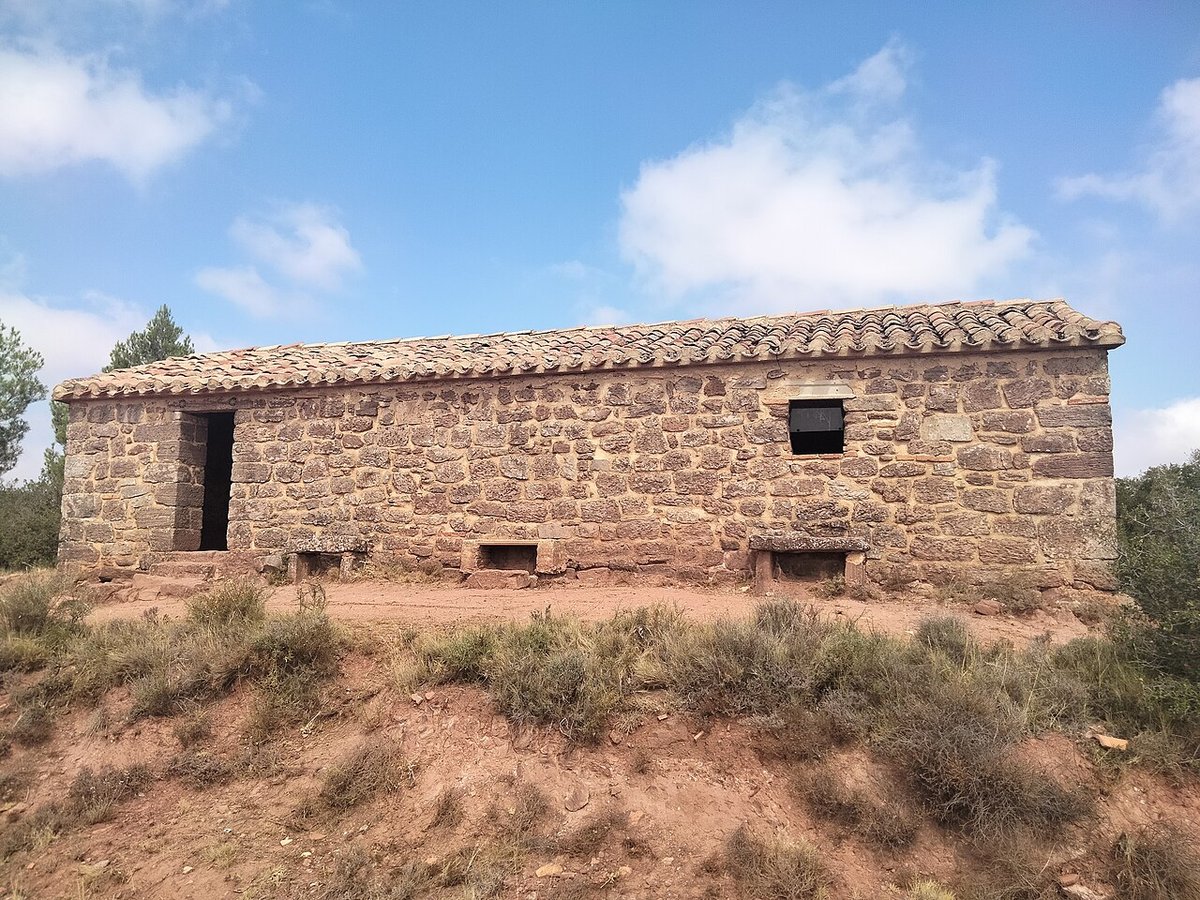
Oco crowns a low ridge like a watchman who has nothing left to watch except his own fields. The village is tiny – barely thirty houses – and the only traffic jam you’ll meet is a single tractor reversing into a stone barn. There is no centre as such, just a gentle crest where the church squints over red-tiled roofs. Park on the grit patch by the cemetery; the streets beyond are shoulder-wide and the neighbours do not appreciate wing-mirror diplomacy.

A half-hour loop that asks for an hour

Start with the Iglesia de la Asunción. The door is usually unlocked between ten and noon; if it isn’t, ask at number 17 – the sacristan lives opposite his vegetable plot and keeps the key tucked behind a flowerpot. Inside, the nave is a patchwork of sixteenth-century stone, nineteenth-century stucco and 1970s wiring. The main retablo is a sober Baroque piece salvaged from a suppressed monastery in the 1830s; look for the tiny painted snails edging the columns, a reminder that even theology had to acknowledge the local harvest. Light is poor, so let your eyes adjust rather than resorting to the phone torch – the stone absorbs glare and the colours only emerge slowly: dull carmine, river-mud ochre, a flake of gold leaf that catches the draught each time the door moves.

From the church door you can walk the entire village in a figure-of-eight. Head north past the old bread-oven (bricked up 1978, date still chalked on the plank) and you reach the only genuine blazon in Oco: a seventeenth-century house whose coat of arms shows a sheaf of wheat and a sword, the family’s compromise between farming younger sons and sword-wielding elder ones. The lane then peters into a farmyard where three brown dogs will bark with theatrical menace; keep to the left of the water trough and you’ll pick up the farm track that circles the settlement.

The track is fringed with dry-stone walls fat enough to sit on. In late April they are topped with poppies the colour of pillar-boxes; by July the same stalks stand skeletal and grey, rattling like old coins. Ten minutes of gentle climbing brings you to the ridge’s southern lip. From here the land falls away in enormous smooth waves, each field a different shade of biscuit or green depending on whether the farmer has planted wheat, barley or left a fallow strip for the stubble-burning season. You can see the white houses of Los Arcos 12 km south-west; on a very clear day the aluminium roofs of Logroño’s industrial estate flash 40 km beyond that. The wind arrives unimpeded and can knock a hat off; bring a jacket even in June.

Turn west and the path drops into a shallow barranco where elms and poplars survive on field runoff. This is the closest Oco comes to a park bench: a flat boulder beside a dried spring where shepherds once filled their canteens. Sit, listen. The grain makes a constant shushing sound, like someone turning pages too quickly. You may hear a combine harvester, but you won’t see it – the machines work the far side of the slope and sound carries strangely here, bouncing off heat thermals.

Lunch is what you carry

There is no bar, no shop, no seasonal kiosk selling artisan crispbread. The last bakery closed when the owner’s grandson took a job in Pamplona’s bus station; the nearest coffee is 9 km away in Villamayor de Monjardín. Pack water (more than you think) and whatever passes for lunch: local custom favours a thick tortilla slice wrapped in foil and a wedge of Idiazabal that can survive the heat. Eat in the shade of the church porch; the stone stays cool until after two o’clock and the steps are wide enough to stretch your legs without blocking the occasional worshipper.

If you need supplies, Estella has supermarkets and a Friday market. Fill up there before you climb – fuel stations are scarce once you leave the A-12, and the village pump is for irrigation only.

When to come, when to stay away

Spring is generous. From mid-April the plateau greens overnight and the first poppies appear with indecent haste. Temperatures sit in the high teens, perfect for walking, and night frosts have usually retreated to the shaded hollows. By late May the wheat is knee-high and the air smells of stalk sap; larks dive-bomb the track, scolding intruders.

Autumn is subtler. The stubble is burned in striped patches, sending up columns of smoke that smell sweet and sharp, like burnt toast and pepper. The light softens to honey, ideal for photographers who don’t mind getting up early – sunrise hits the ridge full-face and turns every roof tile into a copper coin. Rain is possible; if the track turns greasy, retreat rather than skid – the clay here cakes boots and tyres with equal enthusiasm.

Summer is honest-to-goodness hot. Daytime peaks of 35 °C are routine, shade is minimal, and the only sound is cicadas arguing with the combine. Come at dawn if you must: the road up is empty before seven, and you can be back down in the valley by eleven, dusty but not fried. August fiestas last one day – 15 August, Assumption – and the village briefly doubles in population. A single marquee serves calimocho and grilled lamb; dancing starts after the mass and finishes when the generator runs out of petrol. Accommodation is non-existent, so unless you have a cousin in the province, plan to sleep in Estella.

Winter is bleak-beautiful. The plateau turns silver with hoar-frost and the wind carries snow from the Montes de Cantabria 60 km north. Roads are gritted but not often; if the forecast mentions “cierzo” (the local northerly) stay low – drifts form in minutes and the mobile signal dies with the first flake. On calm days, however, the silence is complete, the sort that makes your ears invent noise to fill the gap.

Stitching Oco into something longer

The village makes sense only as a pause. Link it to the nearby stretch of the Camino de Santiago – Villamayor to Los Arcos is a gentle 17 km ridge walk with waymarking and the occasional bar. Alternatively, drive the minor road west to Abárzuza and the Urbasa range; beech woods appear within half an hour and the temperature drops another five degrees. If you’re car-less, Estella’s bus station runs two daily services to Oco, timed for school and pensioners. Miss the 14:05 and you’re spending the night with the wheat.

The honesty clause

Oco will not change your life. It offers no epiphany, no souvenir stall, no Instagram wall. What it does give is a measured lesson in scale: how small humans can be inside an enormous sky, how much history can fit into thirty houses, how quickly silence becomes a sound of its own. Visit, walk the loop, drink your own thermos coffee, leave before the dogs start their evening chorus. And if, months later, you catch the smell of dry straw on a British allotment, do not be surprised if your mind flickers back to a ridge where the grain fields meet the sky and the wind never quite stops.

Key Facts

Region
Navarra
District
Tierra Estella
INE Code
31184
Coast
No
Mountain
No
Season
summer

Livability & Services

Key data for living or remote work

2024
HealthcareHospital 12 km away
EducationElementary school
Housing~5€/m² rent · Affordable
CoastBeach nearby
Sources: INE, CNMC, Ministry of Health, AEMET

Planning Your Visit?

Discover more villages in the Tierra Estella.

View full region →

More villages in Tierra Estella

Traveler Reviews