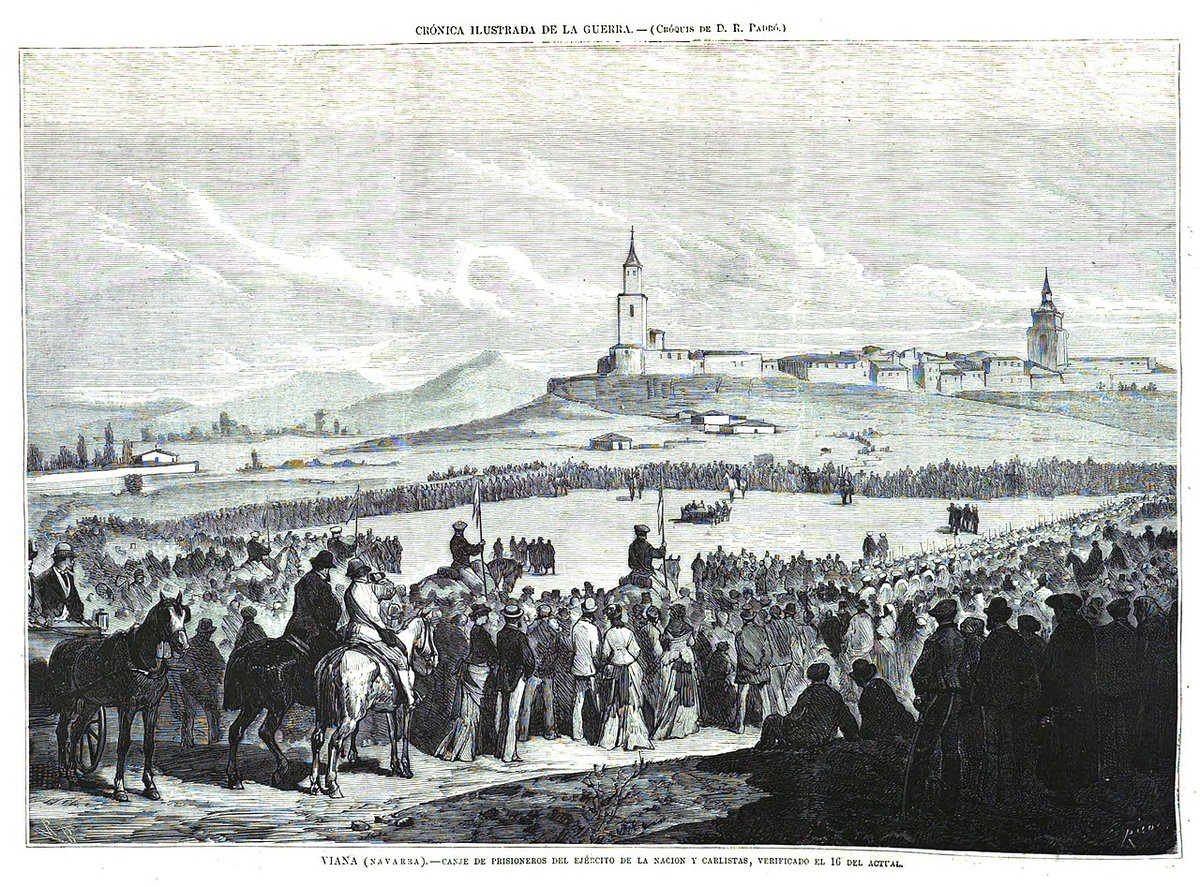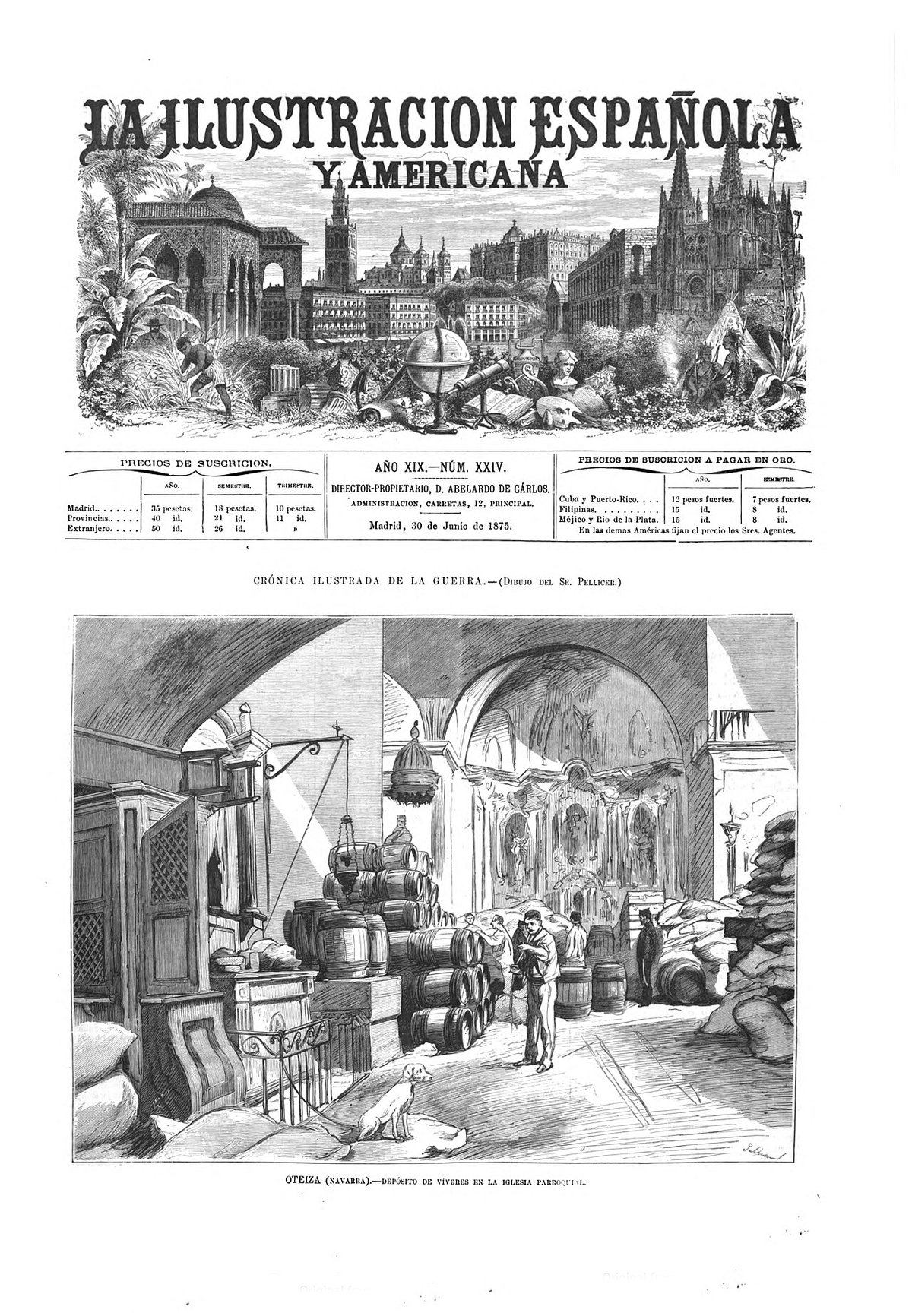
1875-06-30, La Ilustración Española y Americana, Oteiza (Navarra), Depósito de víveres en la iglesia parroquial, Pellicer.jpg
Josep Lluis Pellicer / Bernardo Rico · Public domain
Navarra · Kingdom of Diversity

Oteiza

Five hundred metres up, the air thins just enough to sharpen the light. From Oteiza's single traffic circle you can watch cloud shadows drift acros...

972 inhabitants · INE 2025
512m Altitude

Why Visit

Church of San Miguel MTB trails

Best Time to Visit

summer

San Miguel Festival (August) agosto

Things to See & Do
in Oteiza

Heritage

  • Church of San Miguel
  • Hermitage of Santa Bárbara

Activities

  • MTB trails
  • Basque pelota

Festivals
& & Traditions

Fecha agosto

Fiestas de San Miguel (agosto)

Las fiestas locales son el momento perfecto para vivir la autenticidad de Oteiza.

Full Article
about Oteiza

Farming village on Estella’s sunny slope; birthplace of the Martínez de Irujo pelota dynasty.

Ocultar artículo Leer artículo completo

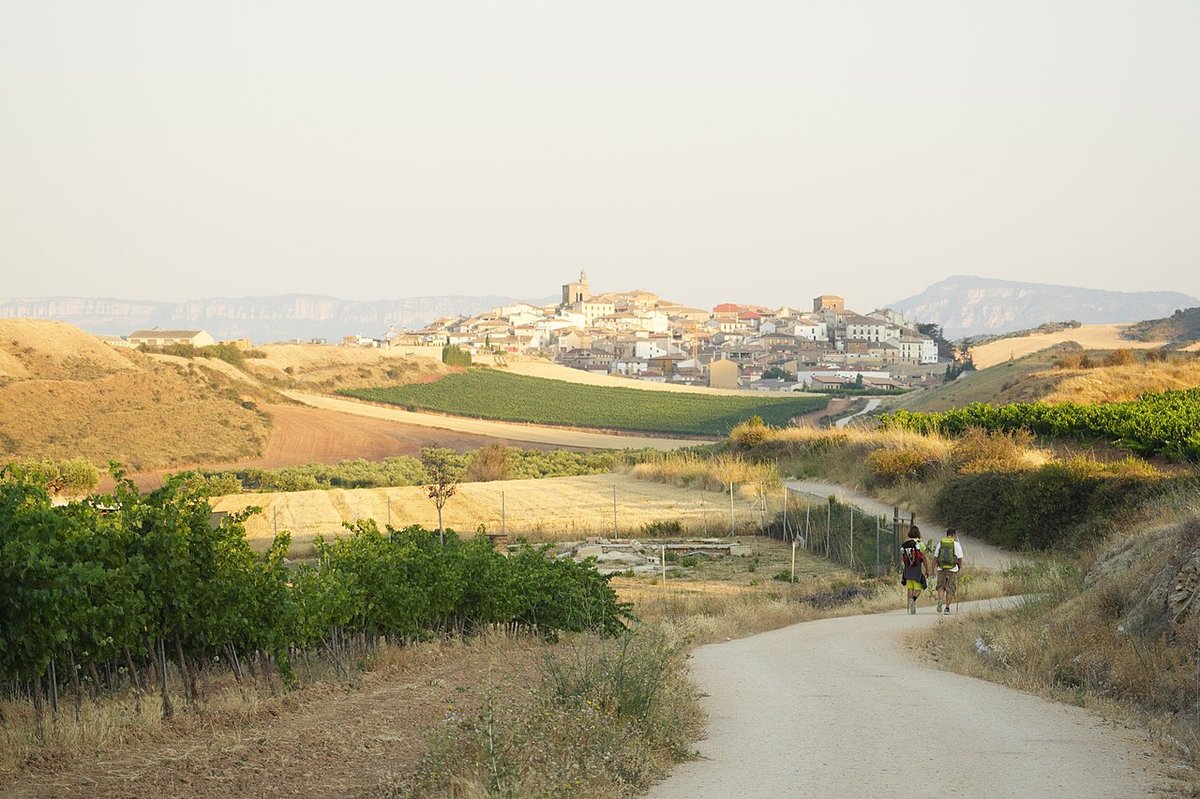
Five hundred metres up, the air thins just enough to sharpen the light. From Oteiza's single traffic circle you can watch cloud shadows drift across cereal terraces that roll south-west until the horizon buckles into the Montejurra ridge. The village itself—barely nine hundred residents—sits on a sandstone shelf scooped out by the Ega River, a position that once mattered for medieval trade and now simply explains why the mobile signal flickers between two bars and none.

Stone, not whitewash, defines the place. Houses grow straight from the bedrock: biscuit-coloured blocks softened by lichen, timber balconies the colour of burnt sugar, the occasional coat of arms chipped by centuries of hail. A five-minute lap of the centre is enough to see it all, yet the reward lies in looking up. Above eye-level you’ll spot 1679 carved beside a family crest, or a tiny Romanesque corbel wedged beneath a modern gutter. The parish church of San Miguel understands the same rule. Its octagonal tower landsmark every street, but the real draw is inside: a gilded Baroque altar whose acanthus leaves still retain the original ochre under all the gold leaf. Doors open only when the caretaker is about—usually mid-morning—so listen for the clang of keys rather than checking for posted hours.

Outside the walls the geography widens fast. Farm tracks radiate like bicycle spokes, wide enough for tractors pulling grain trailers. They double as walking routes: thirty minutes west brings you to the ruins of an old flour mill swallowed by nettles; forty-five minutes east climbs gently to an oak grove where redstarts flit between the limbs. These are not signed hiking trails—just working paths—so expect the scrape of thistle against denim and the occasional loose Alsatian guarding a barn. Mid-summer walkers should set out before ten; shade is negotiable and the thermometer can brush 36 °C even at this altitude.

The Atlantic weather systems that barrel over the Basque hills lose most of their water before they reach here, which means Oteiza lives in a rain shadow. Annual precipitation is a third of Manchester’s, yet winter can still surprise. January fog pools so thick that the church tower becomes a rumor; when an easterly wind arrives the thermometer can dip to –5 °C and the farm lanes freeze into rutted ice. Snow is rare but memorable—February 2021 brought 18 cm, enough to isolate the village buses for two days. Come April the cereal erupts so fast you can almost hear it grow, and by late May the landscape has turned a luminous green that photographers chase until the barley heads bleach to gold in early July.

Practicalities first: without a car you are essentially marooned. A single Autobús 84 trundles in from Estella three times a week, timing its arrival to coincide with the Thursday market and little else. Hire from Pamplona airport—51 km north-east—and allow fifty minutes on the A-12, exiting at Lizarra then following the NA-605 through country where buzzards outnumber cars. Fill the tank in Estella; rural pumps sometimes close for the siesta stretch and foreign cards are still regarded with suspicion. Cash remains king inside the village: the only bar-tabac, Casa Juana, accepts euros only, though it will cheerfully change a twenty if you buy a coffee.

That coffee—€1.40, served in a glass thick enough to survive the dishwasher for decades—buys you a ringside seat at the daily pageant. Farmers in waxed cotton coats shuffle in for a cognac at eleven; schoolchildren burst through at half-twelve demanding bocadillos of chorizo so thin it glows like paprika glass. The menu del día (weekdays, €12) keeps to Navarre classics: menestra de verduras, a delicate spring-vegetable stew that could convert the most ardent meat eater, followed by chuletón al estilo estellés, a beef chop the size of a shoe that arrives sizzling on a terracotta tile. Request it “al punto” if you dislike the sight of blood. Vegetarians can fall back on piquillo peppers stuffed with goat’s cheese, though it is wise to order two portions; the plates are modest.

The fiesta calendar is mercifully short. San Miguel, the last weekend of September, turns the single street into an open-air kitchen. Cauldrons of caldereta (lamb and pepper stew) bubble by the church, and a brass band whose average age exceeds seventy pumps out pasodobles until the generator cuts out at midnight. Summer evenings host occasional pelota matches on the fronton; outsiders are welcome but betting is taken seriously—wager small and in coins unless you fancy explaining your foreign banknotes to a committee of grandmothers.

What you will not find is equally important. There is no souvenir shop, no interpretive centre, no glossy leaflet in four languages. Accommodation inside the village amounts to two self-catering apartments above the bakery, booked by WhatsApp and cleaned by the owner’s cousin. Most visitors base themselves in Estella, ten minutes away, where the Hostal Palacios has English-speaking staff and double rooms for €65. The upside is silence: night skies dark enough to catch the Milky Way, and mornings broken only by swallows nesting under the eaves.

Day-trippers often pair Oteiza with the monastery circuit that threads this corner of Navarre. Irache’s tenth-century crypt lies six kilometres south; its adjacent winery still dispenses a free thimble of young rosado to pilgrims on the Camino, though drivers should content themselves with a sniff. Iranzu, 25 km north-east, offers colder stone and thicker walls—useful if the day has turned hot. Between stops the road corkscrews through holm-oak pasture where you may spot the flash of white backsides as herds of fighting bulls graze behind single-wire fences. Keep the windows up; those animals can clear a metre of ditch when the mood takes them.

Photographers should aim for the golden hours, when the low sun ignites the sandstone and the cereal turns metallic. A polarising filter cuts through the haze that often lingers over the Ega basin; without it the ridges dissolve into a chalky blur. Birdlife is subtle rather than spectacular: calandra larks rise above the wheat like clockwork toys, and in October hen harriers drift south along the ridge lines. Bring a long lens and patience; there are no hides, just stone walls to crouch behind while the farmer wonders what on earth you’re doing on his land.

Come prepared for closed doors. The village keeps Spanish hours: everything except the bar shuts between two and four, and the bakery does not open at all on Mondays. If you arrive at three expecting lunch you will leave hungry. Likewise, the church is only reliably open on Sunday morning; at other times knock at the presbytery next door and hope the housekeeper is in a good mood. She speaks no English but understands the word “retablo” and will usually fetch the key for a small donation dropped into the candle box.

Leave before dusk in winter; the road back to Estella twists without lighting and the occasional wild boar can total a Ford Fiesta. In summer stay until the sun drops, when the stone glows amber and the temperature finally slips below twenty. Then drive the final five kilometres to the ridge above the village, park beside the wind pump, and watch the lights of Pamplona flicker on forty kilometres away. From that distance the city looks like a scatter of fallen stars, while behind you Oteiza settles into a hush broken only by the clink of a distant cowbell. It is not dramatic, not world-changing, simply a reminder that quiet places still exist—and that sometimes an hour of silence is worth more than another cathedral.

Key Facts

Region
Navarra
District
Tierra Estella
INE Code
31200
Coast
No
Mountain
No
Season
summer

Livability & Services

Key data for living or remote work

2024
ConnectivityFiber + 5G
HealthcareHospital 10 km away
EducationElementary school
Housing~5€/m² rent · Affordable
CoastBeach nearby
Sources: INE, CNMC, Ministry of Health, AEMET

Official Data

Institutional records and open data (when available).

  • Kortabairrieta
    bic Túmulo ~4.4 km

Planning Your Visit?

Discover more villages in the Tierra Estella.

View full region →

More villages in Tierra Estella

Traveler Reviews