Full Article
about Piedramillera
Small village in the Berrueza; quiet setting with a prominent church
Hide article Read full article
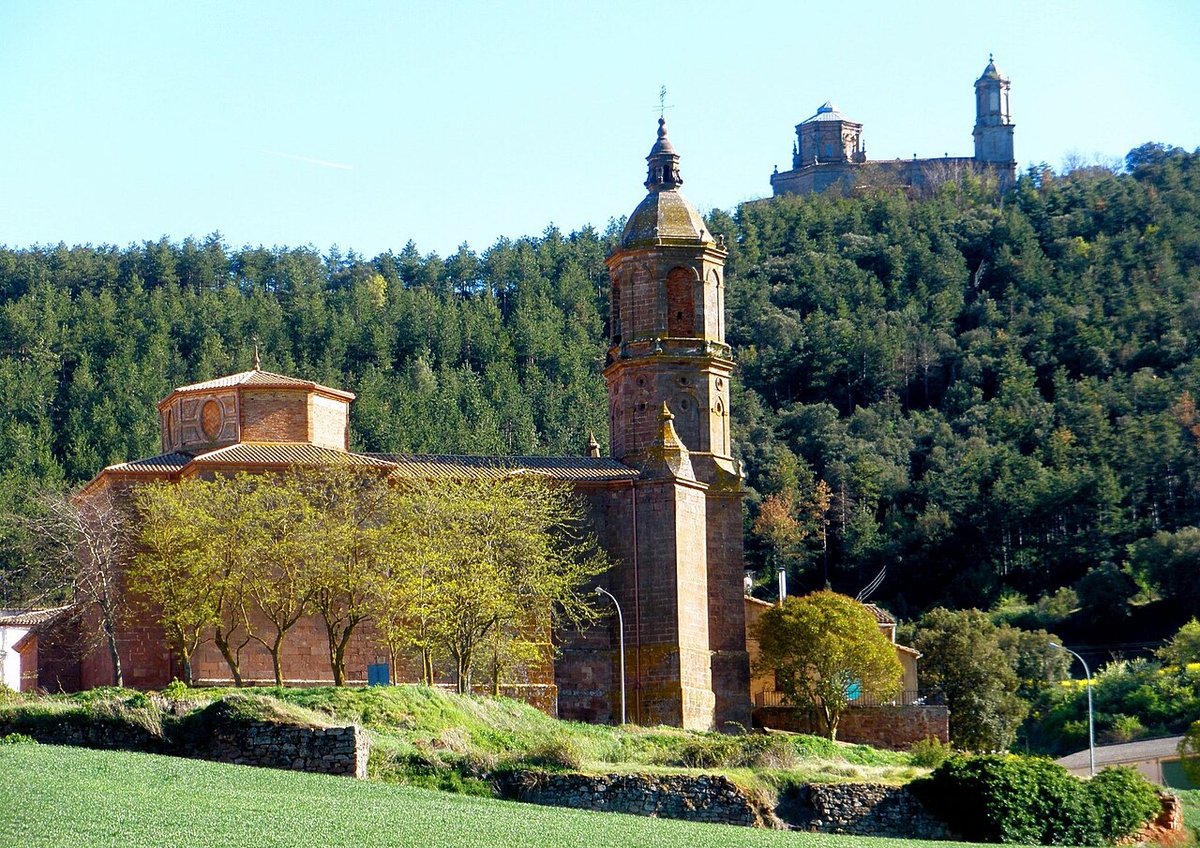
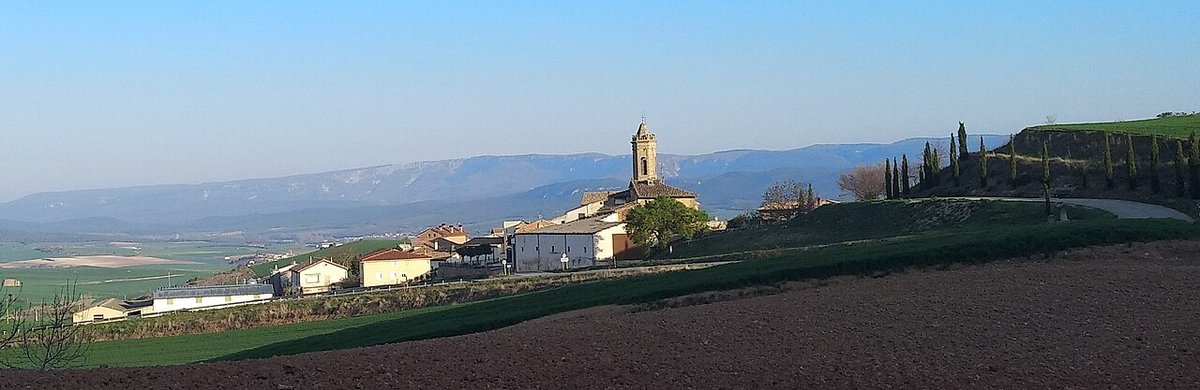
Early in the morning, when the sun still comes in low from the east, the stone of Piedramillera’s houses takes on a tone somewhere between grey and honey. The main street is narrow, with a trace of damp clinging to the lower walls and the occasional wooden doorway that creaks as it opens. In a couple of minutes you reach the Iglesia de la Asunción. With a population of barely fifty residents, tourism in Piedramillera is not about major sights, but about the dense quiet that settles between houses when hardly a car passes.
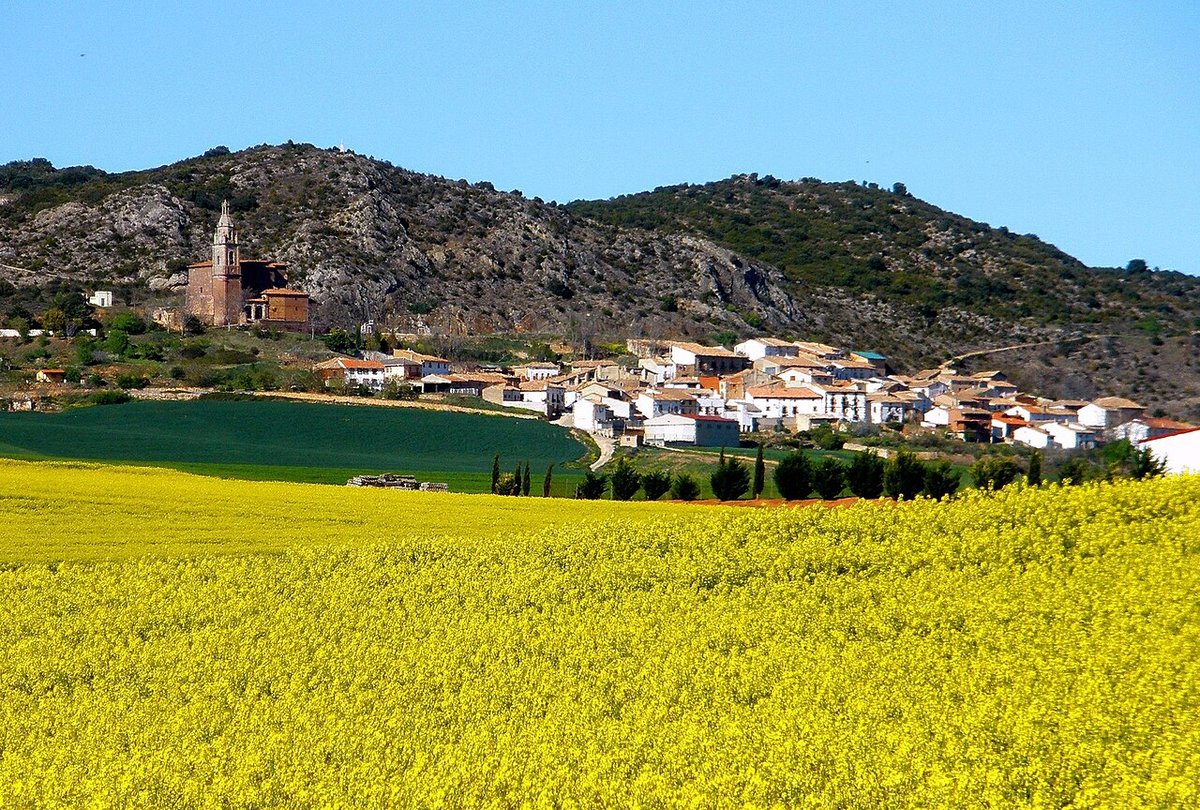
The village gathers around the church, as many do in Tierra Estella, a historic area in Navarra. Solid stone houses, simple balconies and corners softened by decades of rain and wind shape the place. Nothing seems arranged to draw attention. Instead, everything gives the impression of being exactly where it has always been. The bell tower rises only modestly above the rooftops and, if you stand still for a while, what you mostly hear is the wind brushing against cables and a dog somewhere in the distance.
The cluster around the church
The Iglesia de la Asunción organises the small network of streets. Thick walls, narrow openings and a sense of a building made to endure rather than impress define it. Around it stand several old houses with wide entrances and balconies of darkened wood.
It is worth paying attention to the small details: a marked stone set into a corner, an old carved drain, doors fitted with heavy ironwork. In places this small, history tends to remain in these minor elements rather than in large monuments.
A walk through the centre is quick. In ten or fifteen minutes you can cover almost everything, yet it is better done slowly, without rushing, allowing your ears to adjust to the stillness of the place.
Paths beyond the village
As soon as you leave the built-up area, the fields begin. Agriculture continues to shape the landscape, with cereal plots, gentle hills and dirt tracks winding between the crops.
In spring, green spreads across almost the entire valley. After the harvest, the land turns ochre and dusty. Towards evening, birds of prey can often be seen gliding over the open fields, carried by rising currents of air. If birdwatching appeals, bringing binoculars helps, as the sky here is wide and the silhouettes pass at a distance.
Even a short walk along any of these paths shifts your perspective. From just a little higher than the village, it becomes clearer how Piedramillera sits between the soft folds of the surrounding hills.
A small village without pretence
Piedramillera does not take long to see, and it does not try to be anything else. There are very few services or facilities designed for visitors. It is more common to come across a local working in the fields or fixing something at their doorway.
For that reason, most visits are brief: a turn through the streets, a short walk along the paths, and some time spent quietly looking out over the valley.
When to come
Between late spring and early autumn, the landscape shifts noticeably in colour and the light falls more gently across the surrounding hills. In summer, it is best to avoid the middle of the day, when the sun is strong and there is little shade outside the centre.
By contrast, towards evening the air begins to move and the stone of the houses takes on a warmer tone. In winter, the sky is often very clear, although the wind and cold are more noticeable in a place as open as this.
Getting there and what to bear in mind
The usual approach is by road from Estella, following local routes that pass through fields and small villages. The final stretch runs between crops and low hills.
It is easy to leave the car at one of the entrances to the village and explore on foot. The ground alternates between stone and earth, so comfortable footwear is advisable. Bringing water is also sensible if you plan to walk in the surrounding area, as in a place this small there is not always anywhere to buy anything.
Piedramillera does not demand much time. What it asks for is a little calm, and the willingness to let the landscape do its work. The interest lies in what is barely heard and in what moves slowly.