Full Article
about Artazu
Wine-growing village in Valdizarbe, known for its rosé wines and valley views.
Ocultar artículo Leer artículo completo
The thermometer drops four degrees between Puente la Reina and Artazu, a difference you notice as soon as you step out of the car. At 451 m the air carries a mountain edge, even in June, and the cereal terraces below look like a patchwork quilt someone shook out. One hundred and fifteen people live up here, plus a colony of storks that clatter overhead on thermals. The village is small enough to walk across before your coffee cools, yet big enough in reputation to pull wine bloggers who speak of “Burgundian Garnacha” and walkers on the Camino seeking a breather before the Meseta.
A church, a wall, and vines older than the queen
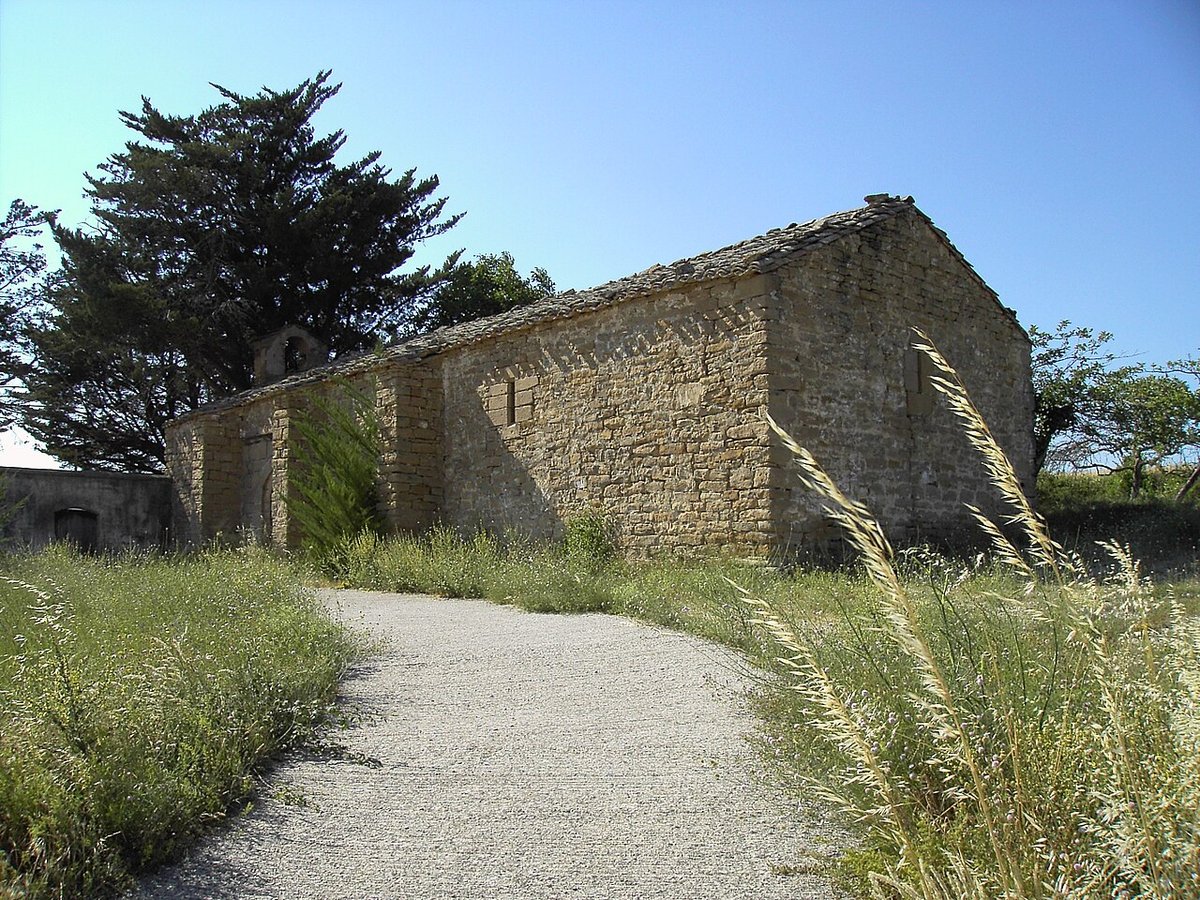
San Martín de Tours squats at the top of the only street wide enough for a tractor to pass. The parish church is nobody’s idea of a cathedral: a blunt Romanesque tower, a Baroque dressing later, and inside a single nave that smells of candle wax and old paper. The font is 16th-century, the roof beams 19th; both are still doing their jobs. Outside, the stone has gone the colour of weathered cheddar, soft and crumbly at the corners. Look for the small carved hand above the south door—local legend says it’s a mason’s signature, though nobody has proved it.
From the church door you can read the entire village plan in thirty seconds. Houses run downhill in two short rows; every third gateway is capped with a family shield so eroded the lions look like overweight cats. Balconies are timber, not iron, painted the burgundy that Navarrese councils insist on. Television dishes cluster on the north slopes where the sun never reaches; south-facing walls carry satellite cables and, at ankle height, bronze plaques marking the height of the 2015 flood. That event lasted exactly forty minutes, long enough to wash two cars into the arroyo and float someone’s vegetable patch halfway to Olite.
Walking the cereal tide
Leave the tarmac at the last lamppost and the ground turns to rust-red clay scored by tractor tyres. The path is level but exposed; in July the temperature can nudge 36 °C by eleven o’clock, so early starts are non-negotiable. Within ten minutes Artazu is reduced to a blur of terracotta roofs behind you, and the only sounds are the wind rattling barley heads and the click of a cyclist’s cleats on the adjacent Camino variant. Fields alternate wheat–vineyard–wheat like a chessboard; the vines are bush-pruned, low and gnarled, many planted in the 1920s. Their grapes go into the Santa Cruz de Artazu cuvée that wine critics keep comparing to Chambolle-Musigny, a compliment that puzzles the growers but keeps the booking diary full.
If you want a longer loop, follow the GR-1 waymarks west until the track tilts upwards through holm oak. After 3 km the ground rises sharply to a limestone lip at 620 m; from here you can see the Pyrenees on a clear day, snow still striping the higher summits in May. The descent is steeper, loose with fist-sized marl, so walking poles save knees. Total circuit: 7.5 km, 200 m ascent, 90 minutes if you don’t stop for photographs. You will stop; the evening light turns the cereal gold and every phone thinks it’s Ansel Adams.
Where to taste (and what to bring back)
There is no bar in Artazu. Repeat: no bar, no cash machine, no corner shop. Stock up in Puente la Reina before the 3 km climb. The only place to taste wine is Bodegas y Viñedos Artazu itself, a converted grain warehouse on the edge of the village. Visits are by appointment—email at least a week ahead and expect a reply in Spanish. The standard tasting includes three Garnachas and a rosé; pour sizes are generous, so drivers beware. They’ll sell you wine at cellar-door prices (around €14 for the crianza, €24 for the single-vineyard), but bring cardboard dividers or you’ll be listening to clinks all the way to Bilbao.
If you’re self-catering, picnic ingredients come from Covirán in Puente la Reina: a baguette that stays crusty for four hours, piquillo peppers in brine, and tinned bonito del Norte that flakes like confit tuna. Add a block of aged Navarrese sheep’s cheese—milder than Manchego, nutty rather than salty—and you have a lunch that doesn’t need a fridge.
Seasons and the single track road
Spring arrives late at this altitude; the first poppies appear in April, followed by a two-week explosion of green so vivid it looks artificial. By late May the barley turns platinum and the vines flower, releasing a faint peppery scent that drifts through the village at dusk. Summer is dry, cloudless and, above all, windy. Locals lower the persianas by eleven and re-emerge at six; the only movement mid-afternoon is a lone cyclist crouched over the handlebars fighting the cierzo. Autumn is the photographers’ favourite: ochre fields, purple grapes and sharp slanting light. Winter is when you discover the hamlet runs on wood smoke. The road can ice over in January; if the forecast mentions “nevada débil”, park at the bottom and walk up.
Fiestas follow the agricultural calendar. San Martín on 11 November is a modest affair: roasted chestnuts, new wine from the barrel and a raffle whose top prize is a ham. The summer fiestas shift date each year but always include a communal paella cooked in a pan two metres wide and a game of mus (a card game faster than bridge and louder than poker) that finishes well after midnight. Visitors are welcome, though nobody will thank you for treating it as a theme show.
The honesty bit
Artazu will not keep you busy for a full day unless you are a serious walker or a wine anorak. Mobile reception is patchy; WhatsApp messages can take ten minutes to leave the outbox. If the church is locked—common on weekdays—there is no gift shop selling souvenir key-rings. The nearest public loo is back down the hill in Puente la Reina. Come anyway, but come prepared: water bottle, charged phone, phrase-book Spanish and a reservation at the bodega. You’ll leave with dusty boots, a bottle of Garnacha and the realisation that “small” can still feel spacious when the horizon is forty kilometres wide.