Full Article
about Enériz
Town near Eunate; noted for its Baroque church and the giant statue of the Inmaculada on the hill.
Hide article Read full article
Eneriz, o cuando el paisaje es la postal
Eneriz es de esos pueblos que pasas en coche y piensas "¿y aquí vive gente?". No tiene una estampa de libro, ni un mirador espectacular. Es más bien como cuando te paras en un arcén sin señalizar: no hay cartel que te explique la vista, pero algo te hace quedarte un minuto mirando los campos. Así es este lugar en Valdizarbe, Navarra. Su interés no está en un monumento concreto, sino en cómo se funde con el terreno. Si buscas un sitio para hacer fotos icónicas y seguir camino, probablemente no sea tu parada. Si te va eso de entender cómo funciona un territorio, dale una oportunidad.
Un paseo corto y suficiente
En diez minutos has cruzado el pueblo. En serio. Las calles son breves, flanqueadas por casas de piedra sobrias, algunas con escudos familiares desgastados por el tiempo. No son museos; son viviendas con persianas bajadas y macetas en las ventanas. El punto de referencia es la iglesia de la Asunción, con una torre cuadrada y maciza que se ve desde los caminos de alrededor. Normalmente la encontrarás cerrada (esto es lo habitual en pueblos de 300 habitantes), así que no cuentes con ver el interior a no ser que coincidas con misa.
No hay un "centro histórico" que recorrer. Es más útil fijarse en cómo las calles salen del pequeño espacio frente a la iglesia y se dirigen directamente hacia los campos, como si el pueblo fuera un embarcadero hacia la tierra de labor.
La gracia está en salir del casco
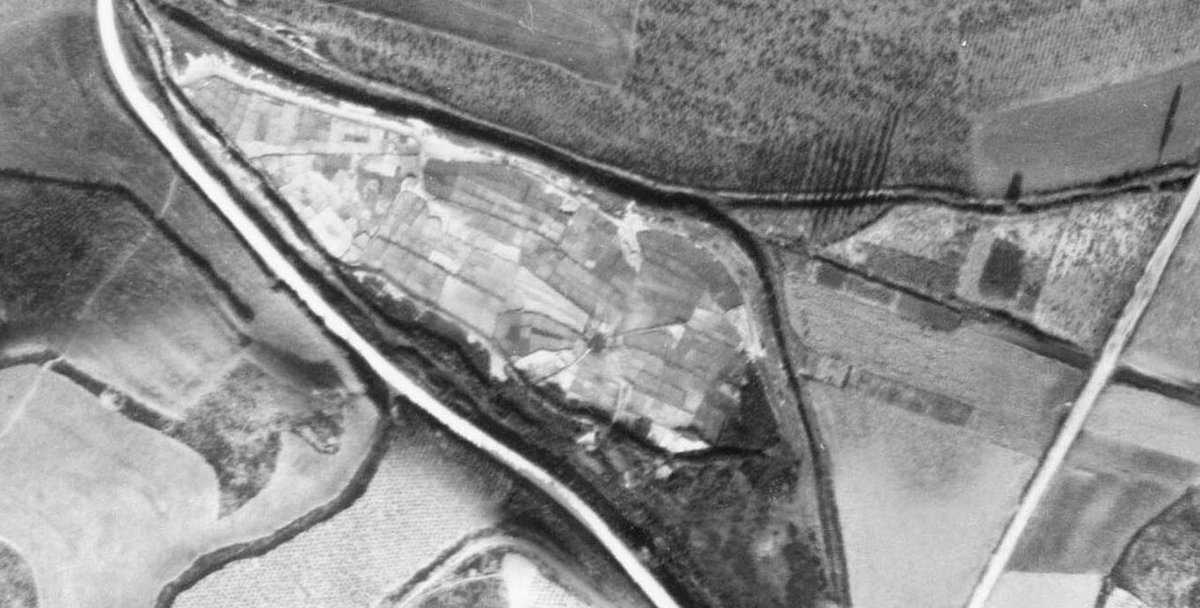
Aquí viene lo bueno. La verdadera personalidad de Eneriz se entiende cuando caminas cinco minutos fuera del núcleo urbano. Te encuentras enseguida con pistas de tierra anchas, rectas como reglas, que se pierden entre parcelas de cereal.
Es ese tipo de paisaje agrícola que parece ordenado por un geometra: líneas perfectas, colores que cambian con el ciclo del campo (un verde intenso en primavera, un oro pálido y polvoriento tras la cosecha). Hay encinas y quejigos salpicando los linderos, y barrancos secos la mayor parte del año. No es grandioso ni aspira a serlo. Tiene esa belleza práctica y silenciosa de los lugares donde se trabaja.
Senderos sin pretensiones (ni señales)
Desde el pueblo salen varios caminos rurales que conectan con otras localidades cercanas como Úcar o Obanos. No están señalizados como ruta oficial; son los caminos de toda la vida, usados por agricultores y algún vecino que sale a andar o en bici.
Son llanos, anchos y sin complicaciones. Perfectos para ese paseo en el que quieres despejarte sin tener que estar pendiente del mapa o del desnivel acumulado. Vas rodeado de ese horizonte abierto, con el sonido ocasional de un tractor a lo lejos. Sabes que estás en medio de nada y a la vez en el centro de todo lo que importa aquí.
Comer, fechas y algún consejo práctico
Vamos a ser claros: Eneriz no es un pueblo para ir a tapear o a hacer compras turísticas. No hay bares a la vista ni tiendas de souvenirs. Si vas a pasar unas horas por la zona, lleva agua y algo para picar, o planea comer antes o después en algún pueblo más grande del valle.
La comida por aquí gira en torno a lo que da la tierra: verduras de las huertas locales y cordero suelen ser los protagonistas. Si vas en temporada, pregunta por los espárragos.
El ambiente cambia notablemente durante las fiestas patronales (en torno al 15 de agosto). Es cuando vuelven los vecinos que viven fuera y se nota cierta animación inusual el resto del año. El resto del tiempo, el ritmo lo marca el calendario agrícola y poco más.
Entonces, ¿merece una visita?
Depende totalmente de cómo viajes. Si buscas un destino con mayúsculas, con puntos de interés marcados en un plano turístico, Eneriz te va a parecer escaso. Pero si estás recorriendo Valdizarbe con calma (quizá vienes desde Puente la Reina o estás explorando la Zona Media), hacer un alto aquí tiene sentido.
Es una pausa breve. Un paseo por sus calles silenciosas, otro por los caminos entre campos, y ya está. Te lleva una hora escasa y te da una lección práctica sobre cómo se vive (y se ha vivido) en esta parte de Navarra: agricultura, pueblos compactos alrededor de la iglesia y una relación directa con el paisaje. No es un lugar pensado para ti. Y quizá por eso mismo vale la pena parar