Full Article
about Legarda
A Camino de Santiago village before the Alto del Perdón; well-preserved civil architecture
Hide article Read full article
A slow start beneath San Millán
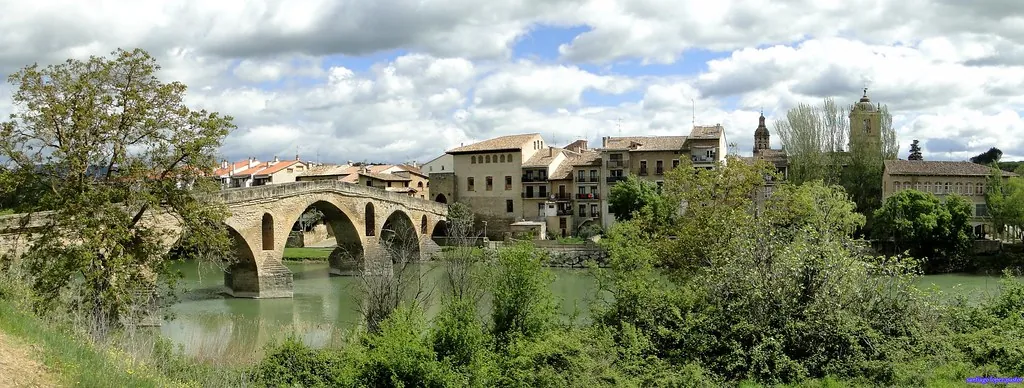
Before sunrise, Legarda is almost silent. A door opens somewhere, footsteps cross a stretch of pavement, and the sound lingers softly between the houses. The tower of the church of San Millán rises above the rooftops while the sky begins to brighten over the fields. At that hour, the village moves gently, as though it is still waking up.
This early calm says a lot about the place. Life does not rush here, and neither does a visit. Legarda does not present itself with dramatic sights or headline attractions. Its appeal sits closer to the ground, in the details that reveal themselves slowly as you walk.
Stone, wood and quiet details
Tourism in Legarda does not revolve around major monuments. The interest lies in everyday elements that have been shaped over time. Stone walls are often mixed with brick, creating textures that change from one building to the next. Wooden doors show years of use, their surfaces worn smooth in places. Iron balconies creak lightly when someone steps out to air a room.
Some façades still display coats of arms or old inscriptions. These features do not announce themselves loudly. They appear suddenly, perhaps at the turn of a corner or halfway down a short street, and reward anyone paying attention.
The streets form a compact core. In certain stretches, sunlight barely reaches the ground for much of the morning. Elsewhere, light reflects off pale walls and casts ochre tones across the paving. The atmosphere shifts with the seasons. Summer brings the scent of dry earth drifting in from nearby threshing grounds. Winter often carries a colder current of air down from the open fields surrounding the village.
The wider landscape of Valdizarbe
Once outside the built-up area, the landscape opens quickly. This part of Valdizarbe is made up of agricultural plots, dirt tracks and patches of trees that follow the lines of small ravines. The terrain does not feel dramatic, but it changes character with the time of year.
Spring introduces fresh greens across the fields. By late summer, the colours turn towards gold, especially where cereal crops have already been cut. These shifts give the surroundings a sense of rhythm that matches the slower pace of the village itself.
Several rural paths begin directly in Legarda. Some loop around the fields, while others link up with tracks that connect nearby villages in the region. The routes are generally straightforward, without steep climbs. Shade is limited when the sun is high, so it is worth being prepared on hot days. The openness of the landscape becomes more noticeable then, with fewer places to escape the heat.
A brief stop, or something more
Legarda often appears as a short stop within a wider journey through Valdizarbe. Its position near local roads that link several villages makes it easy to pass through. Many travellers arrive, take a brief walk and continue on their route.
The timing of a visit changes the experience. Early morning or the end of the afternoon tends to suit the place better. Around midday, particularly in summer, heat can settle between the façades and linger in the narrow streets.
Even so, the village offers more than a quick look might suggest. Moving without a fixed plan works best here. A slow walk allows time to notice the older doors, to glance into a courtyard when a gate stands slightly open, or to hear the wind as it comes down from the fields. These small moments build a clearer sense of what Legarda is.
August and the days of San Millán
The annual celebrations dedicated to San Millán usually take place in August. During those days, the atmosphere shifts noticeably. Residents who live elsewhere return, and the streets that are normally quiet fill with long conversations in the square.
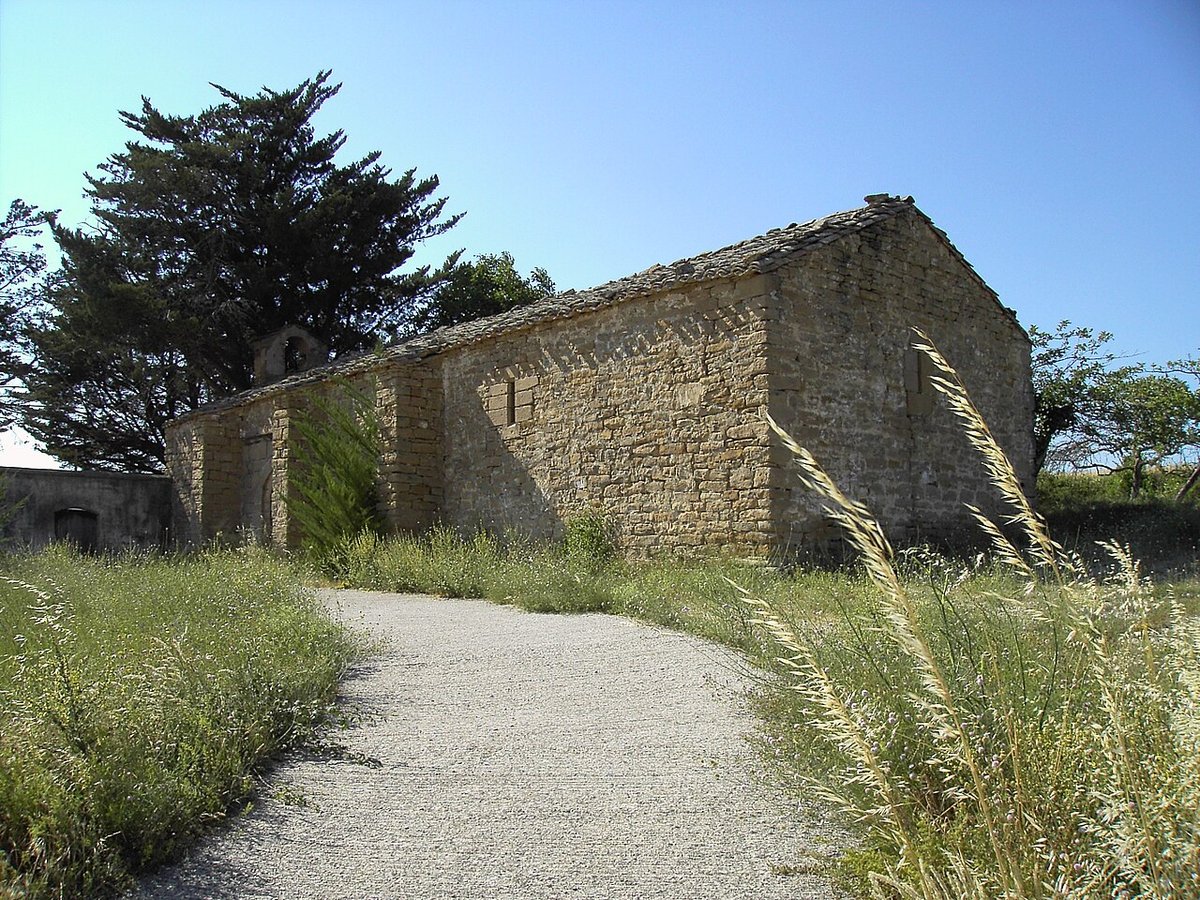
Tables stretch out into the evening, and the rhythm of the village changes. What is usually subdued becomes more animated, though still rooted in the same setting. The church of San Millán remains a central reference point, its presence tying together both the quieter days and the festive ones.
Understanding Legarda in context
A rushed visit can leave the impression that there is little to see. Legarda asks for a different approach. Time spent wandering without a strict उद्देश्य reveals more than a checklist ever could. The village does not try to impress with scale or spectacle. Its character comes through in fragments, each one easy to miss if you move too quickly.
Stepping beyond the village helps place it within the broader setting of Valdizarbe. The surrounding fields, paths and neighbouring settlements form part of the same landscape. Everything feels small in isolation, yet connected when seen as a whole.
Legarda fits into that wider picture quietly. It does not compete for attention. Instead, it becomes clearer the longer you stay, or the more carefully you look.