Full Article
about Tirapu
Small town in Valdizarbe; quiet, with valley views.
Hide article Read full article
Evening Light in a Quiet Village
Late in the day, when the sun drops behind the fields of Valdizarbe, Tirapu almost comes to a standstill. Light brushes the stone façades and stretches shadows across the corners. A door sits half open, a trailer rattles somewhere in the distance, a dog barks once and then falls quiet. With barely fifty residents, this is a place to move through slowly, paying more attention to what surrounds you than searching for specific sights.
There is no rush here. The atmosphere shifts with the light rather than with activity. As the day fades, the village seems to fold into itself, becoming more about texture, sound and small details than movement. It invites a kind of wandering that has no fixed purpose, where time passes without being measured too closely.
A Compact Village Between Fields
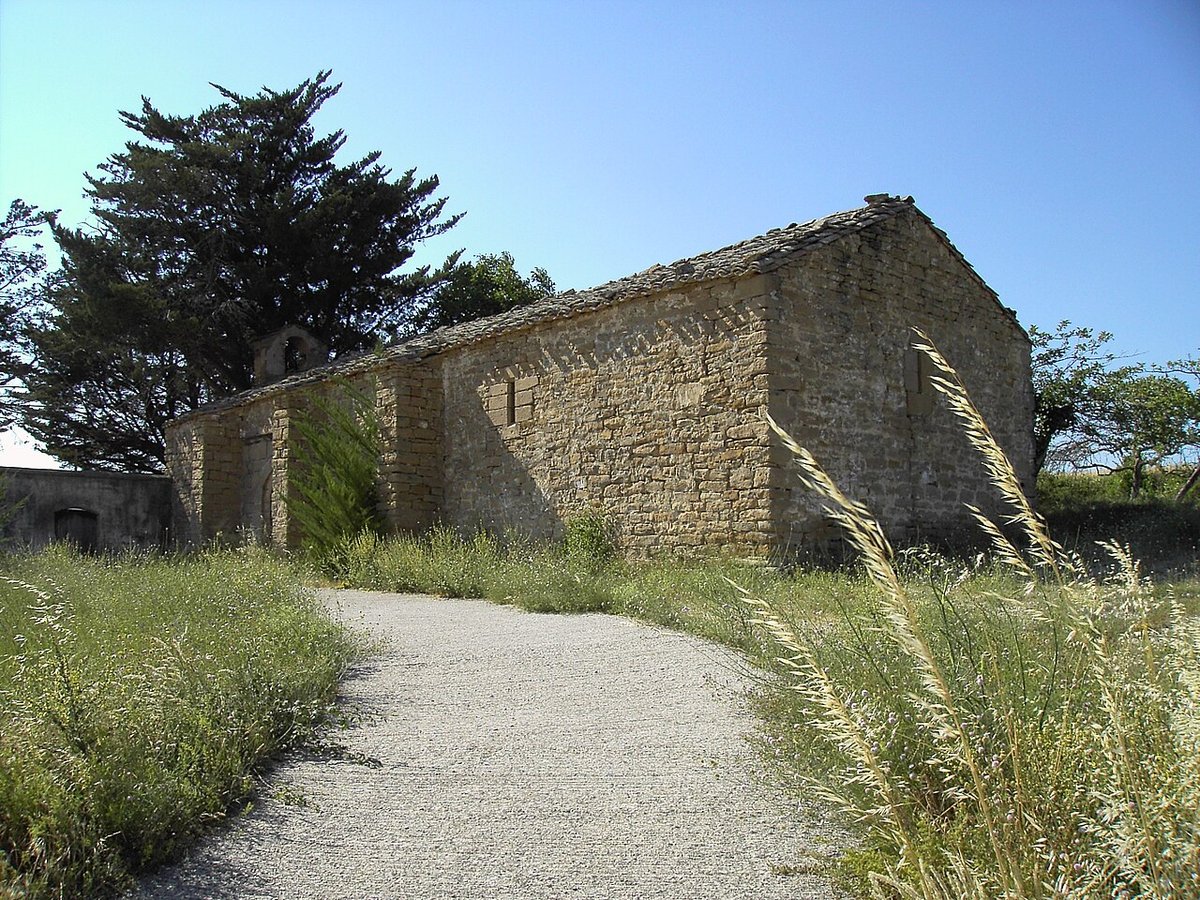
The centre of Tirapu is short and compact. Stone houses line the streets, some with wooden doors darkened by age, others with small windows that barely break the surface of the walls. The reddish roof tiles form an uneven line against the sky when seen from below, giving the streets a slightly irregular silhouette.
The parish church of the Asunción stands out immediately. Its dark stone and solid form give it a sense of weight, with very little in the way of decoration. At certain times of day, the side wall catches the sun directly and the texture of the stone becomes striking, as if each block pushes forward just a little more than the next.
The village quickly opens out into farmland. Within a few minutes on foot, the houses fall away and cultivated plots take over. In this part of Navarra, the landscape changes noticeably with the seasons. Spring brings intense green tones, and after rain the damp earth carries a strong scent. Autumn shifts everything towards ochre shades, with a fine dust settling along the paths.
This closeness between village and countryside shapes the rhythm of the place. There is no clear boundary, no gradual transition. One moment you are beside a stone wall, the next you are looking across open fields.
Walking the Agricultural Tracks
Around Tirapu, several working tracks are used by farmers. They are usually pale dirt paths and mostly flat, easy to follow when the ground is dry. There is no need for special preparation, just a willingness to walk without a fixed route.
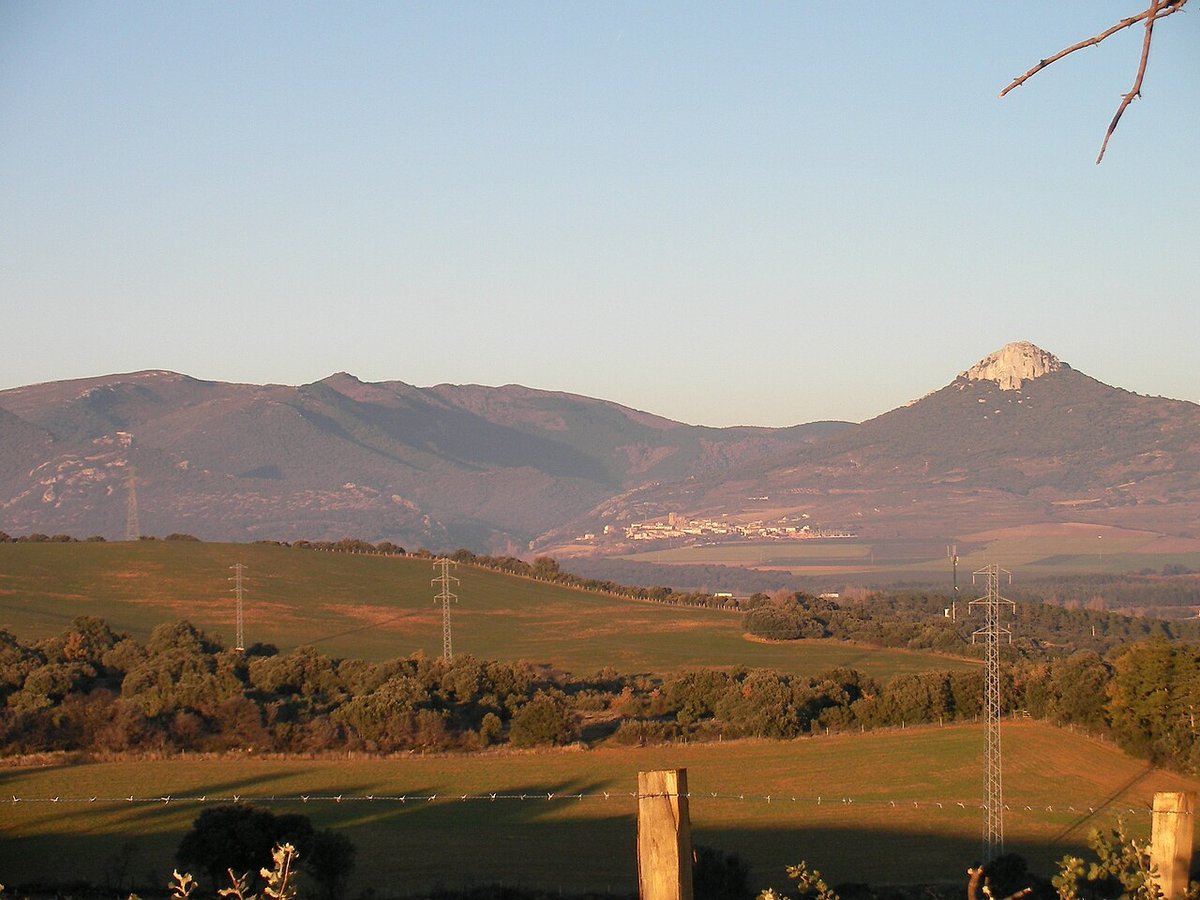
The edges are marked by low stone walls or lines of shrubs. At times there is the soft buzz of insects, at others only the wind moving through the grass. If you walk towards sunset, the outline of Monte Ezcaba appears in the distance, slightly blue in the haze and clearly defined against the sky.
These paths do not demand planning. A relaxed walk can easily fill one or two hours without repeating the same view. The experience lies in small variations, a change in light, a shift in colour, the quiet presence of the surrounding land.
The simplicity of the terrain makes it accessible, but it also keeps the focus on observation rather than effort. The ground underfoot, the lines of the fields, and the occasional sound all become part of the walk.
When to Come
Spring and autumn are generally the most rewarding times to visit. Colours are more varied and the air is milder, which makes walking more comfortable.
Summer brings strong heat in the middle of the day. If visiting during that season, it makes more sense to move early or wait until the sun begins to drop. Winter introduces a different atmosphere altogether. Fog appears on some days and transforms the valley, partially hiding the village and turning the fields grey.
Each season alters the same landscape without changing its structure. What shifts is the way it feels to move through it, the light, the air and the colours underfoot.
A Brief Stop in Valdizarbe
Tirapu is not a place with much activity or services aimed at visitors. It remains a small village functioning as it always has, with vegetable plots behind the houses, tractors coming and going, and neighbours greeting each other from their doorways.
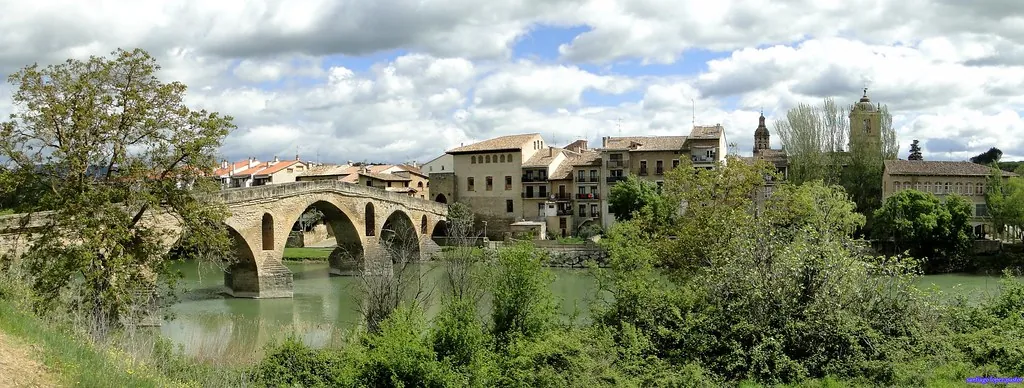
For that reason, it is often visited as a short stop while exploring other villages in Valdizarbe or the surroundings of Puente la Reina. The pattern is simple: park, walk for a while, head out towards the fields, then return with shoes lightly coated in pale dust.
The journey from Pamplona is short. As the main roads fall behind, the route narrows and the landscape opens into gentle cultivated hills. The final kilometres are along local roads where it is best to drive calmly, as agricultural vehicles can appear around bends.
Tirapu does not ask for much more than that. A short walk, some water in a bag, and time to watch how the light changes on the stone as the day comes to an end.