Full Article
about Ucar
Quiet village near Pamplona; agricultural and residential setting
Hide article Read full article
Ucar: el pueblo que te recibe con los brazos cruzados
Llegar a Ucar es como entrar en casa de un familiar un domingo por la tarde. No hay nervio, ni preparativos especiales. El pueblo está ahí, con sus calles vacías y su iglesia en lo alto, funcionando a un ritmo que parece ajeno al resto del mundo. Tiene unos 200 habitantes y se encuentra en Valdizarbe, una comarca de Navarra donde el cereal es el rey. No vengas buscando tiendas de souvenirs o un horario de visitas guiadas. Aquí lo que hay es piedra, silencio y la sensación de haber llegado cuando todo el mundo está echando la siesta.
Es ese tipo de sitio que no se justifica ni se explica. Simplemente es. Y entender eso es la clave para no llevarse una decepción.
La iglesia que marca el compás
El punto de referencia, por si te desorientas entre cuatro calles, es la Iglesia de la Asunción. No es una catedral, ni falta que le hace. Cumple la misma función que la torre del reloj en cualquier plaza: te ubica. De origen medieval, ha ido sumando capas con los siglos, y dentro guarda un retablo barroco que tiene más días tapado con un plástico que expuesto al público. Es lo normal en pueblos así, donde las cosas se arreglan cuando se puede.
Para verlo por dentro, toca preguntar. No hay cartel con un teléfono; suele bastar con dirigirse a alguien por la calle o, si hay suerte, encontrar la puerta entreabierta antes de misa. Es un trámite low-tech que te obliga a interactuar, aunque sea con un "buenos días".
Alrededor de la plaza, algunas casas blasonadas de piedra y ladrillo cuentan, sin aspavientos, que aquí hubo familias con historia y relación con esta tierra desde hace siglos.
Donde termina el pueblo empieza el campo (de verdad)
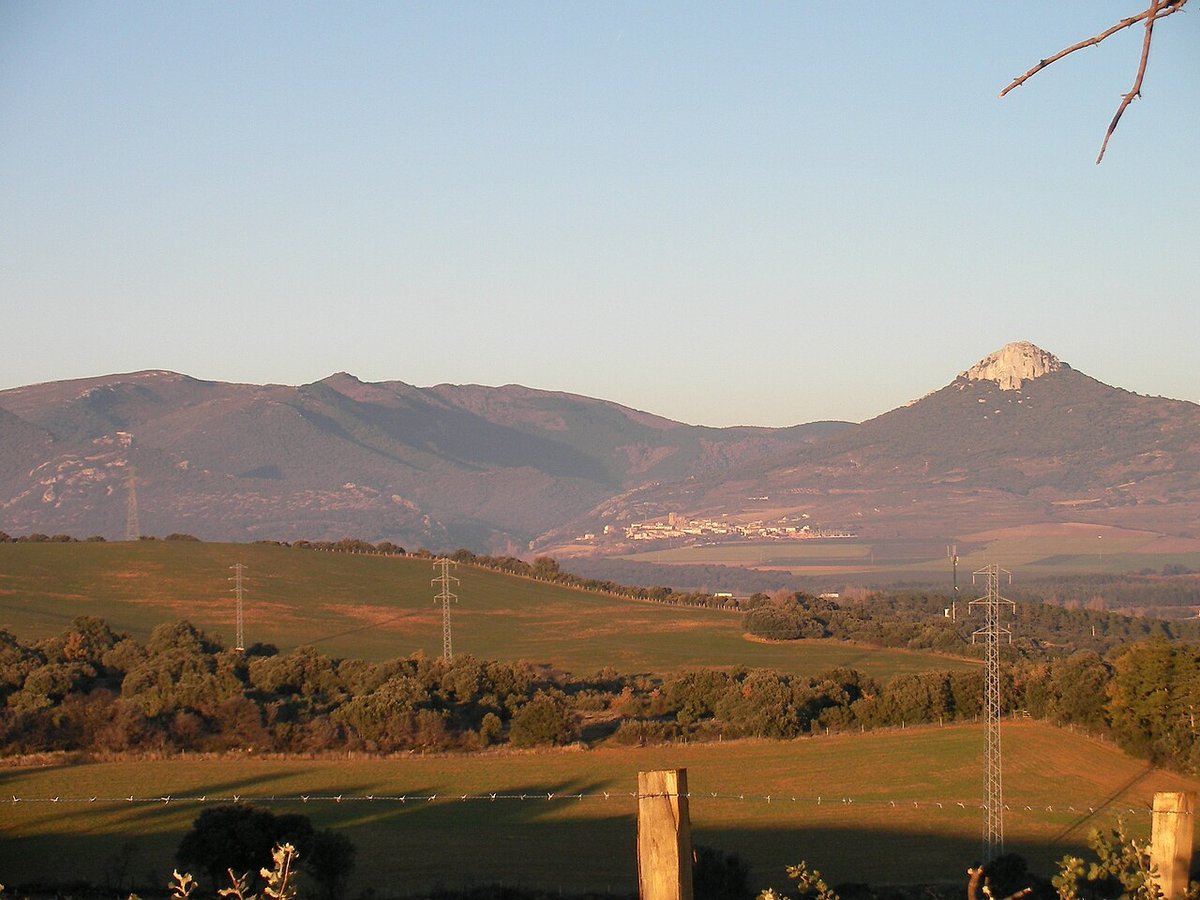
Cruzas la última casa y te encuentras con eso: campo abierto. Cereal hasta donde alcanza la vista, un mar verde o dorado según la época del año. El terreno es tan llano y despejado que parece que alguien hubiera quitado todos los obstáculos a propósito.
Aquí y allá, algún rodal de encinas o quejigos rompe la monotonía. No son bosques para perderse; son manchas de sombra escasa donde refugiarse del sol en verano. Los días claros se ven las montañas al norte y se intuye el valle hacia Pamplona.
Lo que más vida da al paisaje son los tractores transitando por los caminos agrícolas. Esto no es una postal bucólica; es una zona de trabajo. El encanto está en esa normalidad, en ver las tolvas llenas de grano al atardecer. Sabes que estás en un lugar real.
Caminar sin rumbo (es el mejor plan)
La actividad principal en Ucar es ponerse a andar sin un destino fijo. Los caminos rurales son anchos, fáciles y te conectan con las localidades vecinas sin necesidad de mapa. Es como pasear por un parque enorme donde tú pones los límites.
No esperes sendas espectaculares o grandes desniveles. Son paseos llanos entre campos, con alguna subida suave si te alejas lo suficiente. Sirven para entender cómo se estructura este territorio: agricultura, cielo y horizontes largos.
Parte de esta red de caminos se engancha al Camino de Santiago Aragonés. No siempre está señalizado desde el pueblo mismo, pero si sigues los carriles principales acabas topándote con las flechas amarillas. Es curioso pensar que por estos mismos rastrillos pasaron peregrinos hace siglos.
Fiestas y rutinas: cuando el pueblo despierta
El momento de mayor movimiento suele ser alrededor del 15 de agosto, para las fiestas de la Asunción. La programación cambia cada año porque depende del voluntariado local; puede haber comida comunal, música o algún juego rural organizado por las peñas.
La escala es doméstica: parece más una reunión grande de vecinos que un festival propiamente dicho.
Pero más allá del día grande, el verdadero ritmo lo marca el calendario del campo. La vendimia en los alrededores o la cosecha del cereal transforman el ambiente durante semanas. Ver esos trailers cargados circulando por las calles explica más sobre Ucar que cualquier folleto.
Una visita corta (y así debe ser)
Puedes recorrer Ucar entero en cuarenta minutos tranquilamente: calles principales, casas blasonadas e iglesia incluida. Es breve pero intenso; como tomar un café cargado.
La clave está en no quedarte solo con eso. El pueblo funciona mejor como punto de partida para una caminata ligera por los campos contiguos. Desde fuera adquiere otra dimensión: ves su silueta compacta recortada contra ese mar de cultivos, con las montañas dibujando una línea difusa al fondo.
Si vas en verano, calcula bien las horas. La sombra escasea y el sol pega duro sobre tanto terreno descubierto. Mejor a primera hora o ya entrada la tarde. Quedarse demasiado tiempo dentro del casco urbano no tiene mucho sentido. La gracia está en combinar ese vistazo rápido al pueblo con la sensación de espacio abierto que solo encuentras fuera.
Ucar no te va a sorprender con grandes monumentos ni experiencias fabricadas. Es honesto: te muestra lo que tiene, que es básicamente su propia vida tranquila. Y a veces, eso es justo lo necesario