Full Article
about Basaburua
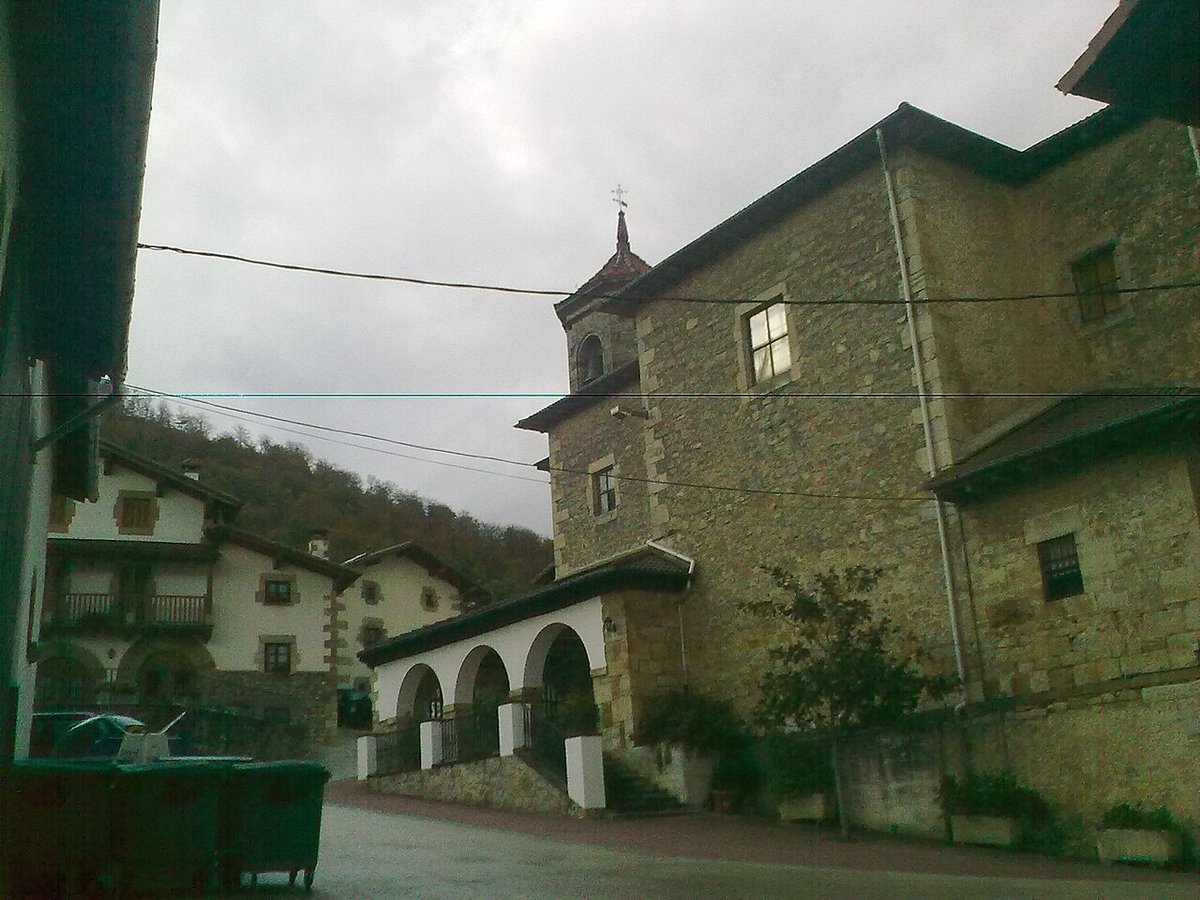
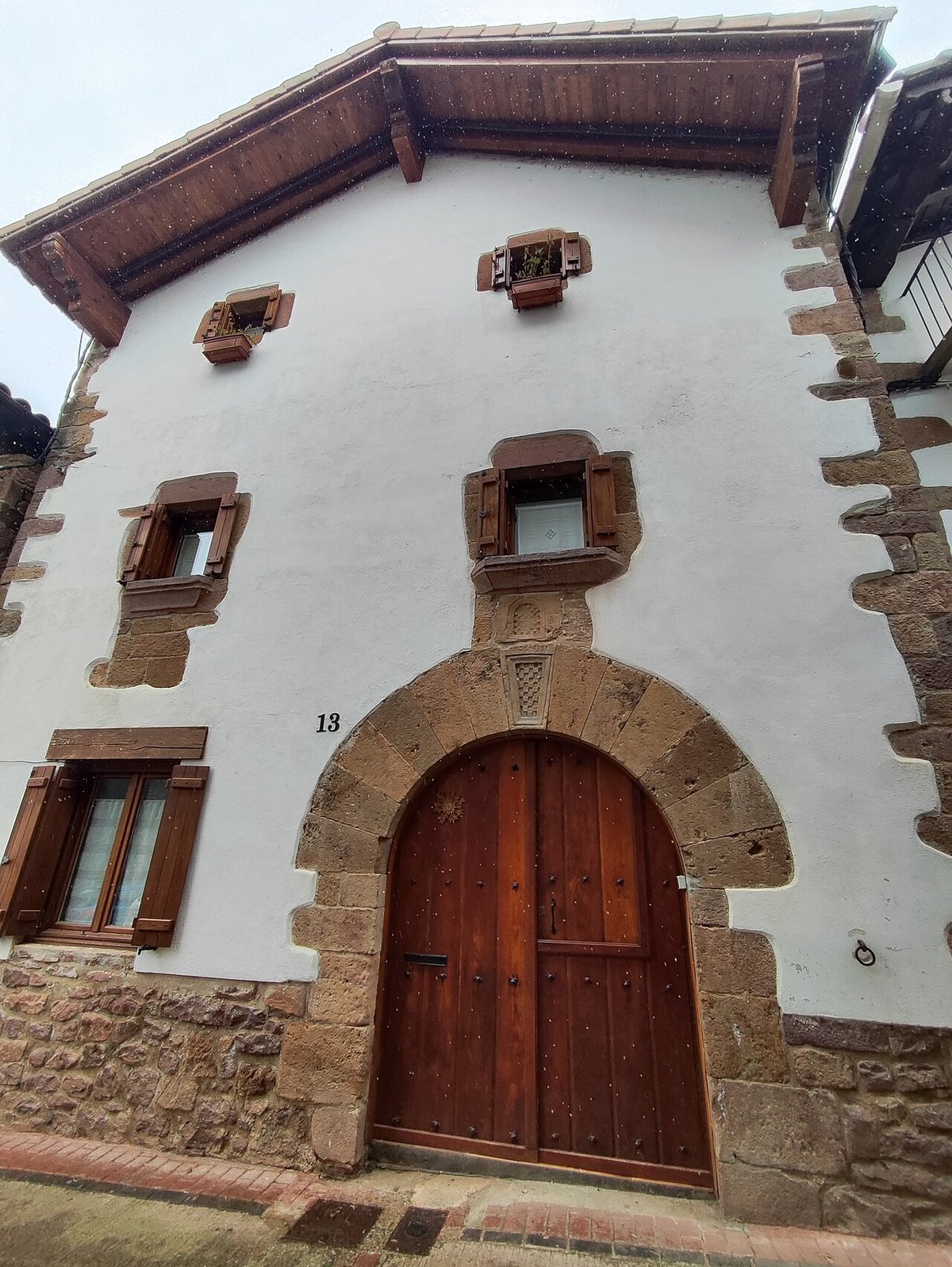
Green, livestock-farming valley with scattered farmhouses; typical landscape of humid Navarre with oak and beech forests.
Hide article Read full article
Basaburua es el tipo de valle que te hace bajar la ventanilla
Sabes cuando conduces por una carretera y sientes que deberías ir más despacio, aunque no haya límite de velocidad? Eso me pasa siempre en Basaburua. No es que el paisaje sea espectacular de golpe. Es más bien lo contrario: son curvas suaves, prados verdes y caseríos de piedra que aparecen cuando ya creías que no había nadie. El ritmo lo marca el terreno.
Aquí no hay un pueblo principal. En su lugar, encuentras varios núcleos desperdigados por el valle: Jauntsarats, Igoa, Beruete. Son grupos de casas con huerta atrás y tractores aparcados en la puerta. Si buscas un centro histórico con tiendas de recuerdos, te vas a sentir un poco fuera de lugar. Esto es otra cosa.
Los pueblos tienen la puerta abierta (casi literalmente)
Lo primero que notas es que nada parece decorado para ti. Las casas se habitan, las gallinas picotean detrás de alguna valla y una ventana abierta solo significa que alguien está dentro, probablemente preparando la comida.
Cada pueblo tiene su iglesia parroquial en un sitio visible. Son edificios sólidos, sin muchos adornos, muy navarros. Y sirven como faro cuando caminas por el valle. Ver una torre a lo lejos te avisa de que el siguiente grupo de casas está cerca.
La mejor forma de entenderlo es andando
No hace falta buscar una ruta señalizada con nombre épico. Los caminos que unen un pueblo con otro ya te cuentan todo lo que necesitas saber.
Un paseo típico empieza en las últimas casas de un núcleo, cruza prados con muros bajos de piedra y, tras media hora, asoma otro pueblo. Hay bosques de hayas y robles que dan sombra incluso en verano.
El terreno no es plano. Tiene sus repechos, suficientes para recordarte que esto es un valle del norte. Llevar agua y calzado decente es sensato, aunque en el mapa la distancia parezca corta.
En otoño el cambio es serio. Los hayedos se ponen amarillos y marrones, y el valle se vuelve más callado. Es temporada de setas, algo muy arraigado aquí. Un consejo de colega: si no sabes lo que coges, déjalo donde está.
Comida y fiestas con los pies en la tierra
La comida viene directamente del terreno: verduras de las huertas, carne de vacuno y ovino, quesos de la zona. Cuando refresca, los platos son potentes: guisos y cosas que piden cuchara. No esperes cocina moderna ni experimental. Las recetas son las de siempre.
Las fiestas siguen el calendario rural tradicional. En invierno suelen celebrarse eventos ligados al ganado; en verano cada pueblo tiene su propia celebración en la plaza o en un campo cercano: música, comidas comunitarias y algún concurso rural.
Lo importante es quién las organiza: no son empresas externas sino los propios vecinos. Eso le da un ambiente distinto.
Cómo llegar y cuándo hacerlo
Desde Pamplona se tresa media hora en coche por carreteras locales tranquilas pero con curvas. Conducir es fácil si llevas calma; algunos tramos son estrechos y los tractores forman parte del tráfico normal.
La primavera y el otoño son probablemente los mejores momentos para venir. Tras unas lluvias, el valle está especialmente verde. En octubre los bosques cambian por completo. Los veranos son más suaves que en la Ribera navarra, pero bajo los árboles puede refrescar incluso en días calurosos. Y sí: llueve. Los caminos de tierra se notan cuando ha caído agua.
Errores comunes (para evitarlos)
El primero es pensar que se ve todo en una hora. En el mapa parece pequeño, pero los pueblos están desperdigados y andando las distancias se alargan más de lo previsto desde el coche.
El segundo es buscar monumentos o atracciones grandiosas. Basaburua funciona como conjunto: el paisaje, los caseríos, los caminos entre pueblos y la sensación de un valle donde se vive todo el año.
El tercero tiene que ver con la ropa. Aunque sea verano, la temperatura puede bajar rápido al entrar en un bosque o si se nubla. Llevar una chaqueta ligera en el coche nunca sobra.
Basaburua no intenta impresionarte a gritos. El tiempo pasa entre un pueblo y otro, y la vida del valle se va haciendo clara según avanzas. Al irte, lo que te llevas no es una postal concreta sino la sensación tranquila de haber entendido cómo encaja todo esto