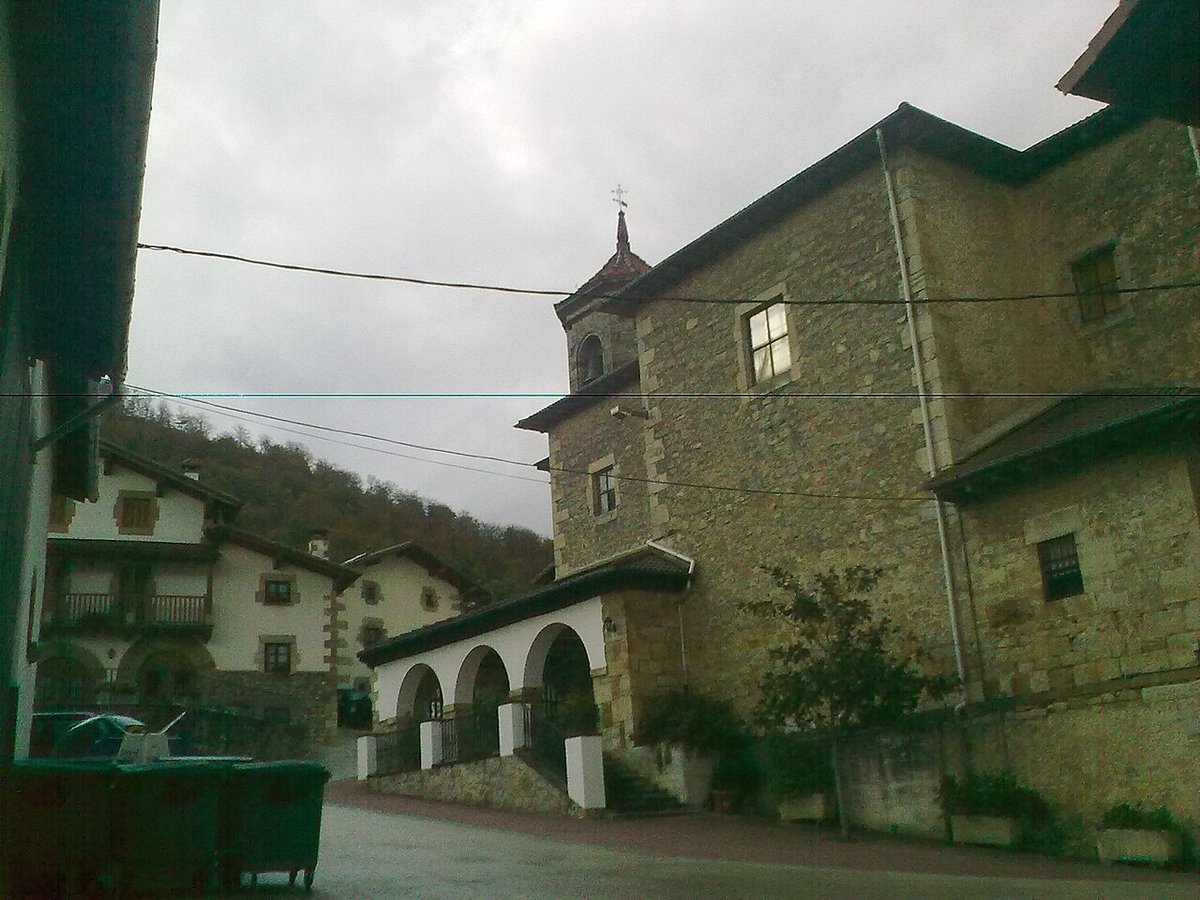
Vista aérea de Olaibar
Instituto Geográfico Nacional · CC-BY 4.0 scne.es
Navarra · Kingdom of Diversity

Olaibar

The church bell strikes noon as mist clings to the upper pastures. At 600 metres above sea level, Olaibar's microclimate means mornings arrive wrap...

399 inhabitants · INE 2025
470m Altitude

Why Visit

quiet, green area Church of Olave

Best Time to Visit

septiembre

Riverside walks Fiestas del Valle (septiembre)

Things to See & Do
in Olaibar

Heritage

  • quiet, green area

Activities

  • Church of Olave
  • Ulzama River

Festivals
& & Traditions

Fecha Fiestas del Valle (septiembre)

Paseos fluviales, BTT

Las fiestas locales son el momento perfecto para vivir la autenticidad de Olaibar.

Full Article
about Olaibar

Transition valley near Pamplona; includes Endériz and Olave

Ocultar artículo Leer artículo completo

The church bell strikes noon as mist clings to the upper pastures. At 600 metres above sea level, Olaibar's microclimate means mornings arrive wrapped in cloud while afternoons burn off into sharp blue skies. This isn't the Spain of costas and concrete—it's Navarra's mountain hinterland where cattle graze higher than the village roofs and where autumn arrives six weeks earlier than along the coast.

Stone, Wood and Sky

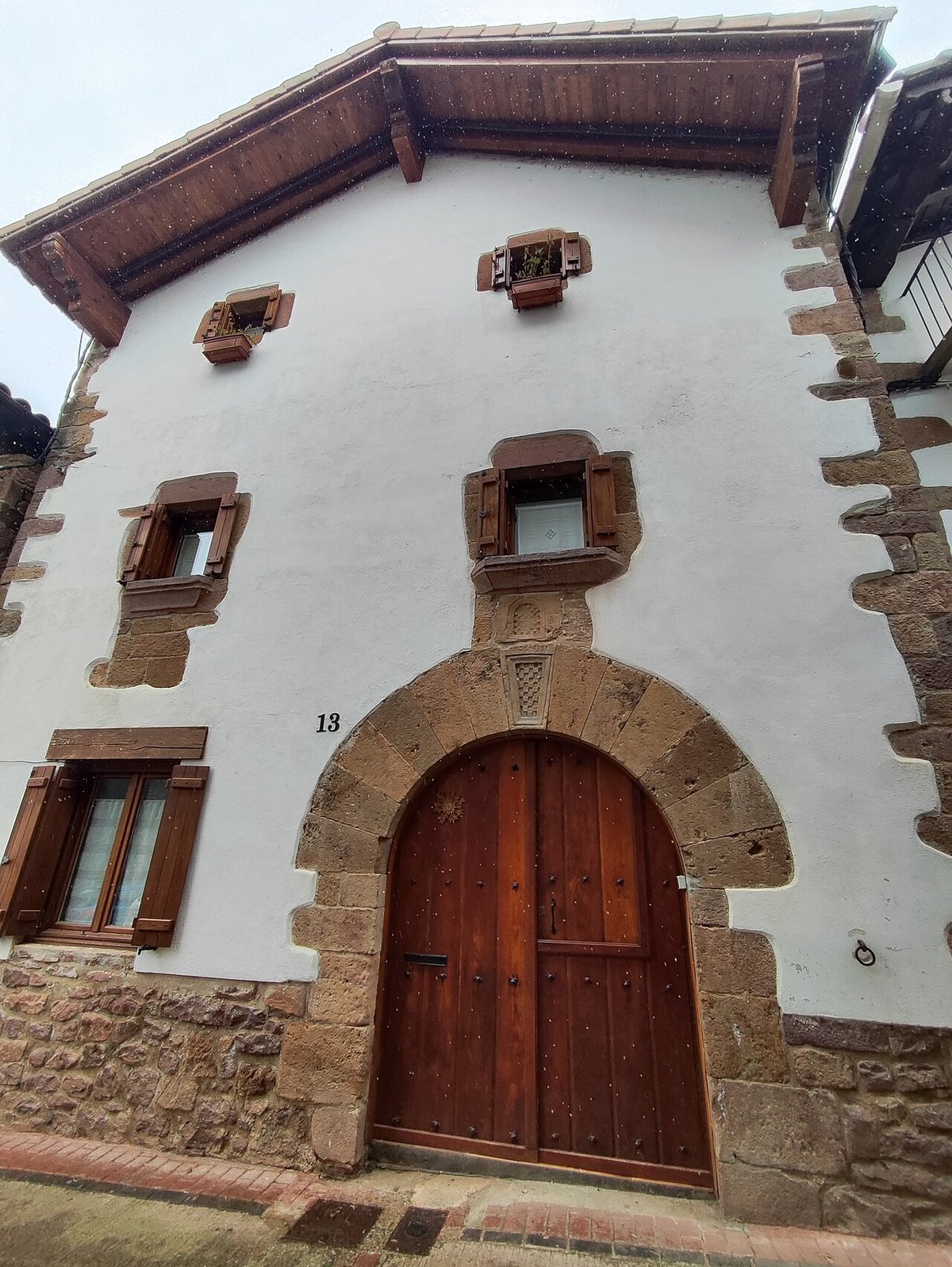
Walk the single main street and the altitude announces itself immediately. Traditional houses sit heavy-shouldered against the wind, their stone bases giving way to timber balconies that creak with character rather than convenience. The parish church anchors the village centre—not a cathedral, not even particularly grand, but bearing the scars of centuries in its mismatched masonry. Reused Roman stones sit beside 18th-century additions, creating a timeline you can read with your fingertips if the morning frost hasn't made them too numb.

The village spreads across several small nuclei rather than clustering tight. This dispersal means Olaibar feels larger than its 500 souls suggest. Between the hamlets lie working meadows where Navarran cattle—the distinctive red-blond breed—graze beneath cherry trees that burst white in spring and burn copper come October. The altitude here isn't extreme by mountaineering standards, but it's sufficient to make every walk feel like proper exercise. Lungs accustomed to sea level will notice the difference on the steeper lanes.

Local architecture follows mountain logic. Roof pitches are sharper than in southern Spain, designed to shed winter snow that can blanket these heights for weeks. Chimneys stand tall and proud—this is heating country where nights drop below freezing from November through March. The stone escutcheons mounted on several façades aren't mere decoration; they're practical anchors for the iron rings once used to tether livestock during market days.

Walking the Skyline

The real attraction here requires decent boots and a willingness to climb. A network of farmers' tracks and proper footpaths radiates from the village edges, climbing through oak and beech woods to natural viewpoints where the entire valley spreads below. The most accessible route—a 90-minute circuit marked with faded yellow arrows—gains 200 metres to reach a rocky outcrop locals call El Castillo. The name flatters the geology; it's merely a crag, but the 360-degree panorama takes in three distinct valleys and, on clear days, the white peaks of the Pyrenees proper.

Spring walks reward with wild asparagus pushing through terrace walls and the sound of cuckoos echoing across impossible distances. Autumn transforms the same paths into tunnels of gold and rust, the beech woods becoming properly spectacular by mid-October. Summer hiking starts best at dawn—by 11am the sun burns fierce on south-facing slopes, though the altitude keeps temperatures ten degrees cooler than Pamplona's plain below. Winter access depends on recent weather; snow can render upper paths impassable without proper equipment, while lower circuits remain walkable year-round.

The walking here isn't about ticking off summits or bagging peaks. Distances are modest, gradients manageable, but the combination of altitude and isolation creates a genuine sense of mountain wilderness within minutes of leaving the village. Carry water—there's no café culture at these heights—and don't rely on mobile signal once you drop into the wooded valleys.

What Passes for Gastronomy

Food in Olaibar follows subsistence patterns rather than restaurant trends. The local cooperative sells sheep's cheese that tastes of the high meadows—herbal, slightly sharp, completely different from the milder varieties produced in the lowlands. Honey appears in autumn when beekeepers move hives up from the plains to catch the late mountain flowers. Mushrooms, when they appear, get traded rather than sold; ask at the village shop and you might find someone willing to part with a handful of níscalos for a few euros.

The single bar opens irregular hours that follow farming schedules rather than tourist demands. Thursday seems reliable, other days less so. When it's shuttered, the nearest certain food is back down the mountain in the valley town of Olite—twenty minutes by car, longer if the mountain road's coated with winter ice. This isn't a destination for culinary weekends; come self-sufficient or prepared to travel for dinner.

What you will find is product honesty. The tomatoes taste of actual tomato because they grew in gardens visible from your guesthouse window. The eggs come from chickens that scratch in farmyards you walked past that morning. In a country where rural tourism often means staged authenticity, Olaibar's food chain remains defiantly real.

When the Weather Rules

Mountain weather here doesn't suggest, it dictates. Spring arrives late—April can still bring frost while May sees sudden explosions of green that seem to happen overnight. Summer days start cool and clear, building to afternoon clouds that might dump twenty minutes of dramatic rain before clearing to perfect evenings. Autumn begins in September with morning mists that photographers dream about but drivers dread. Winter arrives properly in December, when the road from the valley can ice over for days.

The practical impact is simple: pack layers regardless of season. That sunny morning photograph showing the village bathed in golden light? Taken at 7am before the cloud rolled in. The afternoon walk you planned? Might need shortening when visibility drops to fifty metres. This isn't meteorological moaning—it's mountain reality that shapes every aspect of village life.

Access reflects these conditions. The paved road from Pamplona climbs steadily for 25 kilometres, passing through three distinct climate zones. Winter driving requires snow tyres from December through March; the council grades the road but doesn't prioritise it like the main valley routes. In heavy snow, Olaibar becomes temporarily isolated—a fact that locals treat with resignation rather than drama. They stock up accordingly, and visitors should too.

The Honest Assessment

Olaibar won't suit everyone. The altitude makes everything slightly harder work—walking uphill to your car, carrying shopping, even sleeping takes adjustment if you're used to sea level. Services are minimal; there's no petrol station, no cashpoint, no Sunday newspaper delivery. Mobile coverage remains patchy enough to make streaming impossible and phone calls adventurous.

Yet for those seeking mountain Spain without ski-resort prices or hiking-boot commercialism, these limitations become the attraction. The village offers something increasingly rare—a working mountain community that functions for its own sake rather than visitors' convenience. You arrive as a tolerated guest rather than a catered customer, which makes the experience feel earned rather than purchased.

Come for two hours and you'll leave disappointed. Come for two days with proper boots, a full tank, and realistic expectations about mountain weather, and Olaibar delivers something no coastal resort can match—the chance to breathe air that tastes of altitude and autumn, to walk paths where the only tracks are deer and cattle, to sit in a village square where the conversation concerns tomorrow's weather rather than tonight's entertainment. Just remember to fill up before you climb—the nearest petrol station is all downhill from here.

Key Facts

Region
Navarra
District
Valles
INE Code
31188
Coast
No
Mountain
No
Season
septiembre

Livability & Services

Key data for living or remote work

2024
Connectivity5G available
TransportTrain nearby
HealthcareHealth center
Housing~5€/m² rent · Affordable
CoastBeach nearby
Sources: INE, CNMC, Ministry of Health, AEMET

Planning Your Visit?

Discover more villages in the Valles.

View full region →

More villages in Valles

Traveler Reviews