Full Article
about Artajona
Famous for "El Cerco"
Hide article Read full article
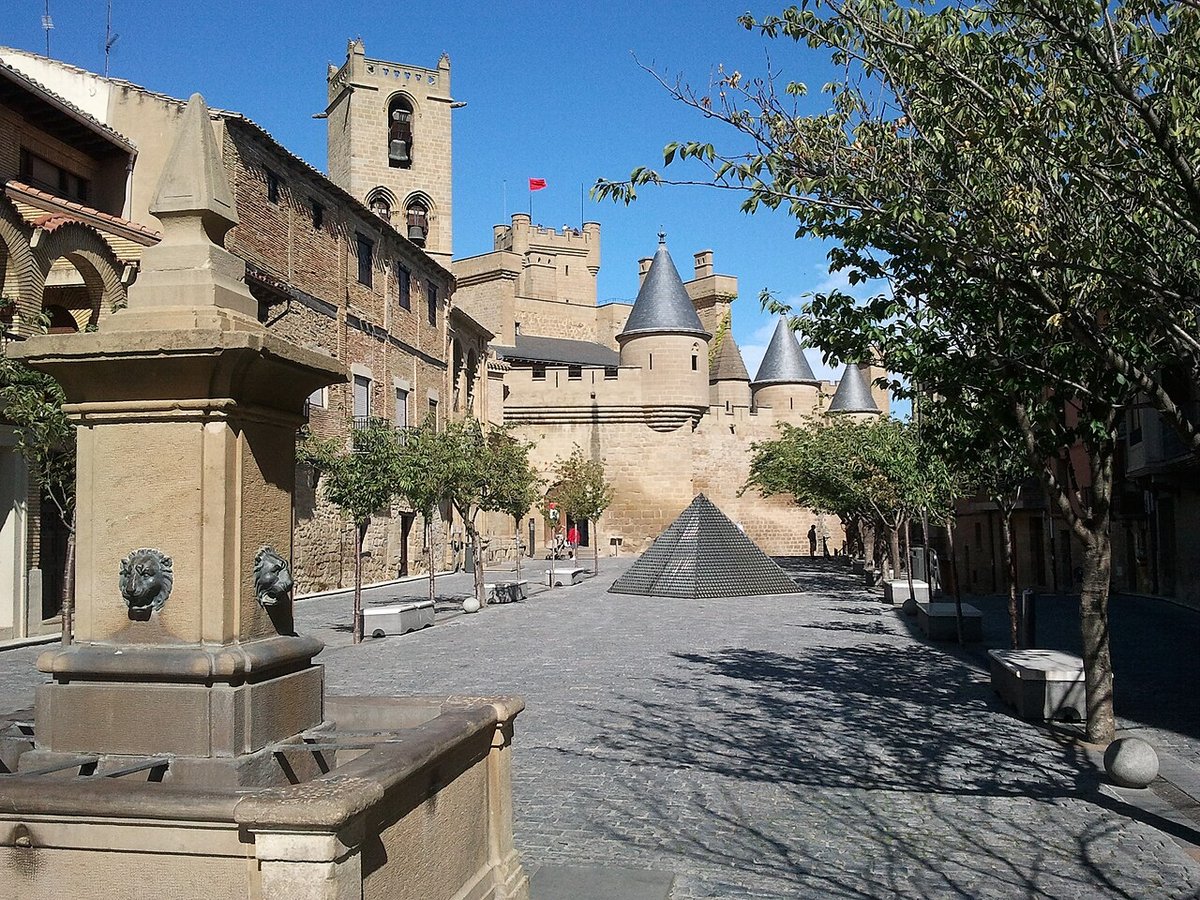
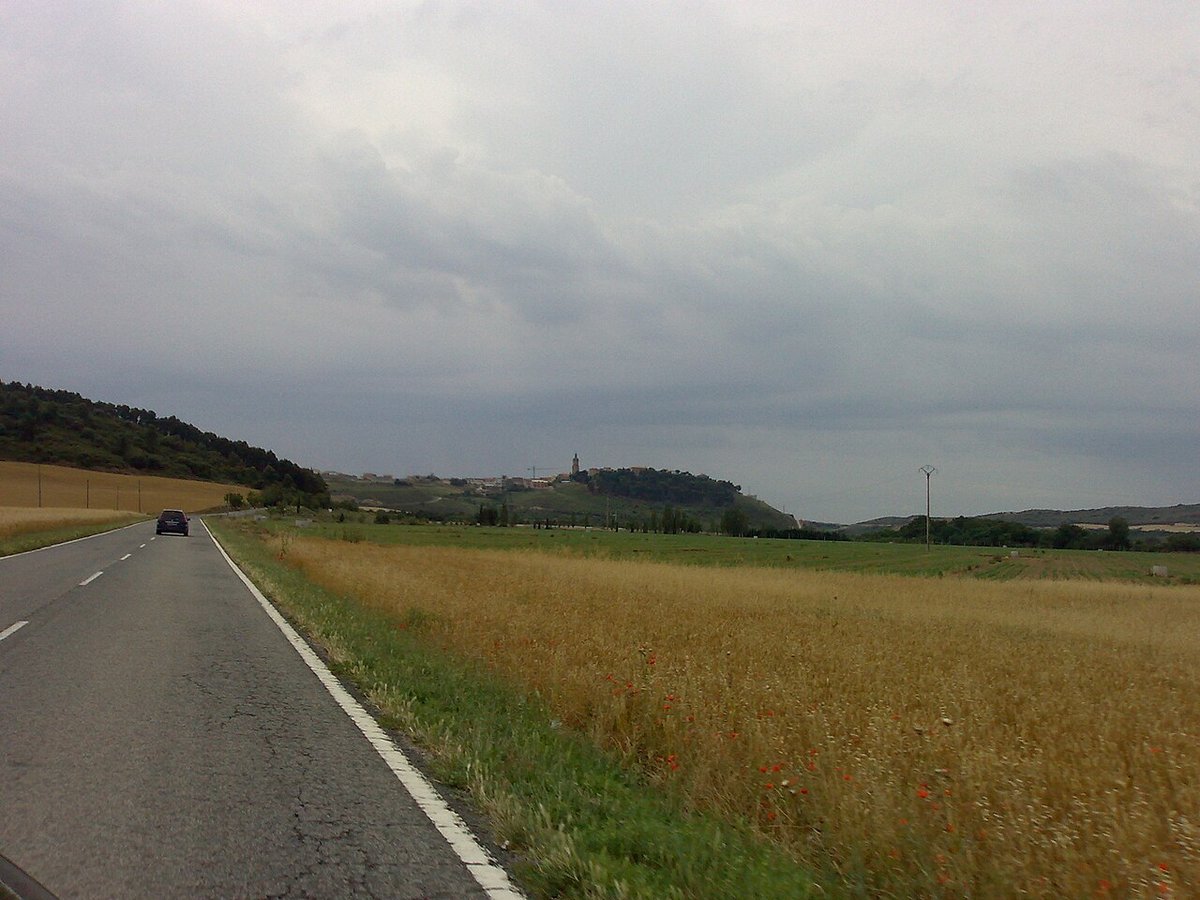
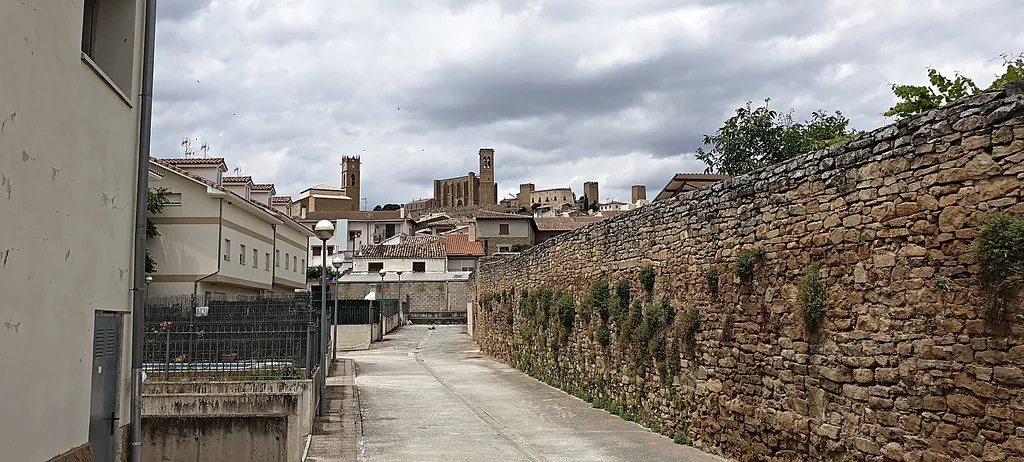
The road from Pamplona climbs gently for half an hour, then swings left and the horizon suddenly acquires teeth. Nine sandstone towers stand on a ridgeline 427 m above the cereal plain, their crenellations still sharp after eight centuries. That is the first glimpse of Artajona, and it explains why locals simply say “subir arriba” – “go up top” – when they mean a trip to the fortified hill known as El Cerco.
Up on the ridge
Park in the broad gravelled terrace below the walls; no vehicle wider than a farmer’s pick-up survives the medieval gate. The climb is short – five minutes on uneven cobbles – but the temperature drops a degree or two with every switchback. Even in July the wind arrives unannounced, funnelling between the towers and whipping the wild fennel that grows from the parapets. Bring a jacket; stone holds cold better than heat.
Once inside you walk a loop of wall just over a kilometre long. The walkway is simply the original battlement: no handrails, no souvenir stalls, only the odd information panel that flaps in the breeze. To the north the wheat plateau stretches away like an English down, only the distant blades of wind turbines betraying the century. Southwards the land breaks into wooded gullies that hide the road to Tafalla and, beyond it, the wine villages of Olite and San Martín.
Mid-way round you meet the thirteenth-century church of San Saturnino, its tower doing double duty as a defensive keep. The door is usually locked Monday to Thursday; arrive on a weekend and the caretaker will let you in for a voluntary euro. Inside, the air smells of candle wax and freshly-swept stone. A single Renaissance retablo fills the apse – gilt, flaking, and improbably bright after the bleached landscape outside.
Down in the lower town
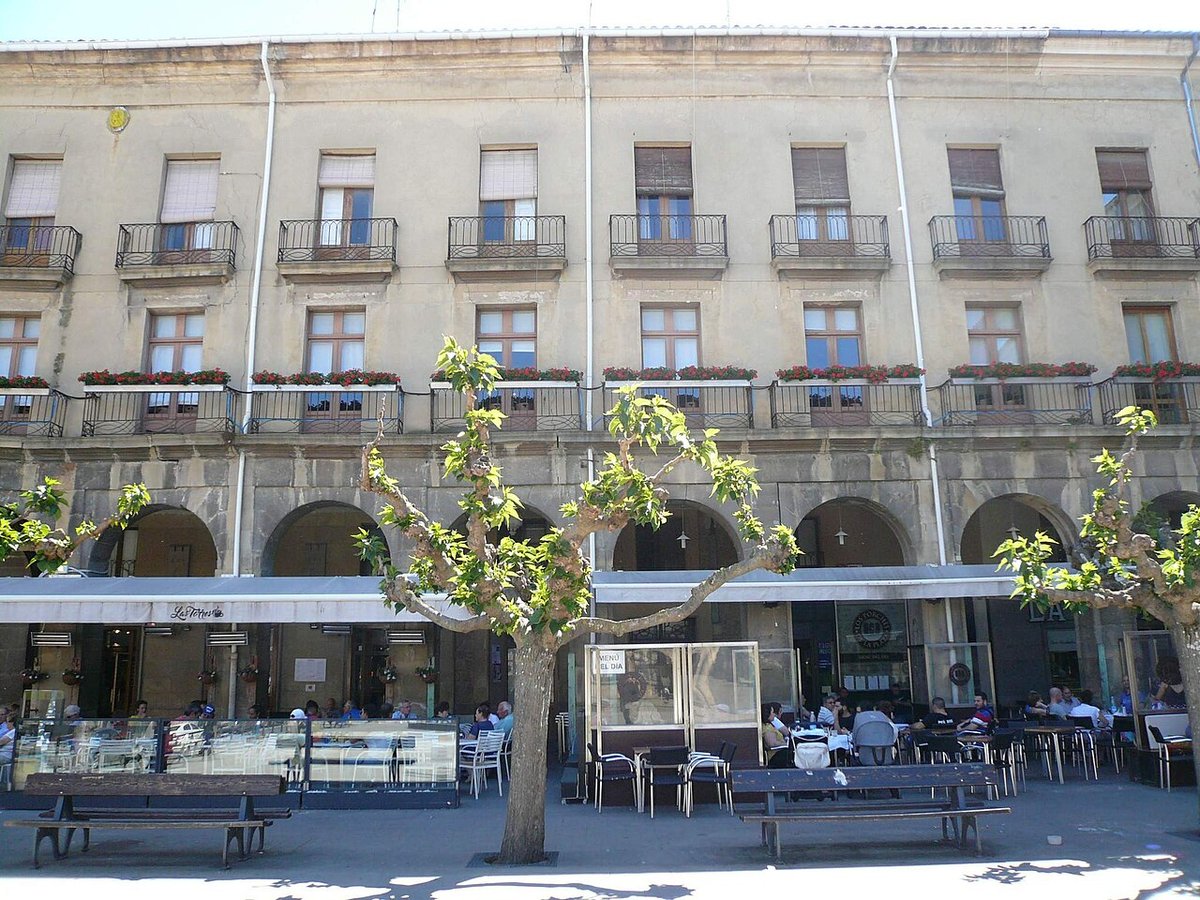
When you descend through the Portillo gate the temperature rises again and the soundtrack switches from wind to human voices. Plaza de los Fueros is the functional heart: chemist, bakery, two bars and a bank with the only cash machine for several kilometres. Housewives queue for pan de pueblo before eleven; by noon the men have colonised the terrace tables for a caña and a game of cards. Order a chistorra sandwich – the local sausage is milder than chorizo, served warm in a crusty roll that costs two euros and arrives wrapped in a paper napkin.
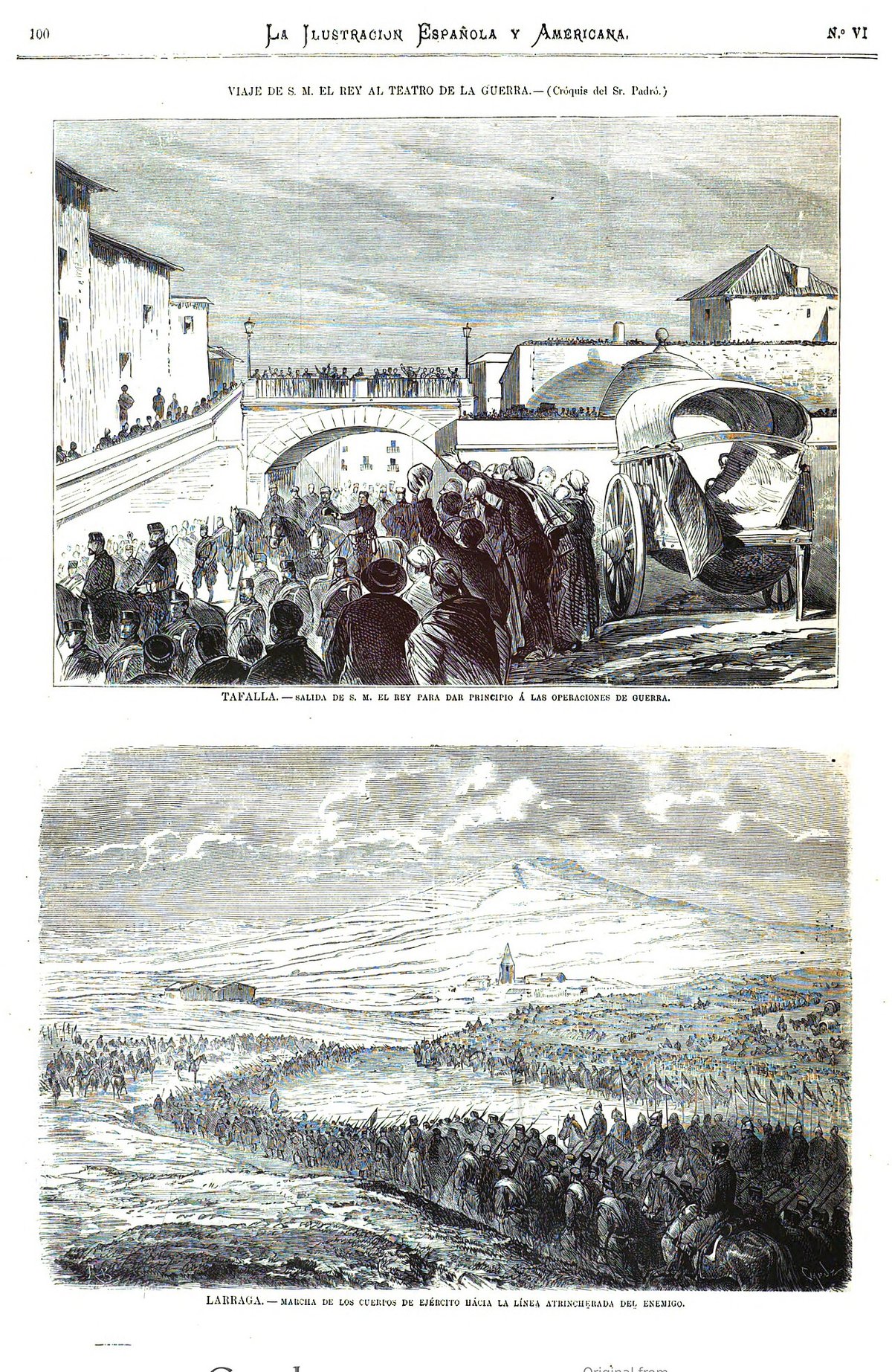
Artajona’s modern quarter spreads downhill in a grid of low, whitewashed houses. It takes twenty minutes to walk from one end to the other, longer if you stop to read the ceramic street signs that commemorate battles no British guidebook mentions. The tourist office hides in the town hall basement; knock loudly if the lights are off – staff often double as library assistants and may be shelving books next door.
Wine, wheat and weekends
The surrounding land is divided into disciplined stripes: wheat on the flat, Garnacha vines on the sunny shoulders, olive trees wherever the soil becomes too thin to plough. A cooperative bodega on Calle San Francisco sells young rosado that travels badly but tastes of strawberries and the local gale wind. They will rinse empty water bottles for you if you forgot to bring your own container.
Come on a weekday out of season and you will share the walls only with a retired teacher walking her spaniel. Come in August for the Festival Medieval and you share them with ten thousand Navarrese, half of whom have booked every room within thirty kilometres. Olite, ten minutes down the motorway, has more hotels and an equally impressive castle; use it as a base and treat Artajona as a morning outing.
A half-day that stretches
The standard circuit – walls, church, plaza – fills ninety minutes. Stretch it to half a day by following the signed path that drops from the east tower to the fourteenth-century basilica of Nuestra Señora de Jerusalén, two kilometres across fields. The building stands alone, barn-like and barn-coloured, surrounded only by cypresses and the occasional grazing horse. Inside, a twelfth-century Romanesque Virgin surveys an interior whose floor is still stamped earth. The door is never locked; the only sound is swallows nesting in the rafters.
Walk back via the dolmen de Portillo, a Neolithic burial chamber wedged between a vineyard and a electricity pylon. It lacks the brochure glamour of better-known sites, but the farmer has left a picnic table under a walnut tree and the stones are warm enough to sit on until the sun slips behind the ridge.
When to go, and when not
Spring brings poppies into the wheat and the first rosado is bottled around Easter. Autumn paints the vines red and the grain stubble gold; both seasons offer sharp morning light and afternoon temperatures in the low twenties. Summer is feasible if you start early – by two o’clock the stone radiates heat like a pizza oven and the only shade is inside the church, assuming it is open. Winter can be radiant or filthy; when the cierzo wind arrives from the Ebro valley the battlements are no place for lightweight anoraks.
Rain turns the cobbles into a skating rink. The Navarre regional government grits the main roads but not the lanes inside El Cerco; if the forecast mentions chubascos swap walking boots for something with a Vibram sole and consider postponing altogether. On days like that Artajona feels less like a fortress and more like a ship washed by cloud, the towers disappearing into mist one by one.
The honest verdict
Artajona will not keep you busy for a week, or even a full day. It offers no souvenir tat, no boutique hotels, no Michelin stars – and that is largely the point. What it does offer is a textbook example of a medieval walled town that still belongs to the people who live below it, not to the coach companies that thunder past on the motorway. Bring sensible shoes, a windproof layer and a Spanish phrasebook; leave before you run out of things to look at, and the nine sandstone towers will follow you down the road like a row of broken teeth against the Navarrese sky.