Full Article
about Barásoain
A noble town in Valdorba, known for its large stone houses and its link to the musician Martín de Azpilicueta.
Hide article Read full article
A village shaped by open farmland
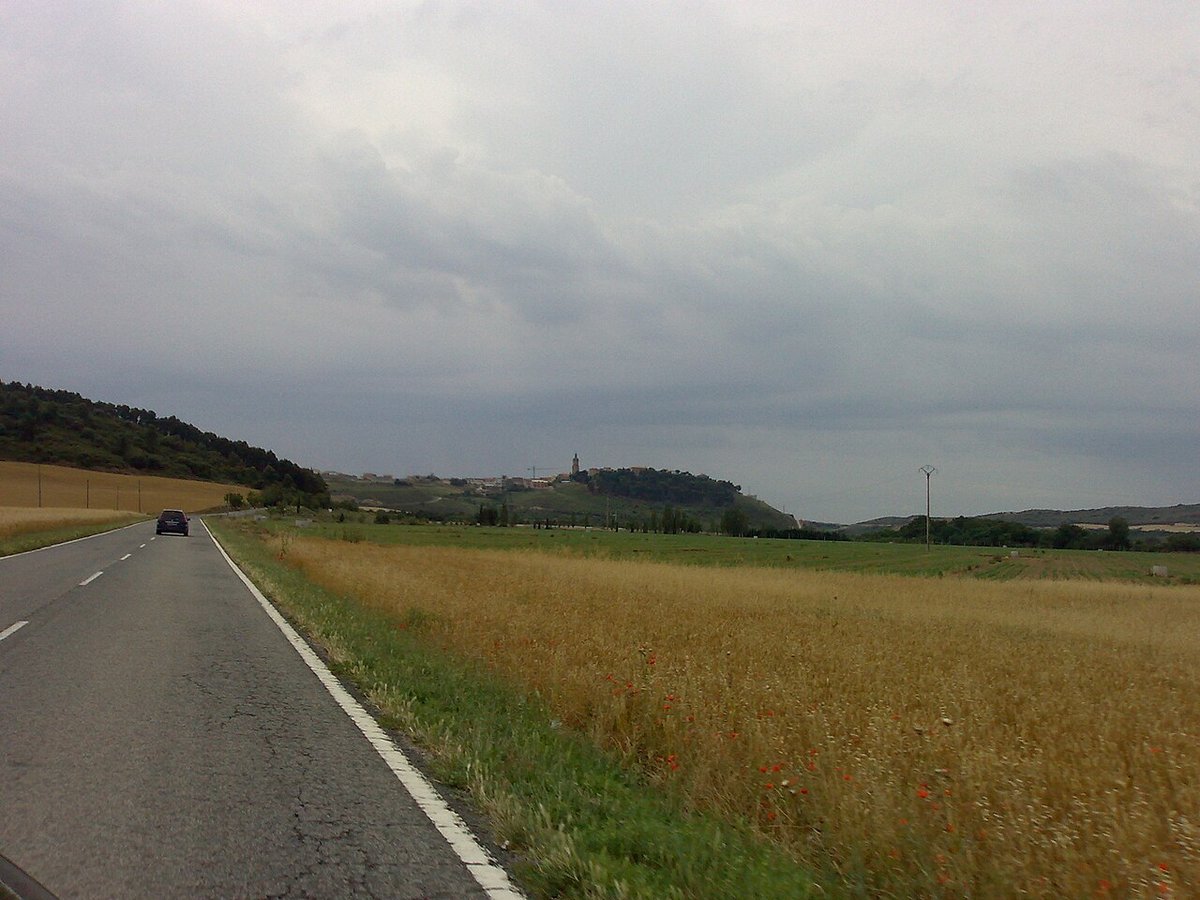
Barásoain sits in the Zona Media of Navarra, a part of the region defined by wide cereal fields and low rolling hills. This is an open landscape, with long views across farmland that change colour with the seasons. The village itself has just over six hundred residents and keeps the scale and feel of places that have grown around agriculture rather than industry or tourism.
There are no standout monuments that dominate the map. Instead, Barásoain is understood through its relationship with the land. Over centuries, the settlement has adapted to a territory organised around cultivation, where daily life has been tied to the rhythm of sowing and harvest. That connection is still visible in how the village sits within its surroundings, neither separate from the fields nor overwhelmed by them.
San Pedro: a steady presence
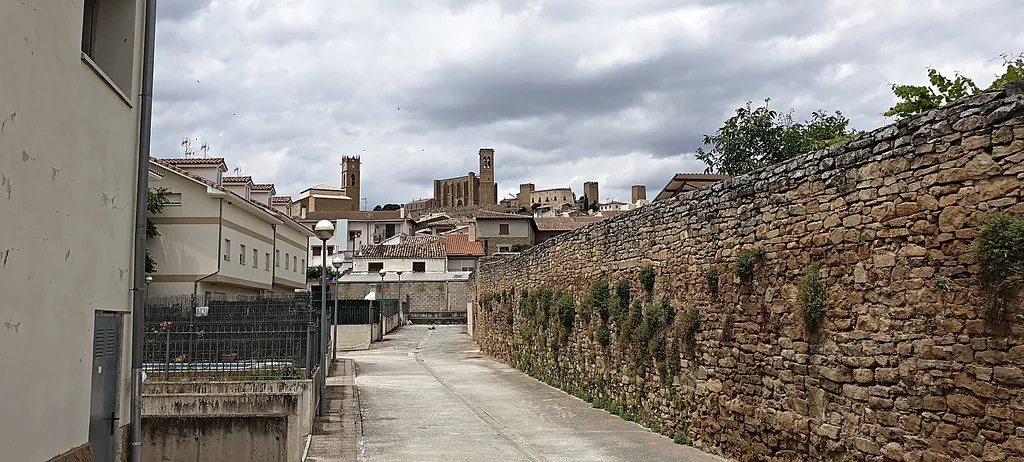
The main reference point in Barásoain is the church of San Pedro. Its origins go back to the Romanesque period, although later alterations have changed parts of the structure. What remains consistent is its role in the village. The square tower defines the skyline and can be seen from the paths that approach through the fields, acting as a visual anchor long before reaching the streets.
Inside, the church holds an 18th-century Baroque altarpiece. It is not especially large or elaborate, but it reflects a long continuity of parish life. In many villages across this part of Navarra, the church has historically been at the centre of community life, and San Pedro follows that pattern. The building speaks less about grandeur and more about persistence, about how religious and social life have remained intertwined over generations.
Streets, stone and small details
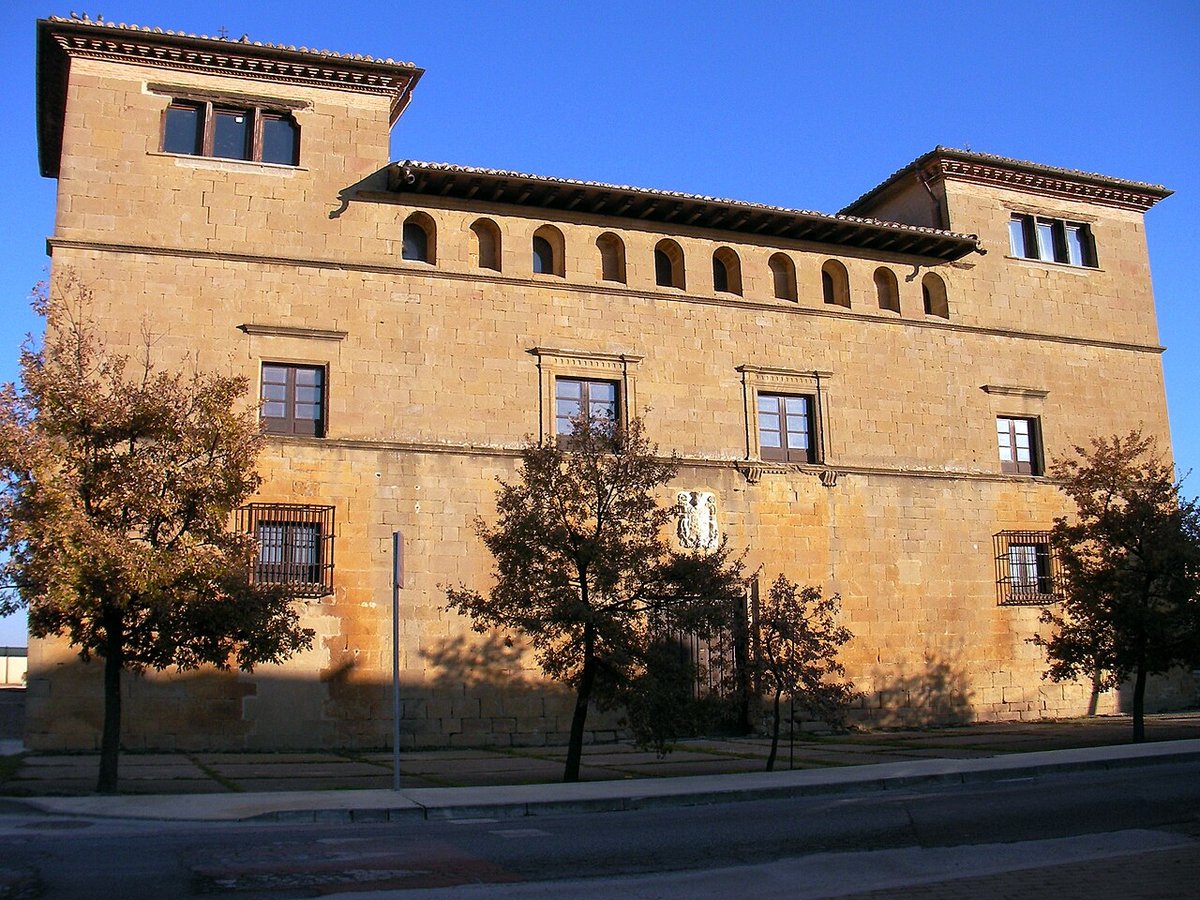
The urban centre of Barásoain is compact and easy to walk through in a short time. Its streets are narrow, shaped by older layouts that predate modern planning. Houses built in stone line these routes, constructed across different periods and showing subtle changes in style and function.
Some façades display coats of arms or inscriptions carved into the stone door frames. They are not always easy to interpret, but they point to families who once held a certain standing in local life. These details appear quietly, without explanation panels or markers, and reward a slower look.
There are also iron balconies and wooden eaves, features commonly found in domestic architecture across the Zona Media. The overall impression is not one of strict uniformity. Many homes have been altered or updated, yet older structures linked to agricultural use are still recognisable. The village feels lived in rather than preserved, with layers of change visible in its buildings.
The agricultural landscape
Just beyond the last houses, the countryside begins almost immediately. Fields of wheat, barley and other crops dominate the surroundings, forming a patchwork that extends across the gently uneven terrain. Shallow ravines break up the flatness, adding slight variations to the landscape without interrupting its openness.
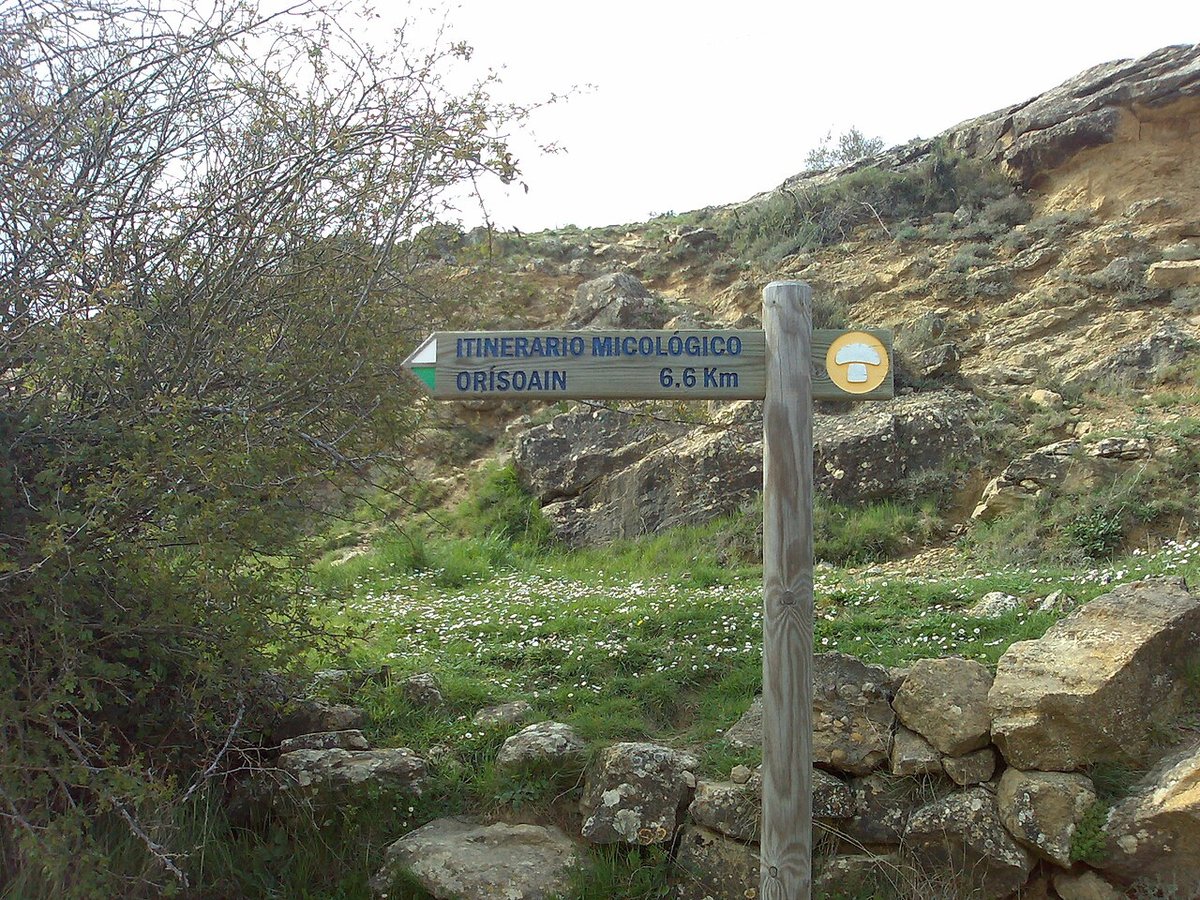
There are no formally marked walking trails, but several agricultural paths cross the area and can be followed without difficulty. These routes connect different plots of land and reflect how the territory is organised for cultivation rather than leisure. Walking along them offers a clear sense of how the agricultural system works and how villages like Barásoain fit into that network of fields.
The experience here is less about reaching a specific viewpoint and more about understanding the continuity of land use. The fields are not a backdrop but the main feature, changing gradually through the year as crops grow, are harvested, and the ground is prepared again.
Local celebrations and a brief stop
The feast of San Pedro, held at the end of June, remains one of the key dates in the local calendar. It is a moment when the village gathers around a shared tradition tied to its patron saint. During the summer, other celebrations are usually organised by the municipality or local associations, adding to the seasonal rhythm of events.
Easter, or Semana Santa, also has a presence in parish life. Its character is more traditional than visitor-oriented, reflecting customs that continue because they belong to the community rather than being staged for an audience. These occasions maintain a neighbourhood feel, where participation matters more than spectacle.
Barásoain does not require a long stay to understand. A walk through its streets, a pause by the church, and a short route along one of the surrounding paths give a clear impression of the place. The experience is straightforward and grounded, without layers of interpretation or curated highlights.
The time of year changes the tone of that experience. In spring and early summer, the fields are at their greenest, softening the landscape. Autumn brings drier colours linked to the harvest, with a more muted palette. In winter, the pace of the village slows further, and the streets are often quiet for much of the day.
What remains constant is the relationship between the settlement and its land. Barásoain is best understood not as a destination with a list of sights, but as a small community shaped by agriculture, where the fields begin at the edge of the last house and continue uninterrupted beyond the horizon.