Full Article
about Beire
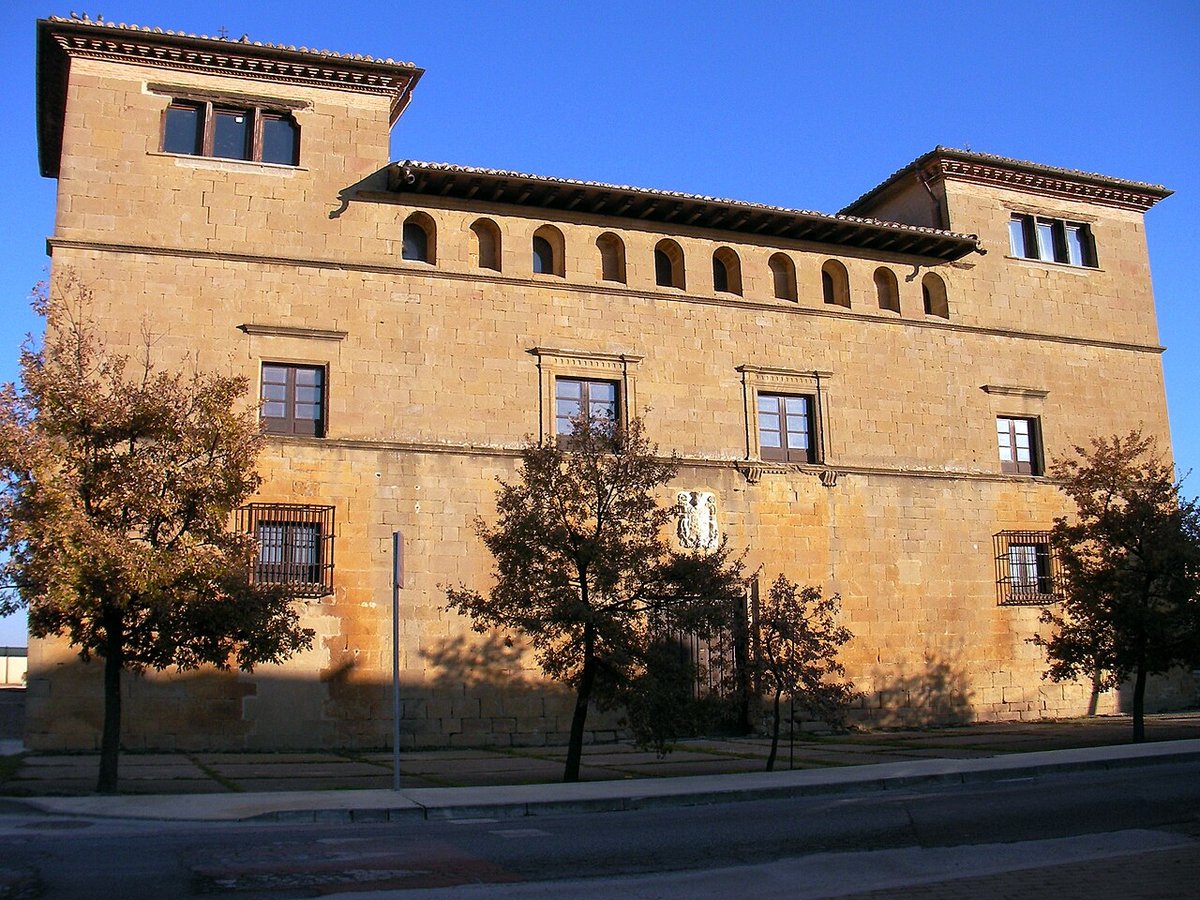
Town near Olite with a palace turned hostel; set in Ribera Alta farmland.
Ocultar artículo Leer artículo completo
A horizon that keeps its mouth shut
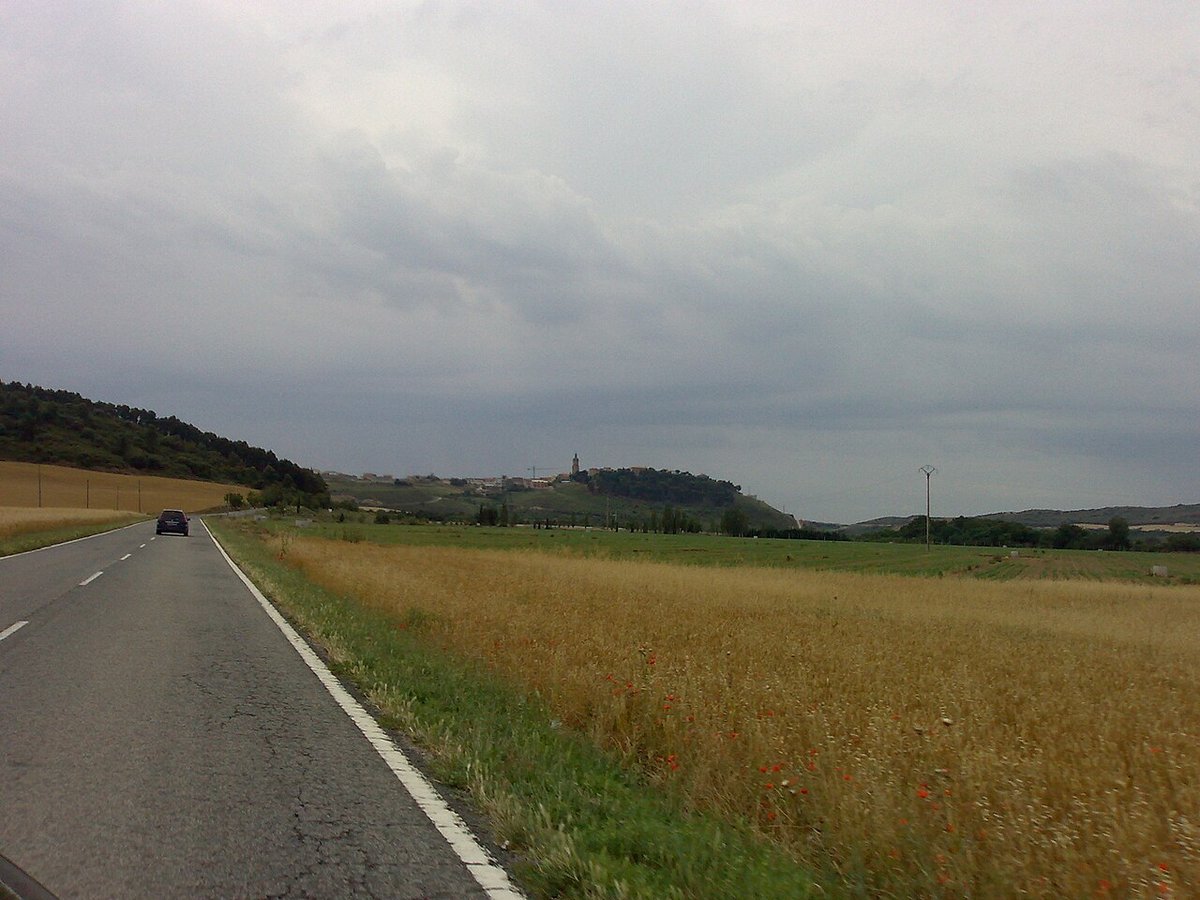
Stand on the edge of Beire at seven in the evening and the only sound is the wind combing through wheat. No traffic hum, no café playlist, just the dry rustle of stalks and, if you wait long enough, the clank of a distant tractor turning for home. At 368 metres above sea-level the village sits just high enough for the Ebro valley to unfurl like a corrugated tablecloth, its creases coloured ochre, green or gold depending on the month. The view is big, the village is not: 300 inhabitants, one bar, one church, zero traffic lights.
Stone, brick and the slow creep of ivy
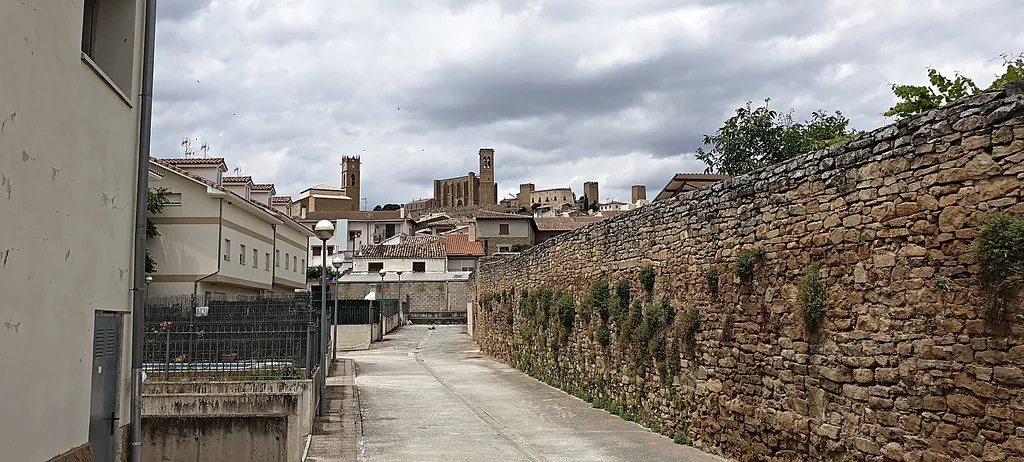
Houses are built from whatever the ground yielded when someone first needed a wall. Lower courses are honey-coloured stone, upper bands are brick the colour of burnt toast, timber beams poke through like cocktail sticks in a sandwich. Carved coats of arms—some 16th-century, some 19th-century wishful thinking—are wedged above doorways at shoulder height; you’ll miss them if you keep your eyes on the mobile map. The lanes narrow as they climb towards the church terrace, just wide enough for a mule and nowadays a Seat Ibiza with its wing mirrors folded. There is no centre as such, more a gentle bulge where three streets meet beside a stone bench and a fig tree that drops fruit on unwary cyclists.
Iglesia de San Miguel Arcángel squats on the highest lump of rock, its tower a compass point for anyone who has wandered too far into the grain. The interior is a patchwork: Romanesque bones, Gothic ribs, Baroque paint laid on later when money allowed. Mass times are posted on a laminated sheet taped to the door; outside those hours the building is kept locked, so check before you hike up the hill expecting instant medieval atmosphere.
What passes for action
Morning activity revolves around the fields. At first light a convoy of quad bikes leaves the village, spray tanks strapped astern like neon rucksacks. By nine the work is done and the streets return to stillness until the bar opens at ten. Bar Bariaín is easy to find—follow the scent of coffee towards the only open door. Inside, locals stand at the counter reading yesterday’s Diario de Navarra while the espresso machine exhales like an old locomotive. A cortado costs €1.30, a chistorra pincho €2.50; they will wrap the sausage in foil if you ask, useful if you plan to walk while you eat.
Walks start literally where the tarmac ends. A signed farm track heads south-east towards Pitillas lagoon, 11 km away across flat cereal steppe. The path is a ribbon of compressed earth wide enough for a combine harvester; you share it with the occasional dog walker and, in May, clouds of painted-lady butterflies heading north from Africa. There is no shade—none—so carry water. If 22 km round-trip feels optimistic, turn back after 40 minutes: by then you’ll have reached the irrigation canal, a good spot to sit on the concrete lip and watch harriers quarter the wheat.
Mountain-bike tyres find better grip. A 26 km loop signed as “Ruta del Trigo” leaves the village, dips into a shallow canyon of red clay, then re-enters the plain beside a ruined Romanesque hermitage. The going is easy—total ascent 180 m—but a gravel tread means hybrids bounce uncomfortably; wider tyres recommended. No bike shop exists in Beire, so bring spares from Olite seven kilometres away.
Calendar beats clock
Time is measured by what is growing, not by the minute hand. In late April the wheat is ankle-high and luminous; by late June it brushes your knees and hisses like a kettle. Harvest arrives mid-July, a week-long storm of dust and diesel during which the village population effectively doubles with combines and grain lorries. After the straw is baled the land looks shaved and pale, an open-air warehouse waiting for next year’s seed.
Human festivals follow the same agricultural pulse. San Miguel at the end of September marks the safe gathering of crops: two evenings of brass-band concerts, one firework that costs more than the village annual road budget, and a paella cooked in a pan the size of a satellite dish. August fiestas are lighter—outdoor bingo, a plastic swimming pool for children, mass followed by chorizo sandwiches in the school playground. Easter is strictly parish business; visitors are welcome but no programme is printed in English, so stand at the back and copy what everyone else does.
How to arrive without waiting for a bus that never comes
Public transport stops in Tafalla, 12 km south. From there you need wheels: hire car, taxi (€22 fixed fare), or legs. The NA-128 threads north through olive groves and suddenly presents Beire on a low ridge like a ship washed up on a tide of wheat. Parking is wherever the verge is wide enough; no metres, no blue zones, no charges. Pamplona airport is 45 minutes away by motorway; Bilbao and Zaragoza are both two hours if you prefer a cheaper flight and a longer drive. Santander ferry from Portsmouth docks at 14:30; you can be in Beire for supper if Spanish customs are feeling kind.
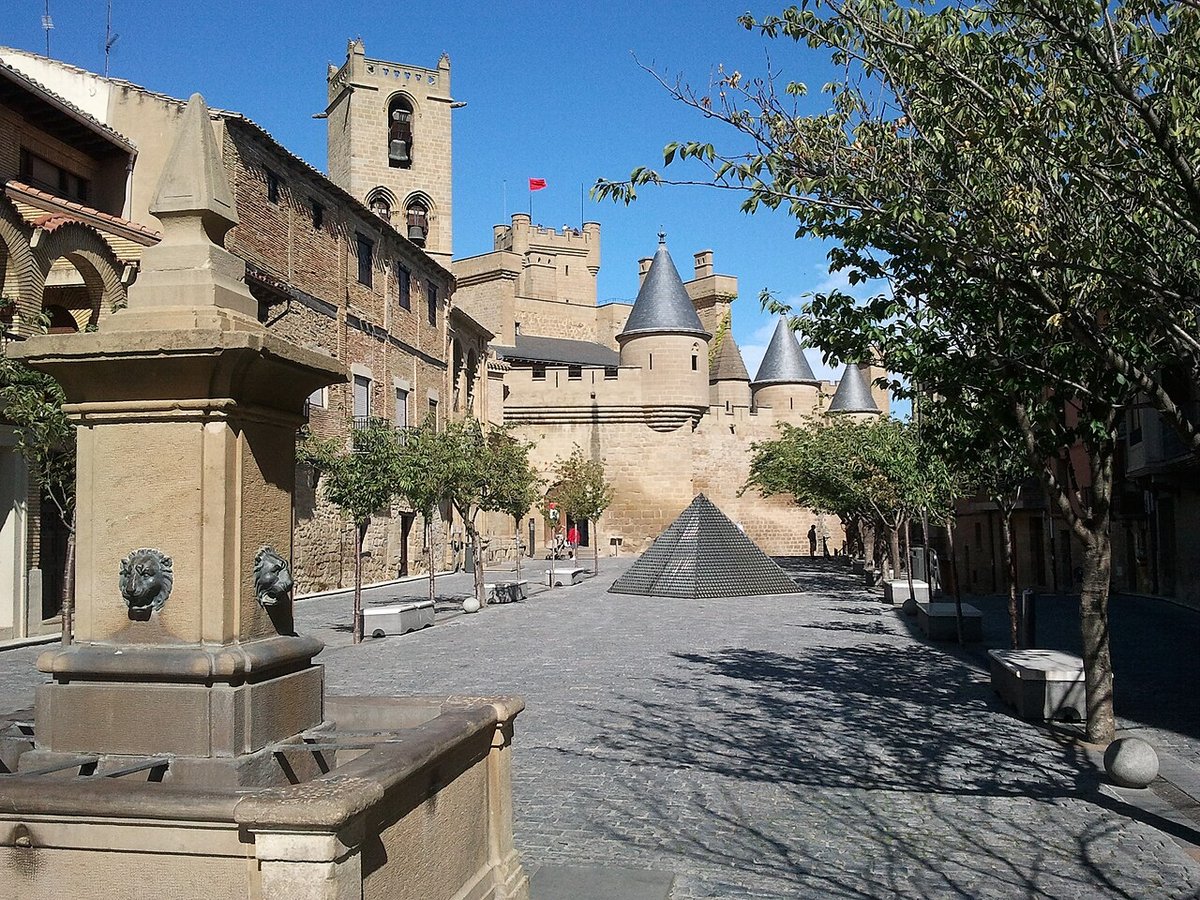
Staying overnight means leaving again. The village has no hotel, no guesthouse, not even a room above the bar. Nearest beds are in Olite: the Parador occupies a 15th-century palace and charges around €140 for a standard double with turret views; Hotel Merindad de Olite offers smaller rooms above the main square for €65, breakfast included. Camping de Olite has shaded pitches and a pool, handy if you’ve driven down with mountain bikes on the roof.
The honest downsides
Mid-summer sun is unfiltered and fierce. At 31°C the stone houses radiate heat like storage heaters; shade exists only on the north side of streets between 14:00 and 16:00, and even then it is a narrow moving strip. Come in July and you will understand why the bar shuts at 14:30—everyone is indoors behind closed shutters waiting for the temperature to drop. Winter swings the other way: the same flat openness that lets the sun roast the wheat becomes a corridor for the Cierzo wind that rips across the plateau at 50 km/h. January highs struggle past 8°C; if the wind is blowing the chill feels closer to freezing.
Rain, when it arrives, is brief but theatrical. Storms roll down from the Pyrenees, flatten a square kilometre of crop, and leave the streets slick with ochre mud that dries into ruts capable of trapping a small wheel. Waterproof boots are more use than an umbrella—the wind turns brollies inside-out faster than you can say “Navarra”.
Worth the detour?
Beire will not keep you busy for a week. It might not keep you busy for a day. What it offers instead is a pause in the rhythm of rushing from castle to cathedral, a place to realise that much of inland Spain still makes its living from soil and weather. Drink the coffee, walk the track until the village is a Lego cluster behind you, then turn round when the silence starts to feel like company. If that sounds too little, stay on the A-12 and head for the next postcard. If it sounds like just enough, the wheat is already waiting.