Full Article
about Berbinzana
Riverside town on the Arga with a major Iron-Age archaeological site.
Hide article Read full article
Berbinzana: un pueblo de la llanura
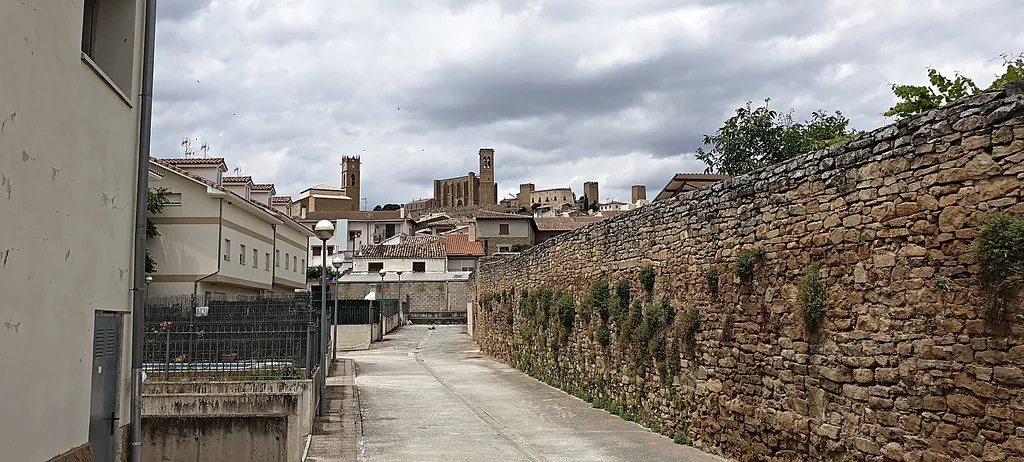
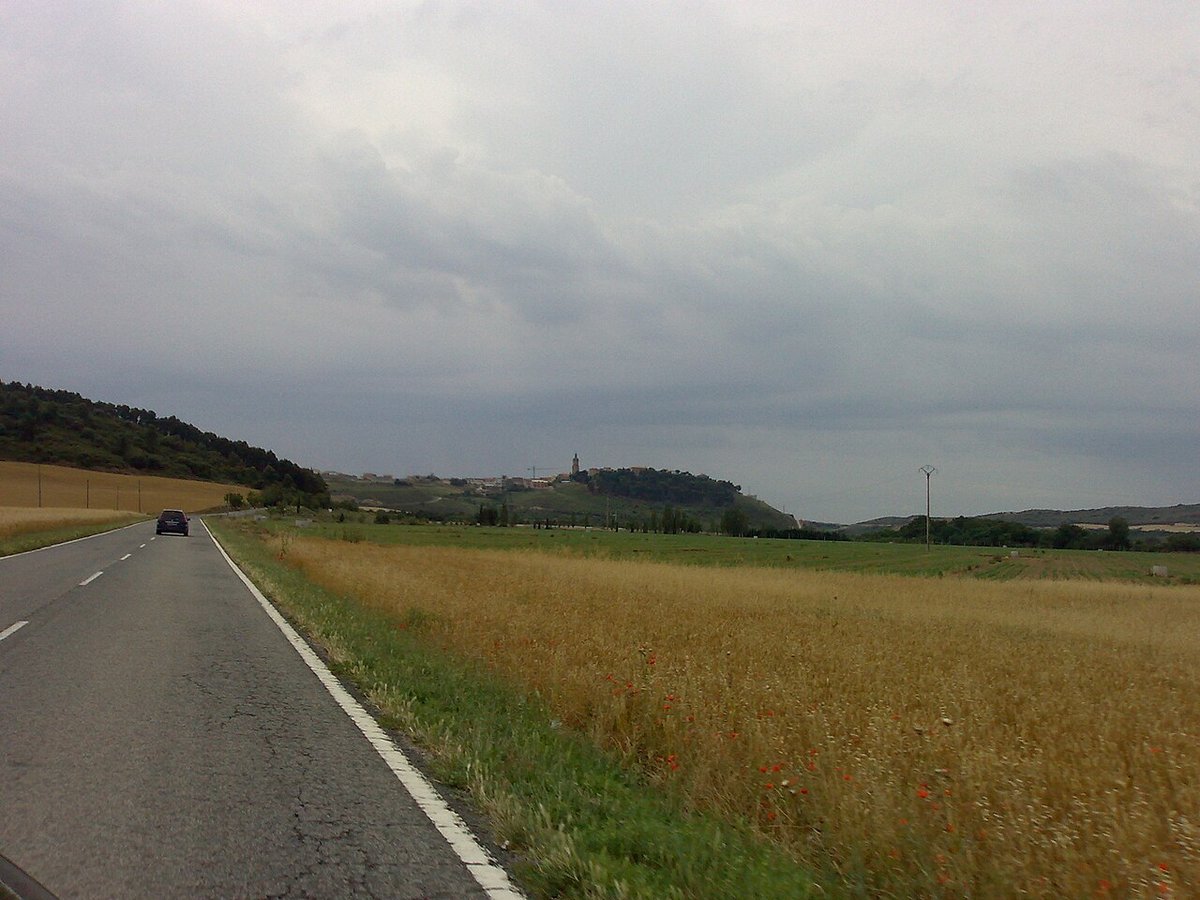
La geografía de la Zona Media de Navarra es, ante todo, agrícola. Berbinzana, con sus unos 670 habitantes, se asienta en esa llanura cerealista. Su trazado lo delata: calles rectas y casas de piedra y ladrillo, sin alardes, construidas para la vida diaria. Este no es un pueblo que se levante para ser mirado; es un pueblo que surge del trabajo en el campo.
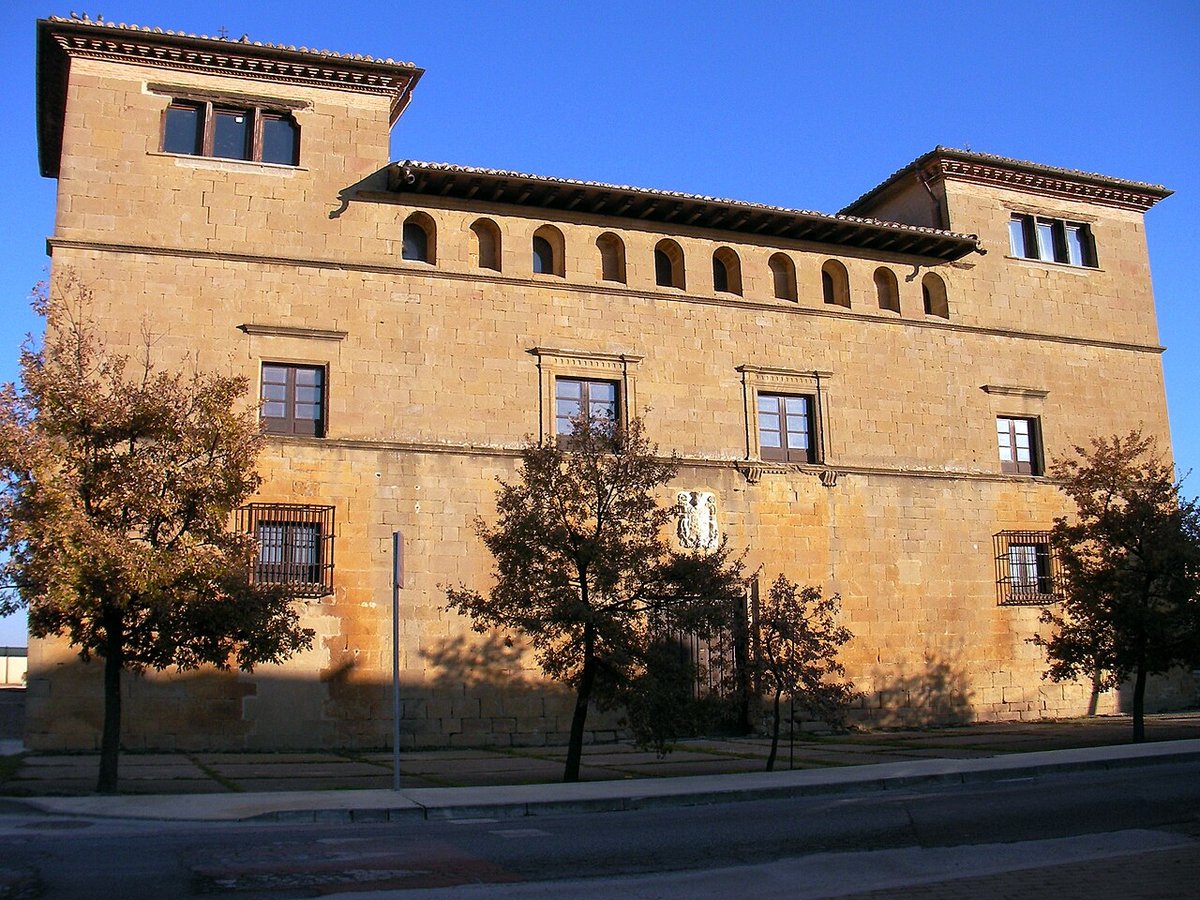
En alguna fachada aparece un escudo labrado en piedra, resto de una casa solariega de los siglos XVI o XVII. Son detalles que no dominan la calle, pero que recuerdan la antigüedad del lugar. La sensación general es la de un núcleo práctico, donde lo monumental cede ante lo funcional.
La iglesia de San Martín de Tours
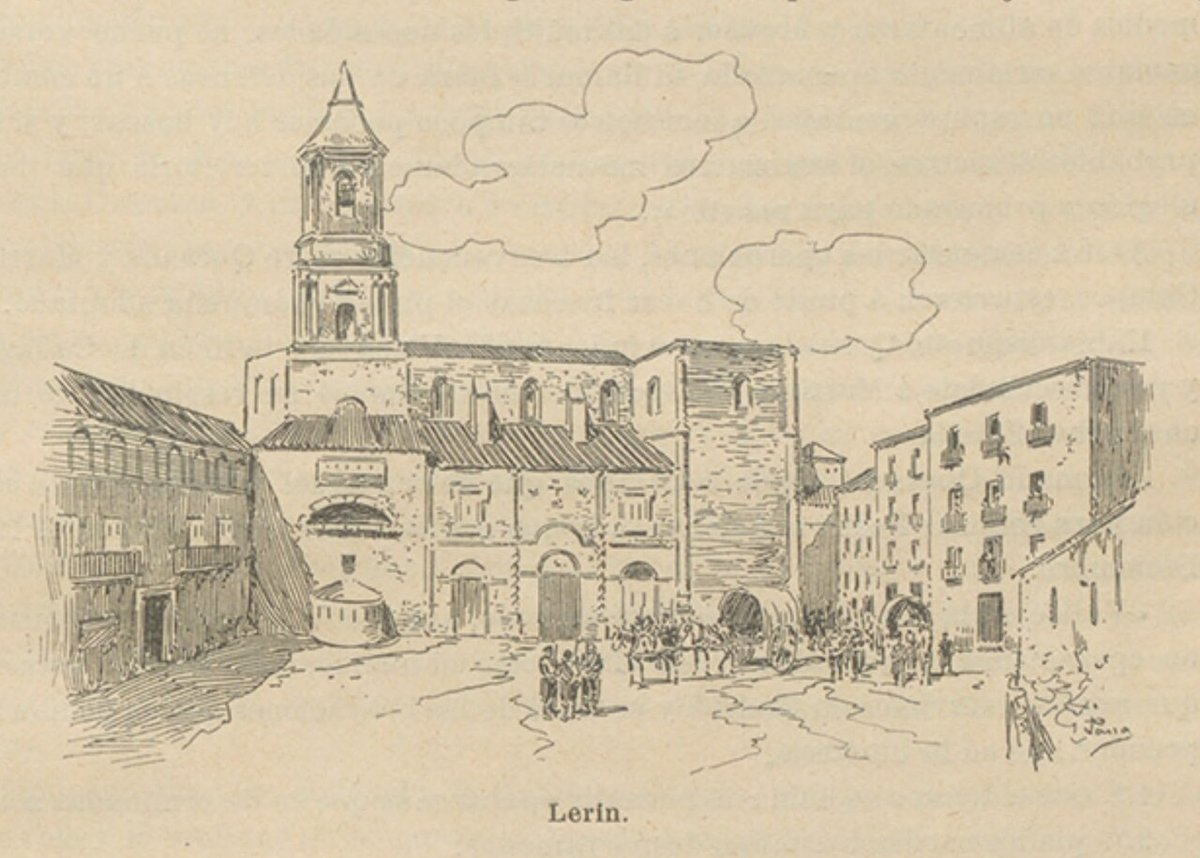
El edificio que marca el centro visual de Berbinzana es la iglesia de San Martín de Tours. Su origen es medieval, aunque su aspecto actual responde a reformas posteriores. La torre, sobria, se ve desde varios puntos y sirve de referencia al caminar.
El interior no suele estar abierto. Cuando se puede acceder, la visita es breve. El espacio es el de una parroquia rural navarra: sencilla, donde prima la función sobre la decoración. Durante siglos ha sido el espacio comunitario por excelencia, y en un pueblo de este tamaño esa función social perdura.
Alrededor de la iglesia quedan algunas casas tradicionales, con portadas de piedra y aleros de madera. No forman un conjunto homogéneo, pero sí explican cómo se ha construido el pueblo: cada época dejó su huella y las necesidades nuevas se incorporaron sin borrar del todo lo anterior.
El paisaje de la Zona Media
Al salir del casco urbano, la transición al campo es inmediata. La agricultura domina y dicta los colores del año: el verde vivo del cereal en crecimiento, el oro de la mies segada, la tierra desnuda del invierno.
Esta parte de Navarra no se define por grandes montañas. La Zona Media actúa como una transición suave entre las sierras del norte y las tierras más llanas del sur. El resultado es un paisaje abierto, que se aprecia mejor desde alguna pequeña elevación cercana. En días claros, los relieves lejanos dibujan el horizonte.
Este escenario marca el ritmo. El calendario agrícola influye en la actividad del pueblo, y esa conexión es visible en cualquier estación.
Senderos entre campos
Una red de caminos y pistas agrícolas rodea Berbinzana. Son vías pensadas para maquinaria, por lo que fuera de los periodos de laboreo suelen estar tranquilas.
Caminar por ellos permite entender la escala real del territorio. Las parcelas se extienden en grandes manchas, delimitadas por líneas rectas. De trecho en trecho aparecen construcciones agrarias aisladas. Es un entorno de trabajo, no un espacio diseñado para el ocio.
No es un terreno para hacer montaña. Es para paseos tranquilos por llano, con el horizonte siempre amplio. La experiencia es simple, pero muestra con claridad cómo se organiza y se usa esta tierra.
Una parada en el camino
Berbinzana se recorre sin prisa en poco tiempo. Un paseo por el centro, la vista a la iglesia y unos minutos por los caminos de salida suelen bastar para formarse una idea clara del lugar.
Muchos viajeros lo encuentran como parte de una ruta más amplia por la Zona Media. La región está llena de localidades pequeñas donde la relación con el paisaje agrario es directa y visible. Berbinzana encaja en ese patrón, ofreciendo una visión sin adornos de la vida rural.
Notas prácticas para la visita
El calor del verano puede ser intenso a mediodía. Las primeras horas de la mañana o el final de la tarde son más cómodas para caminar por los alrededores.
La iglesia puede estar cerrada, algo habitual en pueblos de este tamaño. Conviene contar con que la visita será, probablemente, exterior.
Se suele aparcar con facilidad en las zonas más amplias a la entrada del pueblo, para continuar después a pie. Las distancias dentro de Berbinzana son cortas y se cubren en minutos.