Full Article
about Garínoain
A Valdorba town beside the national highway; starting point for exploring the area’s Romanesque sites.
Ocultar artículo Leer artículo completo
The storks always arrive first. They circle above the stone bell tower of San Martín, checking their summer real estate before committing to another breeding season. From ground level, 532 metres up the Navarran slope, their nests look like careless topknots balanced on medieval stonework. The birds don't care that Garinoain has only 500 human residents; they come for the thermal currents rising off the cereal plains, the same currents that once carried Roman wheat to imperial granaries.
The Horizontal Village
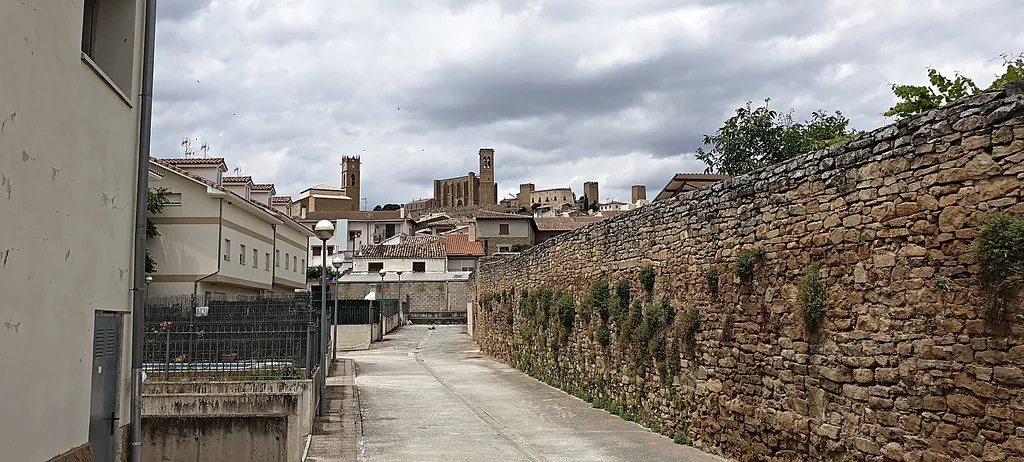
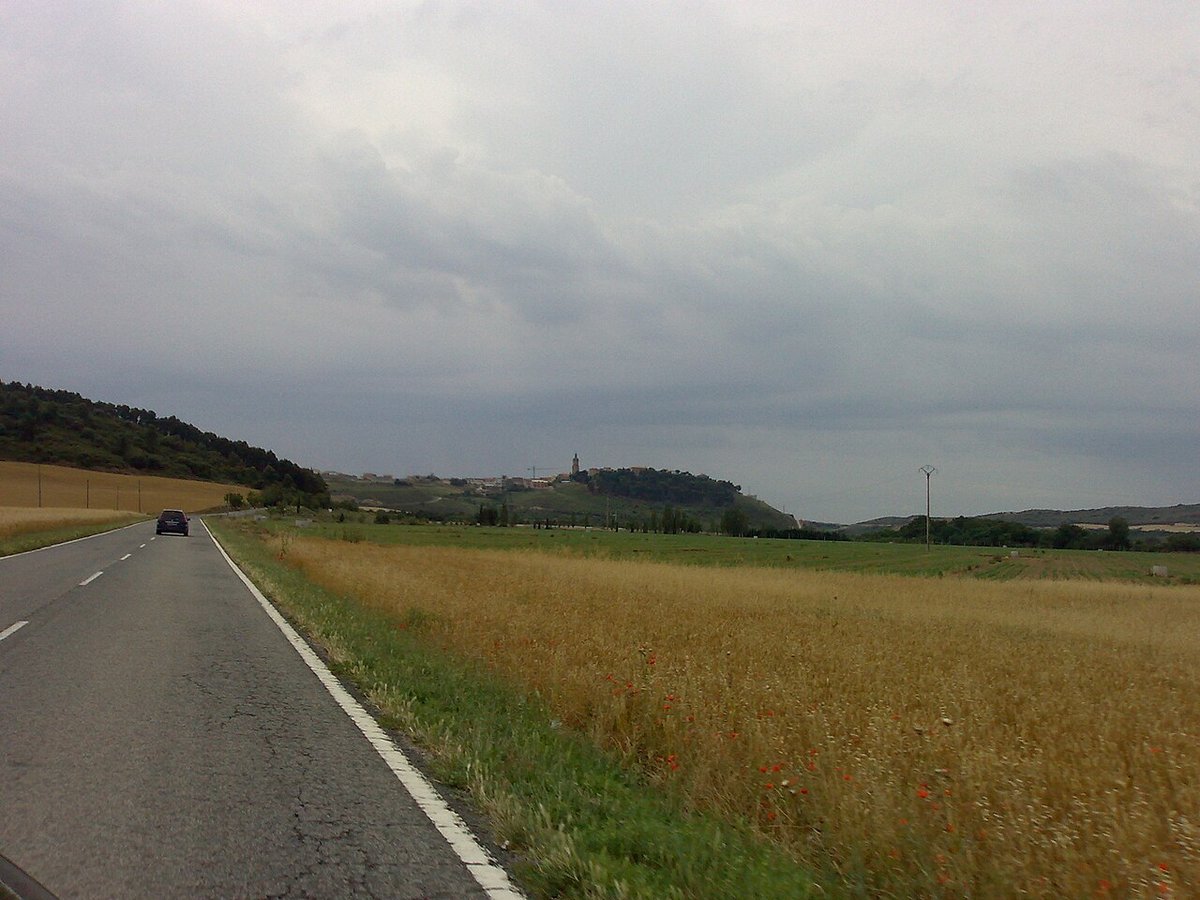
Most Spanish villages climb. Garinoain spreads. Its single-storey stone houses sit low against the wind that sweeps across the Zona Media, a landscape so determinedly flat that the 18-kilometre drive from Pamplona feels like descending onto a different planet rather than merely changing altitude. The village's horizontal logic makes sense once you're walking it: every street eventually delivers you to agricultural tracks that disappear into wheat, barley and the occasional surprise vineyard.
This is farming country with the receipts to prove it. The surrounding fields change colour weekly through spring – first the electric green of new cereal crops, then the softer sage of mature wheat, finally the burnt gold that makes July look like the landscape has been filtered through whisky. Local farmers still use the old threshing floors, stone circles where grain was once separated by hoof and wind. They're obsolete now, but serve as convenient reference points for walkers trying to distinguish one dirt track from another identical dirt track.
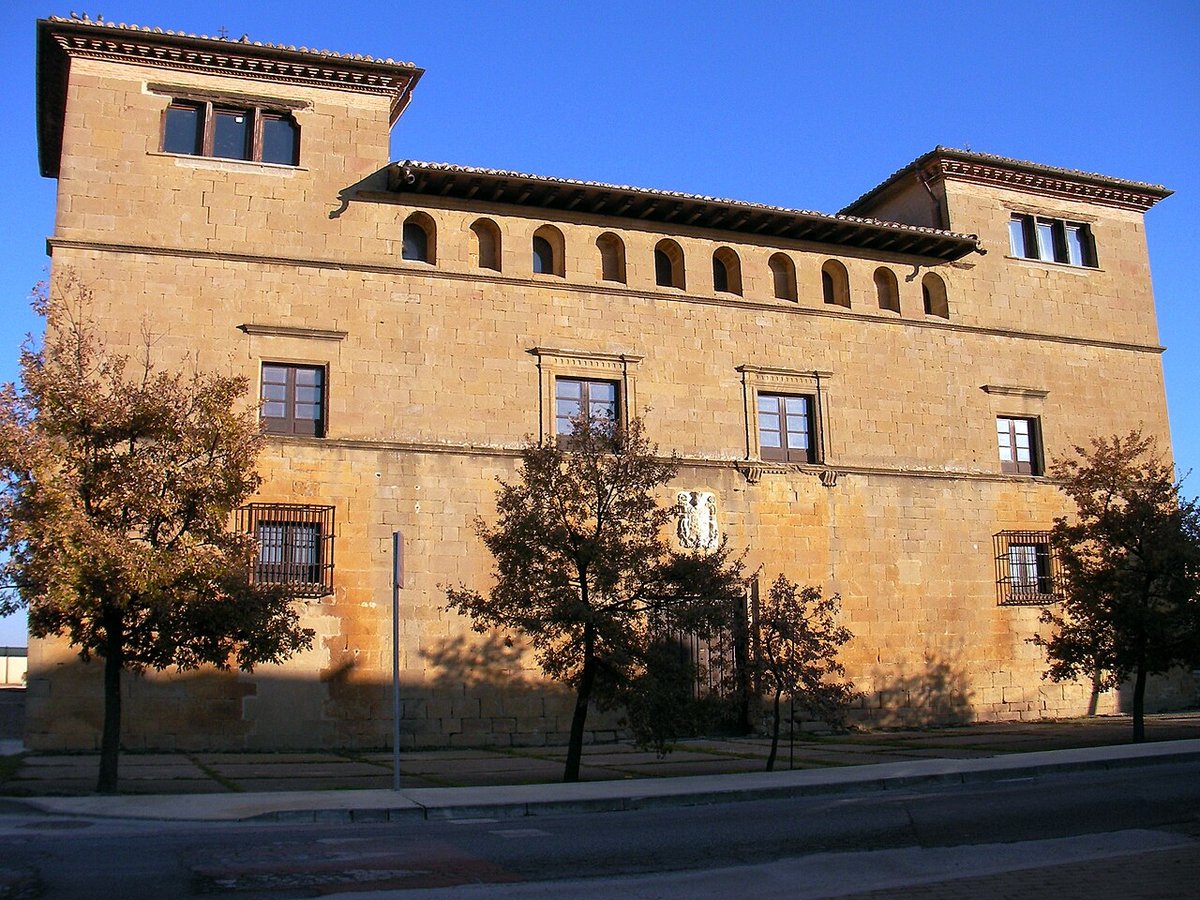
The church tower serves as the only vertical punctuation mark. San Martín de Tours dates to the 16th century, though locals will point out the sections rebuilt after the 1755 Lisbon earthquake sent tremors this far inland. Inside, the stone floor slopes noticeably toward the altar, a quirk that becomes either charming or nauseating depending on how much local cider you've sampled. The carved coats of arms on several houses nearby aren't decorative flourishes but historical documents: families recording their right to graze animals on common land, a medieval system that still governs which fields can be used for sheep versus cereal.
What Passes for Rush Hour
Morning traffic means two tractors and a white van delivering bread from the nearest bakery in Olite. The village's single bar opens at 7 am for coffee and closes at 10 pm when the last farmer finishes complaining about rainfall statistics. Monday is the bar's day off, which effectively shutters the village's social life. Plan accordingly – there's no backup option for breakfast, and the nearest supermarket sits twelve kilometres away in Zizurkil.
The lack of commercial infrastructure isn't an oversight. Garinoain never pivoted to tourism because it never needed to. Young people left for Pamplona or Bilbao, sure, but the ones who stayed made agriculture profitable enough to sustain satellite-guided tractors and WhatsApp groups coordinating harvest schedules. The village's only cash machine vanished in 2018 when the bank decided transaction volumes didn't justify the maintenance costs. Locals now treat the 20-minute drive to Puente-la-Reina as a routine chore, like collecting post.
This practicality extends to accommodation. There's Casa Lakoak, a 17th-century stone house converted into four rental apartments, and precisely nothing else. The owners, who live in Pamplona, leave keys under flowerpots and trust guests to figure out the solar-powered hot water system. Payment works on the honour system: transfer the balance after your stay, or post cash through their letterbox if you're feeling particularly analog.
Walking the Agricultural Chessboard
The best walking happens early, before the sun turns the cereal plains into a reflective surface. Head south on the dirt track marked by a stone cross that's been listing at 15 degrees since someone's great-grandfather hit it with a combine harvester. Within twenty minutes you're deeper into wheat than seems reasonable, the village reduced to a smudge of stone on the northern horizon.
These aren't wilderness hikes. The tracks connect working farms, which means you'll share paths with sheep, the occasional working dog, and farmers who greet walkers with the same mild curiosity they'd show a misplaced cloud. The loop southwest toward Larraga takes ninety minutes, passes two abandoned threshing floors, and delivers you back to Garinoain just as the bar's tortilla emerges from the kitchen at 11 am sharp.
Serious hikers get sniffy about the lack of elevation gain, but the plains have their own challenges. Wind here doesn't gust – it settles, a constant pressure that makes five kilometres feel like eight. Bring water; the only fountain sits outside the church and tastes distinctly mineral, a polite way of saying it carries enough iron to make tea taste vaguely bloody.
Seasonal Logic
Spring arrives late at this altitude. By April the wheat reaches ankle-height, creating that particular shade of green that makes photographers obsessive and farmers anxious about frost forecasts. The village's fiestas reflect this agricultural calendar: San Martín in November celebrates the new wine and recently slaughtered pigs, while August's summer festival is less about tradition than providing returning emigrants with an excuse to barbecue enormous quantities of meat in public spaces.
Winter transforms the place into a study of beige and grey. The surrounding fields lie ploughed and exposed, revealing the subtle rolls and dips that wheat normally disguises. When the cierzo wind blows – a cold, dry northern current that locals claim can "peel paint and marriages" – walking becomes an endurance sport. The village's handful of winter residents treat the season as a legitimate excuse for extended bar sessions, discussing rainfall data with the intensity other regions reserve for football scores.
Summer requires strategy. The plains reflect heat upward, creating convection ovens out of supposedly gentle walks. Locals disappear indoors between 2 pm and 5 pm, emerging only when shadows stretch longer than a tractor. Evening walks become the social equivalent of pub crawls, minus the pubs: couples stroll the agricultural tracks, comparing crop predictions and discussing whose granddaughter has most recently escaped to university.
The Honest Assessment
Garinoain won't change your life. It offers no epiphanies, sells no souvenirs, and closes every Monday like a small act of defiance against the service economy. What it does provide is the rare experience of a Spanish village that hasn't repositioned itself for visitors, where the stone houses shelter actual farmers rather than boutique hoteliers, where the storks' return matters more than TripAdvisor rankings.
Come for the wheat light at sunset, when the fields turn the colour of properly toasted bread. Stay for the bar's tortilla, thick as a paperback and served with wine that costs less than the glass would in London. Leave before you start resenting the place for not having a cash machine, or before you convince yourself that rural simplicity solves problems that are actually just human.
Bring cash, bring Spanish, and bring realistic expectations. The village will handle the rest, including the storks, who'll be back next year regardless of whether you make it too.