Full Article
about Leoz
A very scattered municipality in Valdorba, noted for sustainable rural development and unspoiled landscapes.
Hide article Read full article
A small place on the map
Leoz is not the sort of place that jumps out when you look at a map. Quite the opposite. It sits there, small, almost tucked away in the Zona Media of Navarra, a central region between the mountains and the south. It is the kind of place you reach out of curiosity, perhaps after turning off the road for a few minutes just to see what is there.
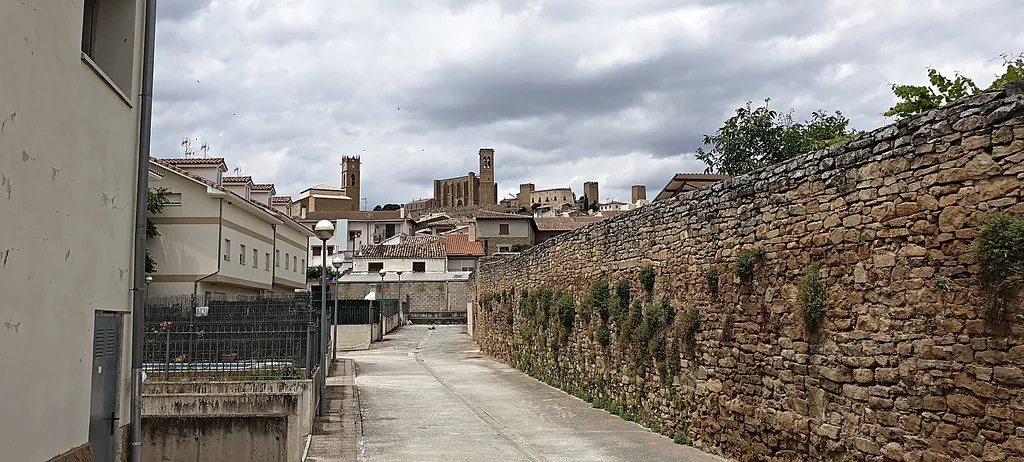
What you find is a quiet village of around 220 residents, where everything is easy to grasp at a glance: short streets, stone houses and a good deal of silence.
It is not somewhere designed to fill an entire day. But stopping for a while, walking without hurry and taking in the surroundings has its own appeal.
San Pedro, the village anchor
In a place like this, there is usually one building that gives structure to everything else. In Leoz, that role belongs to the church of San Pedro.
It stands in the centre and is immediately noticeable, though not because of grandeur. It is not large or elaborate. Stone walls, a modest bell tower and little more. The kind of church that feels built for everyday use rather than display.
Inside, the space is simple. A narrow nave, traditional altarpieces and a quiet atmosphere that reflects its role in local life. Nothing here is designed to impress, yet it carries a strong connection to the village’s past. In small communities like this, buildings such as San Pedro often become a kind of shared memory, tied to baptisms, funerals and local celebrations.
Streets shaped by agricultural life
A walk through Leoz does not take long. In half an hour, it is easy to cover the whole village without noticing the time pass.
The main streets still hold many older houses, though quite a few have been renovated. Even so, traces of the agricultural past remain visible. Wide wooden gates, iron window grilles and former animal enclosures attached to the homes are still there. These are features that no longer serve the same purpose today, yet they have not disappeared.
It is one of those places where it is easy to picture daily life from fifty or sixty years ago. The layout of the streets and the design of the buildings make that connection feel close, without much effort.
Open fields just beyond the houses
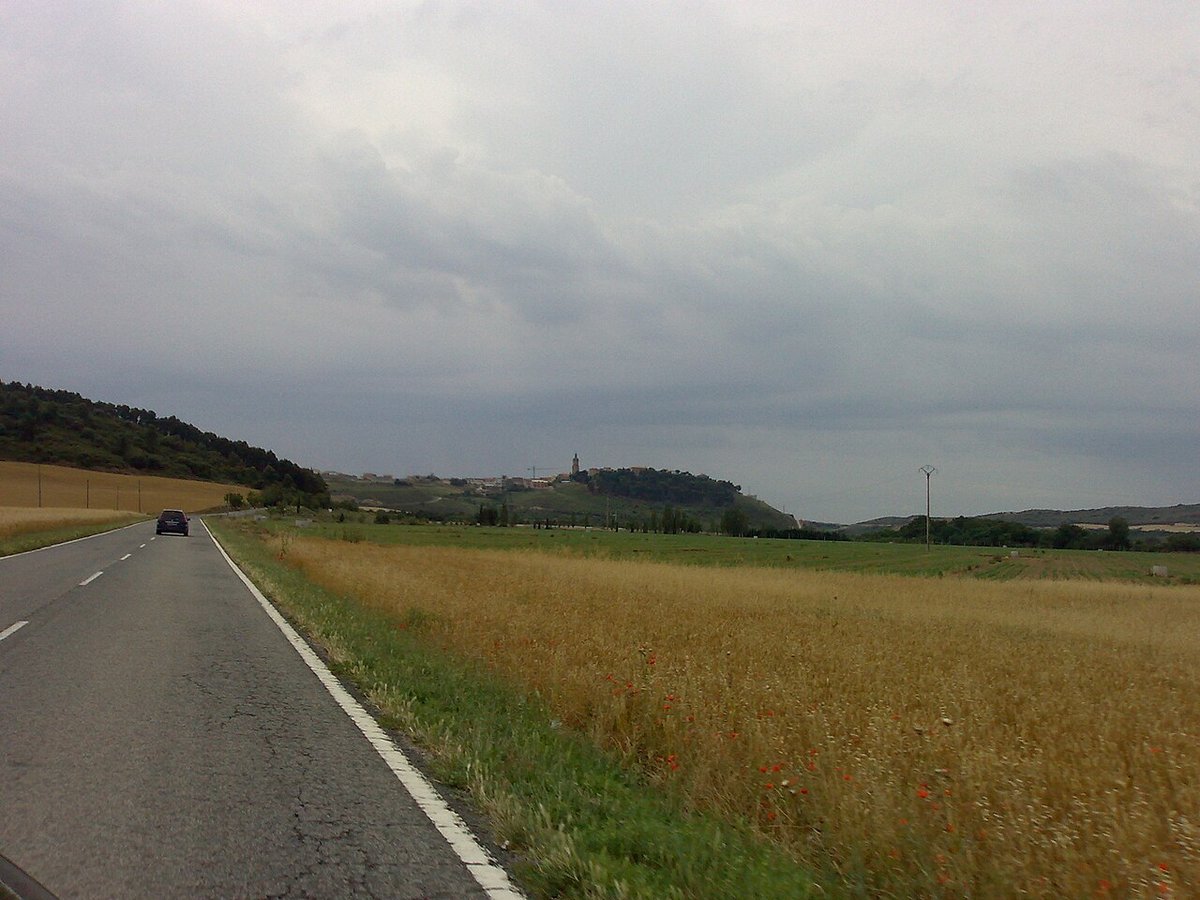
Step just a short distance outside the village centre and the landscape changes quickly. The built space gives way to wide cereal fields, sometimes divided by low dry stone walls.
Wheat and barley dominate, typical of this part of Navarra. When the wind moves across the crops, the fields form a soft, shifting pattern that is characteristic of agricultural plains. Anyone who has driven through the Zona Media will recognise the scene.
On clear days, gentle hills can be seen in the distance. They are not high mountains, but they frame the landscape and give a sense of how isolated the area can feel.
Walking paths across farmland
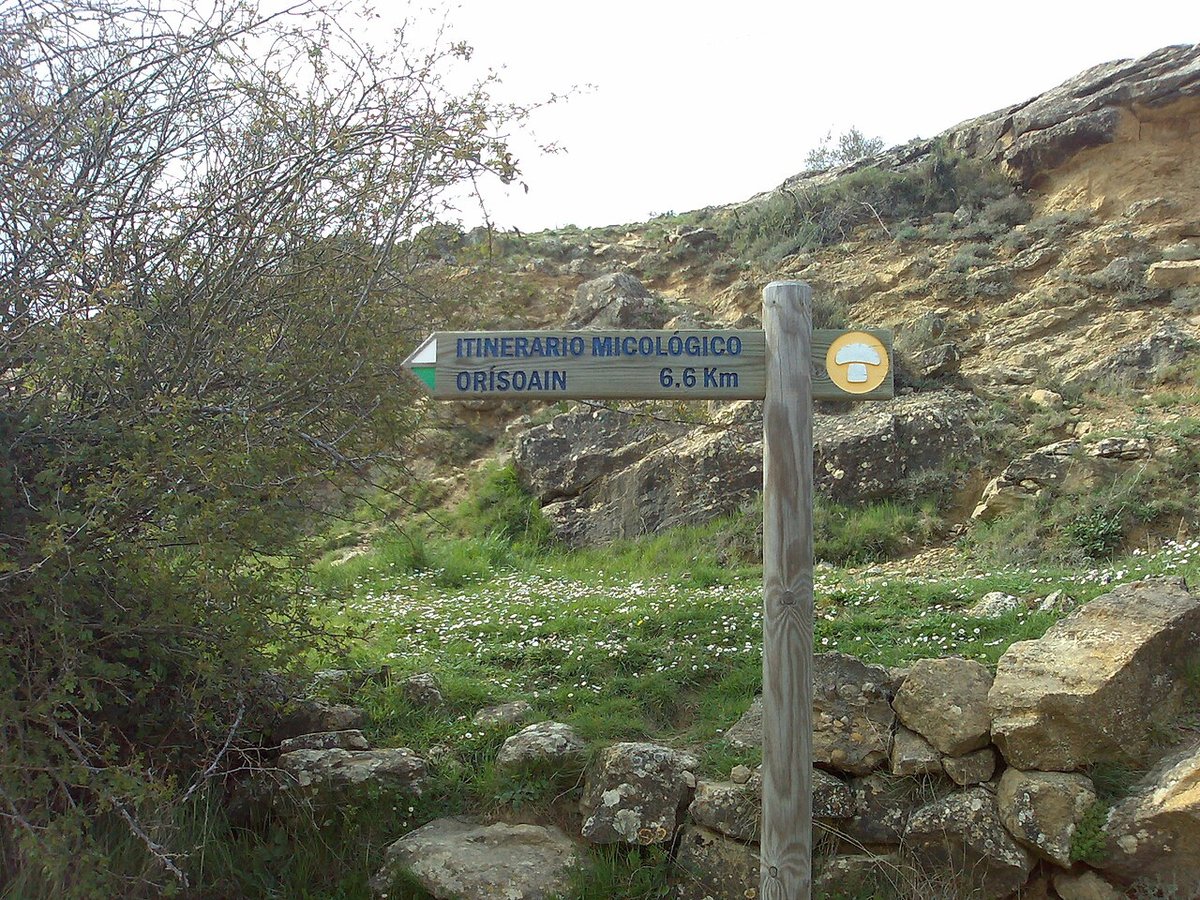
For those who enjoy walking, several rural paths extend from Leoz, linking the village with nearby settlements and surrounding farmland.
These routes are not demanding. They are agricultural tracks rather than mountain trails, generally easy to follow and without steep sections. The main thing to keep in mind is the exposure to the sun. There is very little shade, and in summer the heat falls directly across the open fields.
Early morning or late evening changes the experience considerably. The light becomes softer, and the colours of the cereal fields take on warmer tones. The landscape feels more varied and easier to take in.
At those times of day, it is also common to spot some birds typical of open farmland. Nothing unusual, but part of the everyday rhythm of these cereal-growing areas.
A calm rhythm through the year
Life in Leoz moves at a steady, quiet pace. For most of the year, activity is limited to residents going about their daily routines, the occasional car passing through and little else.
In summer, there is usually more movement, especially during local celebrations linked to San Pedro or the village’s patron festivities. These are moments when people with family ties to Leoz return for a few days, and the atmosphere becomes livelier.
Once those days pass, the village settles back into its usual rhythm.
Before you go
Leoz can be explored quickly. In a couple of hours, it is possible to walk through the streets, visit the church of San Pedro and head out along one of the nearby paths.
It is not a destination for large monuments or museums. That is not the point here. What stands out is the chance to see how life continues in a small village in Navarra’s Zona Media, where the pace is slower and the setting remains closely tied to the land.
One simple thing to keep in mind: if you plan to walk through the fields in summer, bring water. The landscape is open, and the sun is stronger than it might seem when viewed from the road.