Full Article
about Miranda de Arga
Monumental town on the banks of the Arga; notable for its walled enclosure and Gothic bridge.
Ocultar artículo Leer artículo completo
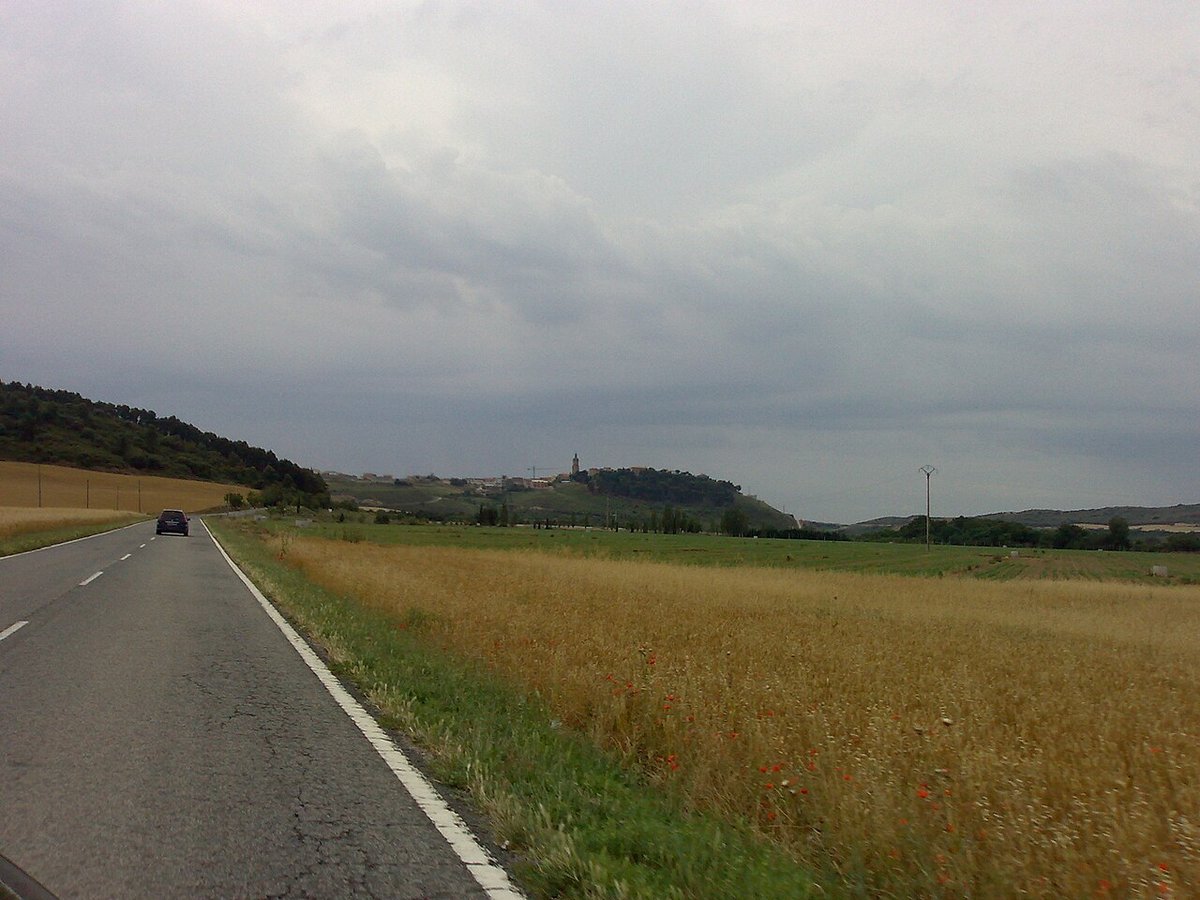
The church bell strikes midday and the only other sound is a tractor turning earth in the distance. Miranda de Arga doesn't do rushing. At 341 metres above sea level, this agricultural settlement in Navarra's Zona Media keeps the same rhythm it has for decades – wheat, sun, river, repeat.
British visitors arriving after the motorways of France often blink twice. No souvenir shops. No multilingual menus. Just stone houses with wooden balconies, a single bar doing coffee and brandy, and the Arga river sliding past poplar groves that turn butter-yellow in October. The population – 917 at last count – swells slightly when the Camino de Santiago passes through, then settles back into its quiet groove.
Walking the grid
Miranda's layout makes navigation foolhardy-proof. Streets run parallel to the river in a neat grid, wide enough for the combine harvesters that appear each summer. Park anywhere; it's free and nobody will clamp your wheels. From the central Plaza de los Fueros, every sight sits within a five-minute radius.
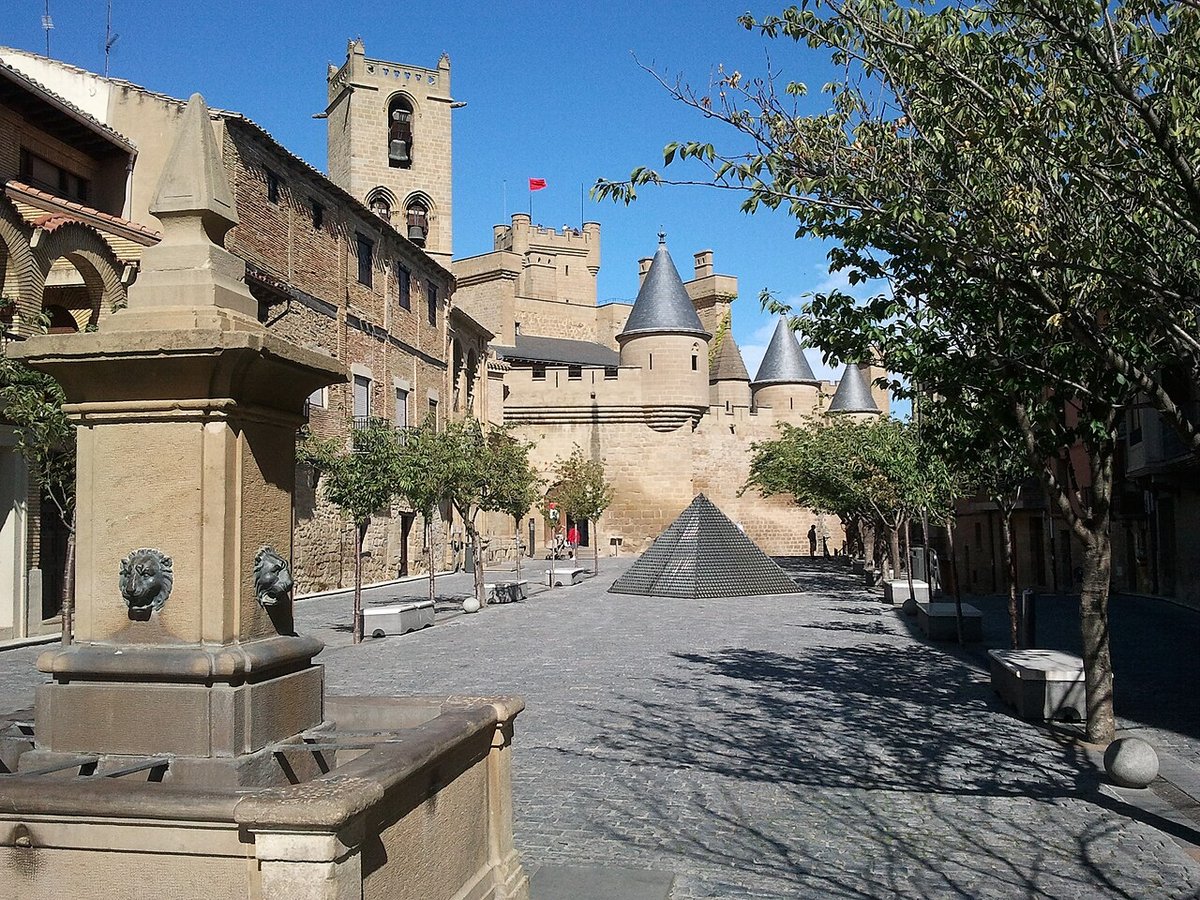
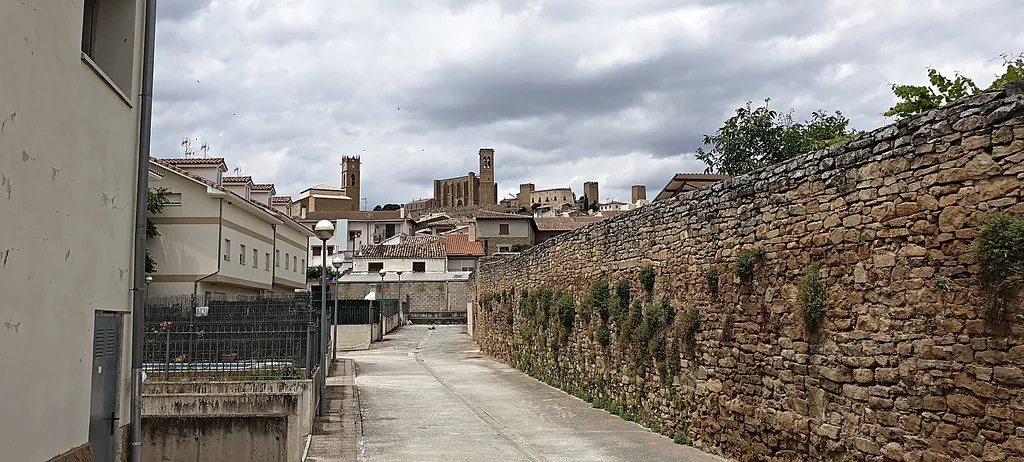
The 16th-century Iglesia de San Miguel Arcángel dominates the modest skyline. Its weathered stone tower leans slightly, giving the building a conspiratorial air. Inside, a baroque altarpiece glitters with gilt cherubs rather too pleased with themselves. The caretaker unlocks on request – Spanish helps, but pointing upwards usually suffices. Donations go towards a new roof; winter rains here can be biblical.
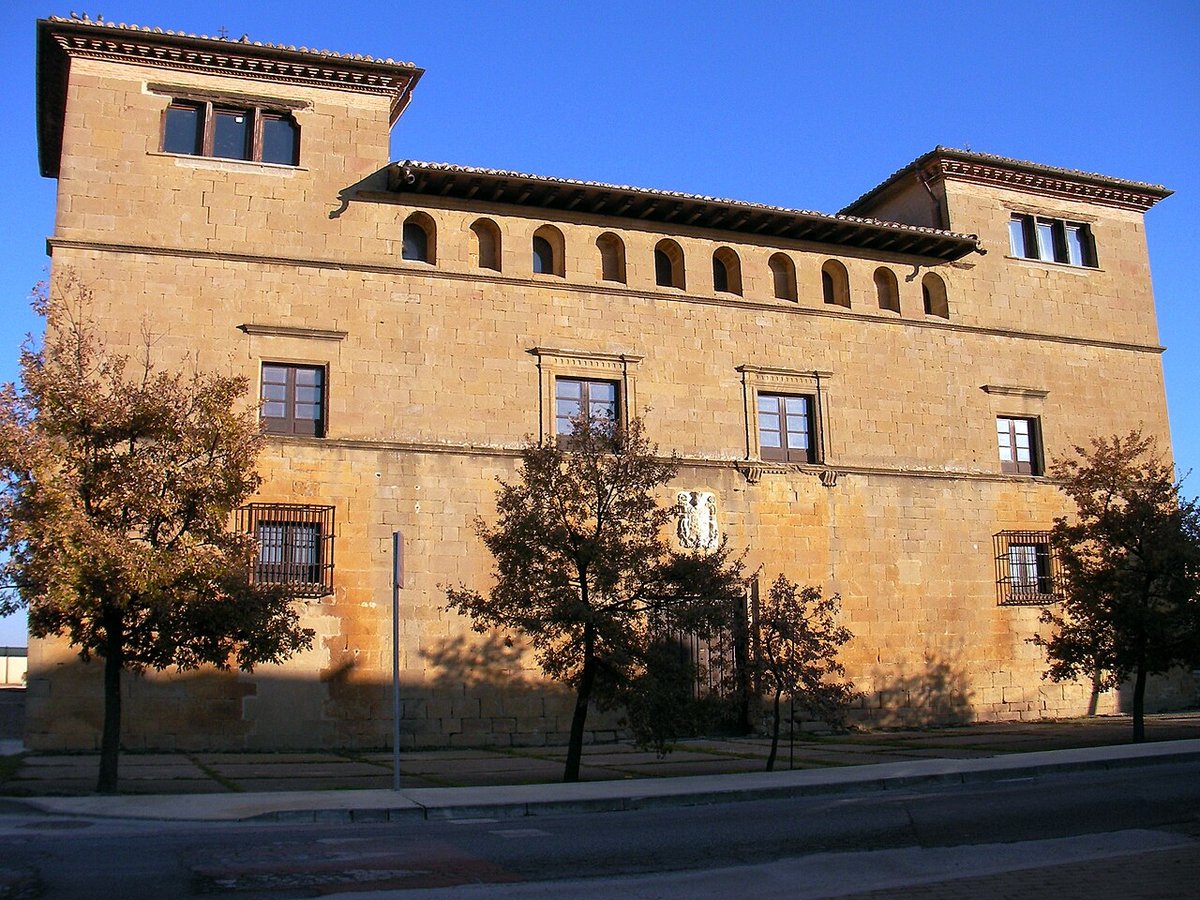
Wander south along Calle Dehesa and housefronts begin to talk. Stone coats of arms appear above doorways – one shows a wolf and barrel, another a pair of pruning shears. These aren't museum pieces; families still live behind them, laundry flapping beside medieval masonry. Peer through an open gateway and you'll catch glimpses of interior patios where geraniums survive on rationed rainwater.
Riverside maths
The Arga moves slowly, but volume matters. Spring snowmelt from the Pyrenees swells the current to thigh-deep; by August it's ankle-high and warm enough for locals to paddle after work. A gravel path shadows the inside bend, shaded by white poplars that drop leaves the size of dinner plates. Kingfishers flash turquoise in early morning; evenings bring egrets picking their way among the stones.
The walk takes twenty minutes if you stride, forty if you stop to watch. Old irrigation channels branch off like capillaries, feeding vegetable plots behind the houses. Concrete slabs mark where laundry used to be beaten clean; older residents still mutter about the efficiency of river-washed sheets versus modern machines.
Autumn transforms the maths. Wheat stubble turns the surrounding fields bronze, contrasting with the green ribbon of the floodplain. Photographers arrive expecting Tuscany and find something more honest – a landscape that earns its living rather than posing for postcards.
What lands on the plate
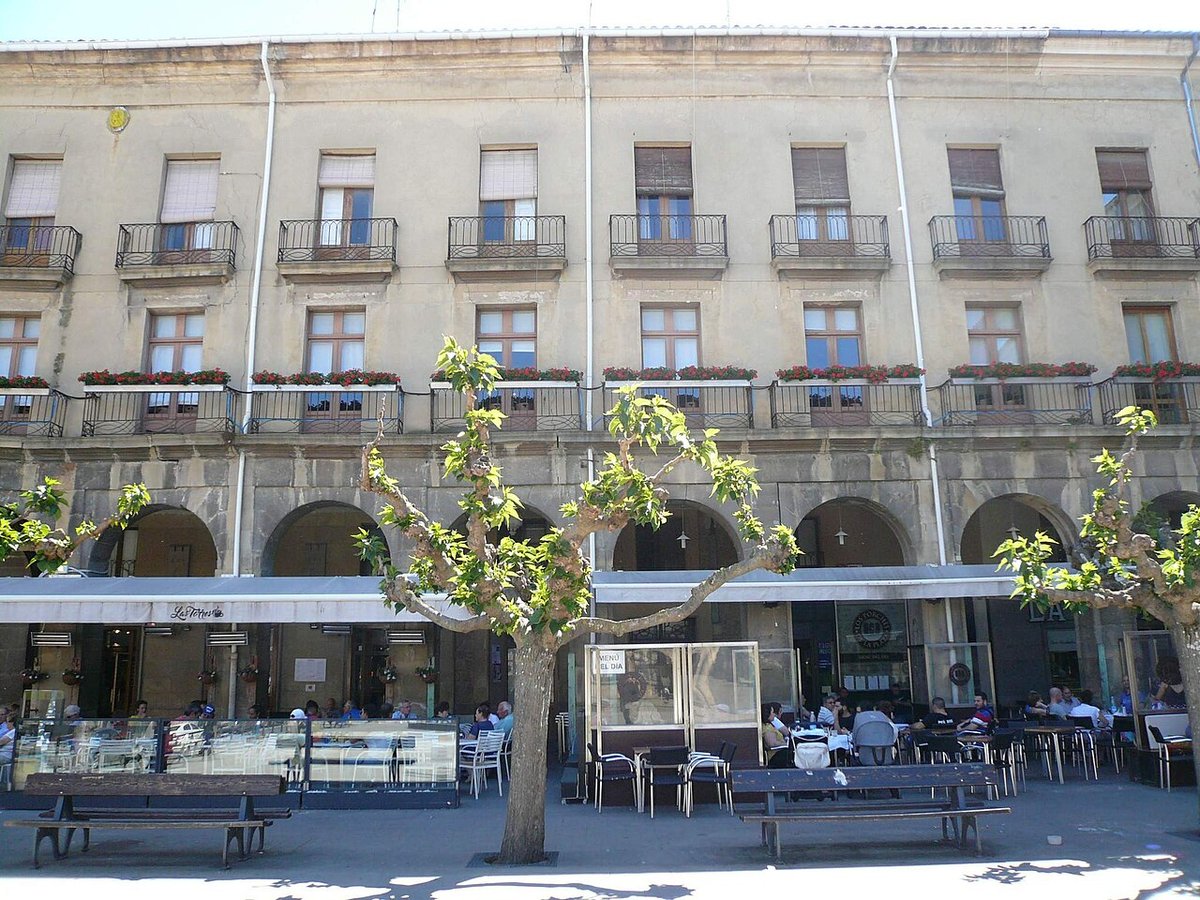
Spanish clichés about dinner at midnight don't apply here. The bar on Calle Dehesa serves food between 13:30 and 15:30, full stop. Arrive at four and you'll get crisps and a sympathetic shrug. The menu changes daily, scribbled on a whiteboard – if the chalk says chuletón, order it. The T-bone arrives sizzling on a cast-iron plate, big enough for two, accompanied by hand-cut chips and a bottle of local rosé that costs less than a London pint.
Vegetarians aren't punished. Pimientos de Padrón – those Russian-roulette peppers where one in ten bites back – appear as a tapa while you decide. The tortilla española is proper: thick, golden, still runny in the middle. Pudding might be cuajada, sheep's-milk curd with honey, tasting faintly of the surrounding herb-scented scrub.
Evening eating means driving to Tafalla fifteen kilometres away, or self-catering. The village shop stocks tinned tuna, dried beans and excellent local chorizo; it shuts at 14:00 sharp, so plan ahead. Cash only – the card machine broke in 2019 and nobody has rushed to replace it.
When the weather turns
Altitude moderates extremes, but only just. Summer afternoons hit 38 °C; the river path becomes a furnace and sensible people siesta. Walking happens at dawn or dusk, when the fields smell of baked earth and cooling dew. Winters bring mist that pools in the valley, sometimes thick enough to cancel school bus service. Frost feathers the poplars; the stone houses, lacking central heating, rely on wood-burners that perfume the air with oak and olive.
Spring delivers the sweet spot – green wheat rippling like the sea, temperatures in the low twenties, nightingales in the riverside undergrowth. October repeats the trick in reverse, with added grape-harvest scent drifting from nearby vineyards. These shoulder seasons also spare you the Camino crush; July paths resemble British motorway services on a bank holiday.
Getting here, getting away
Public transport remains resolutely Spanish-school-calendar-centric: one bus to Tafalla at 07:30, returning at 14:00. Miss it and you're hitchhiking. Hire cars solve everything – the A-15 south from Pamplona, exit 40, twenty-five minutes through tunnel-cut hills. Electric-car drivers will find a charger behind the sports court; download the free 'Navarra te recarga' app and hope the local teenagers haven't unplugged you for a prank.
Pamplona airport connects via Madrid or Frankfurt; Bilbao and Biarritz offer more direct British links, each two hours' drive. The village provides two accommodation choices: the municipal albergue (twelve bunks, €8, bring your own sheet) or Hotel Rural Ana de Navarra (ensuite doubles €70, breakfast €8 extra). Book the albergue early during Camino season; hotel rooms rarely sell out except during September's San Miguel fiestas.
The honest verdict
Miranda de Arga won't change your life. It offers no epiphany, no Instagram coup. What it does provide is a calibration point – a place where wheat fields outnumber people, where the river sets the daily rhythm, where dinner depends on what the farmer brought to the back door that morning. Stay a night, walk the river at sunrise, drink coffee that costs one euro twenty, and remember what Spanish villages looked like before the world arrived. Then drive away before the bell tolls noon again.