Full Article
about Olite
Wine capital and home to the Royal Palace of the Kings of Navarre; a must-see medieval fairytale town
Hide article Read full article
A town that suddenly turns into a palace
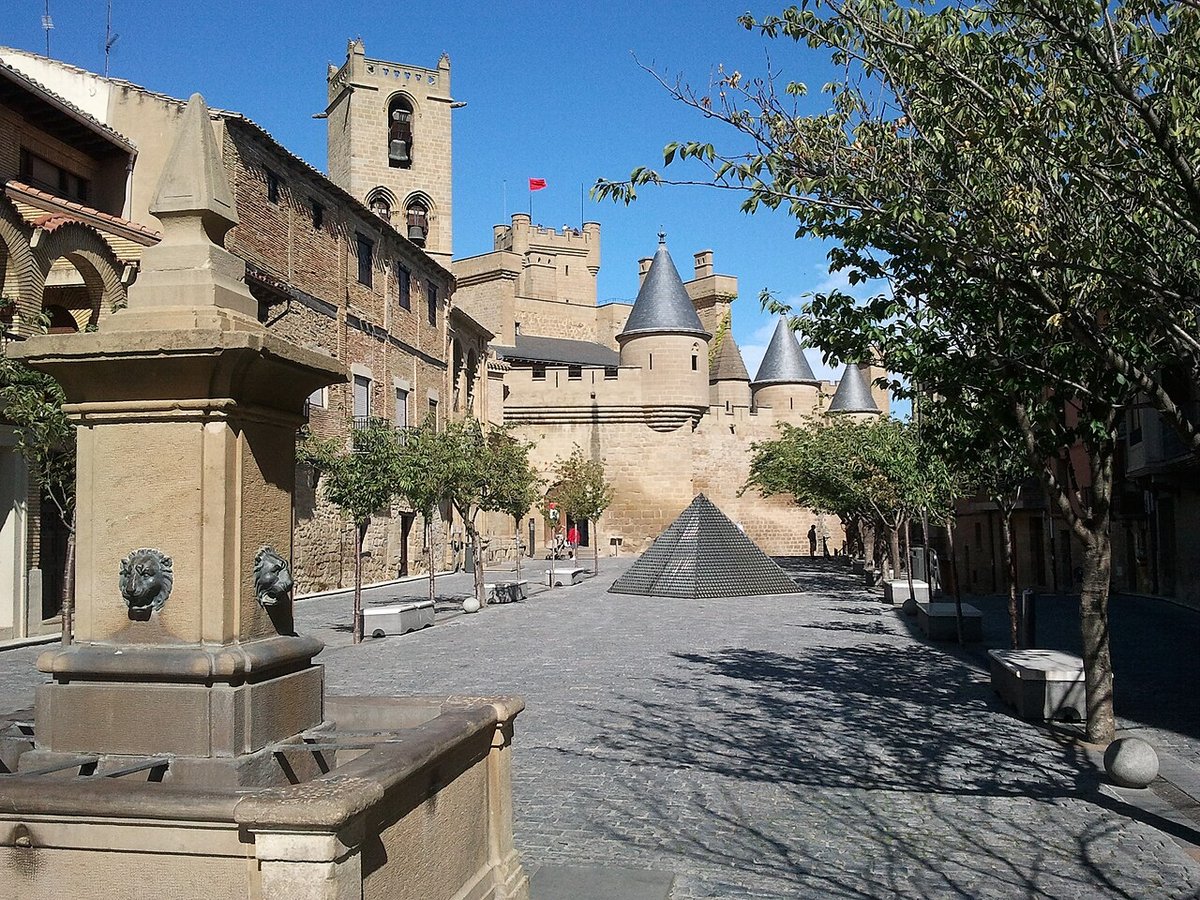
Olite feels a bit like a place that grew into something unexpected. You arrive thinking of a small town in central Navarra, with vineyards, stone houses and a steady pace, and then a castle rises up with a forest of towers, as if a medieval palace had been crossed with a film set. Walk a little further and everything settles back down. Narrow streets, the smell of fresh bread, neighbours chatting from their doorways, and storks perched on rooftops as though they belong there.
That contrast defines the visit. One moment feels grand and theatrical, the next entirely ordinary. It never quite decides between the two, and that is part of its character.
The castle that aimed high
The Palacio Real de Olite is the main reason many people come here, and it makes an impression as soon as you step into the square. Queues are common on many days of the year and there is an entrance fee, but once inside the first courtyard, a glance up at the towers explains why.
At the end of the Middle Ages, Carlos III el Noble chose to turn this into a royal residence. He did not hold back. For centuries people repeated that it had “as many rooms as there are days in the year”. It sounds like a typical medieval exaggeration, yet it gives a sense of how large the complex must have felt.
Inside, it is not about richly furnished halls or preserved interiors. Much of it is quite bare. The real appeal lies in moving through the space: climbing towers, walking along galleries, and looking out across the landscape. From above, the vineyards surrounding Olite spread out clearly, and the town itself appears compact, with the palace towers rising over everything else. Storks occupy many of these high points, as if they too had a place in the design.
One detail that often catches attention is that there was once a small zoo here, with animals brought from distant places. It is hard to picture today, but it hints at a court that liked to display unusual things and make an impression.
Along the walls, at an easy pace
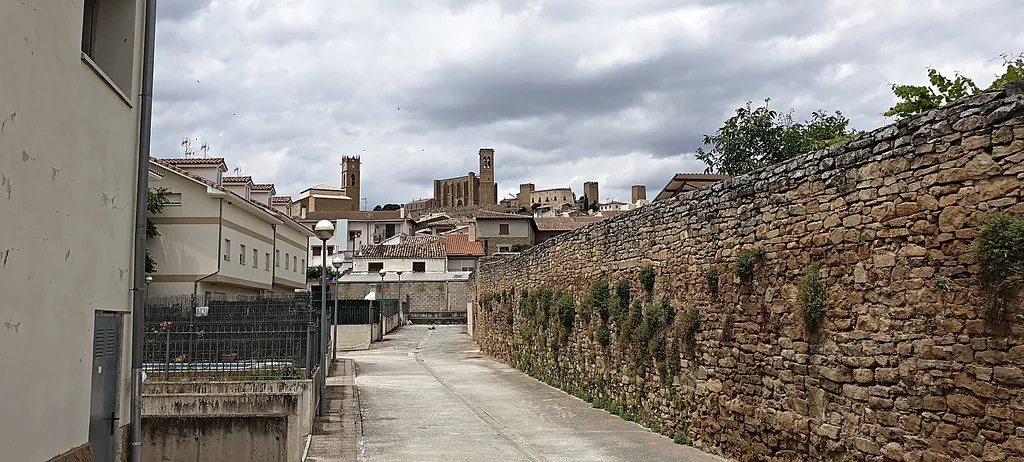
After the castle, the best plan is not much of a plan at all. Walking without a fixed route works well here. Parts of the medieval wall are still standing, and there are sections you can walk along. It is not a long circuit. At a relaxed pace, with stops to look around, it takes a little over half an hour.
Around the perimeter stand several towers, roughly twenty in total. They are a reminder that Olite was not just about vineyards and daily life. It also had a defensive role.
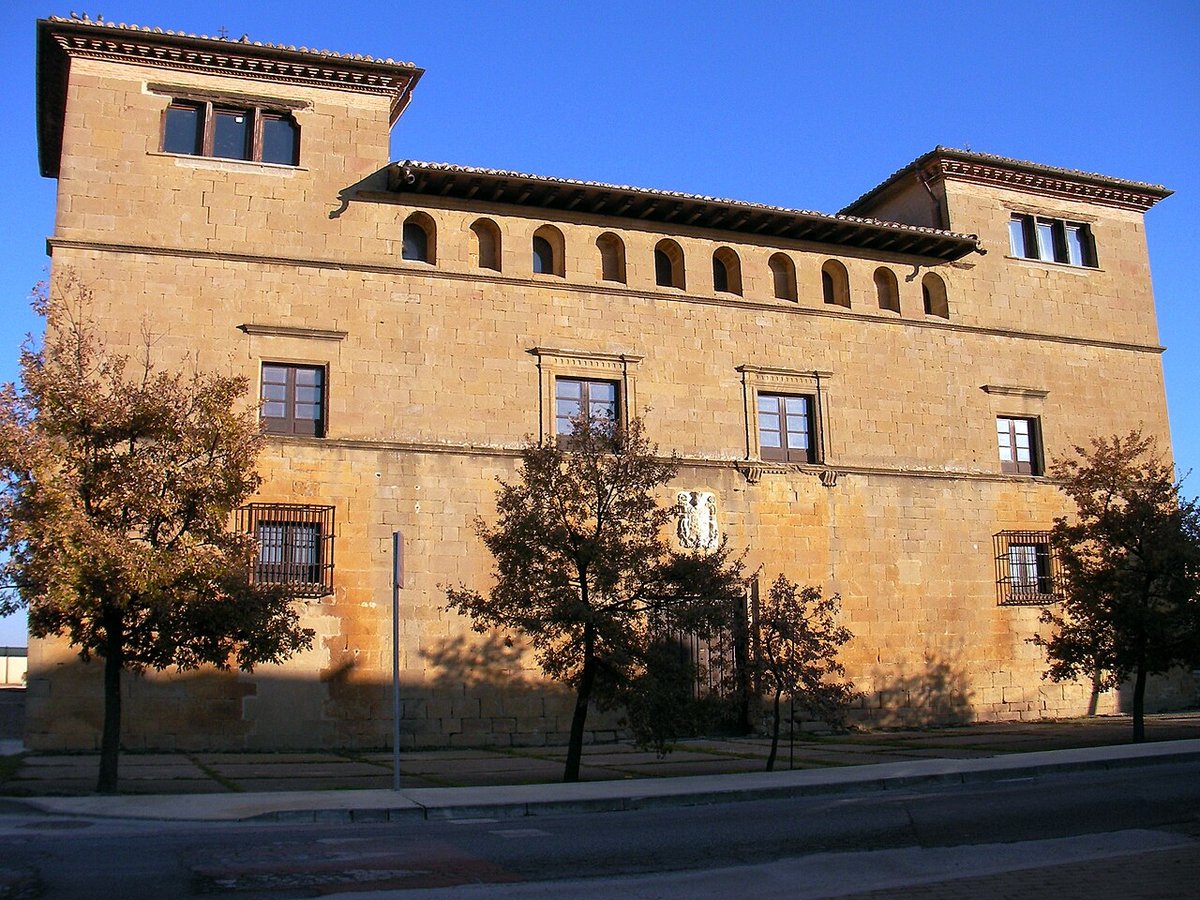
From the wall, the view shifts back to the present. Red-tiled roofs fill the old quarter. The palace towers rise above them, and stork nests appear in all sorts of places once you start looking. There are also small, everyday scenes: laundry strung between balconies, inner courtyards with plants, someone quietly fixing something at home. It feels lived in rather than arranged.
Wine, pochas and reasons to stay a bit longer
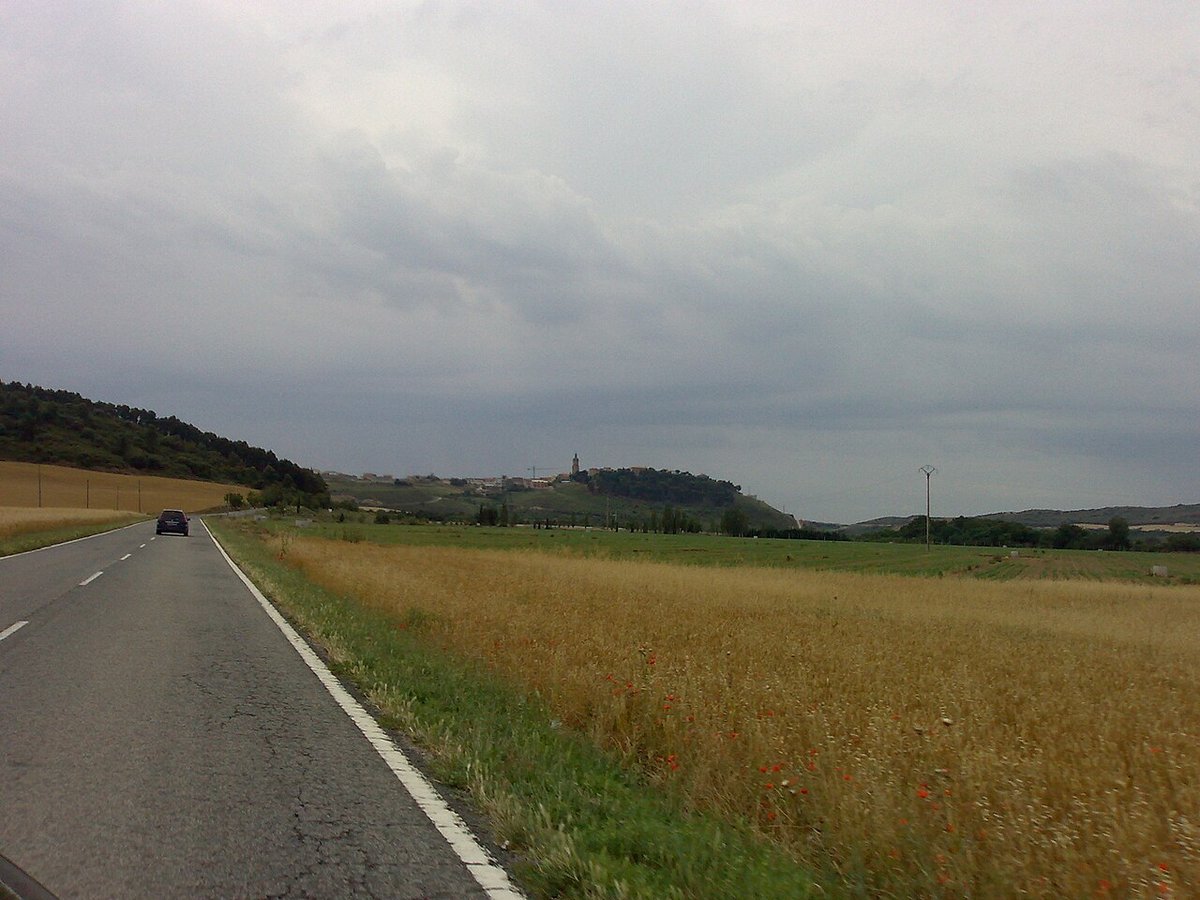
Olite has been tied to wine for centuries. The surrounding area is covered in vineyards, and many wineries are based in or around the town. It does not always follow the polished format seen in more heavily visited wine regions. Sometimes it is as simple as walking in, asking, and tasting.
At the table, the focus stays on traditional Navarrese cooking. Pochas, a type of fresh white bean, appear when in season. Lamb is often stewed or roasted. Asparagus from the area is another staple. These are straightforward dishes that rely on good ingredients rather than elaborate preparation.
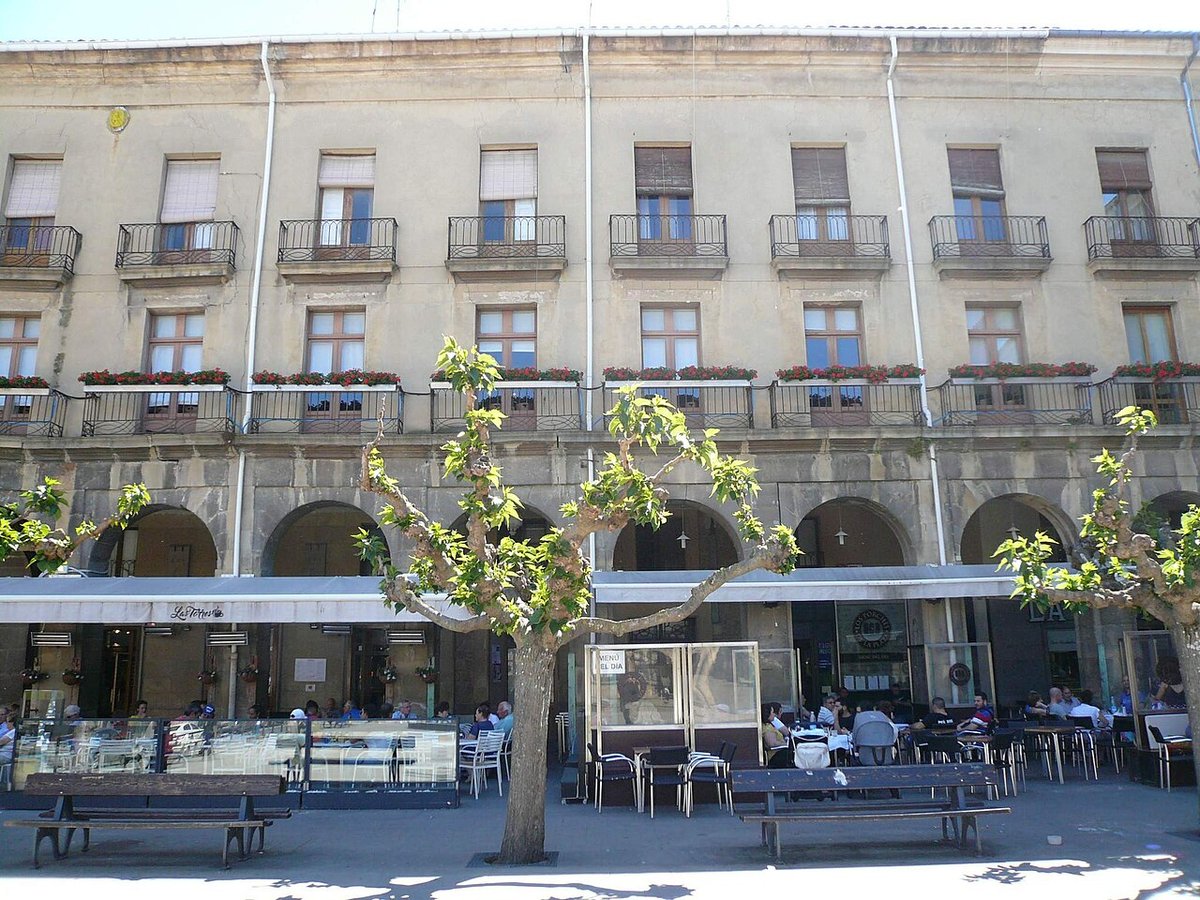
One thing that stands out for visitors is the atmosphere. It remains largely local. It does not feel like a place set up purely for tourism. Sit down to eat in the centre and it is quite possible the bread comes from a nearby bakery, while the next table is occupied by people from the town going about their day.
When the old town fills up
At certain times of the year, Olite changes noticeably. In summer, during the fiestas of San Fermín de Aldapa, the streets fill with events and activity that continue into the evening.
There is also usually a medieval weekend, when the old quarter fills with stalls, period costumes and plenty of movement. Later in the year, around the grape harvest at the end of summer or start of autumn, wine-related activities take centre stage.
Outside these moments, the rhythm is very different. Much calmer. On a Sunday afternoon, for example, it is possible to walk across much of the historic centre without encountering many people at all.
Is Olite worth the stop?
That depends on the kind of trip. Those searching for very small, almost empty villages will find other places in Navarra that fit better. Olite is more well known, and it shows.
Even so, the castle leaves a strong impression, the old town is easy to explore on foot, and the connection with wine gives the place its own identity. It does not require a full weekend. A long morning followed by a relaxed lunch is enough to come away with a clear sense of it.
Getting there is straightforward from Pamplona by road, and there is also a regional train that stops near the town.
A simple approach works best: head into the castle early if possible, then wander the old streets without a map, find somewhere to sit down and eat at an unhurried pace, and finish with a short walk along the wall. If the day ends with a glass of local wine, all the better. Here, there is almost always a reason to open a bottle.