Full Article
about Orísoain
A Valdorba village with a Romanesque gem; noted for its medieval crypt and ecomuseum.
Ocultar artículo Leer artículo completo
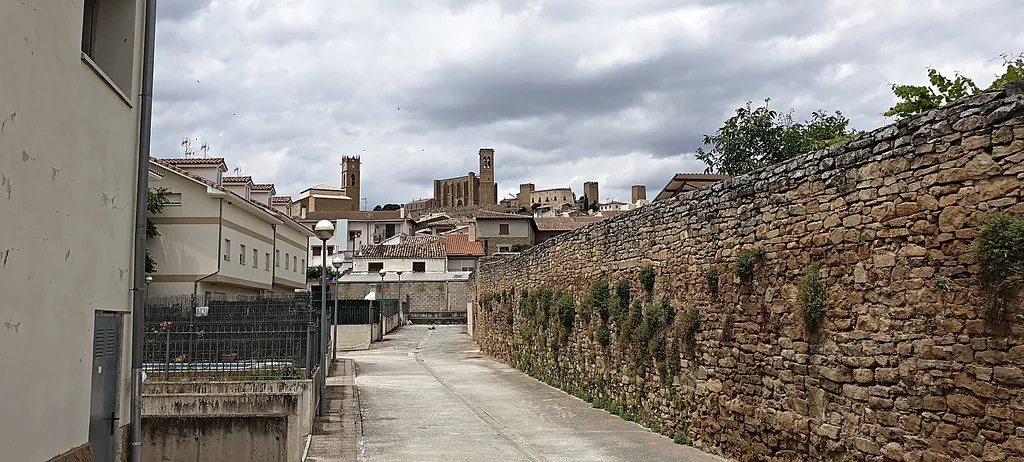
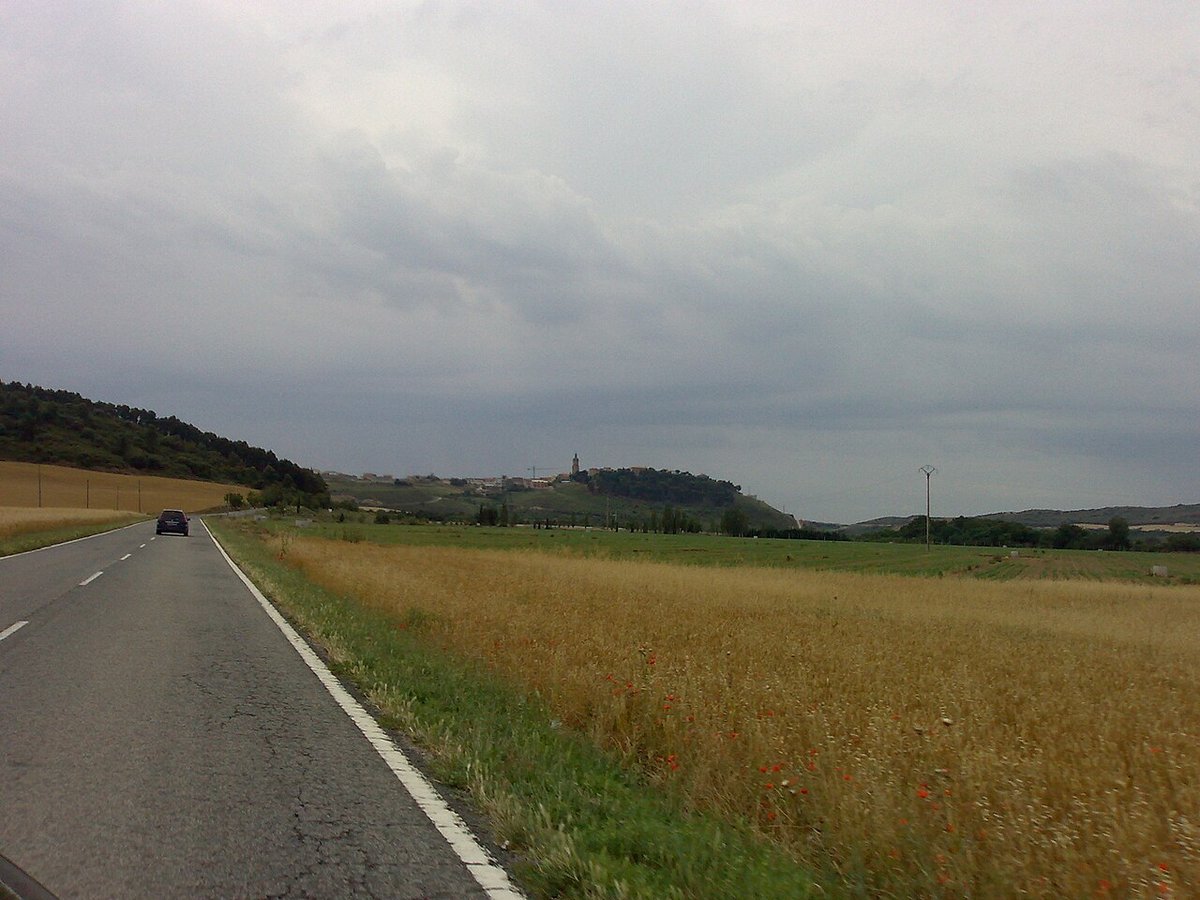
At 520 metres above sea level, Orisoain sits just high enough for the air to carry the scent of dry straw even in October. The village appears suddenly after a bend on the NA-5100: a tight cluster of pale stone houses, a single church tower, and wheat stubble stretching away on every side. Nothing in the view prepares you for how quiet it is once the engine stops.
A Plateau Village that Forgot to Grow
Seventy-four residents are registered, but you will be lucky to meet half that number on the street. The houses are honest farm buildings—no boutique paint jobs, no hanging geraniums—yet the overall effect is oddly photogenic, especially when low sun picks out the brick-and-stone patchwork. Parking is simply pulling onto the verge by the war memorial; there are no metres, no attendants, and only one sign asking visitors not to block tractor access.
The 16th-century parish church is kept unlocked. Inside, the nave is dim and smells of candle wax and grain dust blown in through the open door. There is no ticket desk, no interpretation board, just a printed sheet noting that the Baroque retablo was paid for with profits from a bumper millet harvest in 1743. Drop a euro in the box if you feel guilty for using the loo; the roof tiles will not replace themselves.
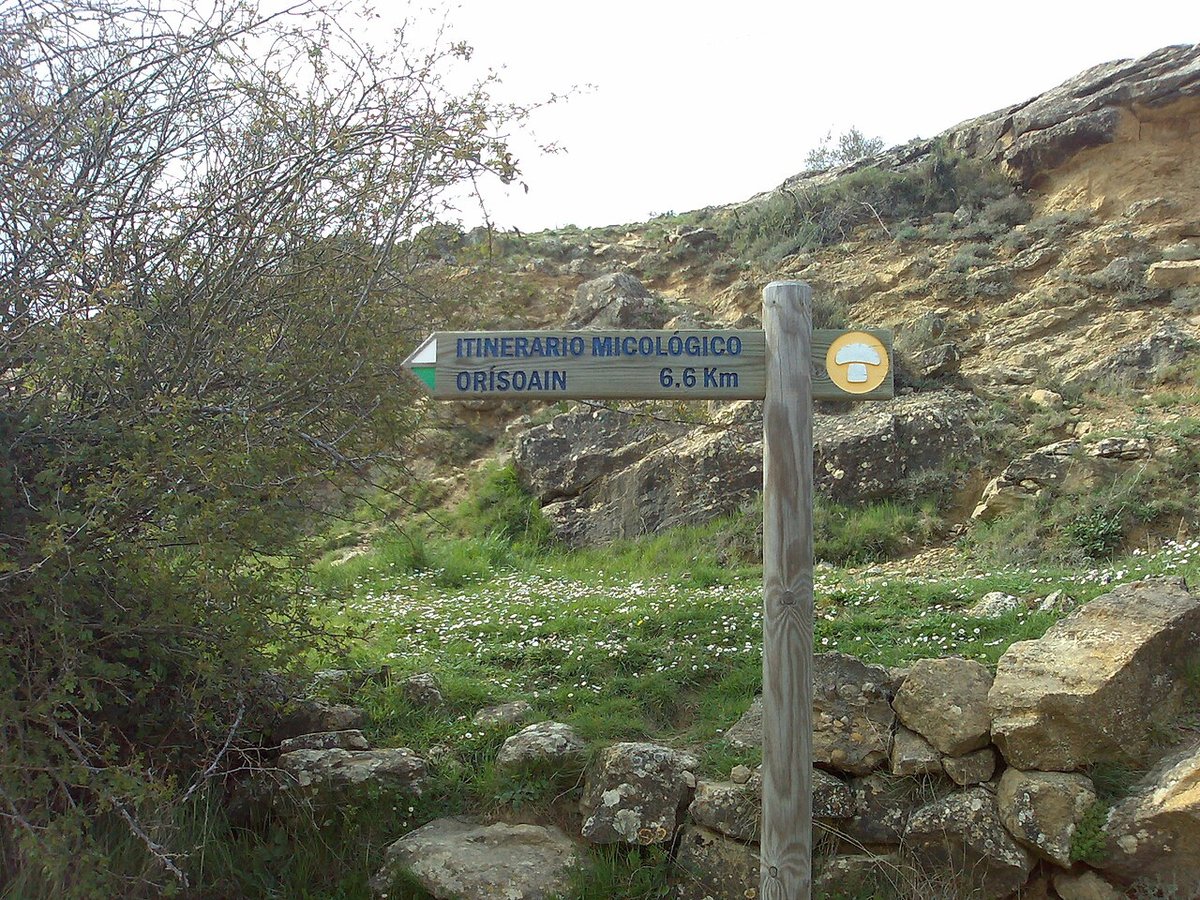
Walk fifty metres past the last house and you are on a public camino between strips of barley. The paths are wide enough for a combine harvester, so ramblers can stride side-by-side without nettle attacks. In late April the fields glow almost lime-green; by July the colour has drained to parchment and the only movement is a harrier gliding over the heads of sun-dried poppies. OS-style maps are useless here—tracks change after each ploughing season—but the skyline of the Sierra del Perdón gives a constant bearing to the north-east. Two kilometres out, a lone holm oak offers the only shade for miles; locals call it “El Abuelo” and claim every wedding photo since 1953 has been taken beneath it.
Eating Without Show
There is no restaurant, no tasting menu, no chef interpreting grandmothers. The sole bar opens at 07:00 for field hands, serves coffee, brandy and the occasional bowl of lentil stew, then closes the moment custom dries up. British visitors expecting tapas will be disappointed; order a bocadillo of chorizo and you will receive half a baguette, buttered to the edges, with the sausage rammed in like a book on a tight shelf. Price: €3.50, napkins free.
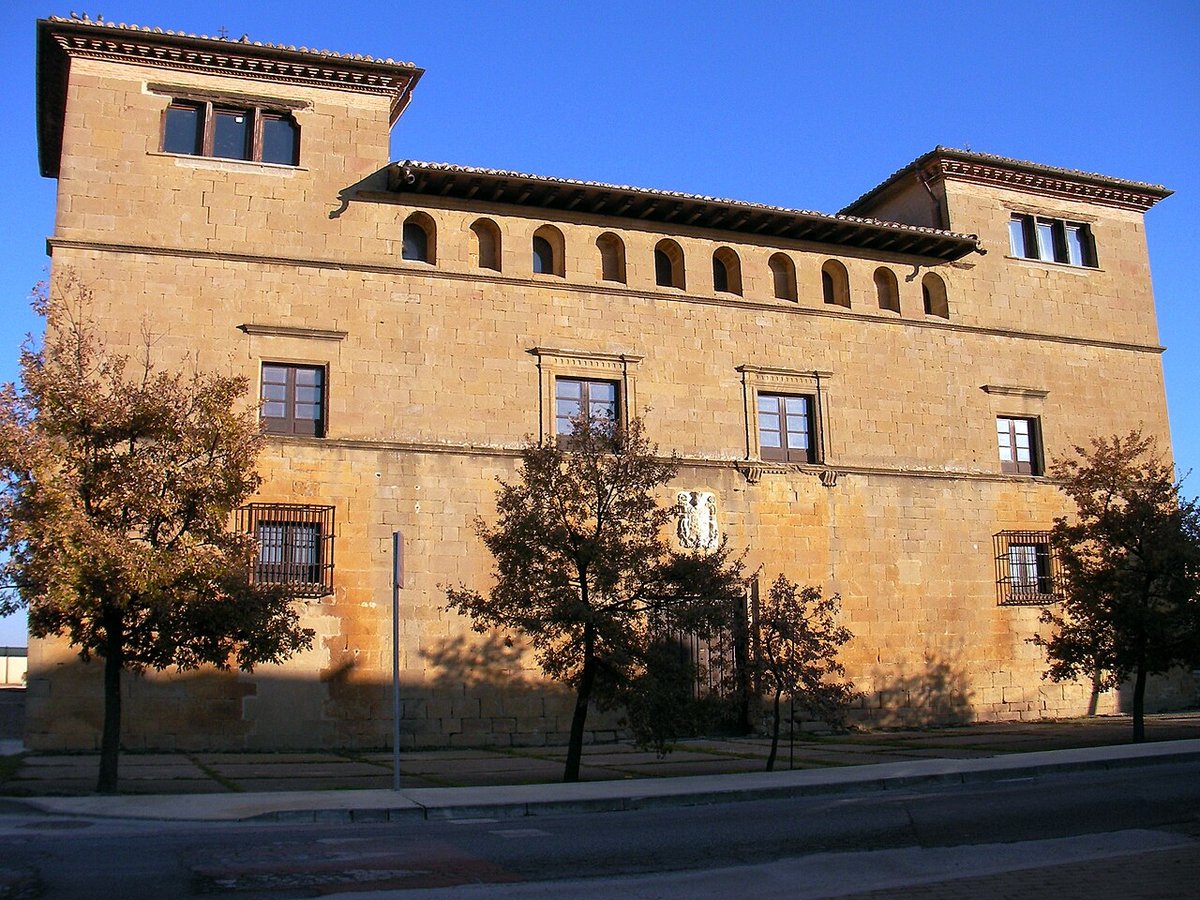
Serious eating happens 12 km away in Olite, but Orisoain does have one culinary card up its sleeve. Palacio de Orisoain is a nine-room manor house turned B&B where dinner is served on request to non-residents—48 hours’ notice required, €28 for three courses plus wine. The menu is whatever Ana, the owner, bought at Pamplona market: perhaps roast lechal (milk-fed lamb) with potatoes cooked in the same fat, followed by quince jelly and local cheese. Vegetarians have been fed here, though they are advised to speak up early; the default seasoning is salt, pepper and the occasional splash of navarrico brandy.
Seasons that Matter
Spring brings the most comfortable walking weather—mornings around 12 °C, afternoon highs of 22 °C—and the fields look their neatest, stitched together with fresh green shoots. Autumn swaps the palette to ochre and rust, and the grain dust hanging in the air can turn sunsets neon-pink. Both seasons are dry; rain, when it arrives, tends to be a single dramatic downpour that washes the dust off roofs and disappears as quickly as it came.
Summer is workable if you treat the day like a farmer: start at dawn, siesta through the glare, resume after 18:00 when shadows lengthen. Temperatures regularly reach 34 °C on the plateau; there is no public swimming pool, and the nearest bar with air-conditioning is a 20-minute drive. Winter is short but sharp. Night frosts start in November, and the NA-5100 can collect a dangerous polish after a storm. Snow is rare—one or two dustings a year—yet the wind ripping across open fields makes 5 °C feel like minus figures. On clear nights the Milky Way is absurdly bright; light pollution is limited to a single street lamp outside the church that switches off at midnight to save the council €3 a month.
Making the Village Part of a Longer Day
Staying overnight is possible—Palacio de Orisoain has doubles from €95 including breakfast, closed January–mid-February—but most British travellers treat the place as a two-hour pause on a circuit. A logical loop starts in Pamplona, drives 25 minutes to Orisoain for a wander and a coffee, continues 15 minutes to medieval Olite for lunch and a castle tour, then heads 30 minutes south to the wine cellars of Villatuerta. Total driving: 75 km, all on quiet secondary roads that suit UK drivers more accustomed to hedgerows than autovías.
Petrol is the one thing you cannot buy in Orisoain; the nearest pump is an automated station on the NA-132, 11 km towards Puente la Reina. Monday is dead day—both bar and bakery close—so time your visit for Tuesday to Sunday. Phone signal drops to 3G in the narrow lanes; download offline maps before leaving Pamplona and remember the postcode is 31242 for the sat-nav.
What You Will Not Get
There is no craft shop, no guided tour, no multilingual audio handset. You cannot book a hot-air-balloon flight at sunrise or buy a fridge magnet shaped like the church. Instead you get space, birdsong and the faint smell of straw that clings to your clothes for the rest of the day. Some visitors find that unsettling: a TripAdvisor reviewer from Exeter admitted the silence “felt like the beginning of a crime drama.” If that sounds appealing rather than alarming, Orisoain delivers the plateau experience in its purest form—an hour of walking, ten minutes of church, a beer if the bar is open, and then back to the car with dust on your boots and the Sierra del Perdón shrinking in the rear-view mirror.