Full Article
about Pitillas
Famous for its Lagoon
Hide article Read full article
A village shaped by water and fields
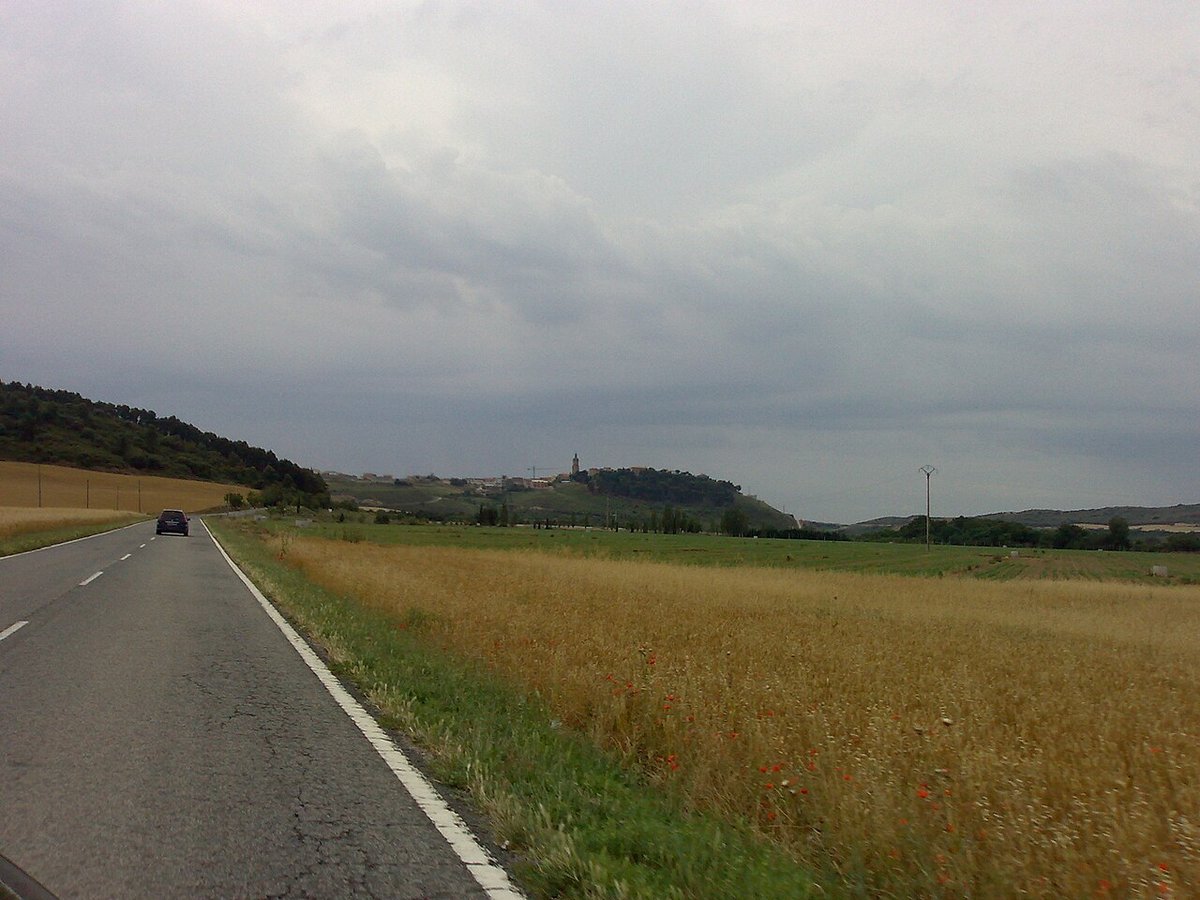
Pitillas, a village of just over five hundred people in the Zona Media of Navarra, is defined by a contrast. It sits on a low rise, surrounded by an expanse of cereal fields and vineyards that is typical of the region. What is not typical is the large wetland, the Laguna de Pitillas, that lies just beyond its boundaries. The village’s character comes from this duality: the ordered, agricultural plain and the unpredictable, seasonal water.
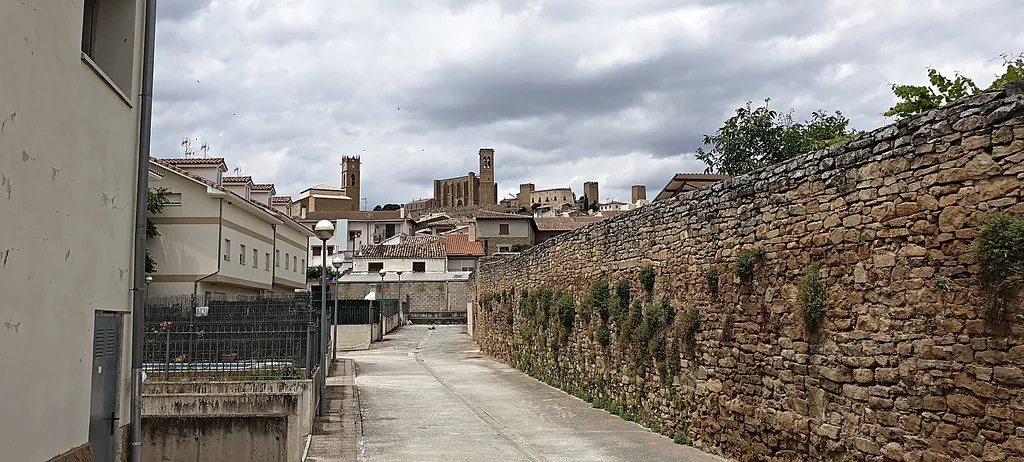
The transition from the built-up area to the fields is abrupt. Several streets end not in another plaza, but directly at a dirt track leading into the crops. There is no ornamental buffer, a layout that speaks of a place built for utility, where daily life has always involved stepping directly from home to field.
The church and the structure of the village
The parish church of San Pedro, from the 16th century with later modifications, anchors the village. Its position dictates the simple layout of the old centre. The streets around it are short and level, quickly giving way to the open country.
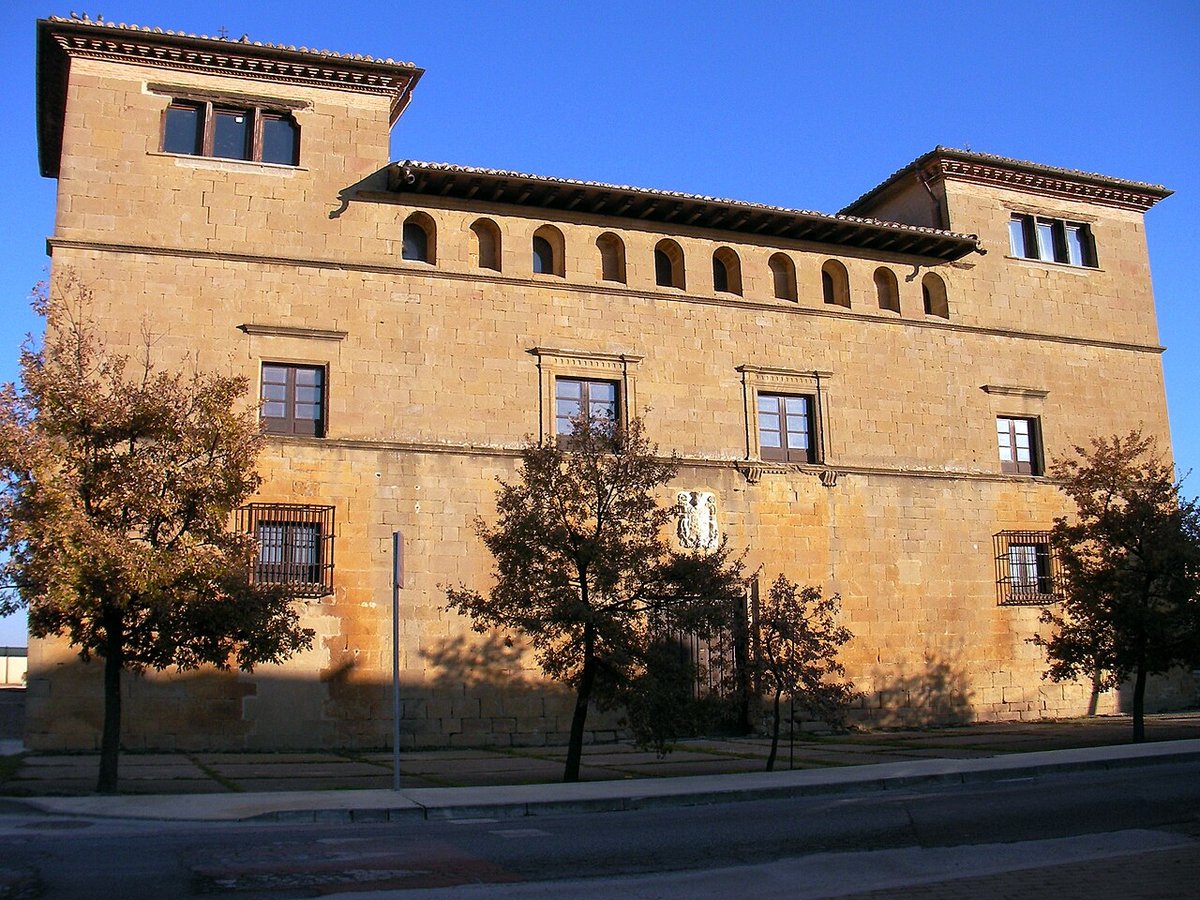
The houses here are built from local stone, their façades generally sober. You can find carved coats of arms and some ironwork on balconies, markers of historical periods when certain families prospered from the land. It is not a showy architectural display, but a quiet one. These details are best read as footnotes to the village’s social history, not as its main attraction.
The Pitillas lagoon
The Laguna de Pitillas is a protected wetland about three kilometres from the village. Access is via a marked path that leads to several observation hides. Their design is functional: they allow you to watch the birds without your presence altering their behaviour.
The lagoon’s appearance changes considerably through the year, depending on rainfall and evaporation. In some seasons, the water spreads widely; in others, it contracts, leaving expanses of reedbed. The birdlife shifts with these conditions. It is common to see various ducks, coots, and herons, though the specific species present will depend on when you visit.
The landscape here is exposed. The wind is a constant factor, and the hides provide necessary shelter as much as a viewing platform. The experience is one of waiting and observation, not of hiking.
Calendar and context
The village’s main festivity is for San Pedro at the end of June, following a familiar Navarrese pattern of religious events and communal gatherings.
The agricultural calendar still sets the local rhythm. The grape harvest in autumn is the major event in these vineyards. By November, around the feast of San Martín, most of the year’s fieldwork is traditionally concluded. These are not staged traditions for visitors, but the enduring markers of a working year.
A visit between two landscapes
You can grasp Pitillas in a short visit. An hour is sufficient to walk its compact centre, see the church, and note the older stone houses. The focus then shifts to the lagoon.
The visit to the wetland is defined by stillness. From the main parking area, you follow the path to an observation point. The purpose is to stop and look. The distance covered is less important than the time spent watching the water and the reeds.
Practical considerations
Pitillas works best as part of a wider journey through the Zona Media. The village itself is small; the lagoon is the primary destination.
From Pamplona, take the N-121 towards Olite and then the local road to Pitillas. Parking for the lagoon is clearly signposted on the approach from the village.
The terrain around the lagoon is flat but offers no shade. In summer, sun protection is essential; in other seasons, a windproof layer is advisable due to the exposed location. Sturdy shoes are recommended for the path, which can be uneven or muddy depending on recent weather.