Full Article
about Pueyo
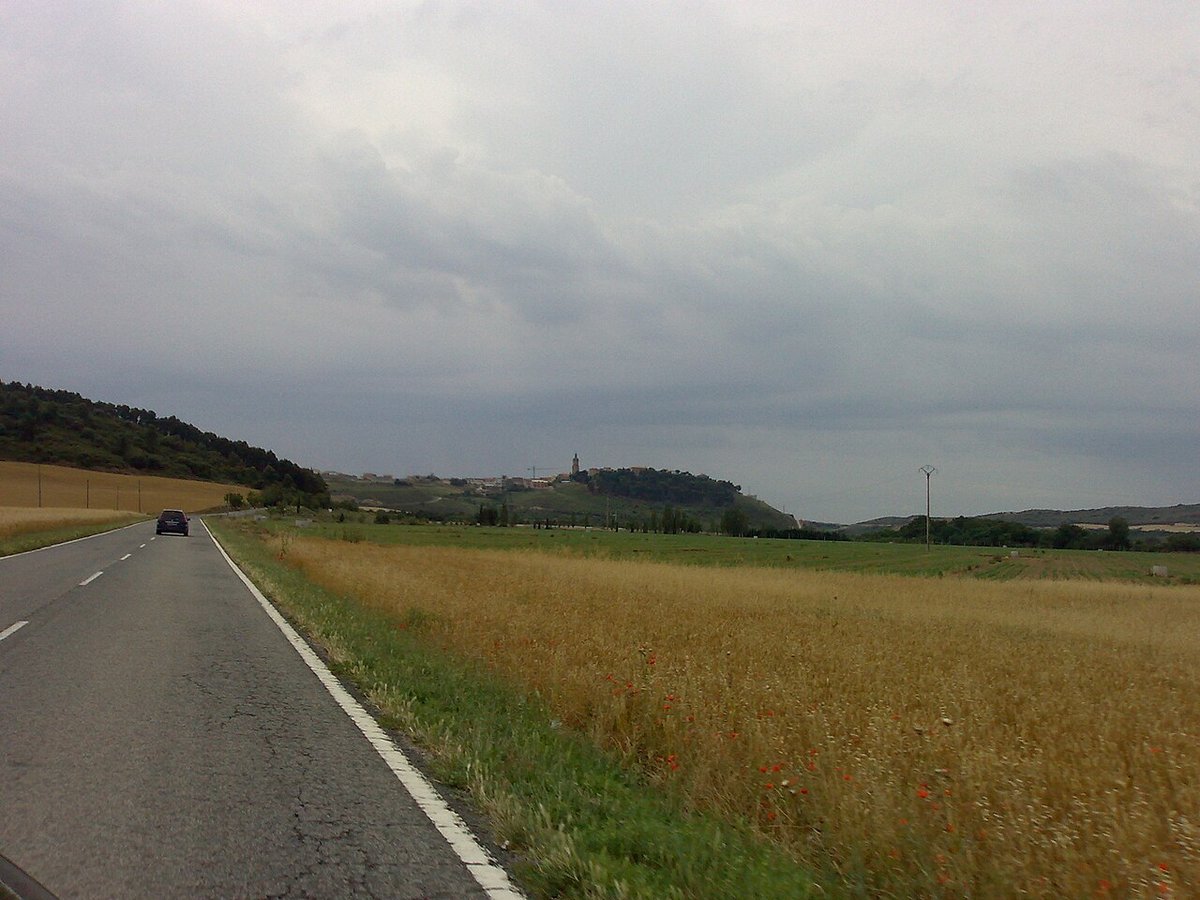
Overlook of the Valdorba; set on a height with views of the national road and the valley
Hide article Read full article
A village you almost miss
Some places announce themselves on the map. Others only become clear when you are already nearby. Pueyo, in Navarra, belongs to the second group. You pass close by, notice a cluster of houses set slightly higher up, and think it might be worth a look later. Once you turn in, the pace shifts. Life here feels more in step with residents than with visitors.
There are no headline attractions pulling in crowds. What defines Pueyo sits in smaller details: the arrangement of its houses, the quiet square, the fields that press right up against the edge of the village. It is the sort of place where the overall impression builds slowly rather than all at once.
The church and the square
The Iglesia de la Asunción offers the clearest snapshot of Pueyo. It dates from the late 16th century and was altered later on. From the outside, the building is restrained. Pale stone and simple lines give it a solid, unshowy presence. Late in the day, the façade changes noticeably as the light drops to one side and warms the colour of the stone.
Inside, the features are modest. A clay baptismal font stands out, not for grandeur but for its everyday character. It is the kind of object that suggests the building still plays a role in daily life rather than existing only as a historic site.
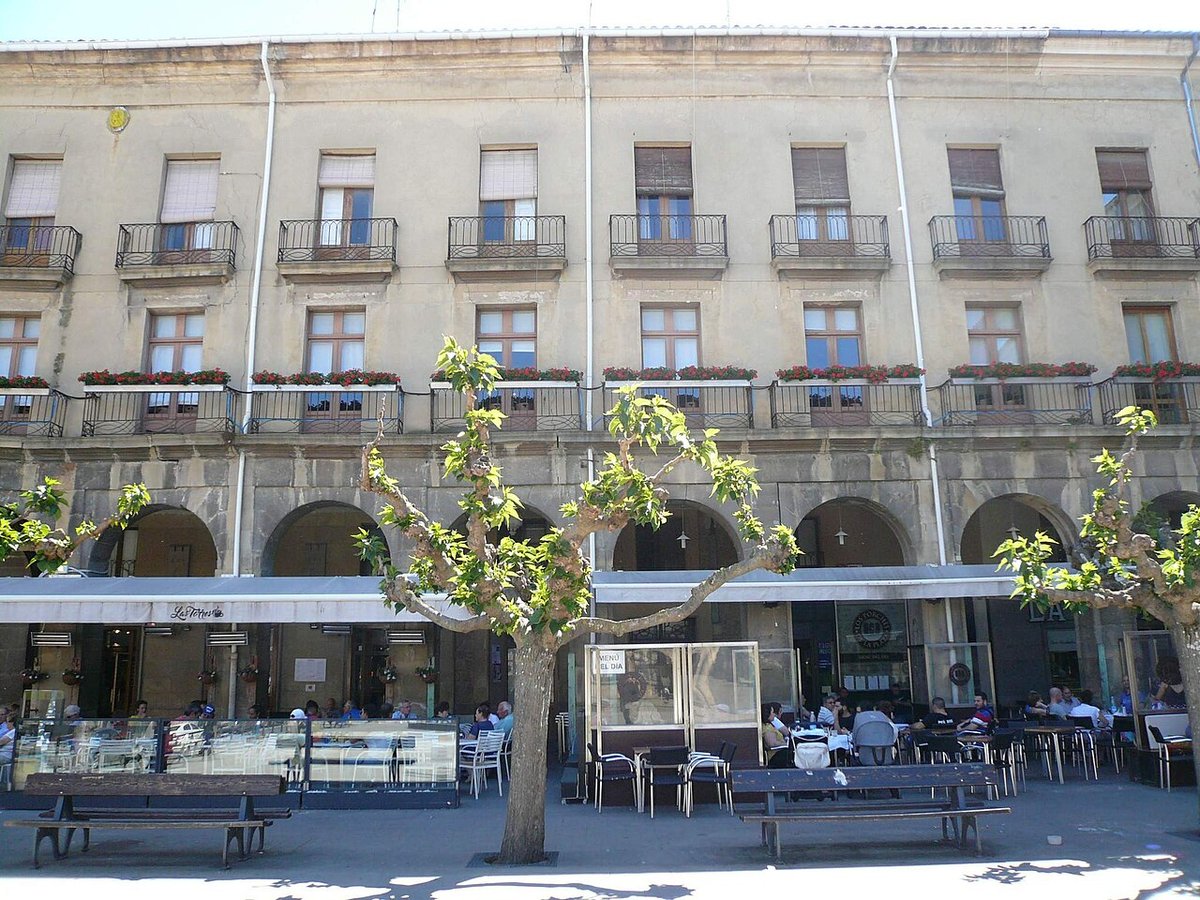
A short walk away brings you to the village square. Arcades line part of it, with benches set out beneath them. The scene is familiar across many villages in Navarra: neighbours talking, or playing a casual game. Nothing here appears arranged for outsiders. This is simply where local life happens.
Short streets, older houses
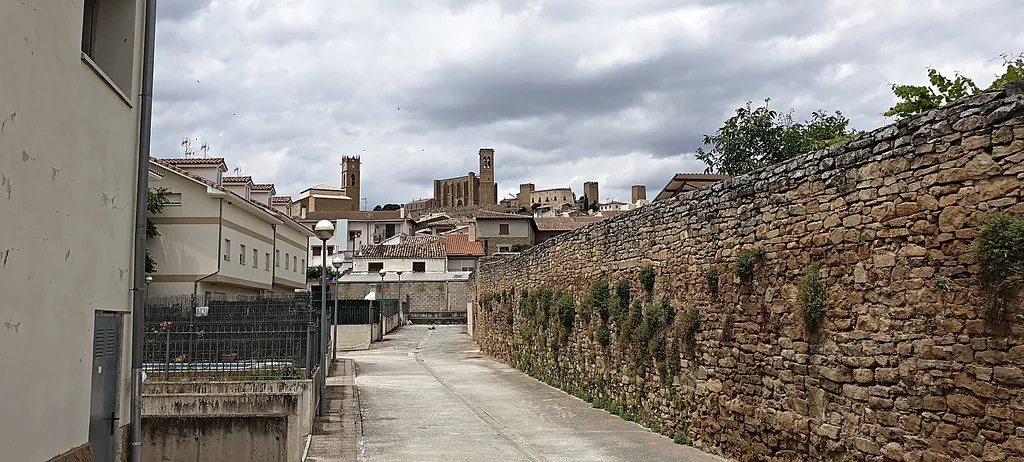
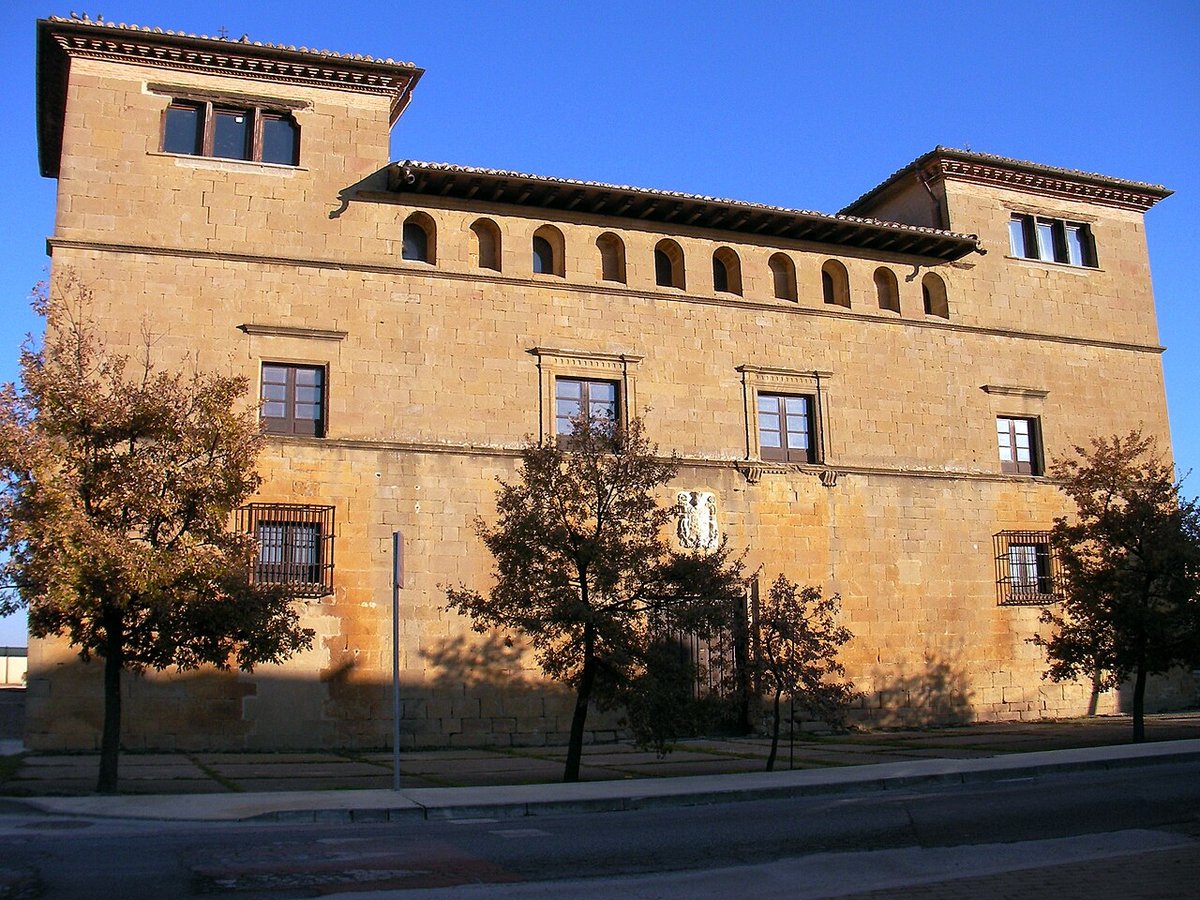
The urban centre is compact and easy to cross. Streets run fairly straight, with the occasional short slope. Several houses display coats of arms on their façades, a reminder of earlier times. Iron balconies and large wooden doors appear often enough to catch the eye.
You can walk across the whole village in around twenty minutes. The interest lies in paying attention as you go. Small windows, thick walls and some whitewashed surfaces give the streets a consistent look. There is no strong sense that anything has been reshaped to suit photography or tourism. Pueyo still functions first as a lived-in place.
Fields at the edge of the village
The last row of houses gives way quickly to open land. Agricultural tracks begin almost immediately. This part of Navarra, known as the Zona Media, is marked by wide, flat landscapes where cereal crops dominate. Wheat is the most common, with patches of barley or oats appearing here and there.
The appearance of the fields changes with the seasons. Spring brings a strong green across the land. Summer replaces it with gold tones and a clear horizon, with few trees breaking the view.
Walking these tracks is straightforward. They are simple farm paths where tractors pass and local residents check on their plots. If you pay attention to the wildlife, you may spot common farmland birds such as sparrows and magpies, along with the occasional bird of prey gliding when the wind allows.
A place that fits into a route
Pueyo is not set up as a full-day destination. It works better as a short stop within a wider route through the Zona Media. You arrive, walk through the centre, take in the surrounding fields, and then continue on your way.
In return, it offers something that is harder to find in more visited places: real quiet. At certain times of day, the streets are almost empty.
Early morning around the village can be striking if you are interested in agricultural landscapes. As the sun rises higher, the ground looks harsher and drier, particularly in summer.
When to go
Spring and autumn tend to be the most comfortable times to walk the tracks around Pueyo. The colours of the fields shift noticeably, and temperatures are easier to handle.
Summer brings strong sun and very little shade along the open paths. Early starts or later afternoons make more sense in those conditions. Winter creates a different atmosphere altogether: cold days, long stretches of silence, and the occasional distant sound of a dog or a car passing along the nearby road.
Getting there and around
Pueyo is reached via local roads that link it with other villages in the Zona Media and with Pamplona. The approach is straightforward.
Once in the village, it is easiest to leave the car on the outer edge and continue on foot. The streets are narrow, and within a few minutes you can reach the church or the square. Walking avoids awkward manoeuvres and gives you a better feel for how residents move through the place.