Full Article
about Tafalla
Capital of the Zona Media; a commercial and service town with an interesting old quarter and a lively festival scene.
Hide article Read full article
Tafalla: el pueblo que no necesita tu aprobación
Llegas a Tafalla y lo primero que notas es que nadie te está esperando. No hay una muralla perfectamente restaurada para recibirte, ni un cartel de “pueblo con encanto”. Es como entrar en casa de un amigo un martes por la tarde: las cosas están donde deben estar, la vida sigue su curso y tú eres bienvenido, pero no el centro del universo. Ese es el primer acierto.
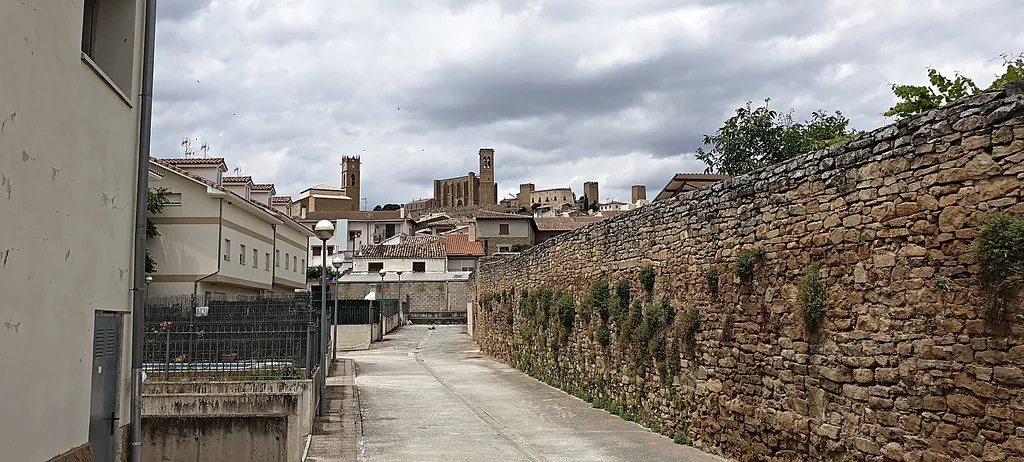
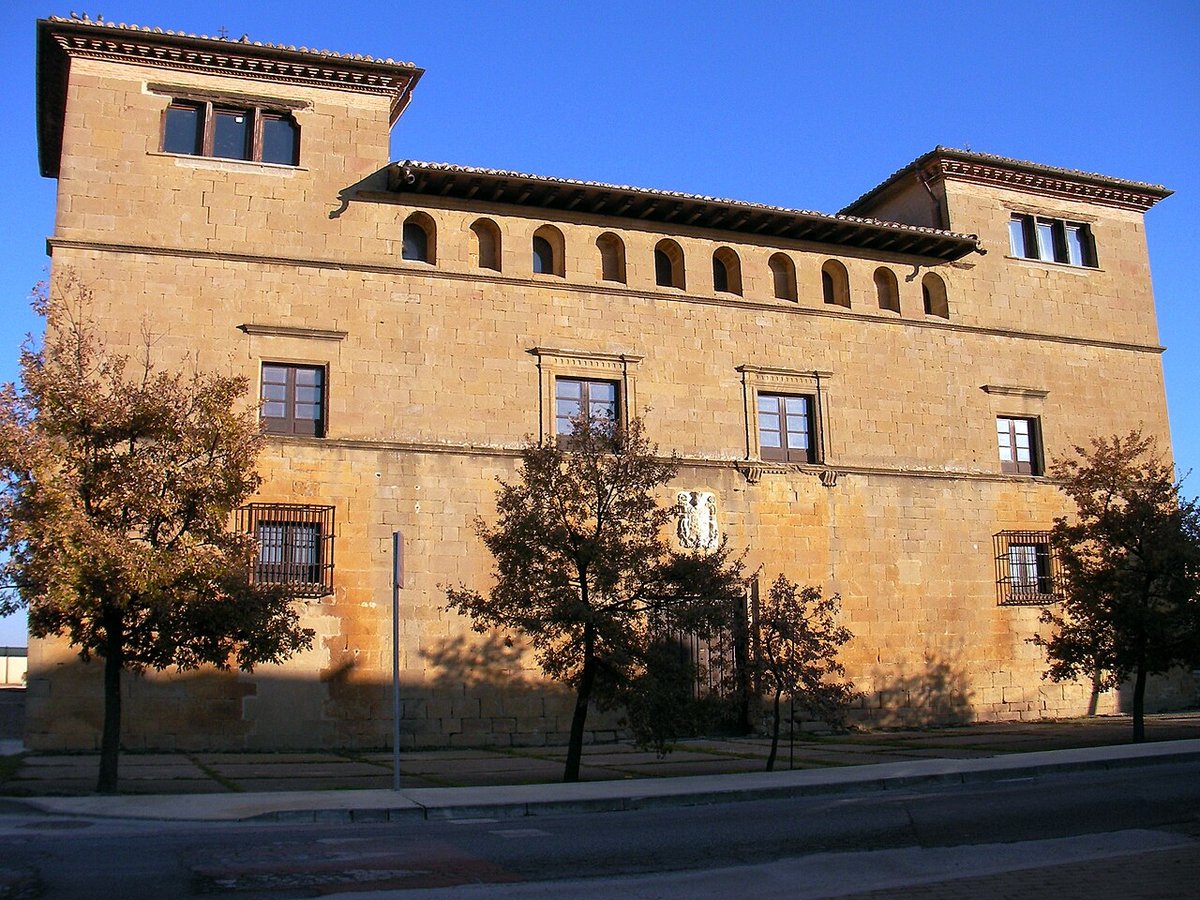
El centro tiene esa planta medieval que te hace dar vueltas sin querer. Acabas saliendo por donde no pensabas, topándote con un trozo de muralla que ahora sirve de pared para un garaje, o con la iglesia de Santa María, que por fuera parece una más y por dentro te para en seco. La de San Pedro, arriba del todo, es tu punto de referencia visual. Si te pierdes (y es fácil), solo tienes que buscarla.
Donde el plan siempre termina siendo comer
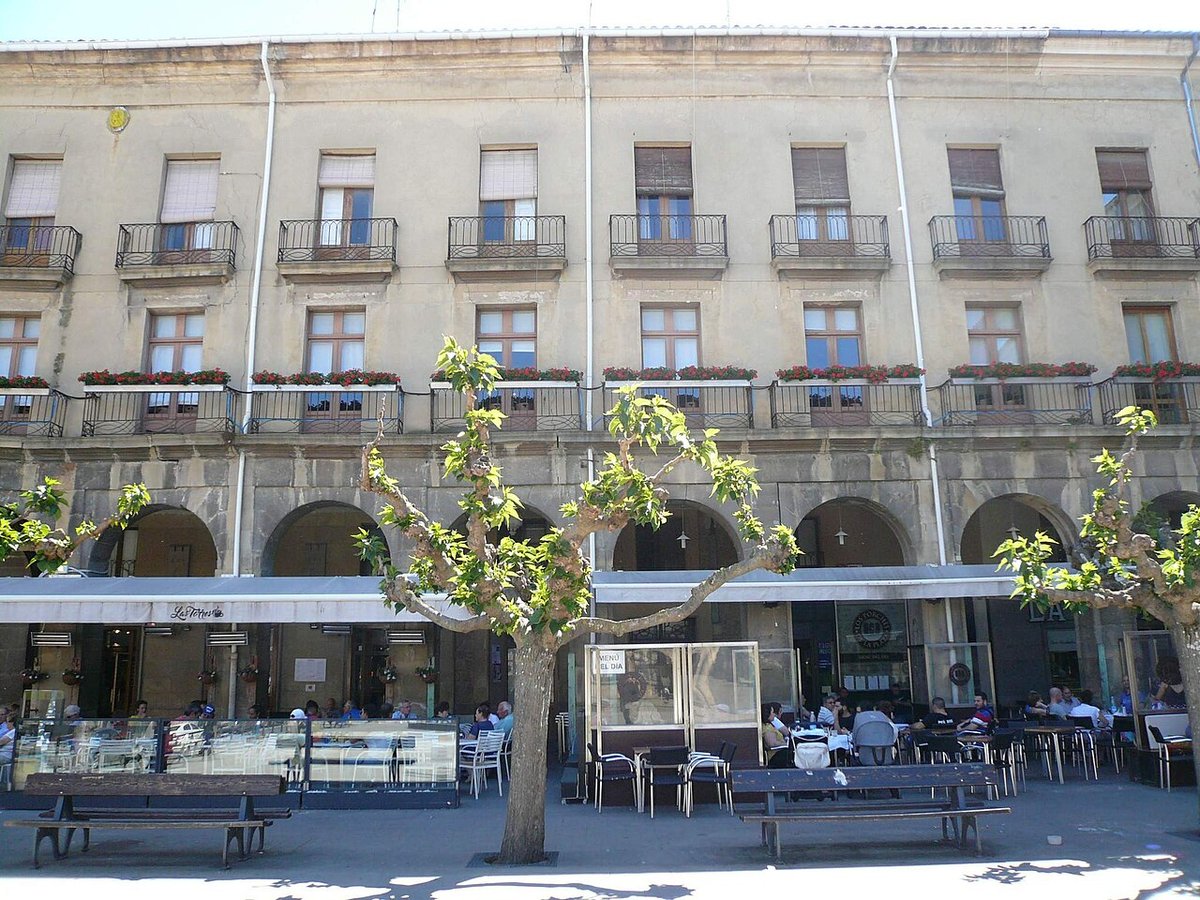
Te diré lo que pasa en Tafalla: vienes a ver una iglesia o a dar una vuelta, y sin saber cómo terminas sentado en una mesa, con una jarra de vino y un plato delante. No es que haya un restaurante estrella Michelin; es todo lo contrario. La gracia está en lo básico hecho bien, en el ambiente de bar donde se discute de fútbol y política con igual pasión.
La chistorra aquí es cosa seria. No es un acompañamiento, es el protagonista. Si la pillas buena, ya justifica el viaje. Y luego están los juevintxos de verano: los jueves por la tarde, los bares sacan pintxos y la gente hace el recorrido. No es nada del otro mundo, pero tiene esa energía de fin de jornada laboral que se alarga porque apetece.
Un detalle que me gusta: en algunas tiendas todavía venden los caramelos de siempre, esos duros y con papelito que saben a infancia navarra. Es ese tipo de guiño que te dice que el tiempo aquí pasa, pero no borra todo.
Los días en los que se acelera el pulso
Si vienes en agosto, olvídate del pueblo tranquilo. Las fiestas patronales lo transforman: suenan las charangas, las peñas llenan las calles y hay encierros. Es la Navarra festiva en estado puro, intensa y comunal. No es un espectáculo para turistas; es su fiesta y tú estás invitado a sumarte al jaleo.
En invierno cambia la película. La feria ganadera tradicional ha ido cambiando con los años, pero conserva ese aire a mercado importante, a punto de encuentro comarcal donde se habla tanto de precios como de familia. Es otra faceta del mismo carácter: práctico, social, arraigado.
El paisaje ancho de la Zona Media
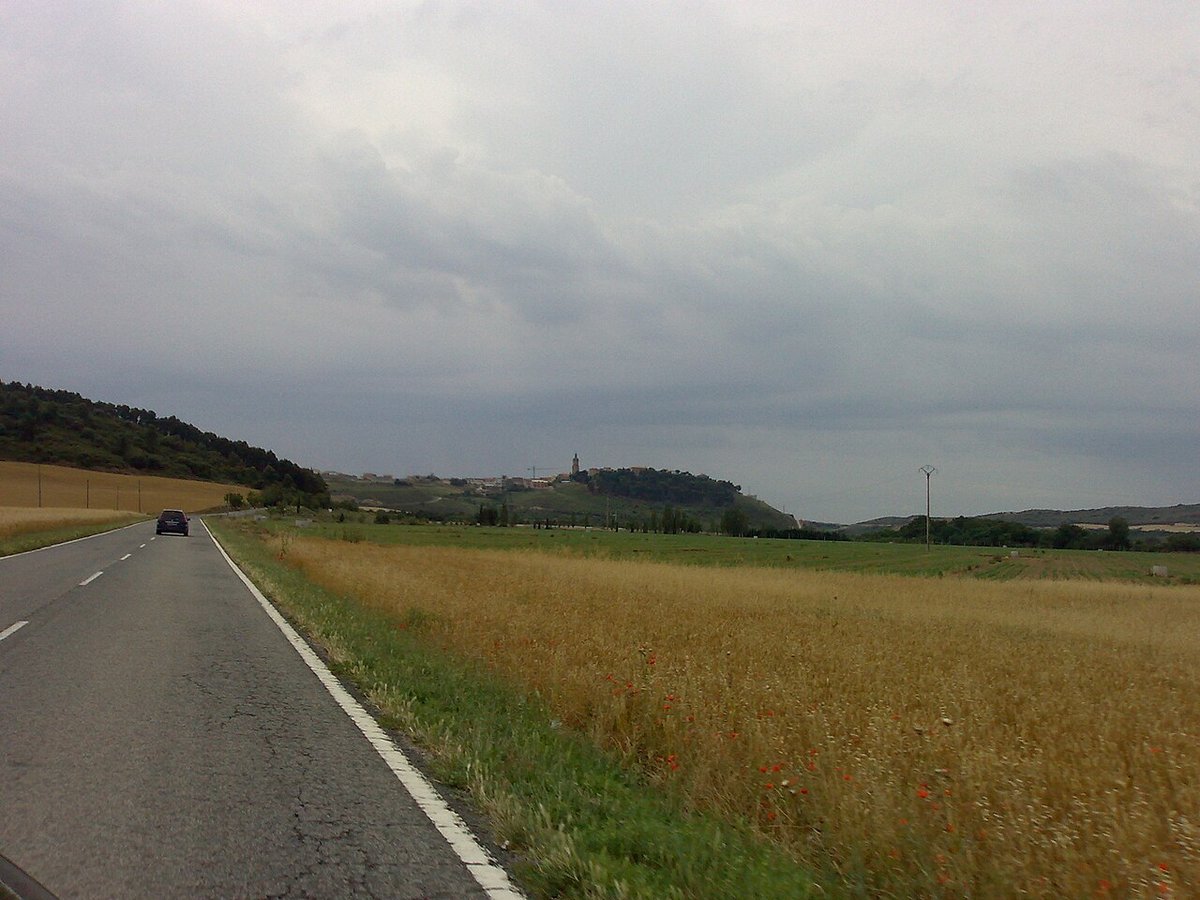
Si sales del casco urbano, entiendes todo mejor. Esto no son los Pirineos ni la Ribera; esto es la Zona Media navarra en su esencia. Campos abiertos hasta donde alcanza la vista, caminos agrícolas rectos como reglas y algún viñedo salpicando.
Las rutas para andar o ir en bici son sencillas y llanas. No busques grandes emociones; busca espacio para respirar. La sorpresa suele venir en forma de ermita solitaria en medio de un campo o una vieja casa de labranza con más historia que muchas catedrales.
Al atardecer, con esa luz dorada bañando los cereales, el paisaje se vuelve hipnóticamente tranquilo. Es el momento para no hacer nada más que mirar.
Mi opinión sincera
Tafalla no va a quitarte el hipo ni a llenar tu Instagram de postales perfectas. Es otra cosa: un pueblo funcional y vivo donde paras porque está en tu camino hacia Olite o Ujué. Te tomas algo, paseas sin rumbo unos cuarenta minutos (más si te entretienes mirando fachadas), quizá entras en una iglesia… y sin darte cuenta has pasado medio día. Esa es su virtud: retenerte sin pretenderlo.
Es ese tipo de sitio útil para viajes reales. No como destino único, sino como parada honesta entre punto A y punto B, donde comes mejor de lo esperado y sales con la sensación de haber visto algo verdadero, sin filtros. Y al final, eso cuenta más que muchos encantos forzados