Full Article
about Ujué
One of Spain’s most beautiful villages; a defensive medieval town crowned by a church-fortress sanctuary.
Hide article Read full article
A hilltop silhouette in the Zona Media
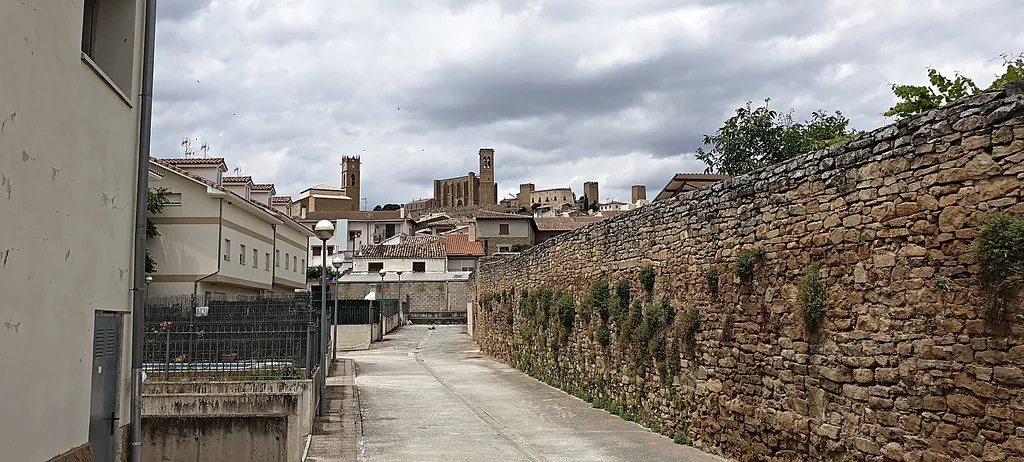
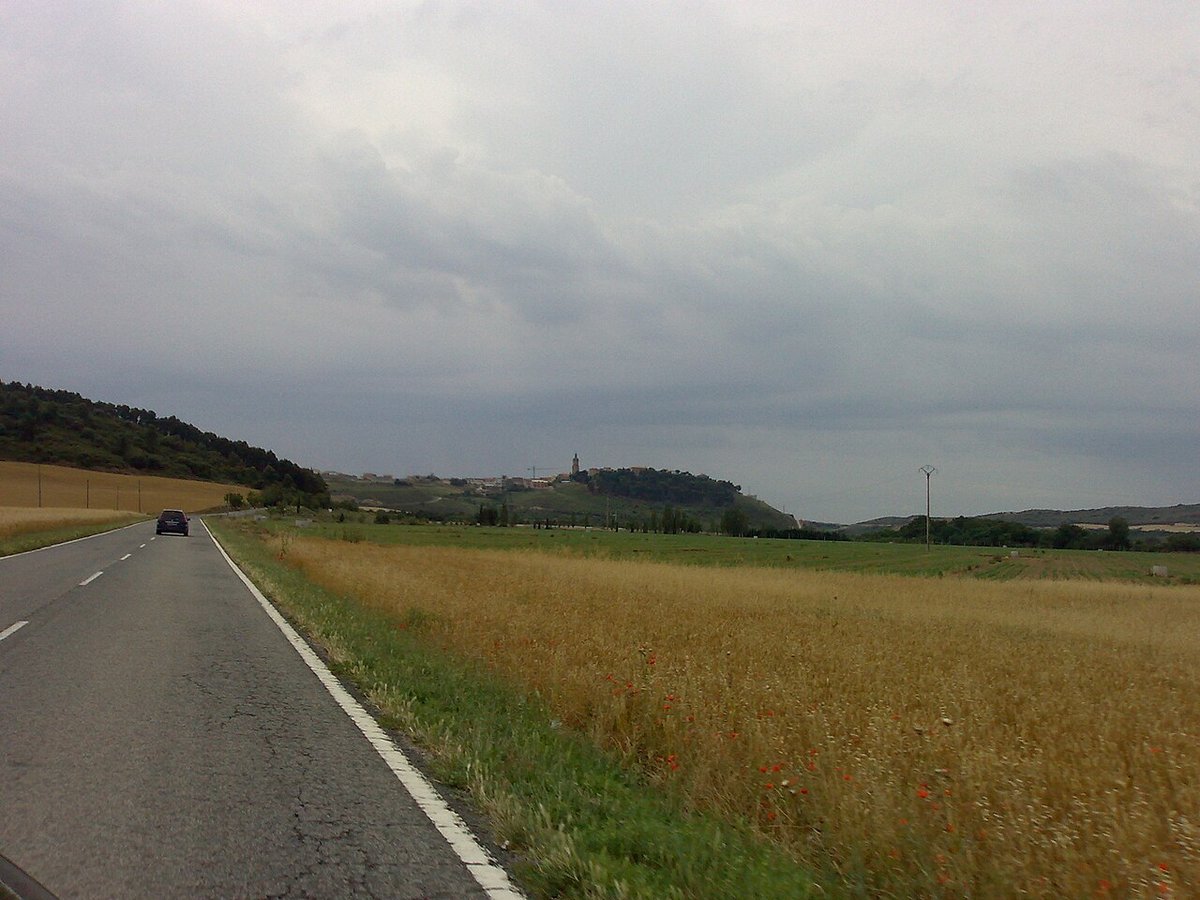
By mid-morning, when the sun falls directly onto the stone, Ujué appears from below as a compact outline. At the very top sits the church-fortress of Santa María, grey and solid, as if it were holding the hill in place. As the road approaches, wind slips through the narrow streets and scrapes along the corners. The air smells of dry fields and warm earth. From the open space near the church, the countryside of the Zona Media unfolds in soft waves, shifting in colour with the seasons.
Ujué has just over one hundred and sixty residents, and that becomes clear almost immediately. There is no rush in the streets, no constant background noise. Just the wind, the occasional car climbing slowly, and the echo of footsteps on stone.
Santa María, between church and fortress
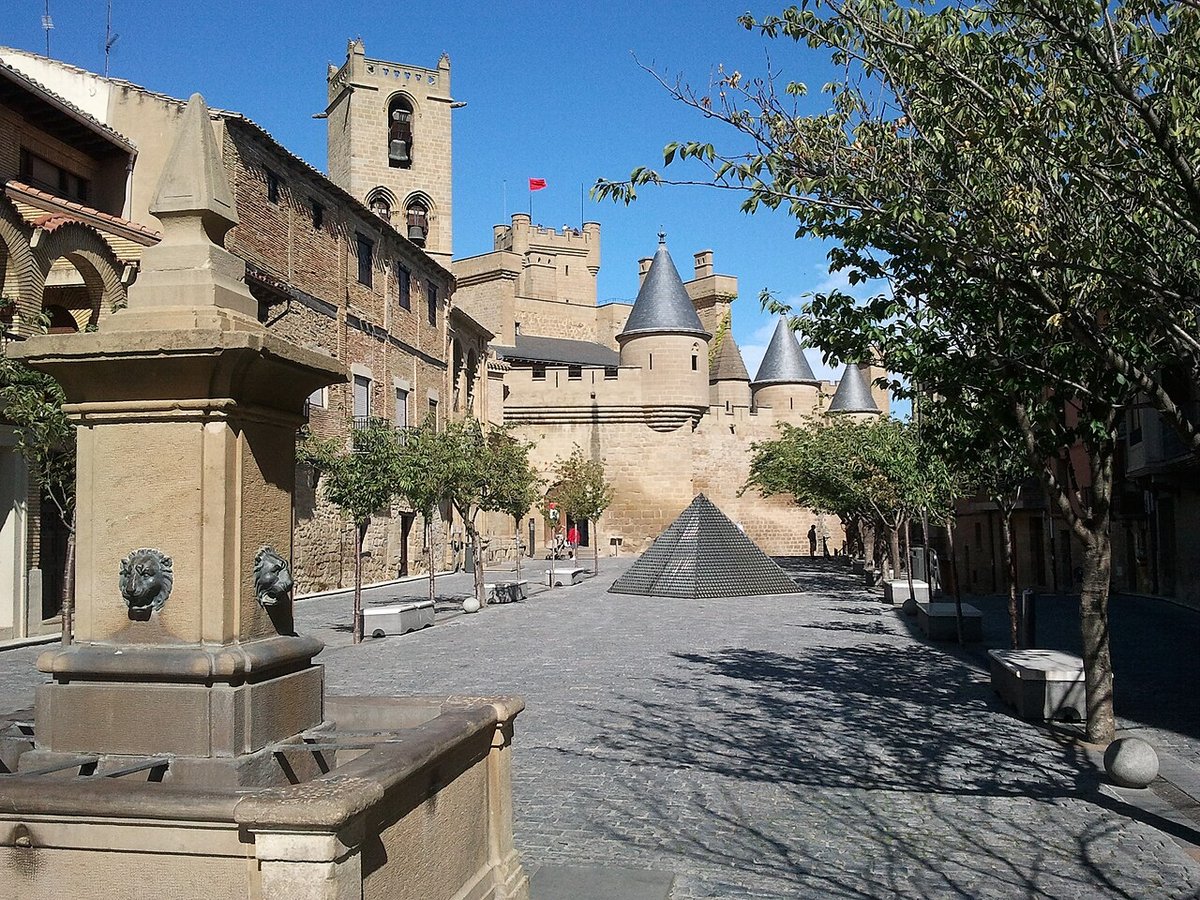
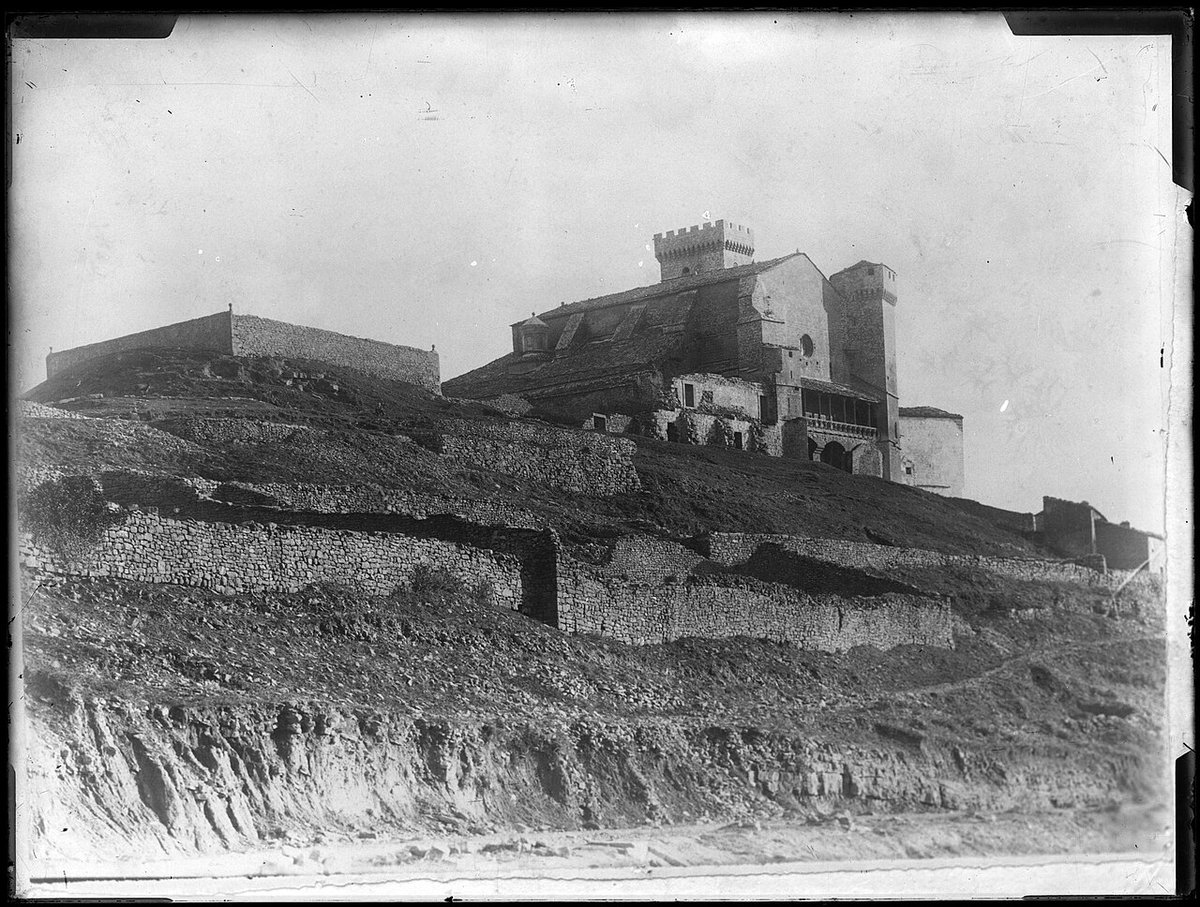
The church of Santa María combines religious and defensive functions. Its thick walls and towers point to a time when this height served as a lookout over the surrounding land. Inside, bare stone dominates. The arches are simple, and the light enters filtered, cooler than outside.
The image of the Virgin has drawn devotion for centuries. Even today, walkers arrive at certain times of year. Stepping back outside, a terrace encircles the building, making it possible to walk all the way around at an unhurried pace. From there the landscape opens in every direction. On windy days, the sound of air striking the walls and sliding along the battlements becomes part of the visit.
Streets shaped by the slope
The old quarter is small, yet it slows movement. Cobbled streets rise and fall following the hill’s incline. Some are so narrow that sunlight barely reaches them at certain hours.
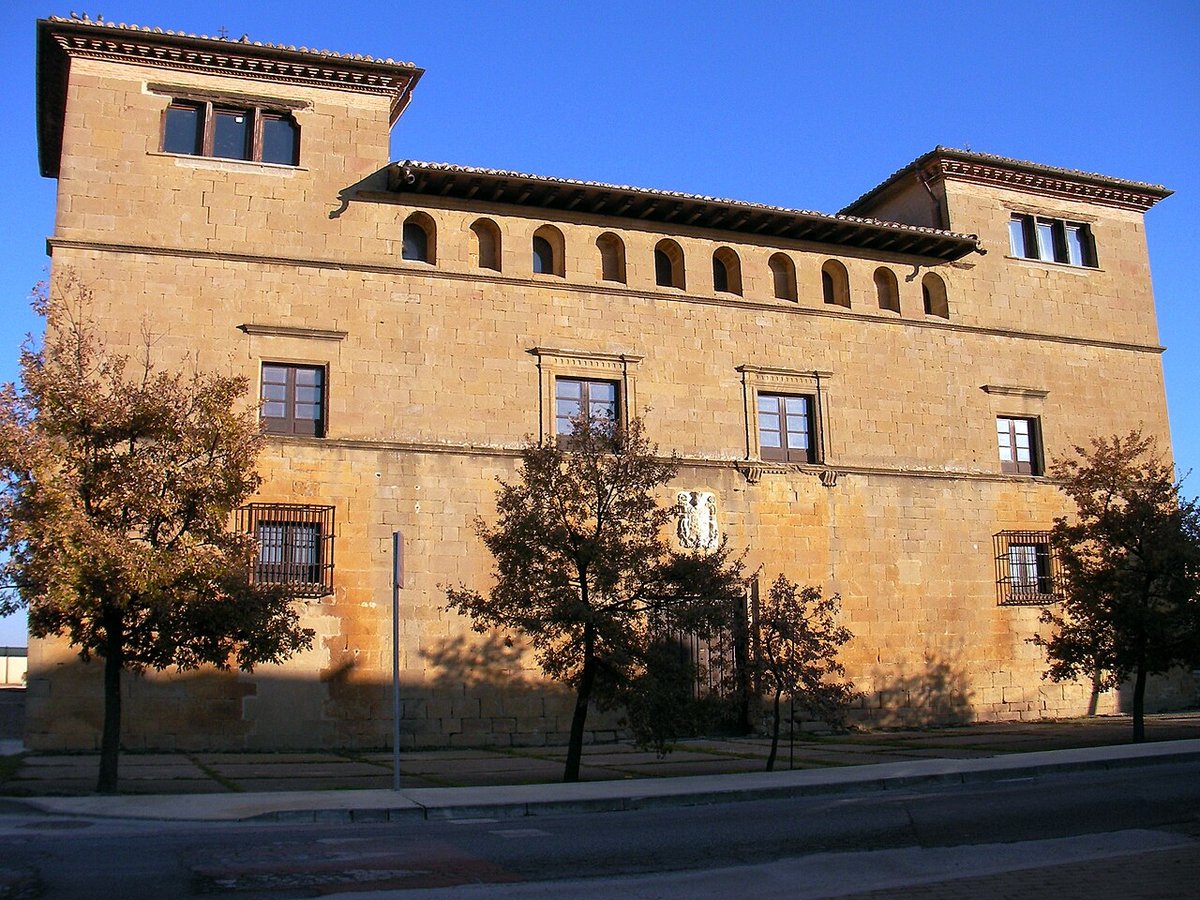
Fragments of the old defensive wall still appear in places. They are not always obvious at first glance, often blending into the houses themselves. Within this layout stands the so-called Casa del Almirante, with a stone façade that is more worked than the others. There is no sign drawing attention to it. It simply sits along one of the higher streets.
Footwear with a firm sole makes a difference here. The polished stone and the steady gradients are felt in the legs.
Paths circling the hill
Beyond the built-up area, several paths run around the hill. Some are signposted and allow a short walk away from the centre to take in the full profile of the village. From below, the church and the houses look like a single mass of stone resting on the slope.
A circuit along these paths usually becomes a quiet, steady walk. The ground changes noticeably depending on the time of year. In autumn or winter it can be damp and slightly slippery.
In the village, food tied closely to local tradition is still prepared, such as migas, a rustic breadcrumb dish, and sugared almonds known as almendras garrapiñadas, sold in small quantities. These are simple flavours, the kind associated with festivals or long-standing home cooking.
A pilgrimage on foot
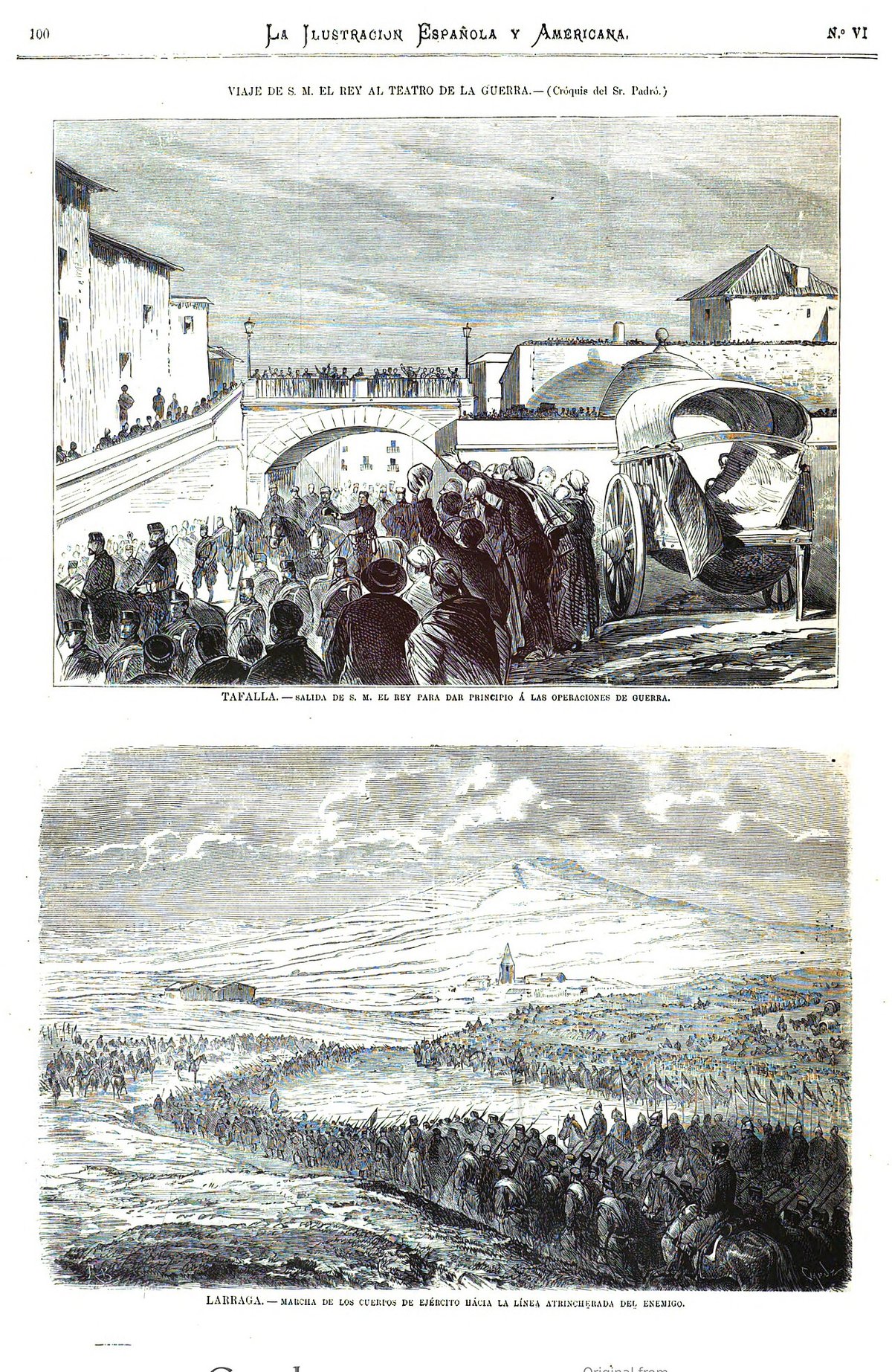
At the end of April, a romería, a traditional pilgrimage, usually takes place from Tafalla to Ujué. It covers several kilometres, and many people complete the route on foot until they reach the church on the hill. On that day the village changes completely: groups arrive, bells can be heard, and the square fills with movement.
Summer brings the local patron saint festivities, and in September there are usually events linked to the Nativity. If a visit coincides with these dates, it is worth checking ahead. Access and atmosphere differ greatly from an ordinary day.
Walking without a plan
Ujué reveals itself quickly when explored without a fixed route. From the lower part of the village, it is enough to follow any of the steep streets that climb towards Santa María. The walk almost always ends at the open space by the church.
From there, it is worth circling the building, pausing to look out over the landscape, then heading back down along a different street. The light shifts noticeably during the afternoon. Facades move from grey to a soft orange as the sun begins to drop.
What to keep in mind
The slopes are constant. Not especially long, but steep. In summer, the sun falls directly onto the stone, so the middle hours of the day are best avoided.
Driving up into the upper part of the village can be awkward. The usual approach is to leave the car in the access areas and continue on foot.
Ujué is small and services are limited. For a stay of several hours, it makes sense to carry water and something to eat.
In the end, Ujué works best as a stop within a wider route through the Zona Media. Arrive, walk slowly through the streets, and when the road leads away again, the outline of the church remains alone on the hill. For a while it stays visible in the rear-view mirror, then disappears among the folds of the landscape.