Unzue from Barasoain.jpg
Barasoaindarra · Public domain
Navarra · Kingdom of Diversity

Unzué

The church tower of San Miguel Arcángel appears first, rising above wheat fields that ripple like water in the wind. At 650 metres above sea level,...

158 inhabitants
650m Altitude

Why Visit

Unzué Rock Climb to Peña

Best Time to Visit

summer

San Bernabé Festival (June) junio

Things to See & Do
in Unzué

Heritage

  • Unzué Rock
  • Church of San Millán

Activities

  • Climb to Peña
  • Hiking

Festivals
& & Traditions

Fecha junio

Fiestas de San Bernabé (junio)

Las fiestas locales son el momento perfecto para vivir la autenticidad de Unzué.

Full Article
about Unzué

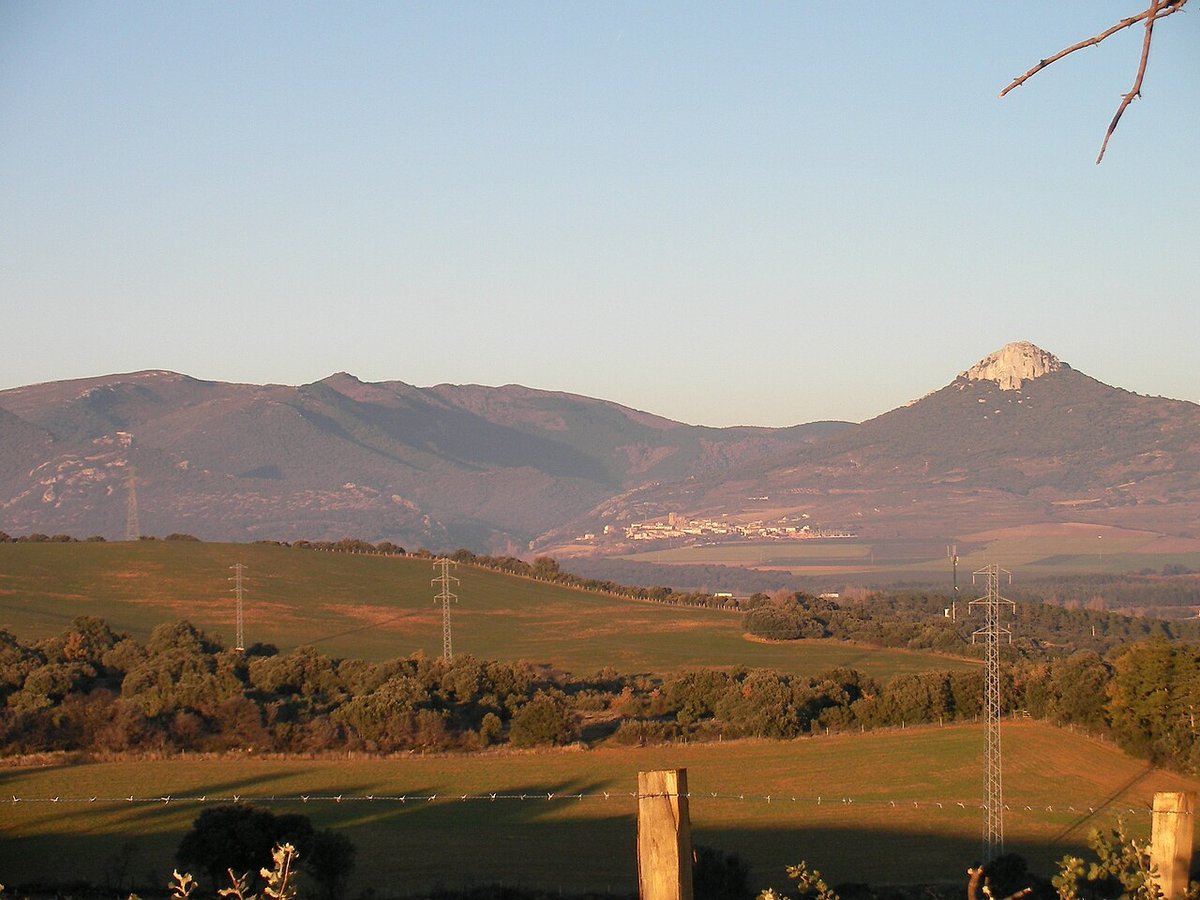
At the foot of the Peña de Unzué; a small village overlooking the Valdorba

Ocultar artículo Leer artículo completo

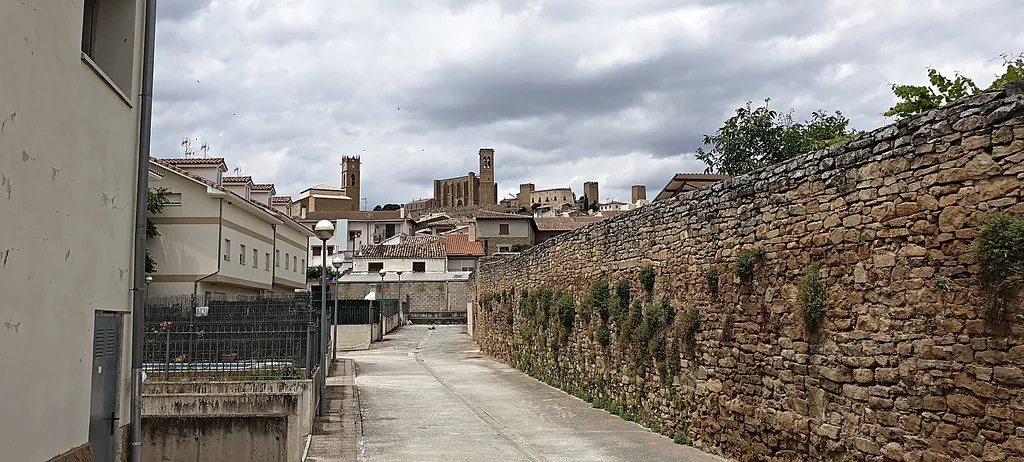
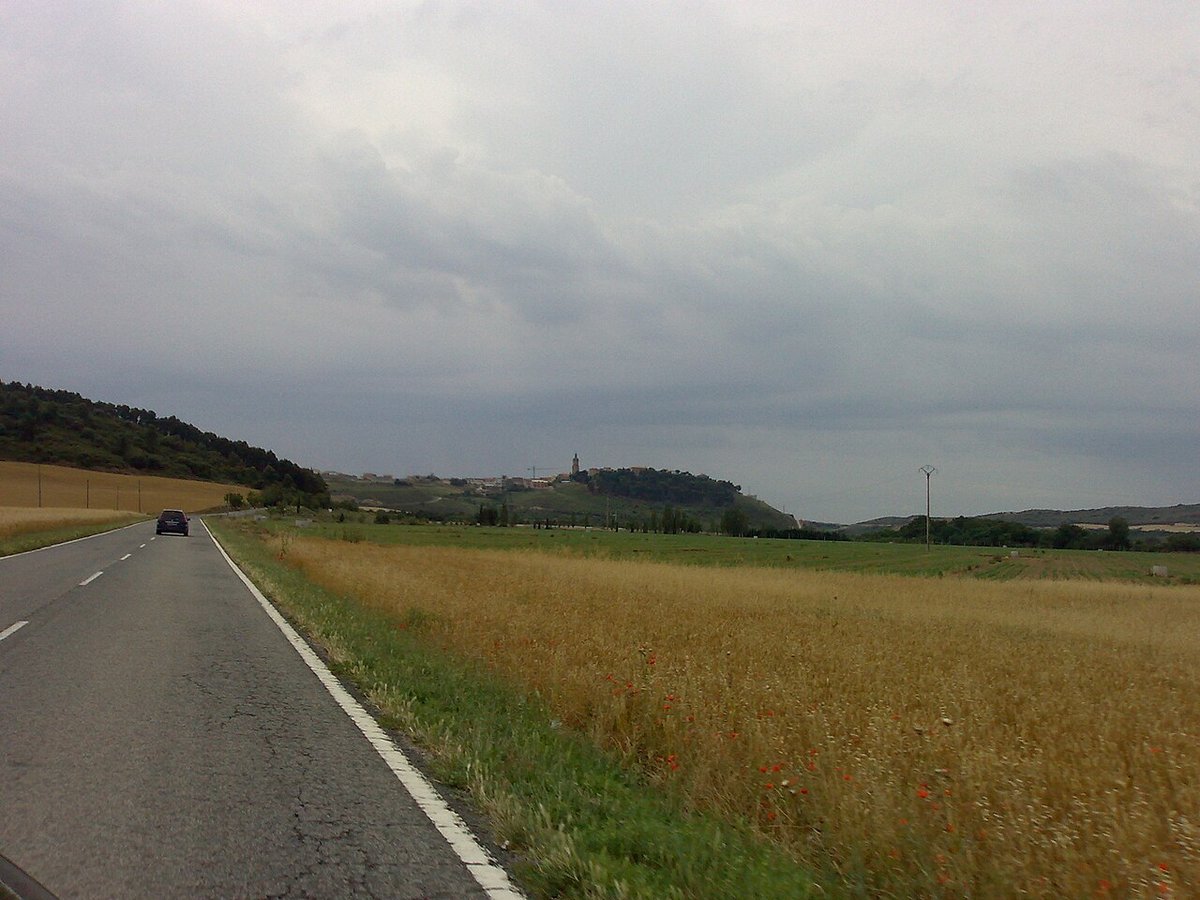
The church tower of San Miguel Arcángel appears first, rising above wheat fields that ripple like water in the wind. At 650 metres above sea level, Unzue sits high enough that the air feels thinner, cleaner somehow, than the valley towns below. This is Navarra's Zona Media, where the mountains proper haven't quite begun but the land refuses to stay flat.

Fifty years ago, perhaps 400 people called this village home. Today it's 158, give or take. The maths isn't complicated: young people leave for Pamplona or Madrid, houses stand empty, and those cereal fields that surround the village keep getting wider. Yet what's left feels honest rather than sad. There's no pretence here, no attempt to manufacture a tourist experience. The stone houses with their carved coats of arms stand shoulder to shoulder with working barns, and the few bars serve coffee to farmers who've been up since five.

Stone, Sun and Silence

Walking through Unzue takes twenty minutes if you're dawdling. The streets narrow to single-file in places, the stone walls absorbing heat during the day and releasing it slowly through the evening. Look up and you'll spot dates carved into lintels—1756, 1832, 1901—alongside the more recent PVC windows that signal someone's retirement project. The architecture isn't grand, but it's competent. Solid masonry, slate roofs that have weathered centuries of Atlantic storms, and those distinctive Navarrese doorways wide enough for a cart but too narrow for a modern tractor.

The parish church anchors the eastern edge of the village, its tower visible from kilometres away across the agricultural plain. Inside, the mixture of styles tells the same story you'll find across rural Spain: Romanesque bones, Gothic additions, Baroque flourishes paid for by nineteenth-century emigrants who made their money in Cuba or Argentina. The art historians might shrug, but the building matters less for its architectural significance than for its role in village life. When the bell rings for Sunday mass, the handful of worshippers who gather here represent three, sometimes four generations of the same families.

The Hill That Watches

Santa Bárbara watches over everything from her hill just outside the village proper. The ermita here functions less as a religious site than as a natural viewing platform. Climb the track—steep enough to get your heart pumping but manageable in twenty minutes—and the cereal plain spreads out below like a map. To the north, the Pyrenees float on the horizon, snow-capped well into May. South and west, the patchwork of wheat and barley fields extends to the edge of vision, interrupted only by the occasional poplar windbreak or the stone bulk of a neighbouring village.

The landscape transforms dramatically with the seasons. Spring brings an almost violent green that seems too vivid for Spain, the young wheat creating geometric patterns across the rolling topography. By late June, the colour shifts to gold as harvest approaches, the fields rippling like animal fur in the wind that almost always blows up here. Autumn strips the colour away entirely, leaving a stark beauty of ochre earth and grey stone under vast skies. Winter can be brutal: when the wind comes straight from the Atlantic, carrying rain that turns the tracks to mud, Unzue feels like the edge of the world.

Walking the Agricultural Labyrinth

The network of agricultural tracks that radiate from the village offers walking that's both accessible and atmospheric. These aren't manicured footpaths but working routes between fields, marked by the occasional concrete post or the rusted remains of an old gate. Shade is nonexistent—this is tree farming country, not Mediterranean olive groves—so timing matters. Early morning walks reward with long shadows and dew that soaks your boots. Evening brings the kind of golden light that makes photographers miss dinner.

A circular route south towards the village of Guirguillano takes about ninety minutes, crossing a landscape that feels unchanged since the Middle Ages except for the distant hum of the A-15 motorway. The path rises and falls over low hills, each crest revealing another valley of wheat or barley. Buzzards circle overhead, and you'll almost certainly startle a hare that bounds away through the crops with that distinctive loping gait that makes them look twice their actual size.

What to Know Before You Go

Getting here requires accepting that the last ten kilometres will be on minor roads. From Pamplona, take the A-15 towards Tafalla, then exit onto the NA-6020 towards Olite. The turn-off for Unzue appears suddenly, marked only by a small green sign that could be missed at speed. The final approach road narrows to single track in places—reverse to the nearest passing point if you meet a tractor coming the other way.

Services in the village itself are minimal. There's no supermarket, no cash machine, and the bar keeps irregular hours that depend more on the owner's mood than any posted schedule. Plan accordingly: bring water if you're walking, fill up with fuel in Tafalla, and don't assume you'll find lunch unless you've booked ahead at one of the restaurants in Olite, twelve kilometres distant.

The nearest accommodation cluster sits around Olite, where the Parador dominates a hilltop but several smaller hotels occupy historic buildings in the old quarter. Camping isn't officially permitted around Unzue, though wild campers could probably find discreet spots on the higher ground—at their own risk, naturally, and respecting the fact that every hectare here belongs to someone who depends on it for their living.

The Rhythm of a Working Village

Unzue's fiestas happen in late September, centred on San Miguel Arcángel but really serving as an excuse for those who've left to return home. The celebrations remain resolutely local—no tour buses, no craft stalls selling identical leather goods, just families reconnecting over wine that's probably been made from grapes grown within sight of the village. The spring romería to Santa Bárbara draws a similar crowd, everyone walking up the hill together for a communal lunch that might feature lamb roasted over vine cuttings, if someone has slaughtered recently, or more likely cocido made with chickpeas from the southern plains.

This is the paradox of places like Unzue: they're dying and surviving simultaneously. The population shrinks, yes, but those who remain have doubled down on their commitment to a way of life that predates smartphones and weekend breaks. When the wheat harvest happens in July, ancient combine harvesters work fields that have been producing grain since Roman times. The same families still own the same plots, divided and recombined through centuries of inheritance, marriage and occasional feuds.

Come here expecting entertainment and you'll leave disappointed. Come seeking to understand how rural Spain actually functions when the tour groups have moved on, and Unzue offers a masterclass in agricultural endurance. Bring decent walking boots, a hat for the sun that feels closer at this altitude, and enough Spanish to order a coffee. The village won't charm you—that would require effort it's too busy to make—but it might just teach you something about persistence that's more valuable than any postcard view.

Key Facts

Region
Navarra
District
Zona Media
INE Code
31238
Coast
No
Mountain
No
Season
summer

Livability & Services

Key data for living or remote work

2024
ConnectivityFiber + 5G
TransportTrain station
HealthcareHospital 15 km away
Housing~6€/m² rent · Affordable
CoastBeach nearby
Sources: INE, CNMC, Ministry of Health, AEMET

Official Data

Institutional records and open data (when available).

  • Arriurdin
    bic Monolito - Menhir ~4.2 km
  • Arriurdin
    bic Monolito - Menhir ~4.2 km
  • Alto De Labegaña
    bic Túmulo ~2.7 km

Planning Your Visit?

Discover more villages in the Zona Media.

View full region →

More villages in Zona Media

Traveler Reviews