Full Article
about Arakaldo (Aracaldo)
Valleys and hamlets a stone’s throw from Bilbao, buzzing with local life.
Hide article Read full article
A place you almost miss
Arakaldo is the kind of place you drive through on the BI-625, maybe glance at the sign, and keep going towards Zeanuri or Bilbao. I did that for years. Then one day, my GPS took me on a detour and I stopped to let a tractor pass. I rolled down the window and just… stayed. There was nothing happening. That was the point.
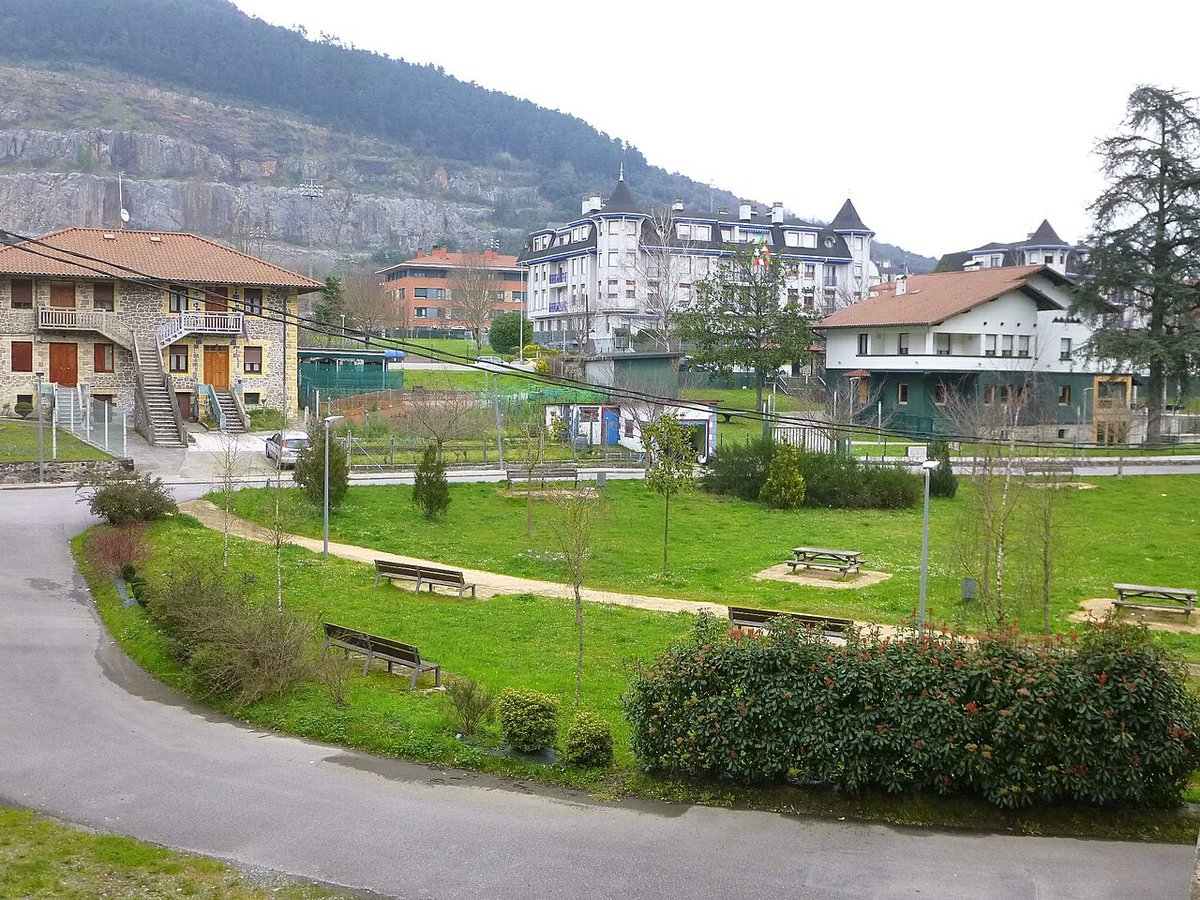
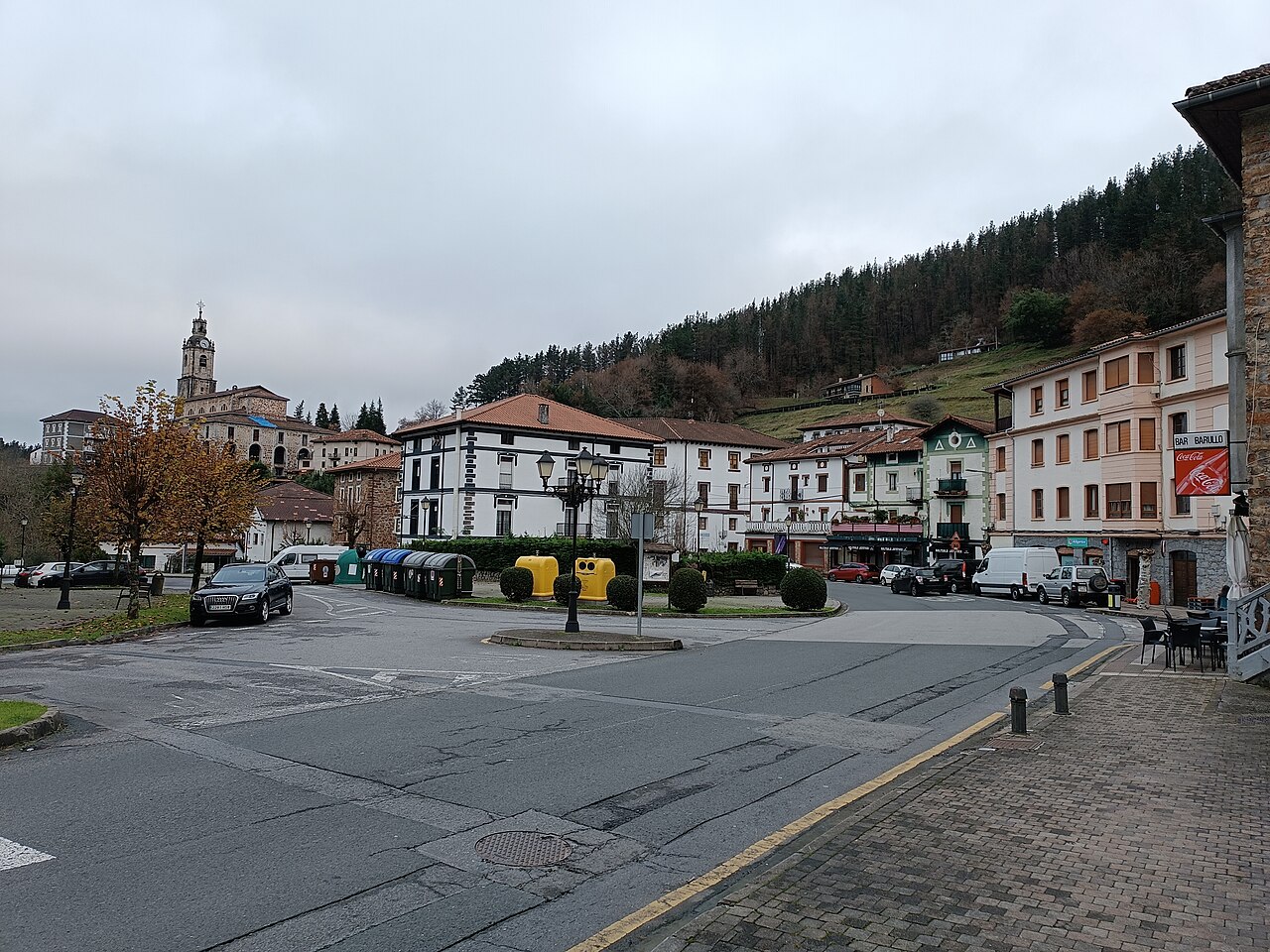
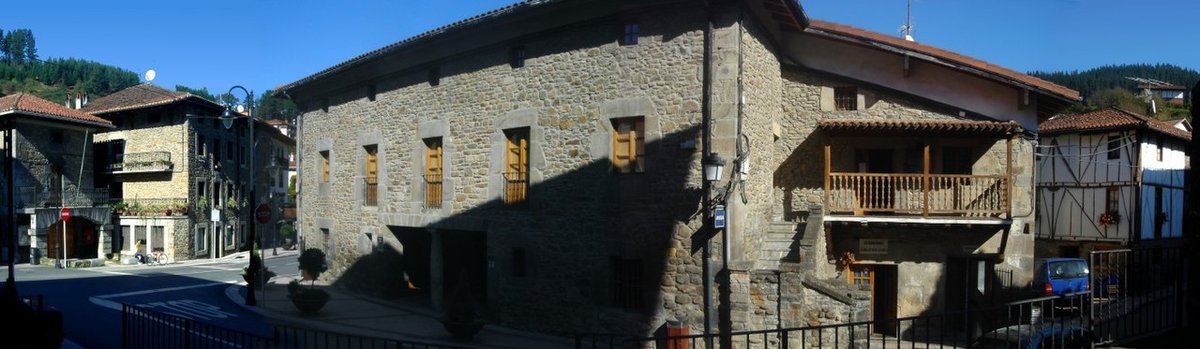
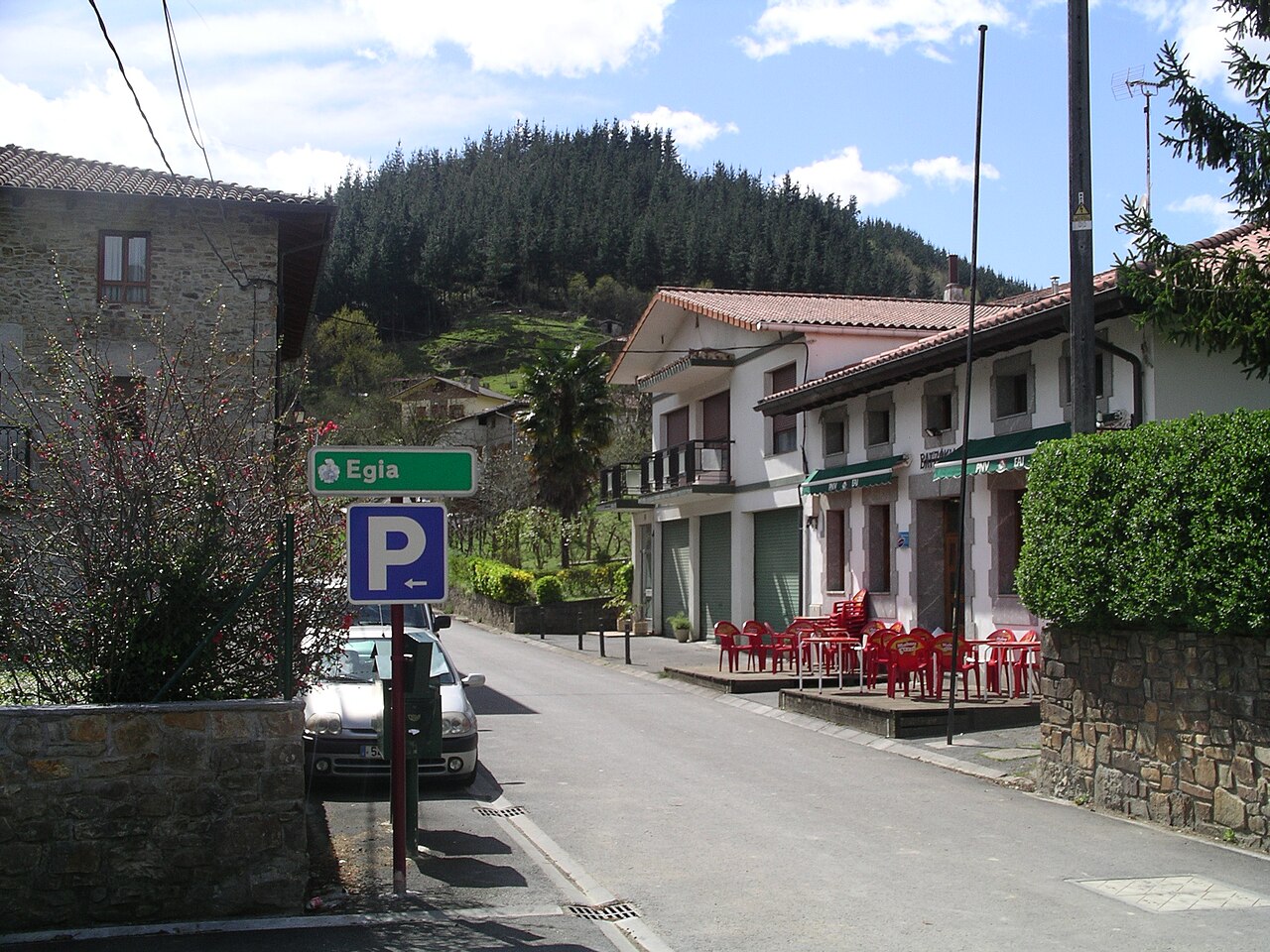
This isn't a village in the postcard sense. It’s more of a scattering of white caseríos across a hillside, like someone tossed a handful of dice onto green felt. You won’t find a main square or a promenade. Life here happens along the road, in the fields, and inside those farmhouses. It feels less like a destination and more like someone’s actual home—which it is.
The rhythm of the place
With 156 people, you get the math pretty quick. This is small-scale Bizkaia, the kind where your morning soundtrack is cowbells, not traffic. A single road threads through, connecting one farmstead to another. There are no shops to browse, no monuments demanding your attention.
What you do is walk or drive slowly. You notice the vegetable gardens right up against the houses, the woodpiles neatly stacked for winter, the narrow cement tracks leading off into private meadows. The pace is set by things that have nothing to do with tourism. It’s disorienting in the best way if you’re coming from the city.
The church and everything else
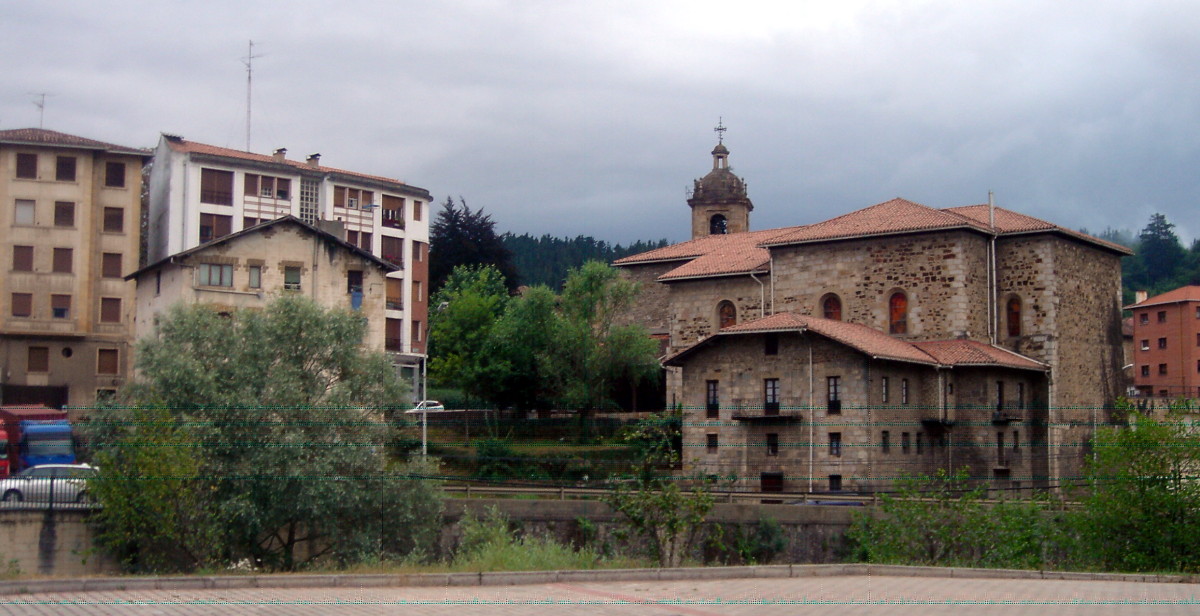
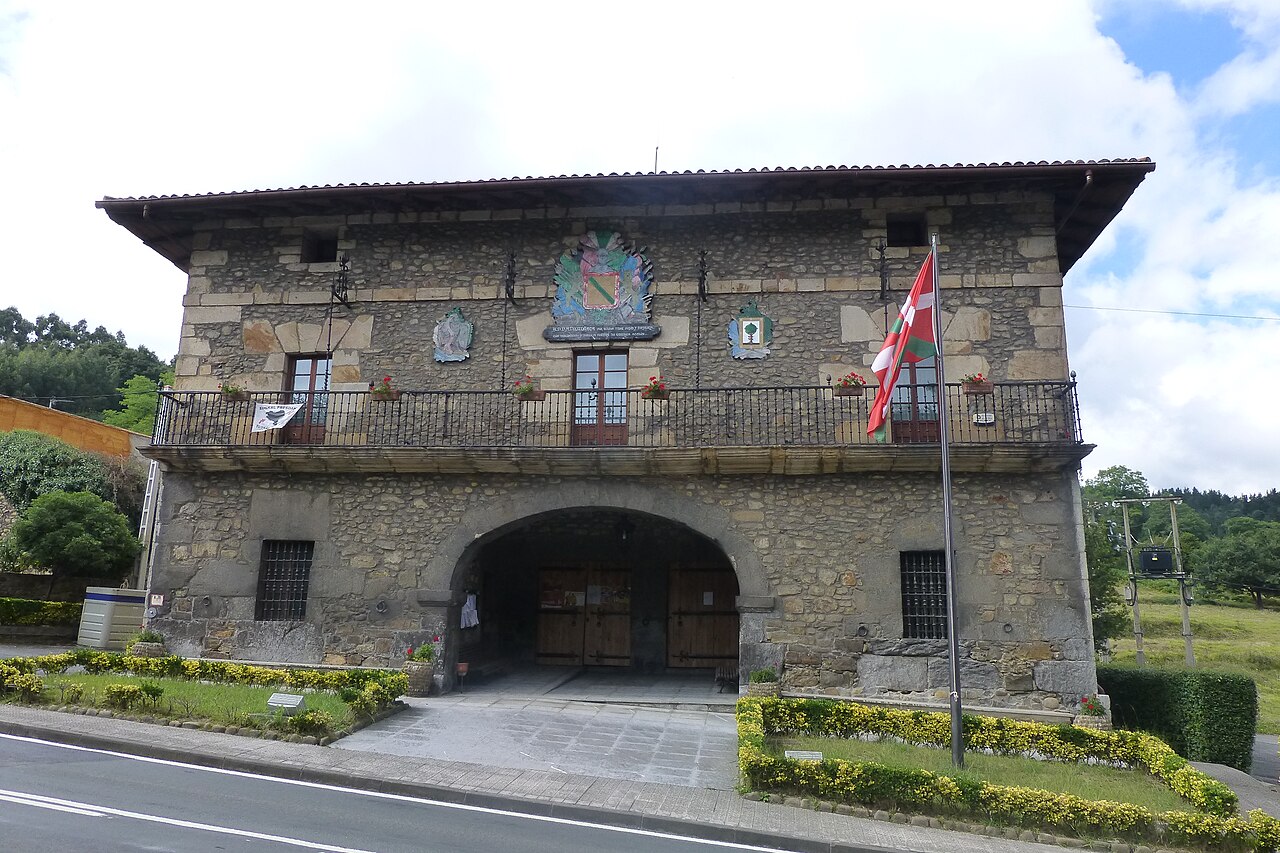
You’ll see the church of San Pedro because, frankly, there’s not much else to see in terms of buildings. It’s simple and solid, acting as a useful landmark so you know you’ve arrived at what passes for a centre—a loose knot of houses around it.
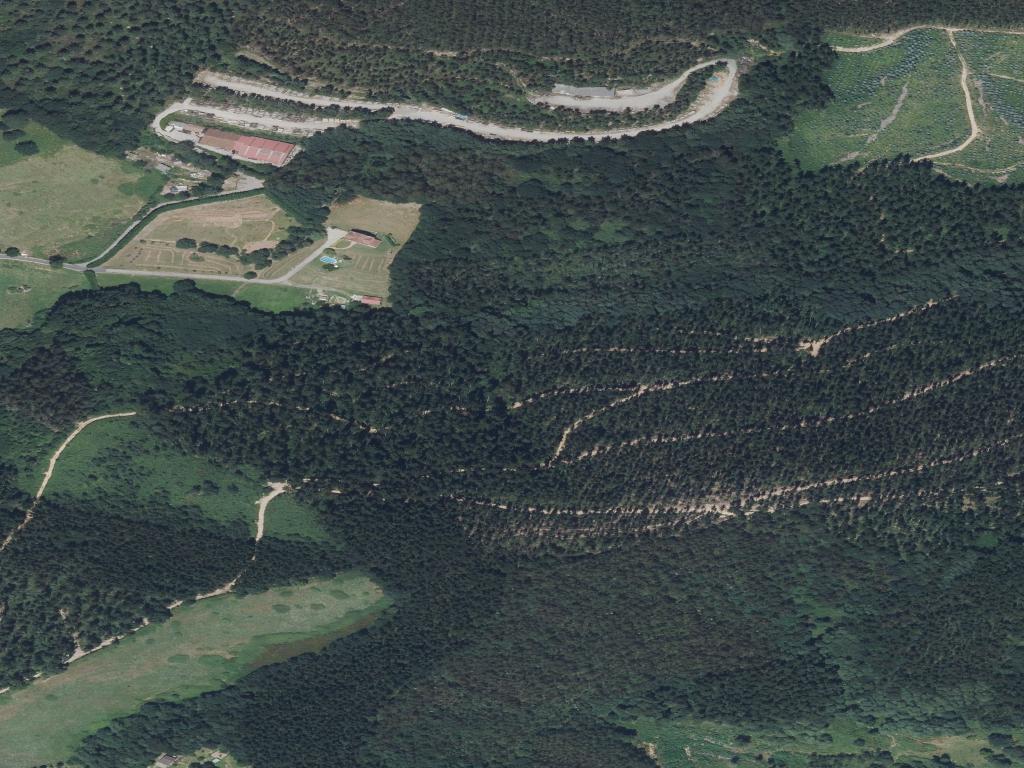
From there, Arakaldo just dissolves back into countryside. There's no clear line where it ends. One minute you're passing a house, the next you're in a field with sheep giving you the side-eye. This blurriness is its defining feature.
A walk by the river (bring boots)
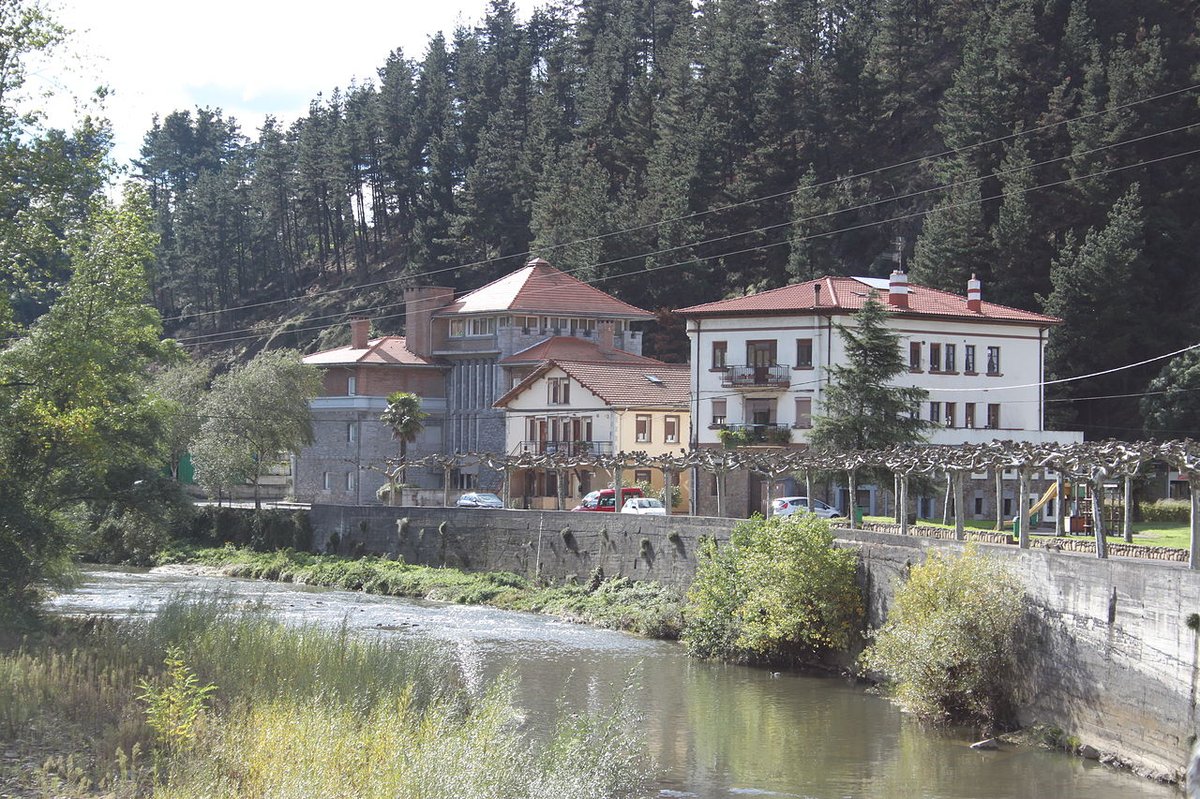
A short drive down towards Ugao-Miraballes brings you to paths along the Nervión. Here, the river feels more relaxed than in its industrial stretches upstream.
The walking here isn't signposted like a nature trail; it's functional. You're following routes used by locals to get from point A to point B, which means they feel real but can also end abruptly at a gate or turn into serious mud after rain. And it will rain—this is Bizkaia. My hiking boots looked like chocolate cakes by the end.
I saw a couple of cyclists grinding up a slope that looked gentle from below but clearly wasn't. The terrain here has a way of keeping you honest.
Let's talk about lunch
Look, don't come to Arakaldo hungry unless your plan involves a picnic from your backpack. There isn't a bar or restaurant in the municipality itself that I could find open on a regular basis for visitors.
The move is to treat this as part of a wider day. Visit in the morning for a walk, then drive 10-15 minutes to one of the towns in the Arratia valley for lunch. Trying to make Arakaldo provide everything will leave you frustrated and peckish.
When it works (and when it doesn't)
On a drizzly Tuesday in November? It can feel bleak. The grey settles into the valley, those inviting paths turn slick, and the charm of simplicity wears thin quickly.
Come in late spring or early autumn though—that’s when it clicks. The green is almost overwhelming, light filters through the oak groves beautifully, and walking is actually pleasant. Summer mornings are good too before it gets too bright; it rarely gets oppressively hot here.
The verdict from my passenger seat
Arakaldo isn't an afternoon out; it's an hour-long break from everything else. It works as:
- A scenic detour if you're driving between Bilbao and Vitoria.
- A thirty-minute leg-stretcher with some fresh air.
- A reminder that parts of Bizkaia still operate on pre-tourism time.
You don't come for an attraction.You come for ten minutes of quiet by the river before getting back in your car.You won't have stories about an amazing meal or an epic hike.But you might remember that patch of silence between two tractors.That's what they're selling here,and honestly,sometimes that's enough