Full Article
about Areatza (Villaro)
Valleys and hamlets a stone’s throw from Bilbao, buzzing with local life.
Hide article Read full article
Areatza is the friend who doesn't make plans
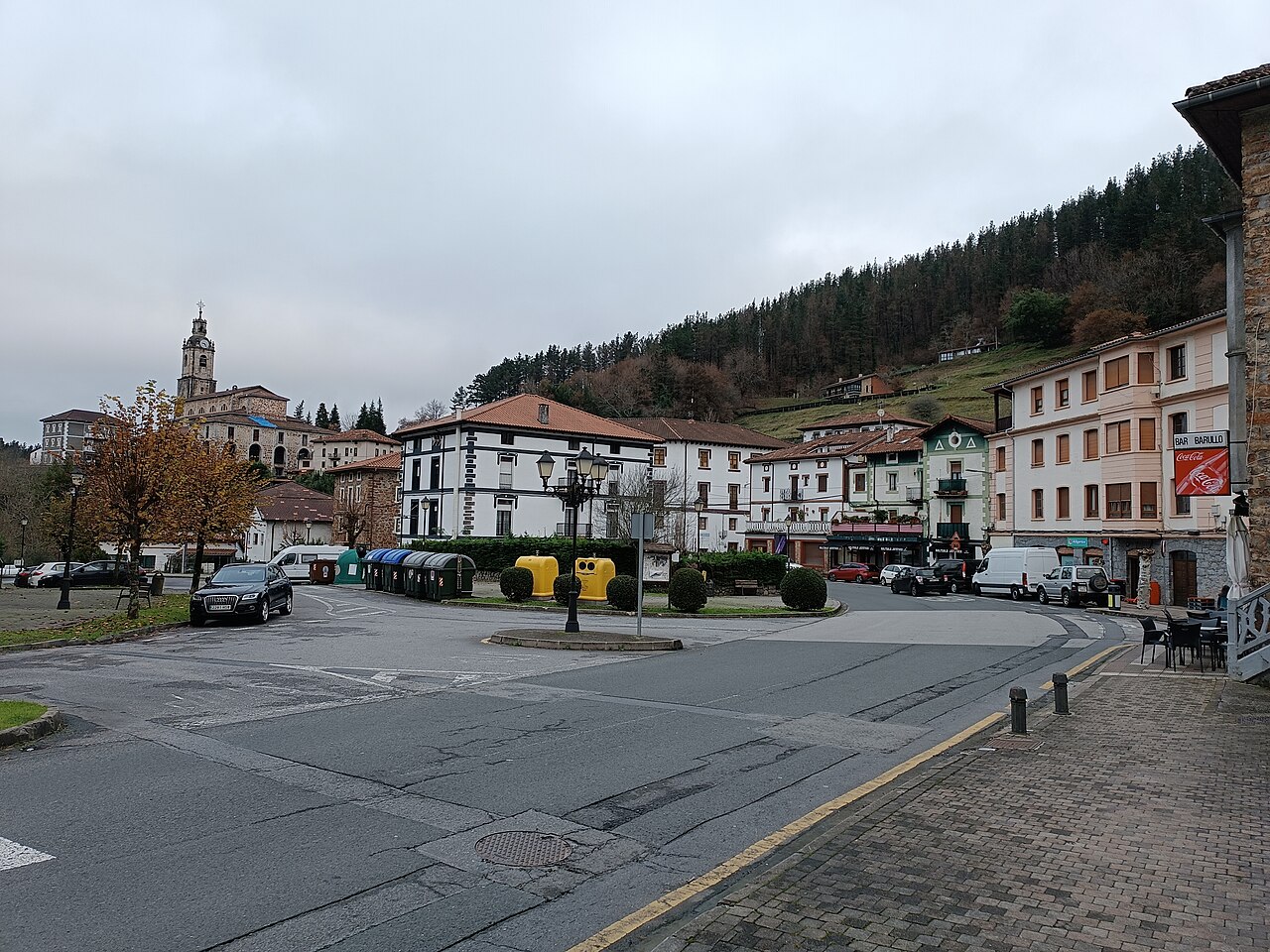
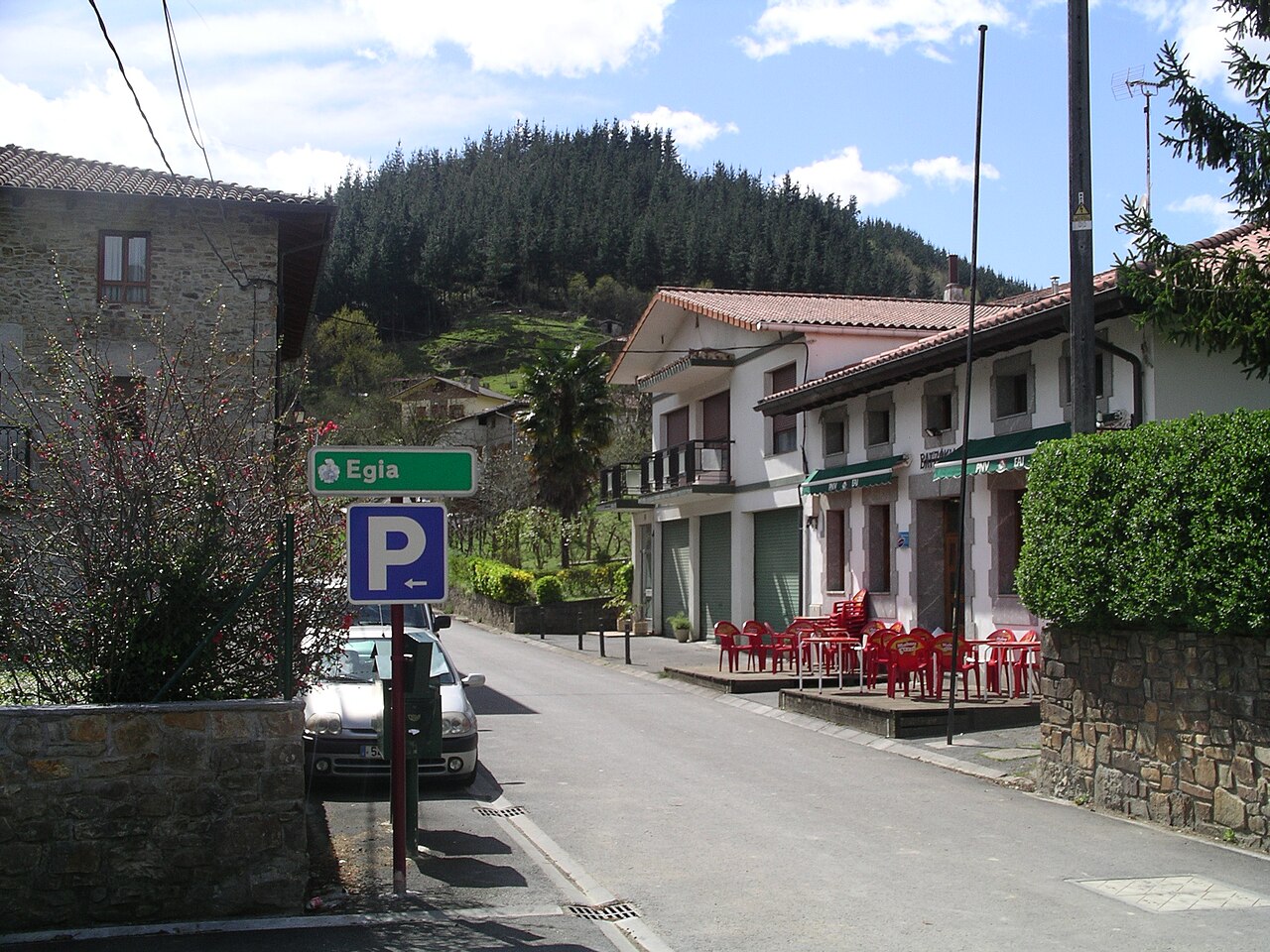
You know that friend who’s always just… there? Not the one organising the big trip, but the one you call for a quiet beer. Areatza, or Villaro, is a bit like that. It’s a town in Bizkaia’s Arratia valley that doesn’t shout. It’s just where it is, with its old houses and streets that lead to hills. You come here to step out of the itinerary, not add to it.
The rhythm is set by people doing their shopping, not by tour groups. A walk here feels like you’ve borrowed someone else’s Sunday afternoon. You don’t see everything; you notice things. The colour of a door, the way the light hits a stone wall. It’s a place that gets better when you stop trying to make it impressive.
The centre: a short, undirected loop
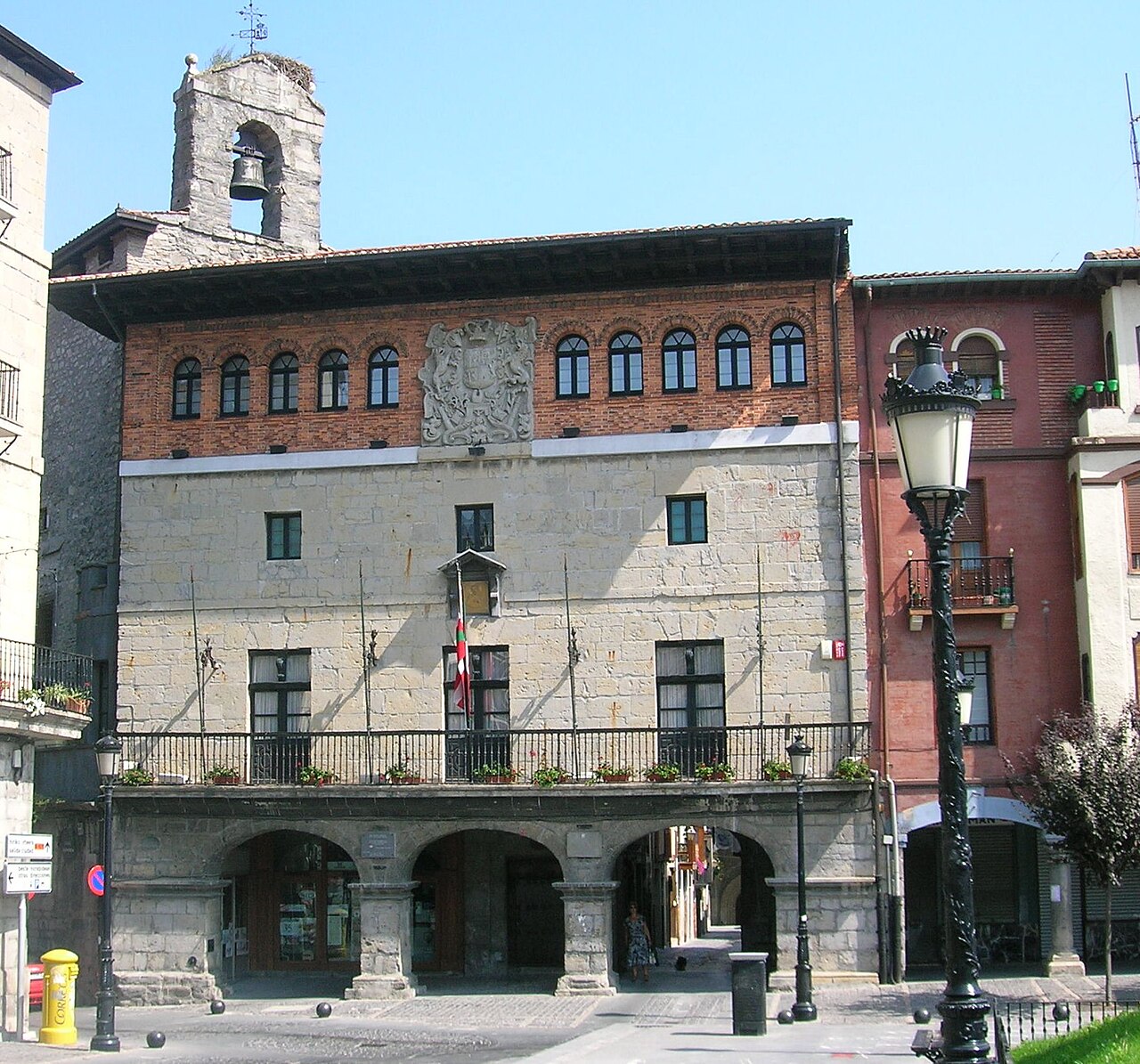
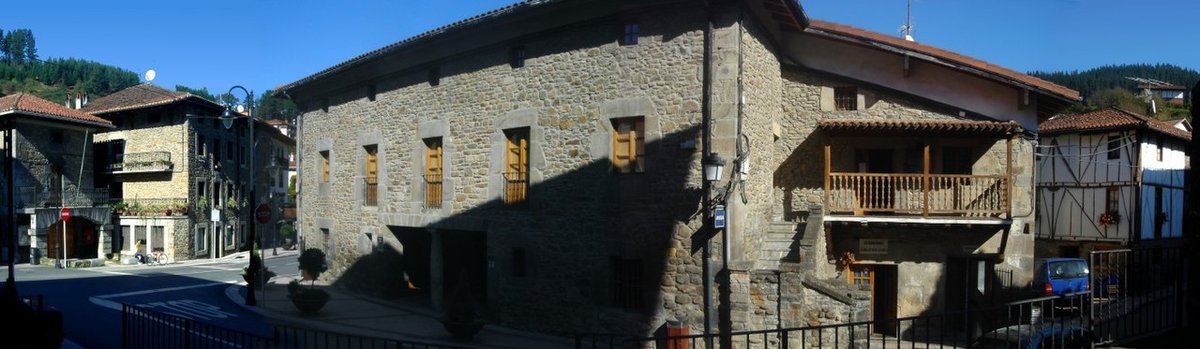
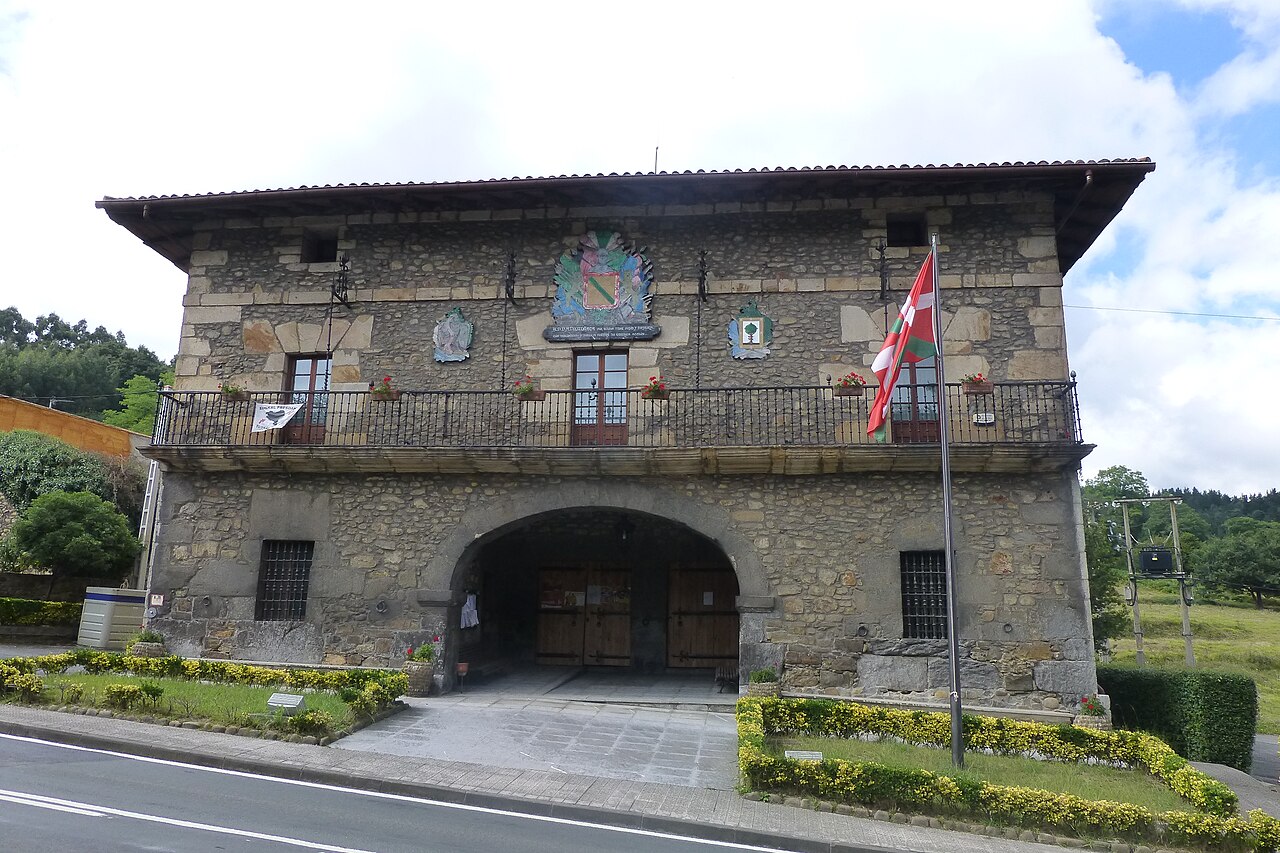
You can't miss Palacio Urrutia. It's that solid 16th-century stone block with coats of arms carved into the front. It's not really a 'visit', more a 'stop and look'. The weight of it tells you enough. You stand there for a minute, then move on.
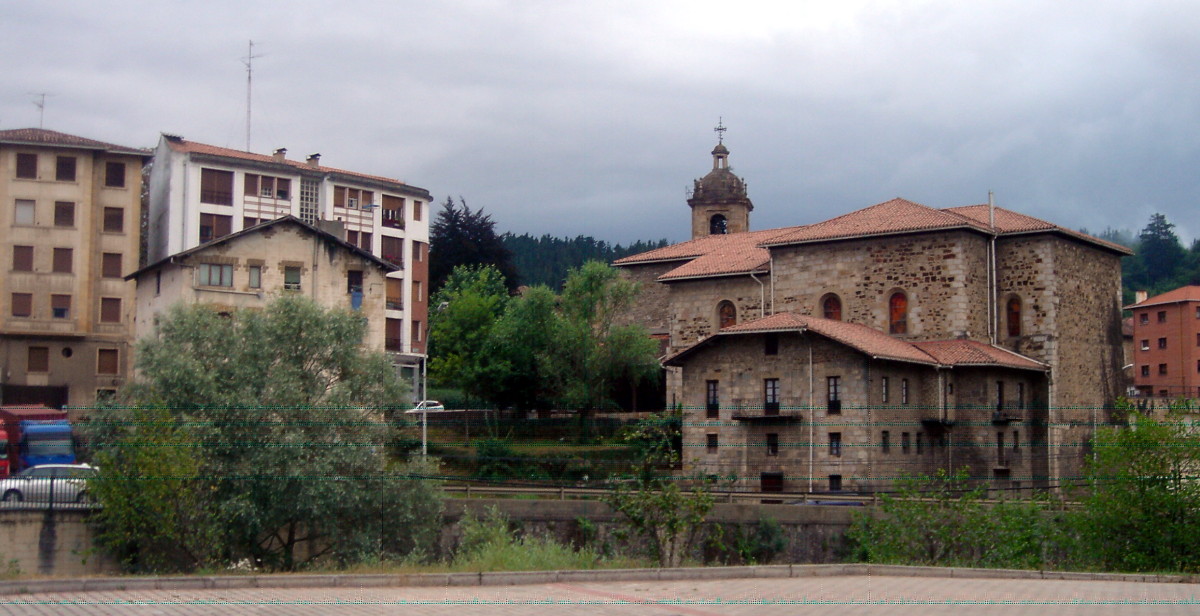
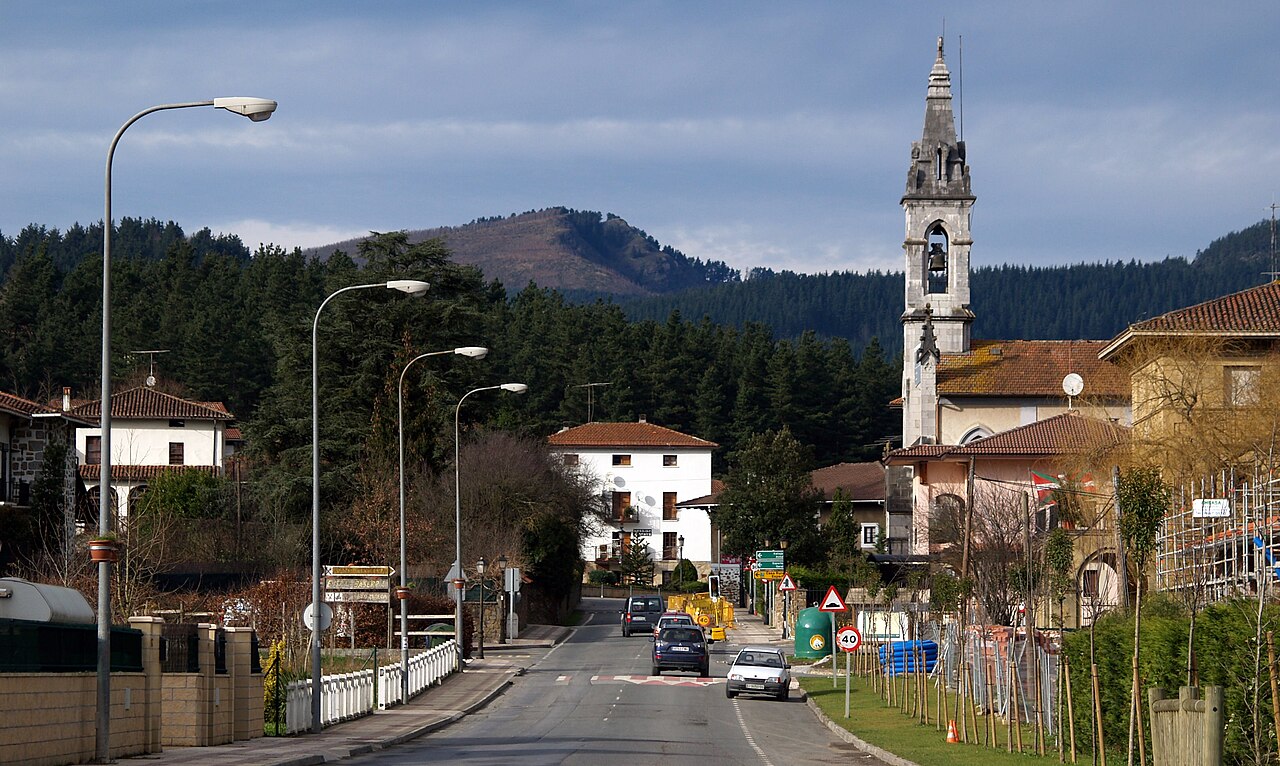
Around the corner, the church of San Juan Bautista fits in like a neighbour who minds their own business. The inside is simple, no frills. It feels used, which is exactly right.
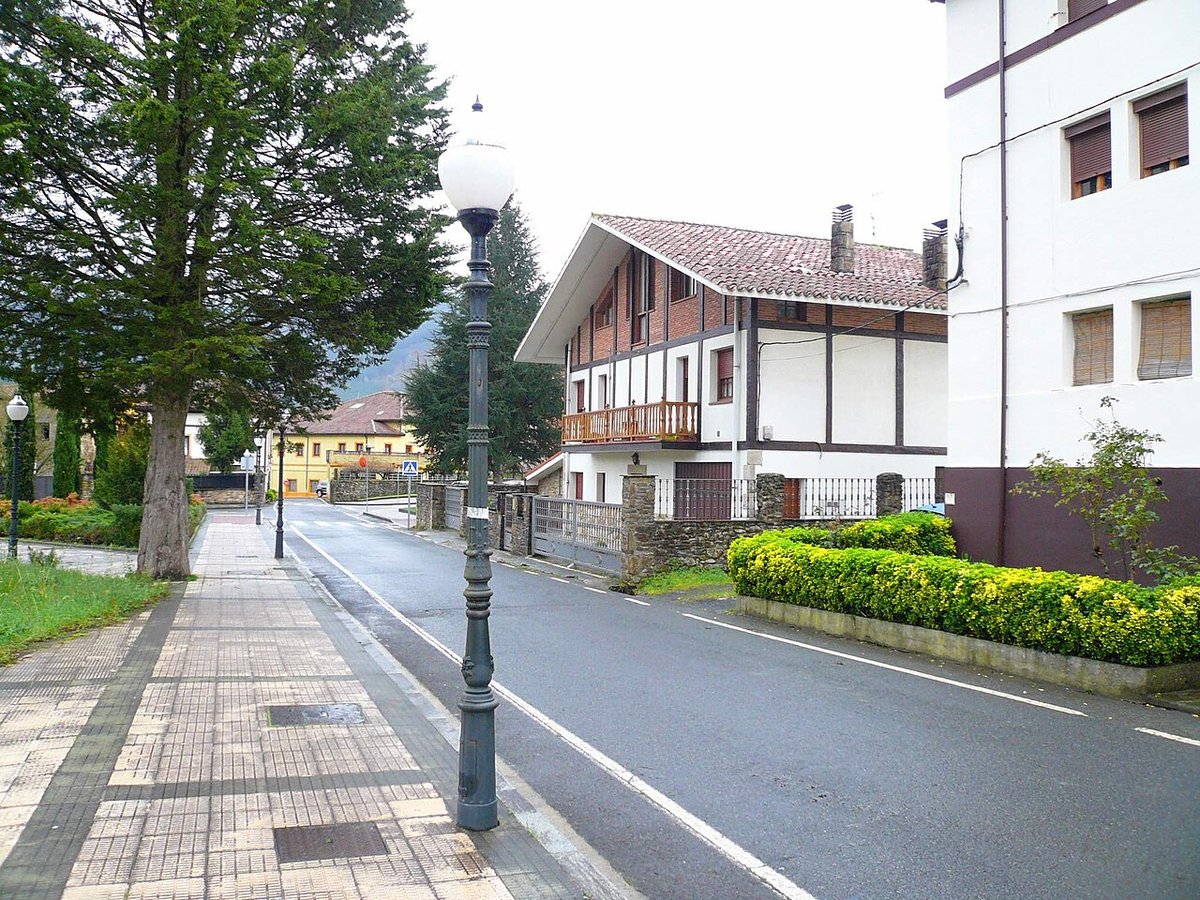
From there, just wander. The old quarter has that Basque town layout where streets seem to decide their own direction. Look up for the wooden balconies, look down at the worn stone steps. Some doorways have that thick, medieval cut. There are towers mixed in with more modern houses—this isn't a museum piece, it's a place where people have kept living and building.
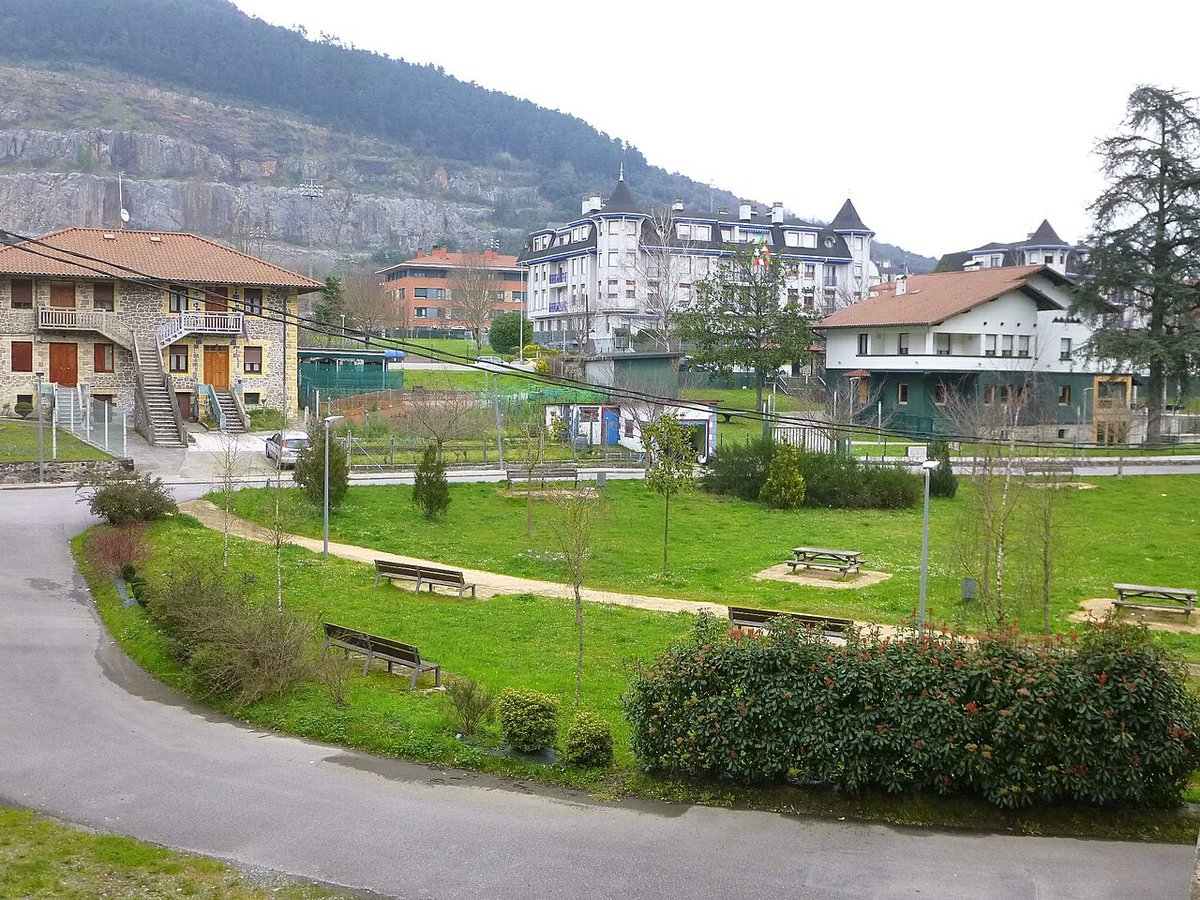
Five minutes later, you hit the Arratia river. It's not dramatic scenery; it's a river doing its job. But the sound of water is a good reset button after the quiet streets.
When your feet want to go further
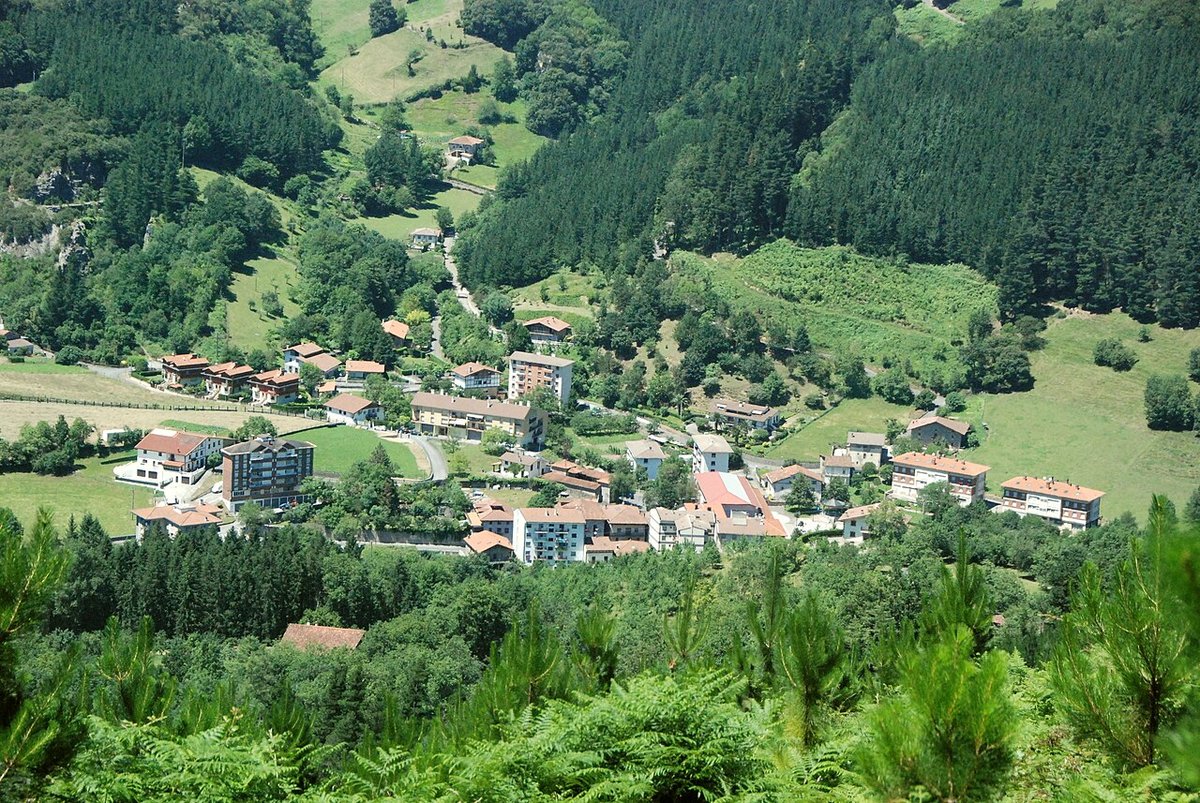
A lot of people use Areatza as a pit stop on the way to Gorbeia mountain. That's fine, but they're missing the point. The paths that start right from town are where it gets good.
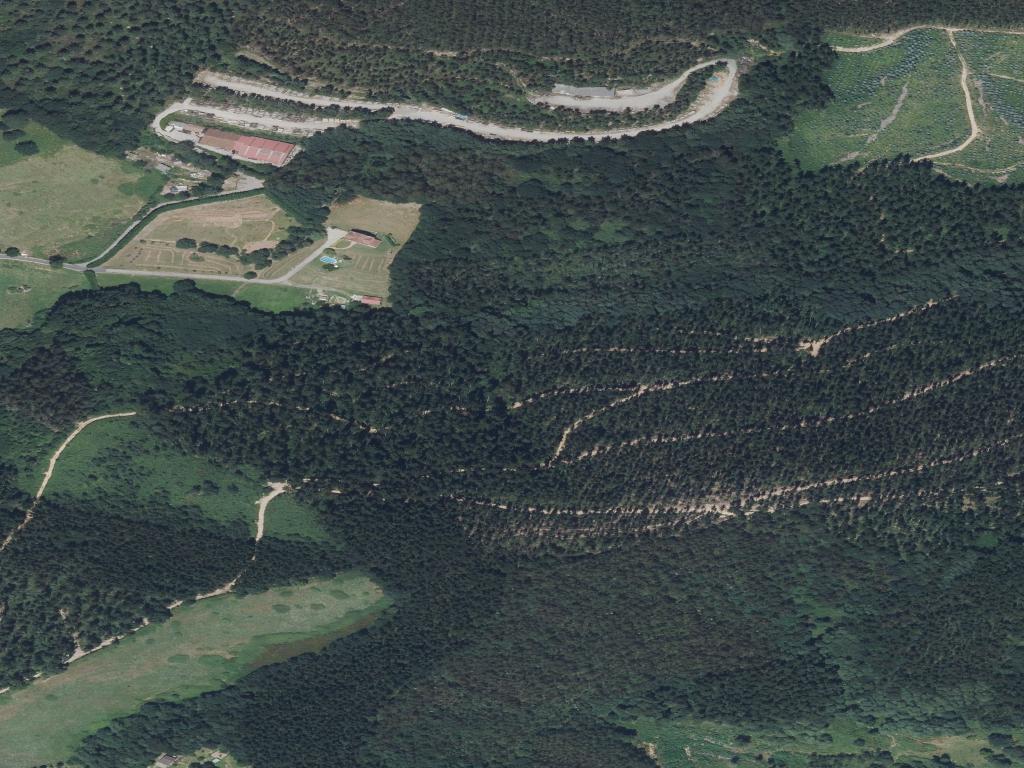
You can walk into woods and past caseríos, those classic Basque farmhouses where you might hear livestock or see smoke from the chimney. You're more likely to pass someone walking their dog than a hiker with poles. This is just how people get around here.
The Arratia greenway is another story—a flat, wide track following an old railway line. Locals cycle it for errands or an evening stroll. It feels communal, not touristy.
All this makes you hungry. The food follows suit: straightforward, hearty Basque staples with produce from nearby farms. In winter, you want a stew that sticks to your ribs. In summer, maybe just some grilled meat and tomatoes with good bread. It’s satisfying in a way that doesn't need fancy descriptions.
Let's be honest about scale
If you arrive expecting a grand historic complex, you'll be disappointed in twenty minutes. The core of Areatza is small. You can see its streets quickly.
The town’s real trick is how it hands you off to the landscape without you noticing. The moment you cross the river or take any side street heading up, the valley takes over. The trails and small roads become the main event.
And yes, Gorbeia Natural Park looms close. It's serious mountain terrain though. The weather here has moods—sun can become thick fog faster than you can zip up your jacket. Paths get muddy. This isn't a warning sign; it's just how it works up there. Come prepared for hillside weather, not park promenade weather.
How to spend three hours (or three days)
Don't overthink it. Park near the main square (or better yet, on an edge street), walk past Palacio Urrutia, peek into the church, and let your feet choose the alleys. End by the river. That's your core visit.
After that, the choice is simple: stroll down the greenway for as long as you like, or get in the car and drive five minutes up any valley road. The views open up fast.
This isn't about collecting sights. It works when you let it be background— a quiet morning walk, a decent lunch, a drive into hills that feel untouched because most people are speeding past them towards something "bigger."
What usually goes wrong
First, the weather. This is inland Bizkaia. Assume it will rain at some point, even if the sky looks clear when you leave your car. A packable jacket in your bag saves the day.
Second, driving into the tightest part of the old centre is an optimistic move. The streets were made for carts, not SUVs. Parking on the outskirts saves stress.
Finally, if you head for Gorbeia's slopes, respect basic mountain sense. Good shoes, a layer for wind or cold, and checking if that inviting path has turned into a stream after yesterday's rain. It's not extreme; it's just normal countryside logic they don't always mention in the brochures