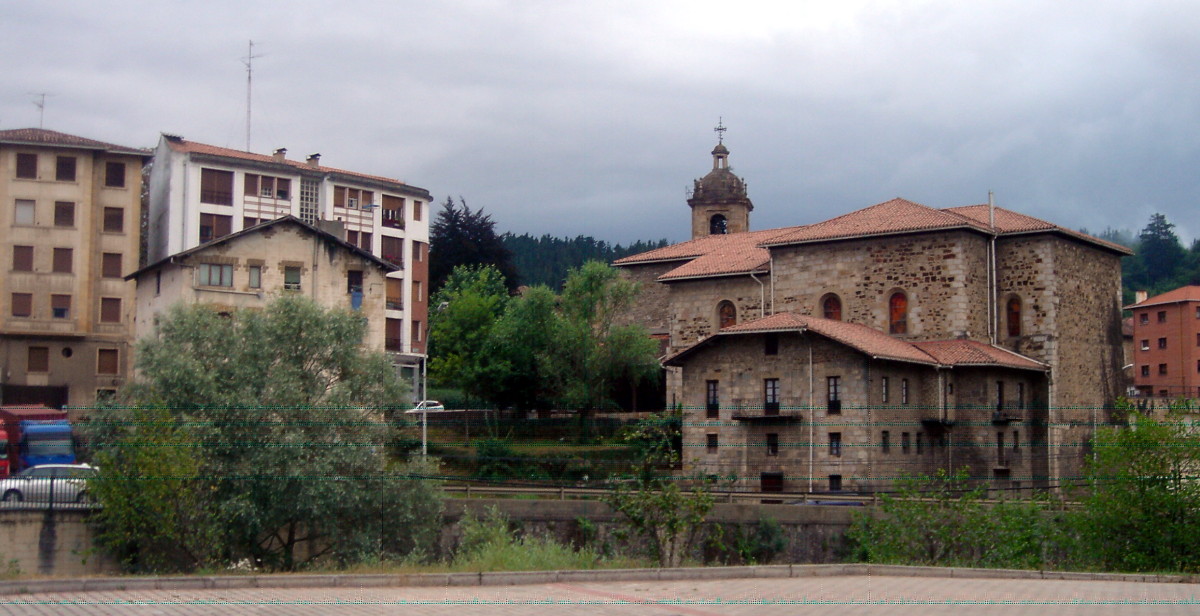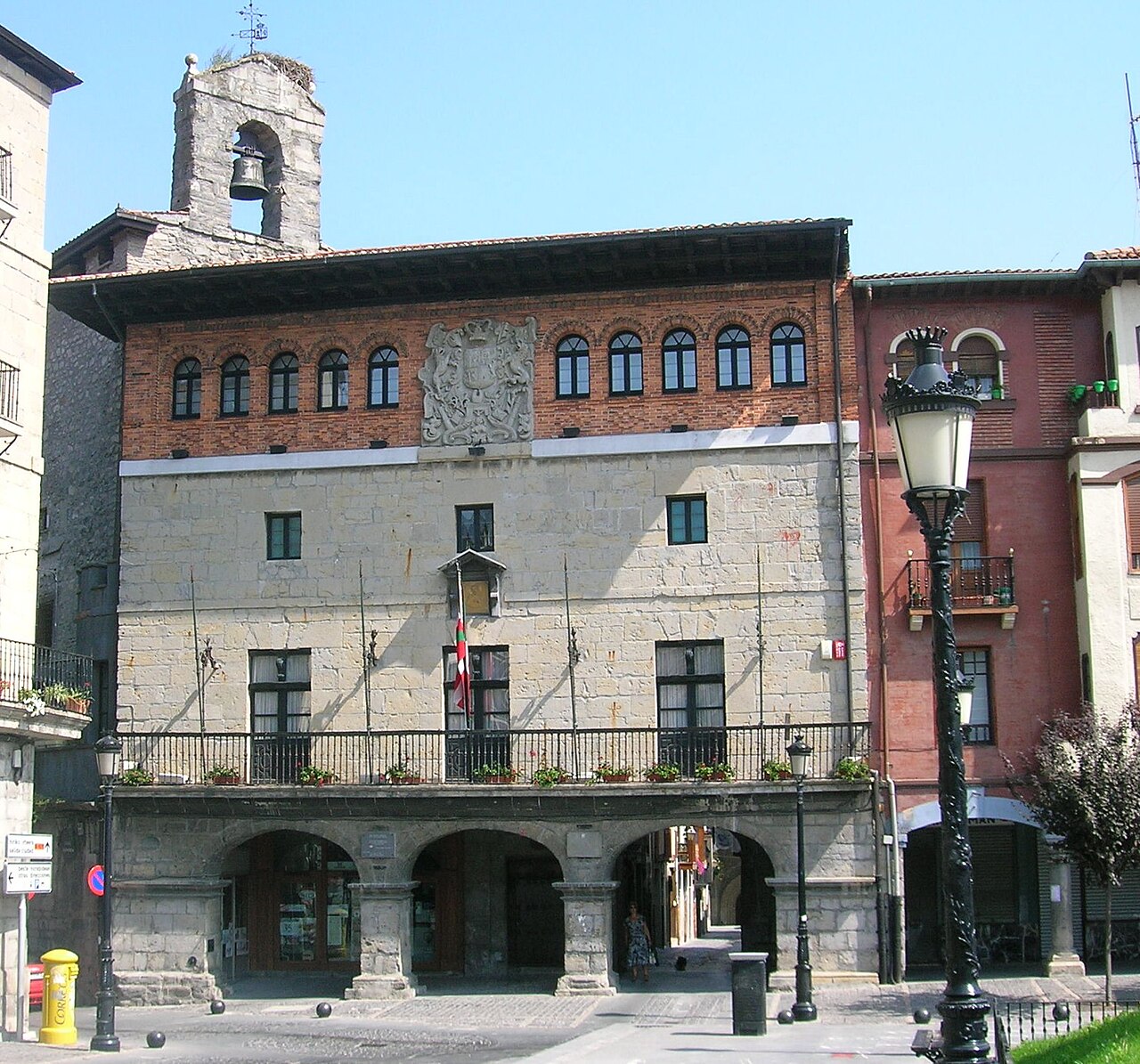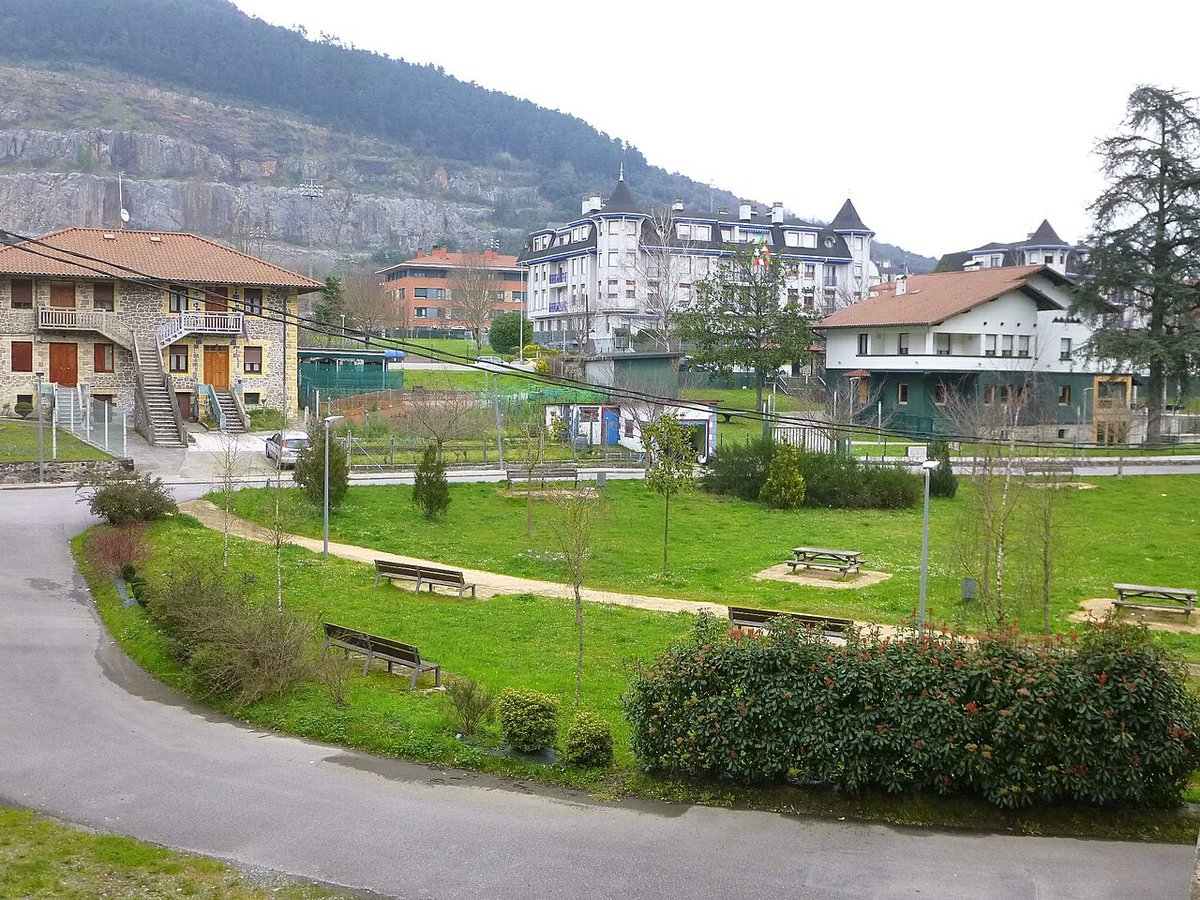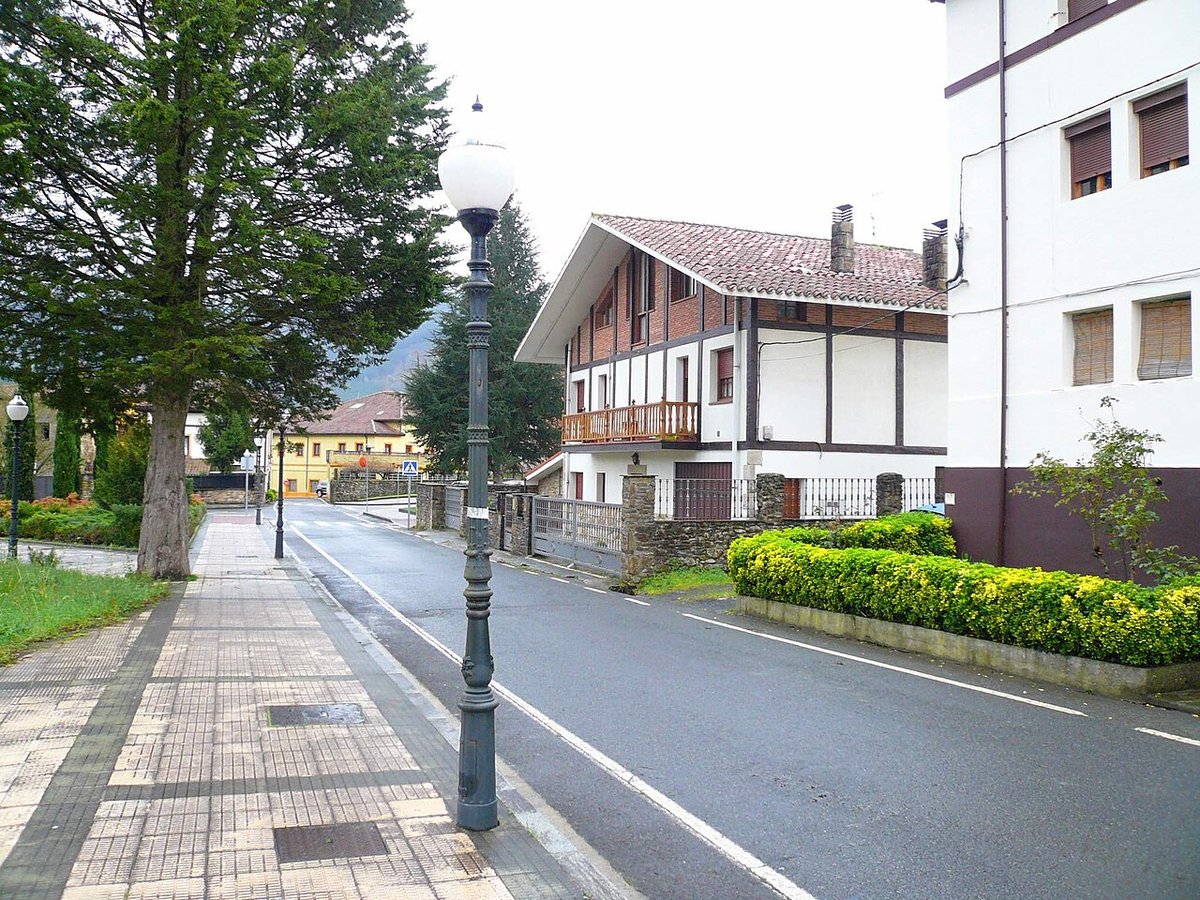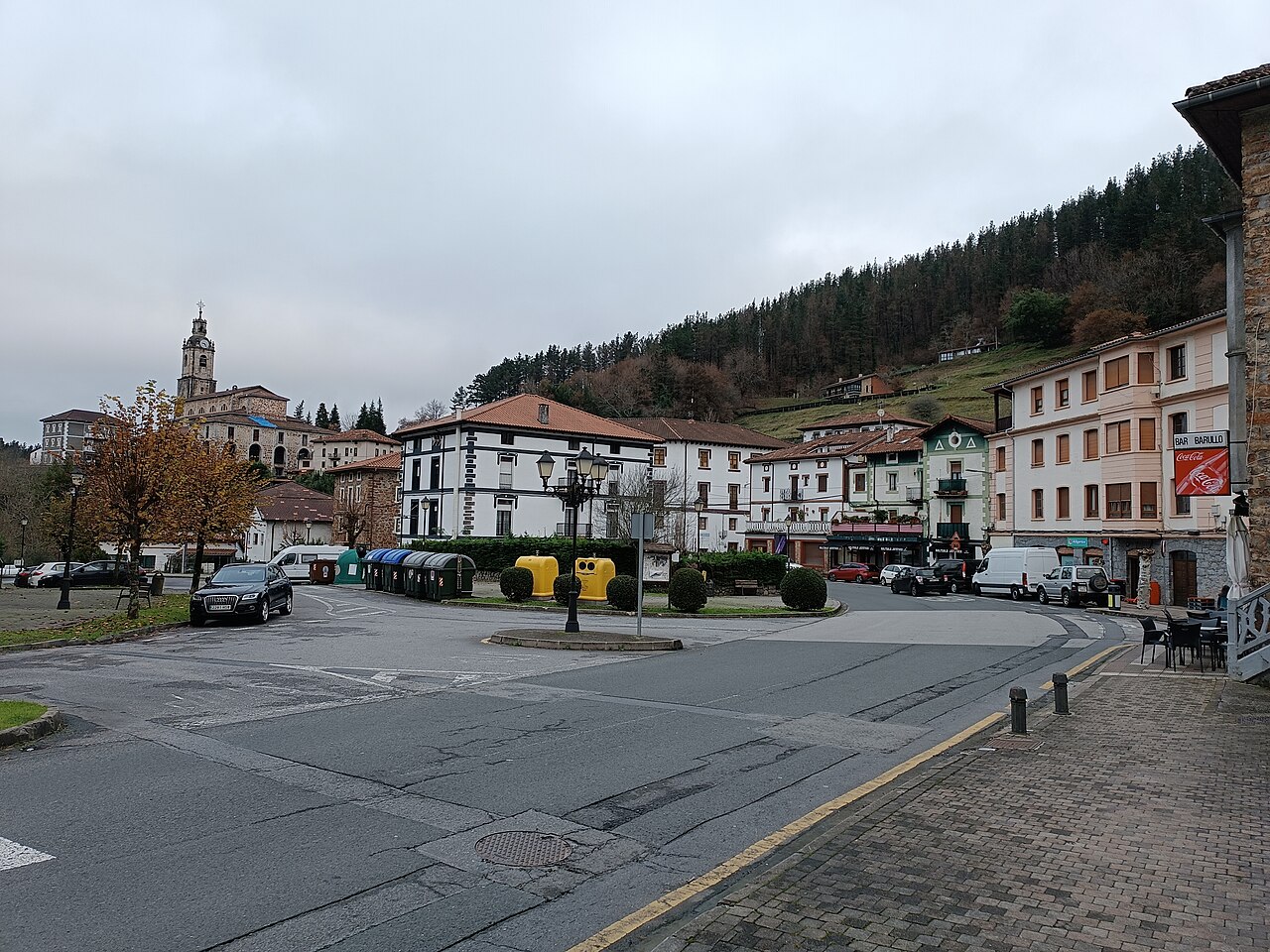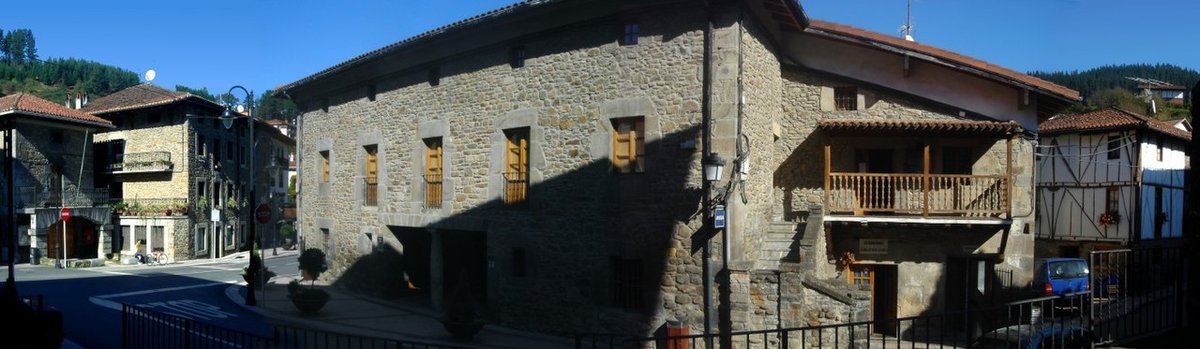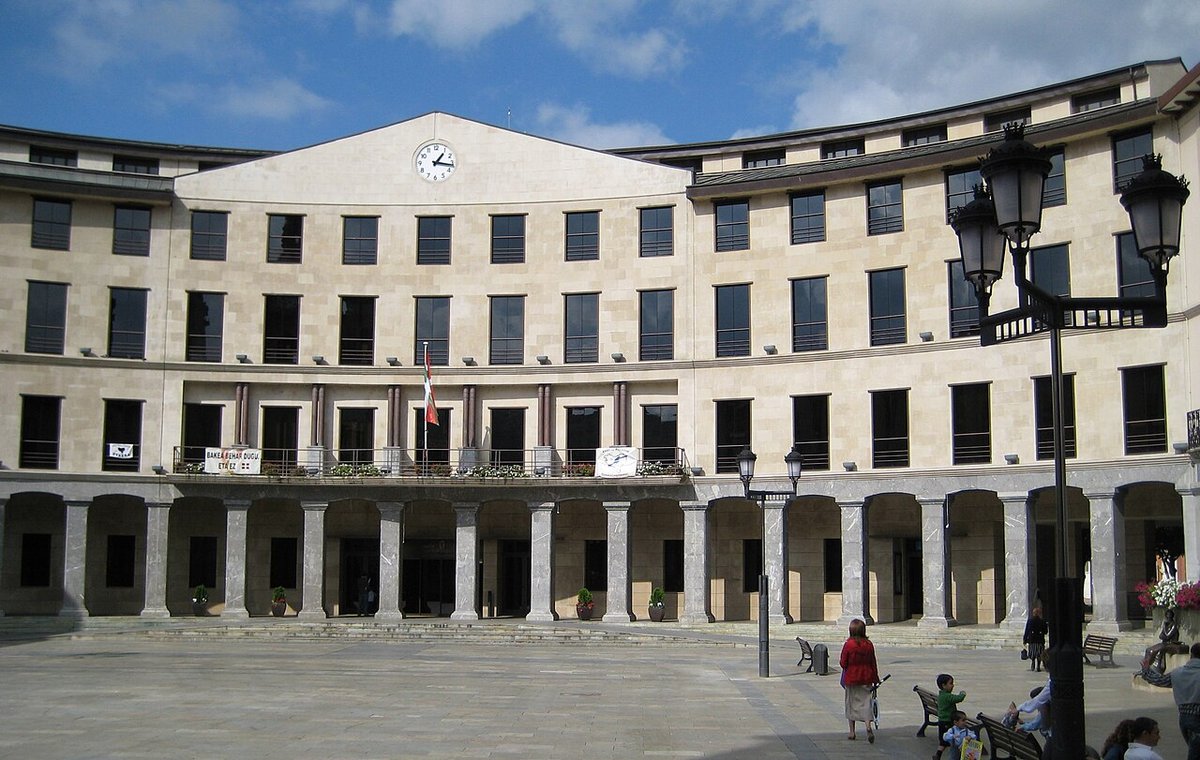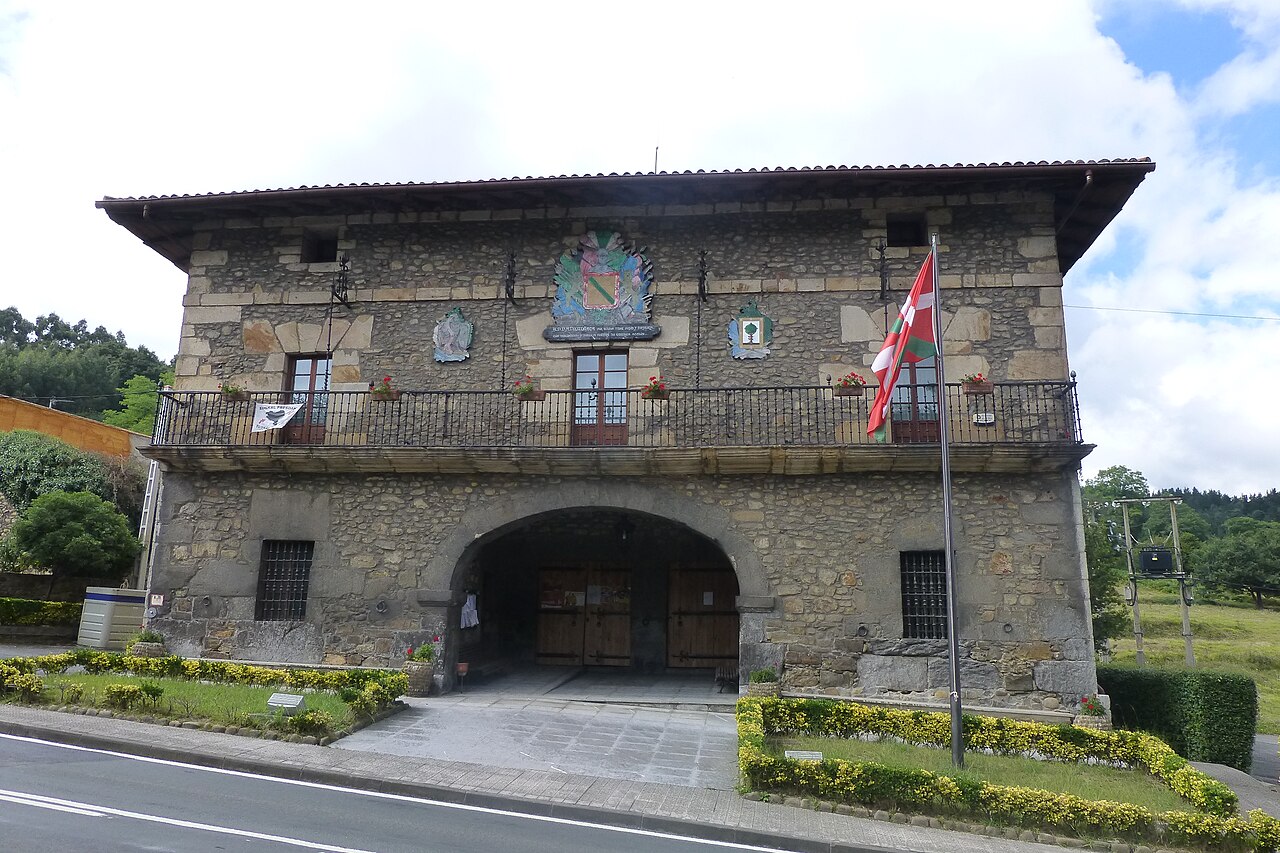
Arrankudiaga, casa consistorial
País Vasco · Atlantic Strength

Arrankudiaga (Arrancudiaga)

The church bell in Arrankudiaga strikes twice and a tractor answers back. Nobody on the plaza looks up; the driver is simply letting his neighbour ...

1,018 inhabitants
93m Altitude

Why Visit

Historic center Walks

Best Time to Visit

summer

Things to See & Do
in Arrankudiaga (Arrancudiaga)

Heritage

  • Historic center
  • parish church
  • main square

Activities

  • Walks
  • Markets
  • Food
  • Short routes

Full Article
about Arrankudiaga (Arrancudiaga)

Valleys and hamlets a stone’s throw from Bilbao, buzzing with local life.

Ocultar artículo Leer artículo completo

The church bell in Arrankudiaga strikes twice and a tractor answers back. Nobody on the plaza looks up; the driver is simply letting his neighbour know the hay is in. Five kilometres away as the crow flies, Bilbao’s A-8 motorway hums with morning traffic, yet here the loudest sound is the scrape of a metal shutter as the only bar opens for coffee at half past nine.

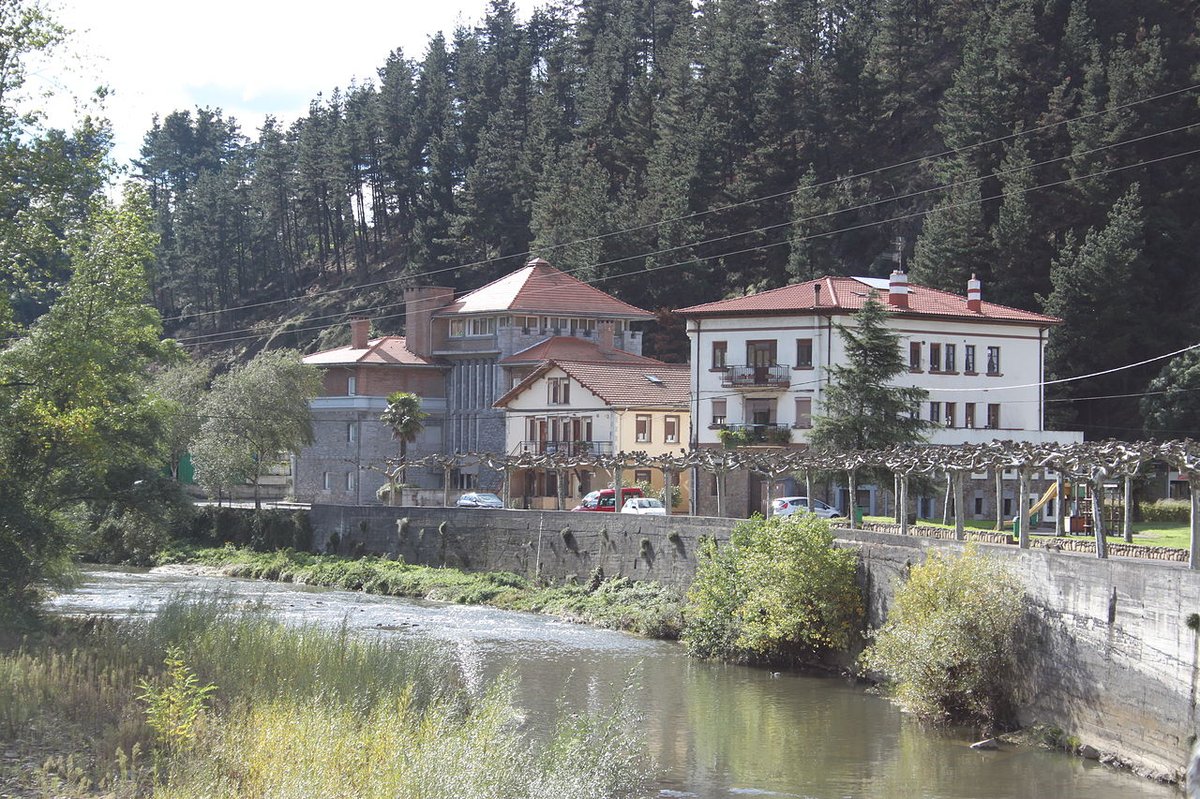
This is not a village that tourism forgot; it never expected to be remembered. Arrankudiaga sits in the thin green wedge between the Nervión estuary and the limestone wall of the Ganekogorta ridge, a place whose name even locals abbreviate to “Arranku” to save breath. The valley was once a patchwork of foundries and charcoal pits—look closely and you’ll still see slag the colour of bruised plums along the riverbank—but the forges cooled long ago. What remains is a scatter of stone farmhouses, hedgerows of hydrangeas and a working rhythm that turns with the seasons rather than the cruise-ship calendar.

A Map of Neighbourhoods, Not Monuments

There is no centre in the English sense. The ayuntamiento, chemist and parish church of San Juan Bautista share a single L-shaped block, and everything else—bakery, cash machine, newspaper rack—is within 120 metres. Beyond that, the municipality unspools into half a dozen rural boroughs: Aperregi, Goikoerrota, Lekubeltz. Each is a knot of houses around a threshing floor, separated by pasture and steep lanes that double back on themselves like poorly folded ordnance-survey maps.

Walking is the obvious way to join the dots, but the terrain is sneakily demanding. What looks a gentle stroll on the screen of a phone reveals itself as a 120-metre climb when you turn off the tarmac. The reward is silence and wide views south to the oak-capped ridge that keeps the Atlantic storms from the valley. Spring brings lapwings and the smell of cut grass; autumn turns the hedges scarlet with hawthorn berries and the sky into a conveyor belt of cumulus. There are no viewpoints with interpretive panels, just convenient stones to sit on while you get your breath back.

If you prefer two wheels, expect a roller-coaster. The BI-3511 cuts across the valley floor, but every side lane arrows upward at ten per cent or more. Club cyclists from Bilbao use the gradients as an after-work lung-burner; leisure riders may prefer to push. Drivers should note that the road to Lekubeltz is single-track with passing bays—meeting a milk tanker at the third hairpin concentrates the mind wonderfully.

Lunch, If You Remember to Book

Food options are scarce and proudly un-touristy. Restaurante Bakiola, halfway between the church and the frontón, is a farmhouse converted into a dining room that seats thirty. The menu hinges on grilled beef from the owner’s own herd and whatever the market garden behind the car park produces that morning. A three-course lunch of soup, entrecôte and rice pudding costs around €22; wine is decanted from an unlabelled bottle that started life in Rioja Alavesa. TripAdvisor lists three reviews, all four-star, which tells you everything about both the quality and the footfall. Turn up without a reservation on a Sunday and you’ll be eating crisps in the plaza.

There is no other public eatery. The village shop opens at 07:30 for newspapers and tinned tuna, closes at 14:00 and all day Monday. Picnickers should stock up in Bilbao’s Mercado de la Ribera before heading inland.

When the Valley Parties

San Juan Bautista, 24 June, is the one date the municipality underlines. Mass is followed by a txupinazo (hand-held rocket) outside the church, then a brass band marches the length of the high street—distance: 300 metres—before everyone settles into a marquee for txakoli and cod croquettes. Visitors are welcome but not announced; if you can pronounce the village name correctly you’re assumed to be a cousin from Galdakao and handed a glass.

August brings evening verbenas in the sports-field car park, with bouncy castles and bingo at €1 a card. January’s San Antón still sees a handful of farmers bring ponies and sheepdogs to be blessed with holy water flicked from a green plastic sprinkler. The animals shake themselves, the priest retreats to the sacristy, and the year turns quietly onward.

The Honest Itinerary

Arrive mid-morning on a weekday. Park behind the frontón where the tarmac is widest; the verge everywhere else belongs to someone’s potatoes. Walk five minutes up the lane sign-posted “Aperregi” until the houses thin out and the valley opens north towards the steelworks of Basauri—close enough to see the cranes, far enough to ignore them. Loop back via the track that skirts the allotments; the total circuit is barely three kilometres but includes 150 metres of ascent, enough to justify a second cortado.

If you have a car and another hour, drive the narrow road to Lekubeltz and continue to the pass at Alto de Ganguren. From the crest the whole of Bilbao’s metropolitan area lies spread like a circuit board, yet behind you the only buildings are stone barns and a hut selling cheese on Sundays. Turn round before the lane drops toward Zeanuri or you’ll spend the afternoon navigating back.

Rain is part of the package: the valley funnels Atlantic weather straight off the Bay of Biscay. Between November and April mist can sit on the slopes for days, reducing visibility to the length of a cow. Pack a waterproof even when the sky over Bilbao is blue; the micro-climate here is perversely local.

Getting Out Again

Bizkaibus line A-3225 leaves Bilbao’s Termibus at 08:15 and 18:00, reaching Arrankudiaga twenty-five minutes later. The return times are 08:35 and 18:20—yes, that is a nine-hour gap, so public transport works only for an overnight stay or a very long walk. A taxi from Bilbao costs €28–35 depending on the time of day; Uber covers the area but drivers can be thin on the ground at siesta hour.

Motorways make the village an easy 20-minute drive from the airport. Hire cars should be booked in advance during Easter and the July festival week; otherwise the Hertz desk has plenty of tiny Fiats waiting to tackle the hills.

Worth It?

Arrankudiaga will never feature on a glossy “Top Ten Basque Villages” list because it offers nothing to photograph from a drone. What it does give is a slice of rural life that hasn’t been repackaged for weekenders: the smell of silage, the sound of children practising txalaparta in the music school, a bar where the television alternates between football and the price of milk. Come for a breath of air between Bilbao galleries, or as a gentle introduction to Basque country walking before you tackle the limestone heights beyond. Stay longer than a couple of hours only if you’re content to let the day unfold at the pace of a grazing mare. The village won’t entertain you, but it will let you alone—and that, sometimes, is exactly the excursion you didn’t know you needed.

Key Facts

Region
País Vasco
District
Arratia-Nervión
INE Code
48009
Coast
No
Mountain
No
Season
summer

Livability & Services

Key data for living or remote work

2024
ConnectivityFiber + 5G
TransportTrain nearby
HealthcareHospital 10 km away
EducationHigh school & elementary
Housing~6€/m² rent · Affordable
CoastBeach nearby
Sources: INE, CNMC, Ministry of Health, AEMET

Planning Your Visit?

Discover more villages in the Arratia-Nervión.

View full region →

More villages in Arratia-Nervión

Traveler Reviews