Artea (Bizkaia)
País Vasco · Atlantic Strength

Artea (Castillo y Elejabeitia)

The church bell strikes eleven and nobody hurries. A farmer leans against his tractor, chatting to the woman delivering bread from a white van. Beh...

743 inhabitants · INE 2025
125m Altitude

Why Visit

Historic quarter Walks

Best Time to Visit

summer

Things to See & Do
in Artea (Castillo y Elejabeitia)

Heritage

  • Historic quarter
  • parish church
  • main square

Activities

  • Walks
  • Markets
  • Local food
  • Short trails

Full Article
about Artea (Castillo y Elejabeitia)

Valleys and hamlets a stone’s throw from Bilbao, buzzing with local life.

Ocultar artículo Leer artículo completo

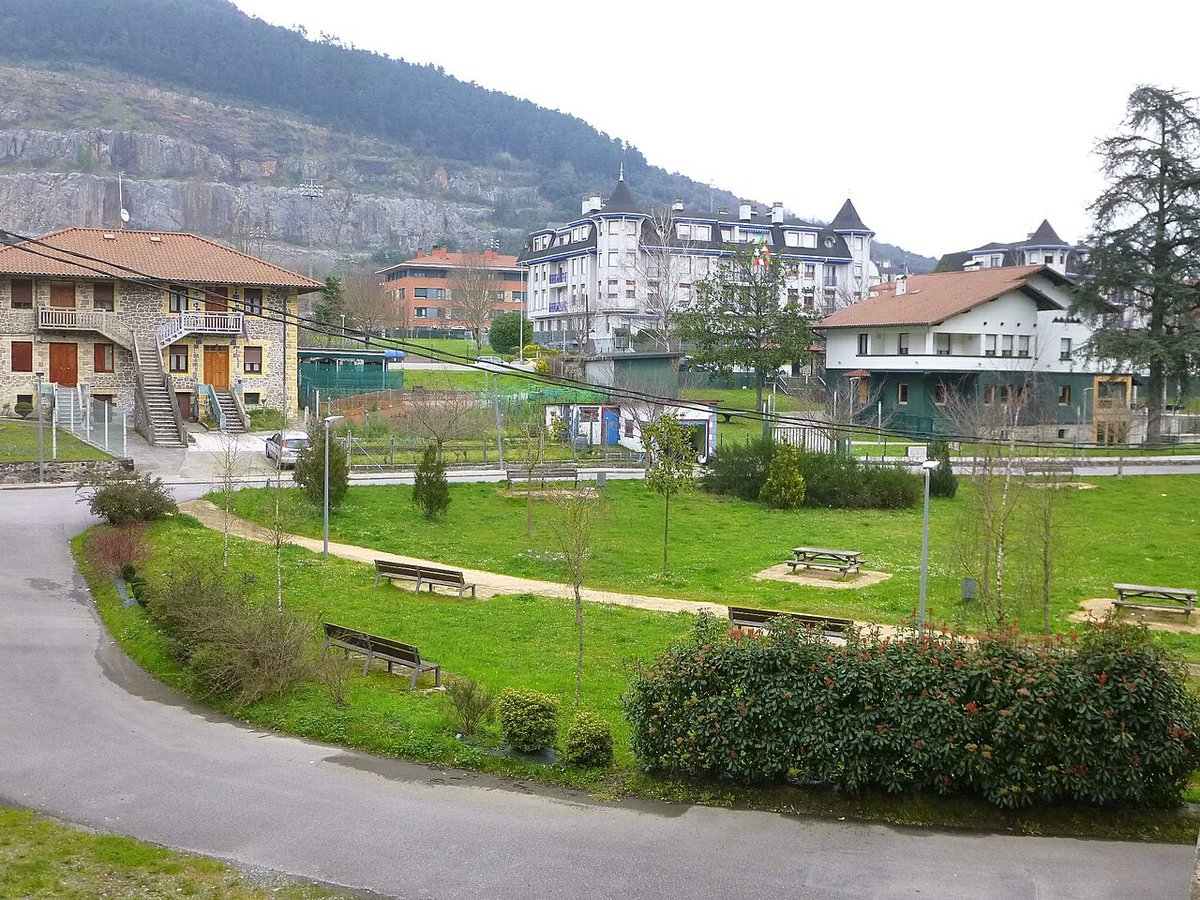
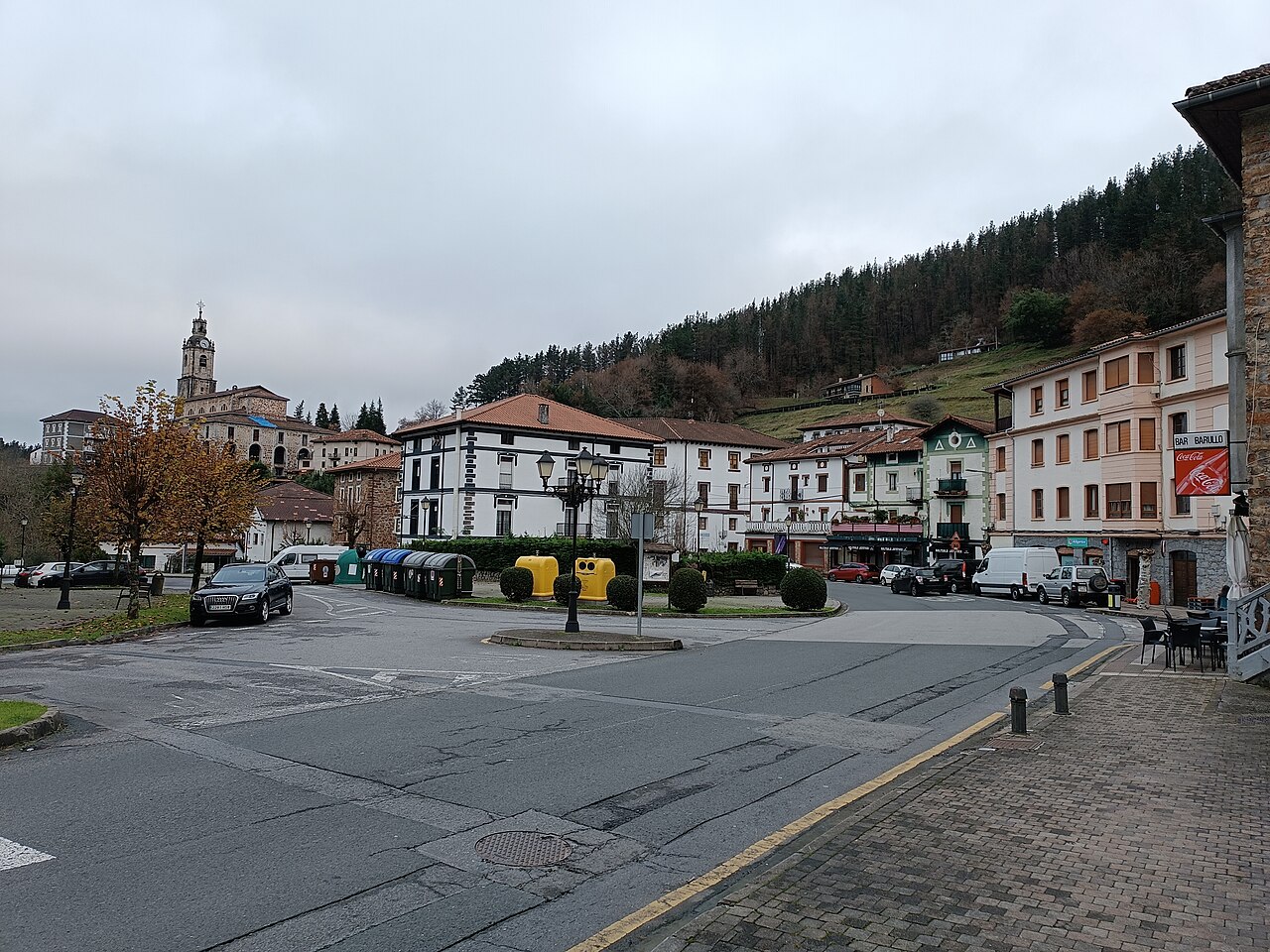
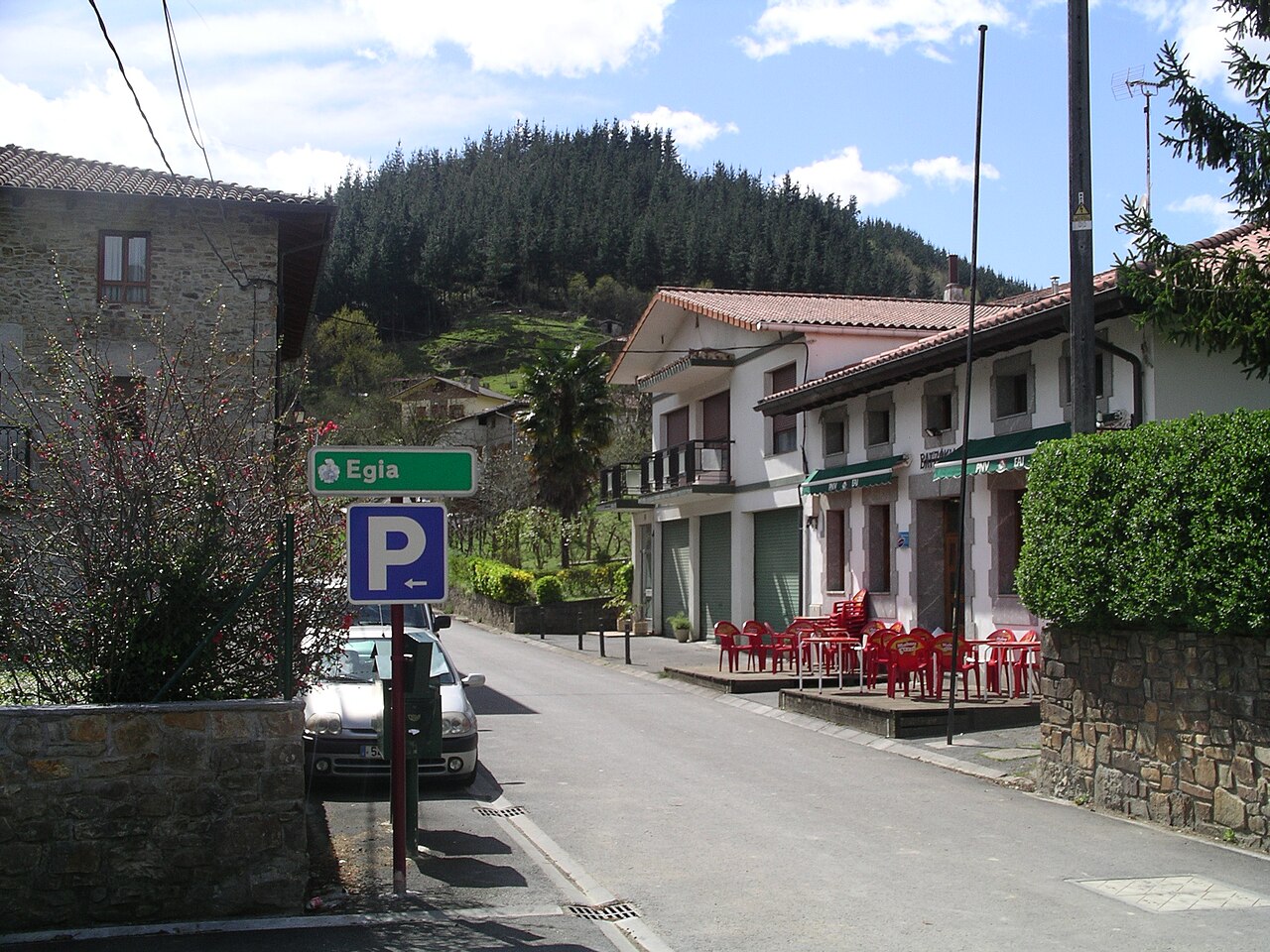
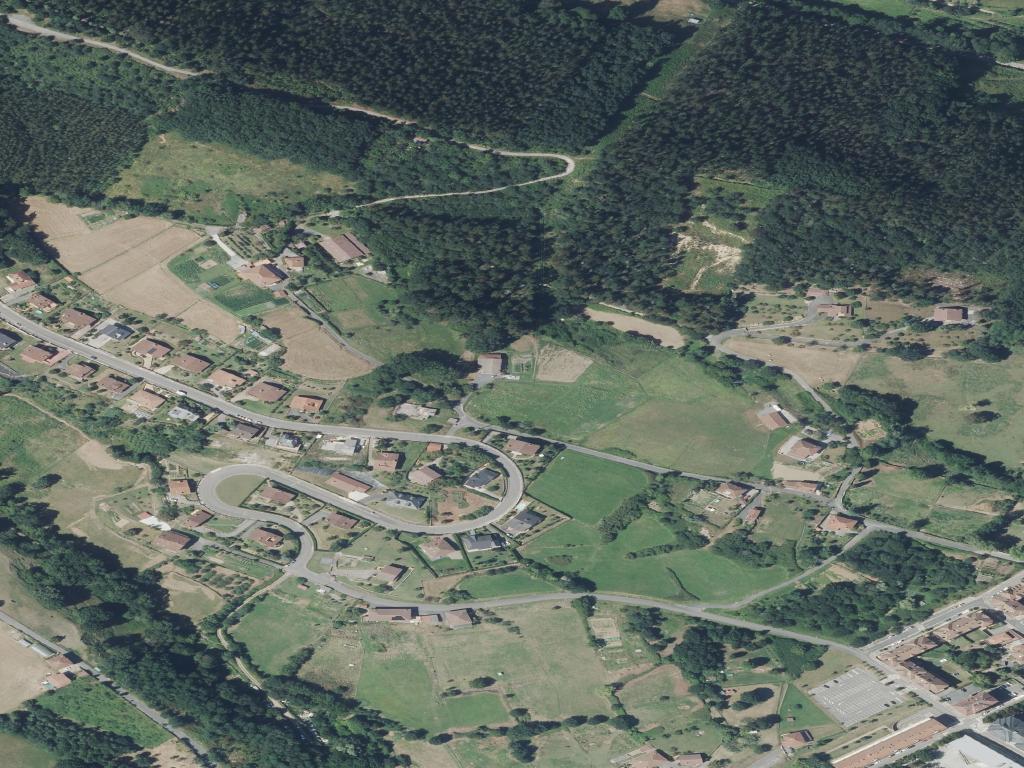
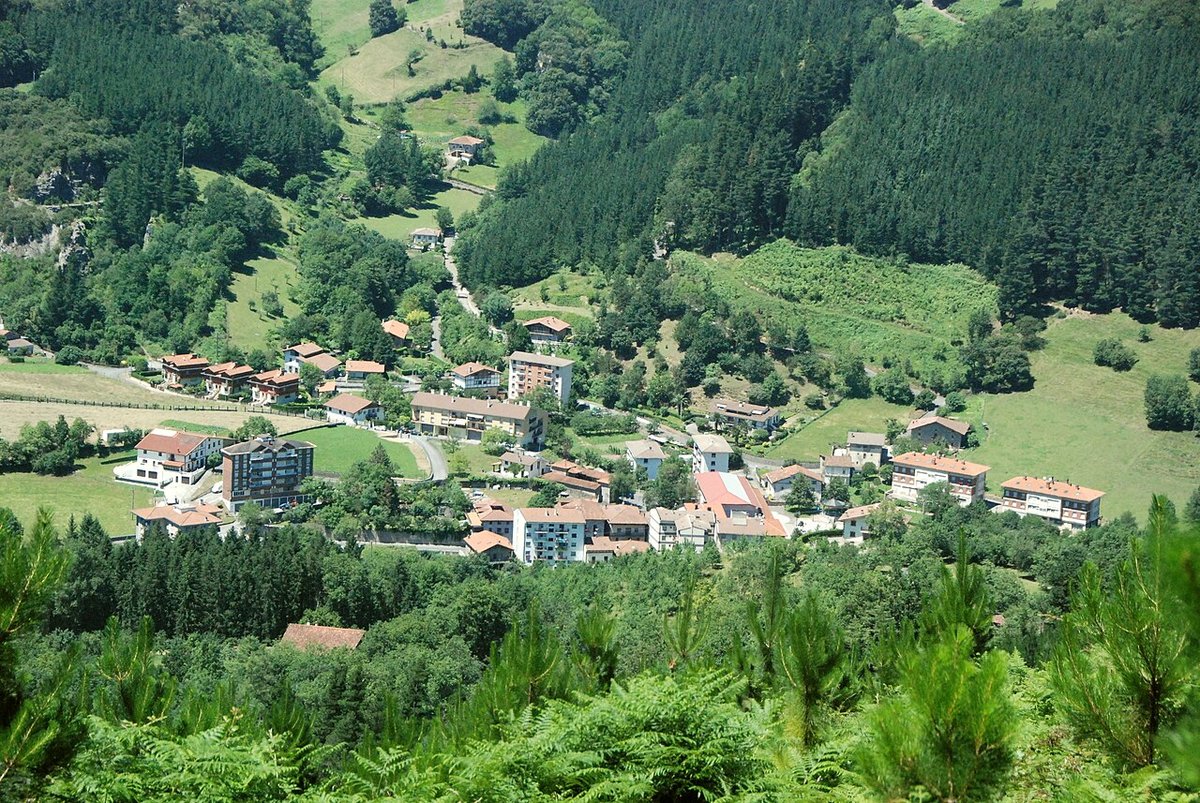
The church bell strikes eleven and nobody hurries. A farmer leans against his tractor, chatting to the woman delivering bread from a white van. Behind them, the valley of Arratia unrolls like a crumpled green blanket, scattered with stone farmhouses, each one separate, each one working. This is Artea: not a postcard village but a living patchwork of Castillo and Elejabeitia, two rural barrios that happen to share a town hall and a determination to stay useful.

Valley first, village second

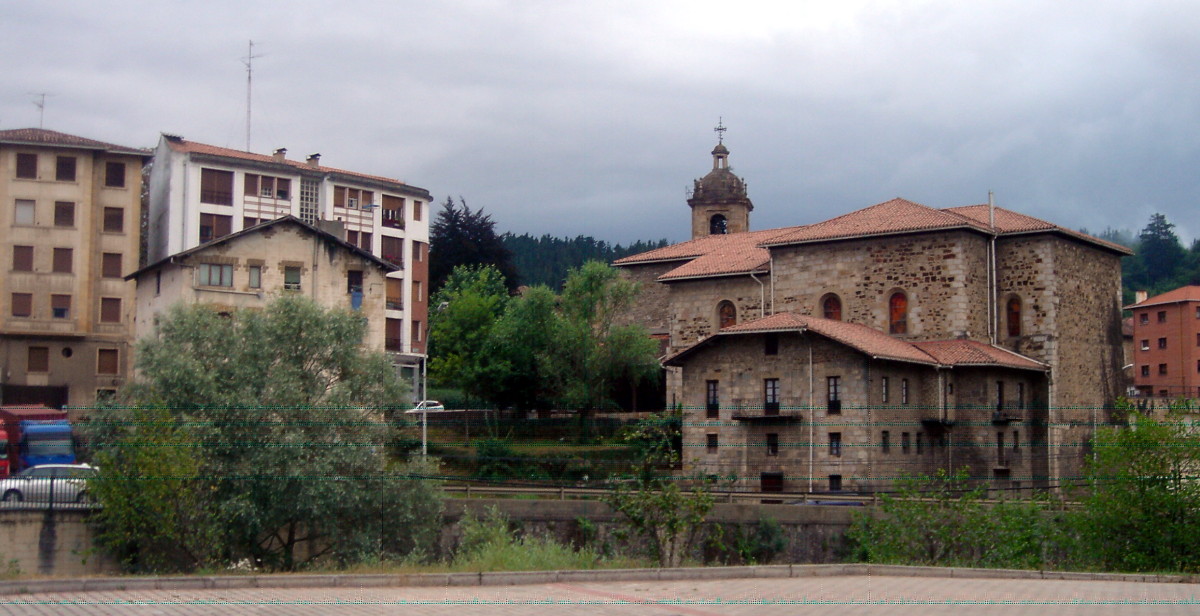
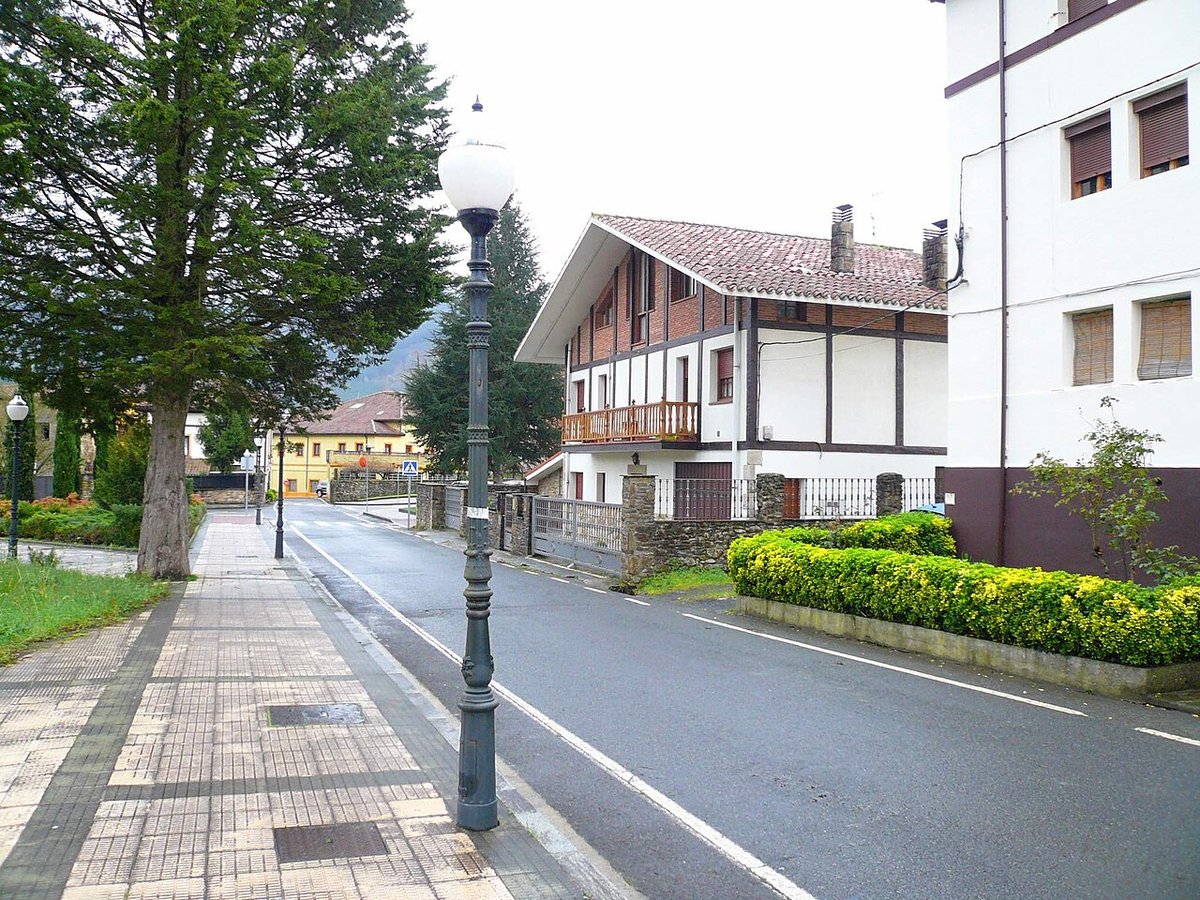
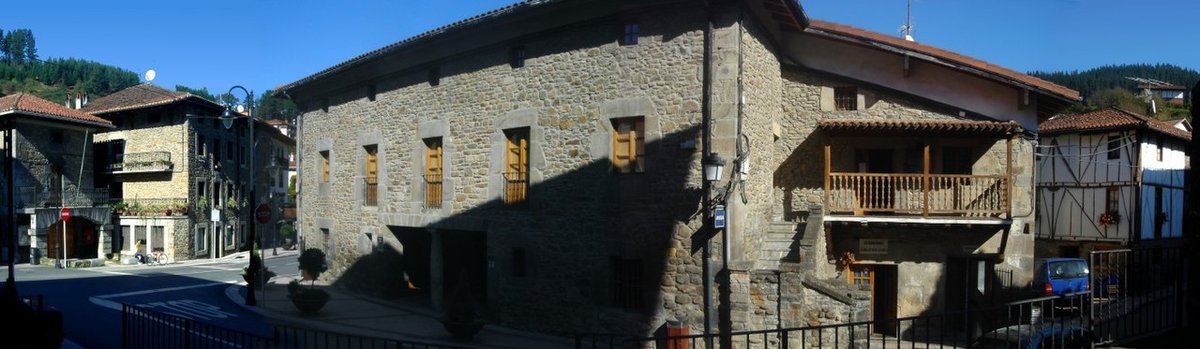
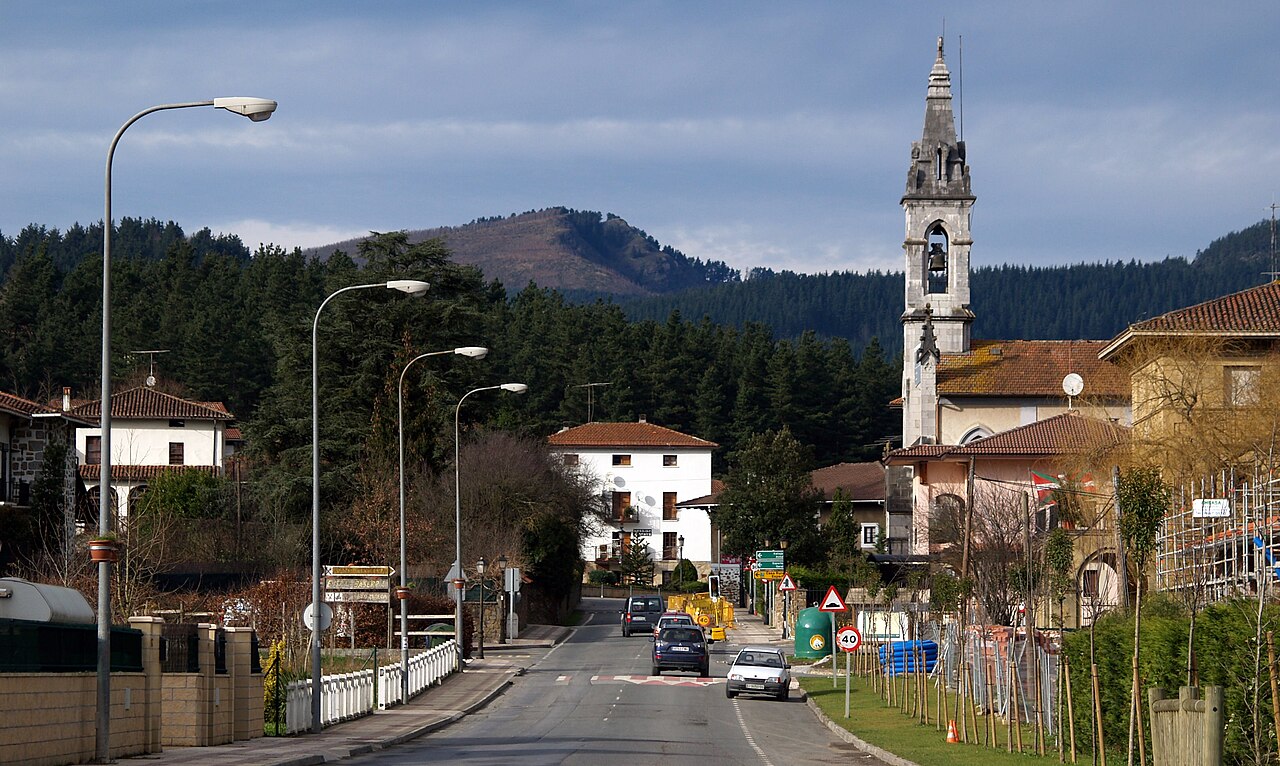
Forget the idea of a neat plaza and rows of balconied houses. Artea has no centre in the British sense. The parish church of San Andrés stands beside a small playground and a frontón court; that cluster is as urban as it gets. Everything else spreads up the slopes and along the lanes that follow the Nervión’s tributary streams. Dry-stone walls keep cattle out of vegetable plots, hay bales sit under plastic sheeting, and every second gateway reveals a barn that smells of feed and diesel. The beauty lies in the continuity: people still cut their own firewood, still hang maize to dry from the eaves, still greet strangers with a “kaixo” that sounds like keys turning in a lock.

Visitors expecting a medieval core sometimes panic when the road keeps climbing and no souvenir shop appears. Relax. The monument is the whole valley. Start at the church, note the Pyrenean-style roof slabs, then pick a lane—any lane. Within five minutes you are between meadows where red-brown cows graze within touching distance. Another ten minutes and the tarmac turns to gravel; a cockerel somewhere announces your progress. Walk for an hour and you will have seen what Artea is selling: space, grass, the smell of cut hay, and the odd buzzard overhead.

Legwork and gearing

The terrain is gentle by Basque standards but sneaky. Short ramps rise 80 m without warning; what looks like a stroll can turn into a cardiac test. Proper footwear matters—after rain the farm tracks become chocolate pudding. Locals treat the slopes as a gym: grandparents power past with sticks, while weekend cyclists wheeze up the BI-3513 from Bilbao. If you bring a bike, think touring rather than racing; share the road with tractors and resist the temptation to bomb downhill past driveways. A circular ride south towards Zeanuri gives 20 km of valley views and two cafés that know how to charge a battery.

Hiking options are equally modest and rewarding. The PR-BI 75 long-distance path skirts the western edge, but most people simply string together sections of the old mule tracks that linked farmsteads long before asphalt. One pleasant loop heads north from Elejabeitia, climbs past apple trees, then drops back along the river. Allow ninety minutes, plus time to lean on a wall and wonder why Britain can’t grow grass that colour.

Food appears when it’s needed

There is no restaurant row. Instead, two small bars serve set-price lunches (around €12) of soup, grilled chops and custard, poured for anyone who arrives before two o’clock. Dinner means driving to nearby Lemona or ordering pintxos in Basauri, fifteen minutes away. The compensation is produce honesty: buy eggs at the farm gate, leave coins in an old tobacco tin; queue at the mobile fish van that toots its horn every Thursday; taste cider pressed in the village and sold in plastic two-litre bottles that bulge ominously on the journey home. If you self-cater, bring strong shopping bags—Basque courgettes are the size of cricket bats.

When to turn up, when to stay away

Spring is the valley’s party piece. Between late March and early June the meadows glow an almost fluorescent green, relieved by buttercups and the white dots of newly arrived lambs. Mornings can be fresh—pack a fleece—but by eleven the sun is warm enough for shirt sleeves. Autumn repeats the trick with rust-coloured beech hedges and the smell of crushed chestnuts underfoot.

High summer is trickier. The valley walls trap heat; temperatures scrape 35 °C and the only breeze comes from passing lorries. Plan walks before ten or after six, and carry more water than you think sensible. Winter brings mist that pools so thickly you can’t see the opposite slope; it’s atmospheric but the tracks turn slick as ice. Snow is rare, yet a sharp frost can make the road from Bilbao treacherous. Check the forecast—if the passes towards Vitoria close, Artea becomes a cul-de-sac.

Practical stuff without the brochure

Getting here: From Bilbao, take the BI-3513 south through Basauri and follow signs for Arratia. The drive is 25 km on paper, 35 minutes in practice once you’re stuck behind a delivery lorry. Buses leave Bilbao’s Intermodal station at 08:15 and 18:00 weekdays only; the rest of the timetable is designed for locals heading to city jobs, not tourists heading to cows. A hire car remains the least stressful option.

Sleeping: There is no hotel. Rural houses sleep four to eight and book early for Easter and the first weekend of August, when the village fiesta blocks the lanes with pop-up bars and single-track chaos. Expect to pay €100–€140 a night for a three-bedroom house with beams, Wi-Fi that flickers whenever a storm crosses the valley, and a welcome bottle of homemade pacharán that tastes like liquid Christmas pudding.

Leaving no trace: Farmers tolerate walkers, not entitled ramblers. Close every gate, keep dogs on leads (sheep worrying earns instant fines), and don’t picnic on sprouting crops. If you need the loo, ask at a bar; the fields are not open-air facilities.

The honest verdict

Artea will not keep you busy for three days unless you arrive with a pile of books and a fondness for cowbells. What it offers instead is a calibration reset: an afternoon in which the loudest sound is a blackbird and the biggest decision is whether to turn left towards an apple orchard or right towards the river. Come for that, or combine it with the nearby salt-mines of Salinas de Añana, the Renaissance streets of Balmaseda, or a Bilbao rugby match if you miss the noise. Treat Artea as breathing space rather than destination and the valley will repay you with the kind of green Britain only manages in April—except here it lasts from March to November, no filter required.

Key Facts

Region
País Vasco
District
Arratia-Nervión
INE Code
48023
Coast
No
Mountain
No
Season
summer

Livability & Services

Key data for living or remote work

2024
ConnectivityFiber + 5G
HealthcareHealth center
EducationHigh school & elementary
Housing~5€/m² rent · Affordable
CoastBeach nearby
Sources: INE, CNMC, Ministry of Health, AEMET

Official Data

Institutional records and open data (when available).

  • Iglesia de San Miguel de Elexabeitia
    bic Monumento ~0.5 km

Planning Your Visit?

Discover more villages in the Arratia-Nervión.

View full region →

More villages in Arratia-Nervión

Traveler Reviews