Full Article
about Dima
Valleys and hamlets a stone’s throw from Bilbao, buzzing with local life.
Hide article Read full article
Dima: un valle disperso
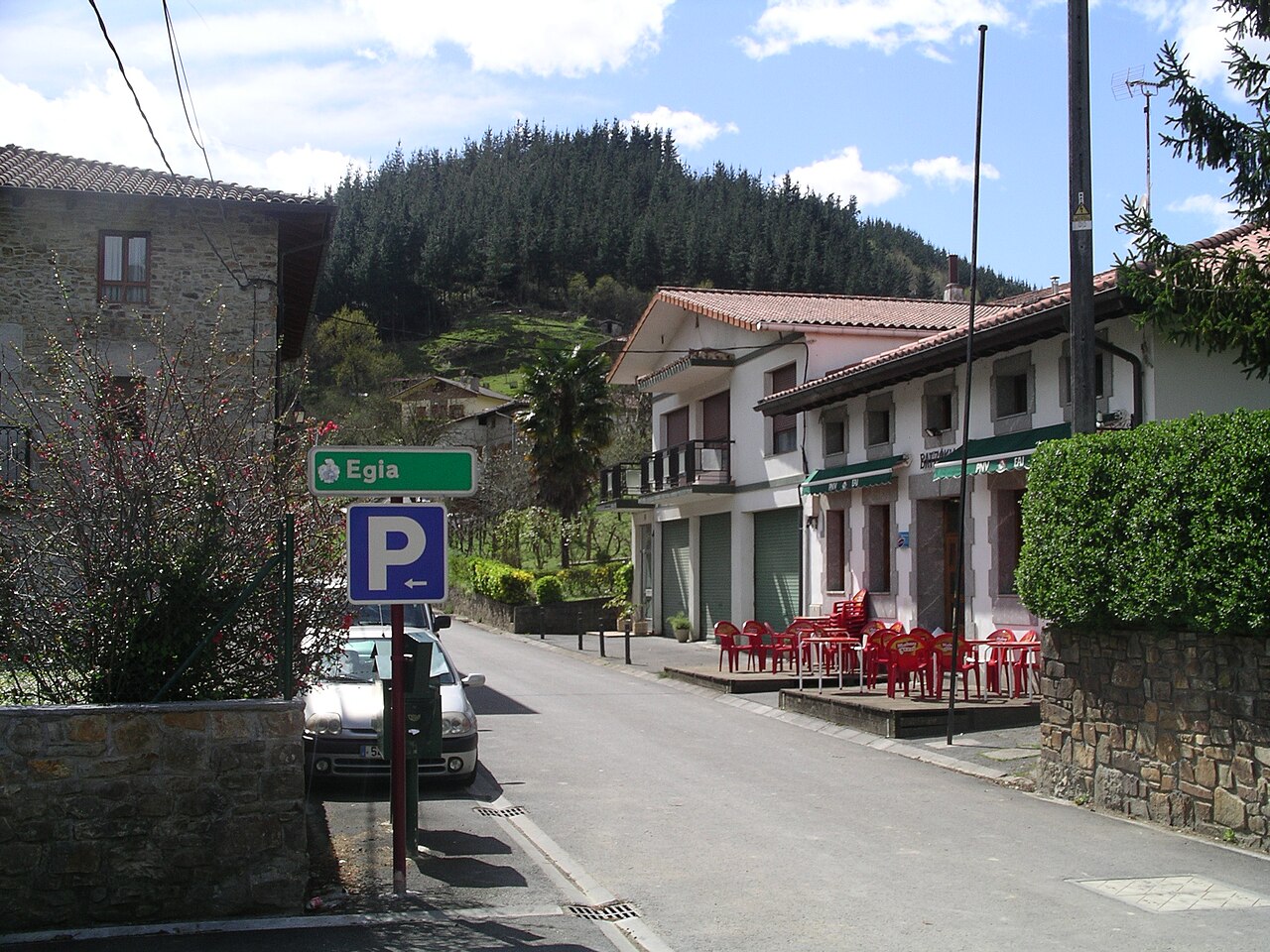
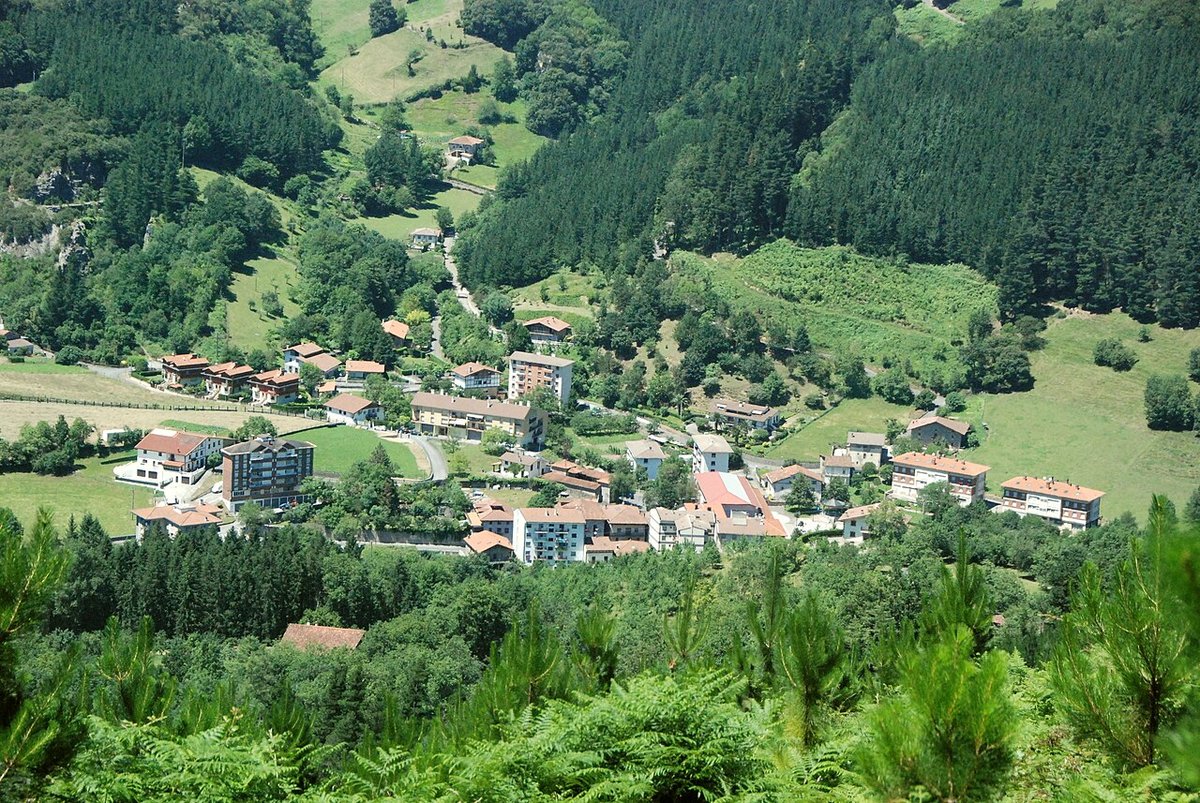
La forma de Dima viene de su geografía. El municipio ocupa un valle abierto en el límite occidental de Arratia-Nervión, donde el poblamiento nunca se concentró en un núcleo único. Lo que define el territorio son los caseríos aislados, separados por prados y bosquetes. Bilbao está a unos treinta kilómetros, pero el ritmo cambia al dejar la carretera principal. La diferencia no es de distancia, sino de estructura.
La huella de una vida agraria
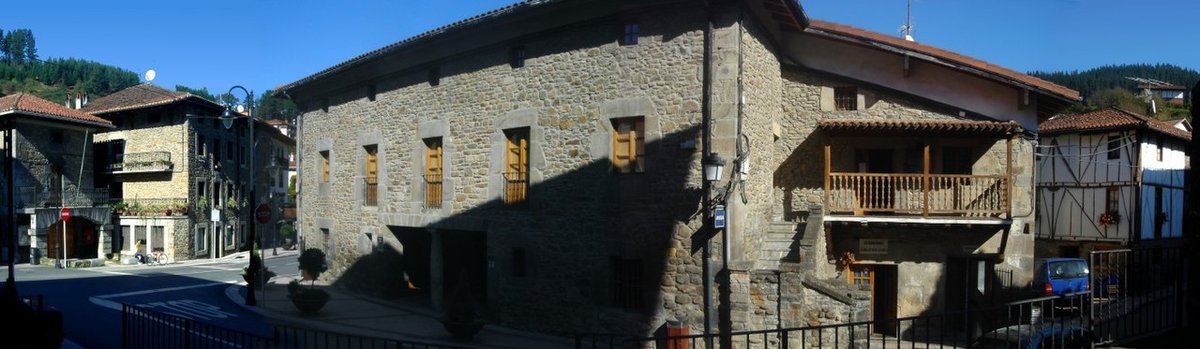
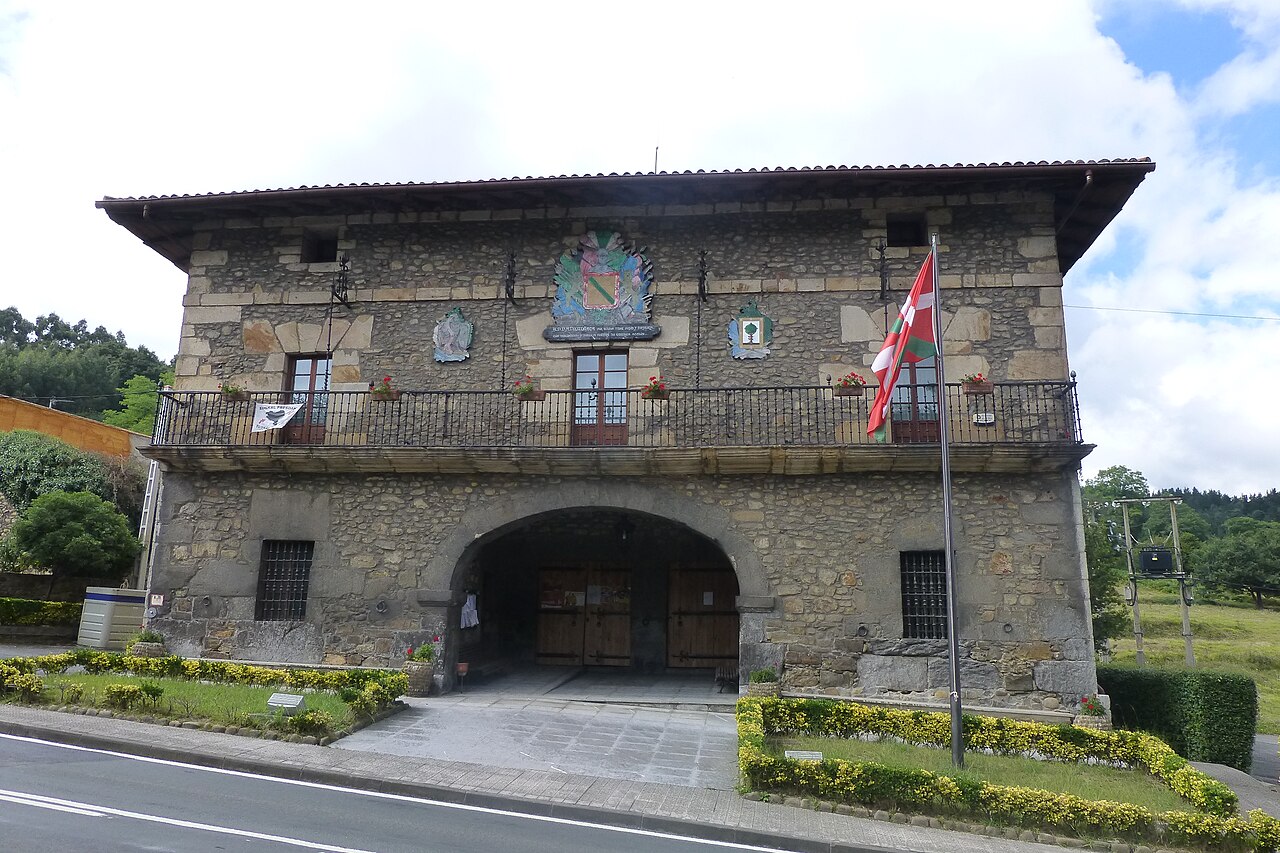
Durante siglos, Dima fue un valle dedicado a la ganadería y la agricultura. Los caseríos de muros gruesos y tejados a dos aguas no son elementos decorativos; son la arquitectura de un modo de vida ligado a la tierra. Se ven solos o en pequeños grupos, siempre en relación con las parcelas que los rodean.
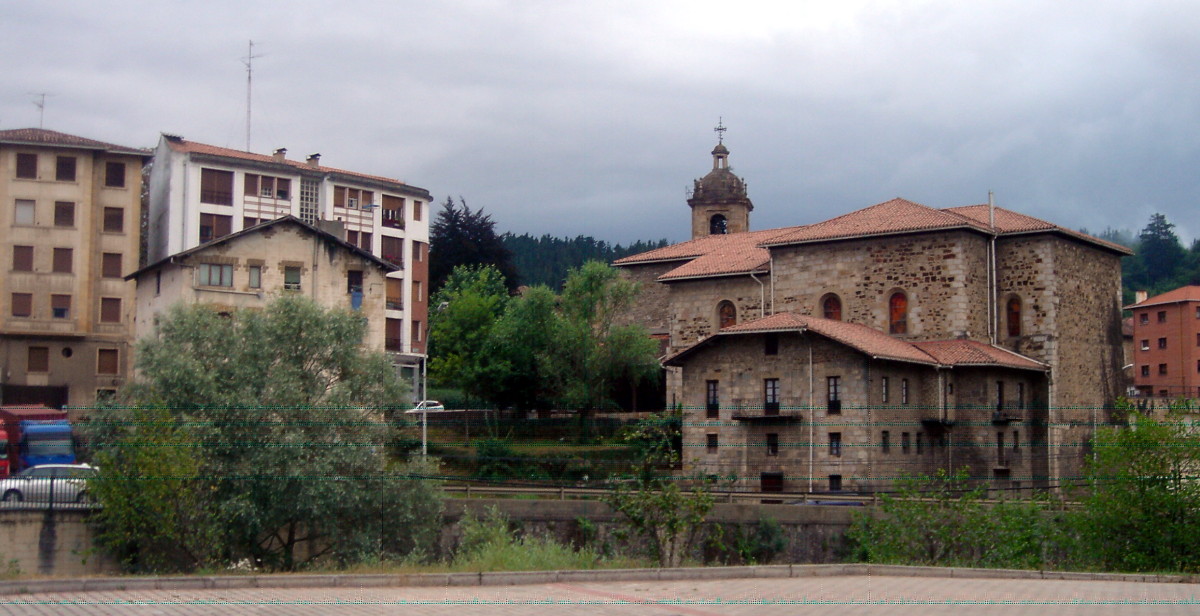
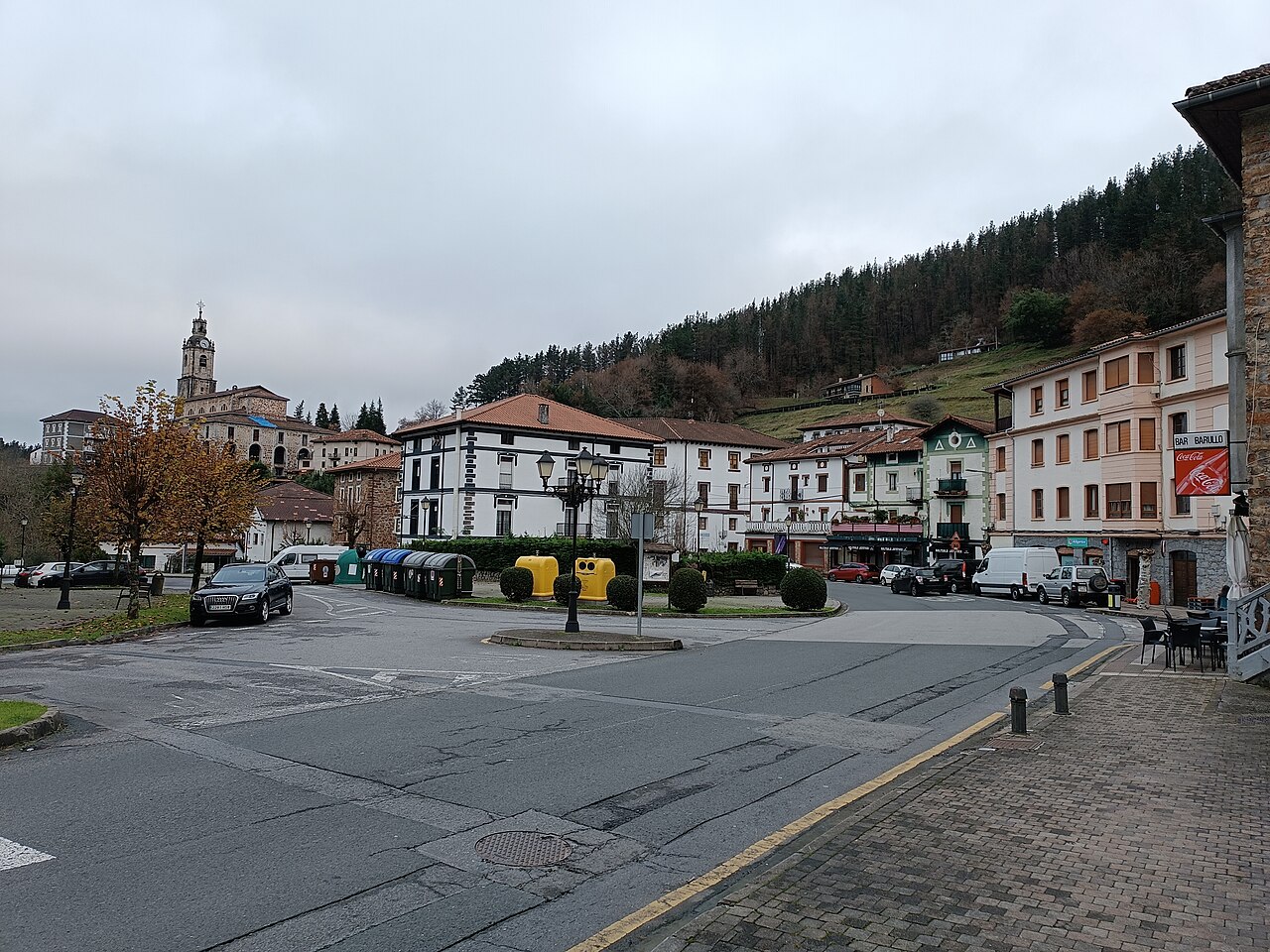
La iglesia parroquial de San Pedro Apóstol, del siglo XVI con reformas posteriores, se alza junto a la plaza. No es un edificio monumental, pero su ubicación es significativa. Este espacio funcionaba como punto de encuentro del valle, donde se celebraba el mercado y se tomaban decisiones comunitarias.
Varias ermitas se sitúan en caminos apartados, a menudo en cruces o lomas. Su localización responde a una organización tradicional del territorio, marcando límites y rutas. Su presencia habla de una relación entre creencia, movimiento y paisaje.
Un paisaje de prados, bosque y agua
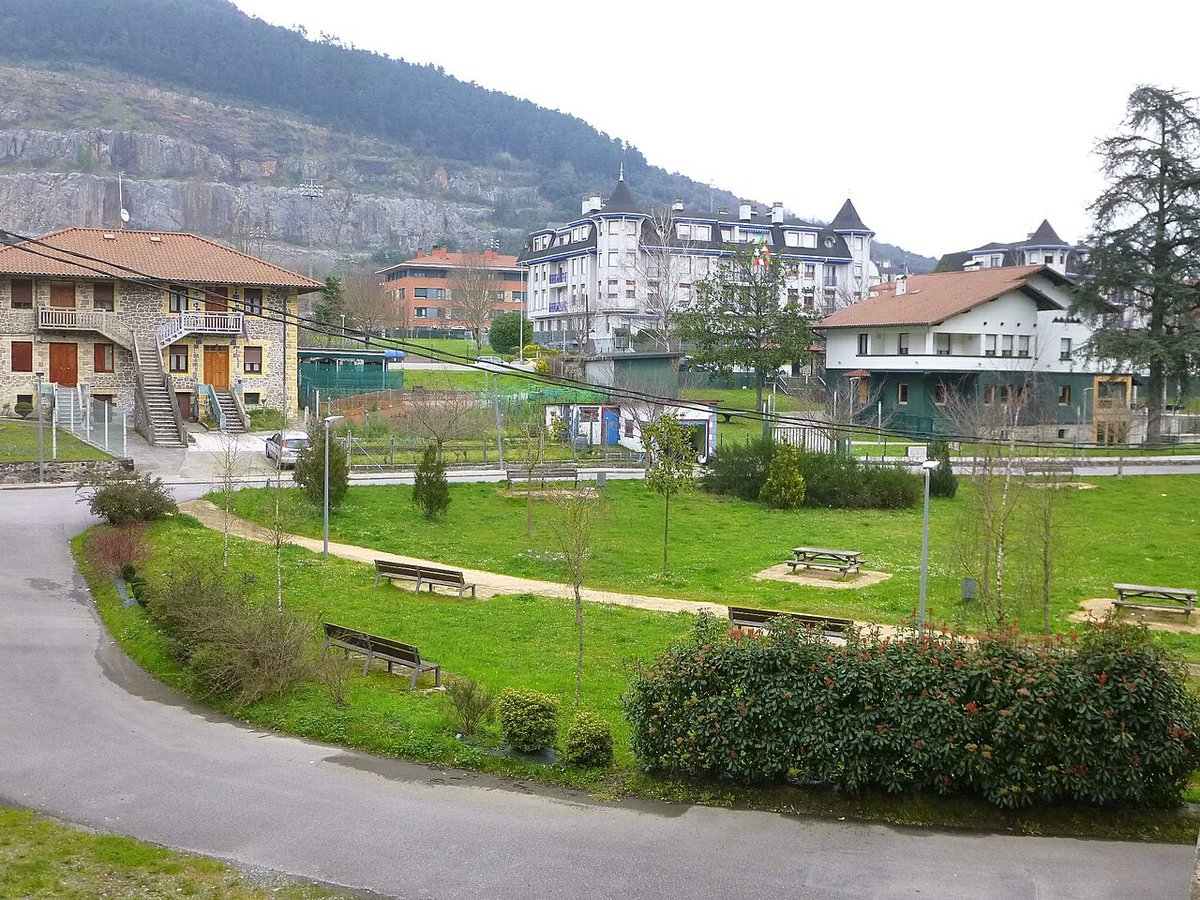
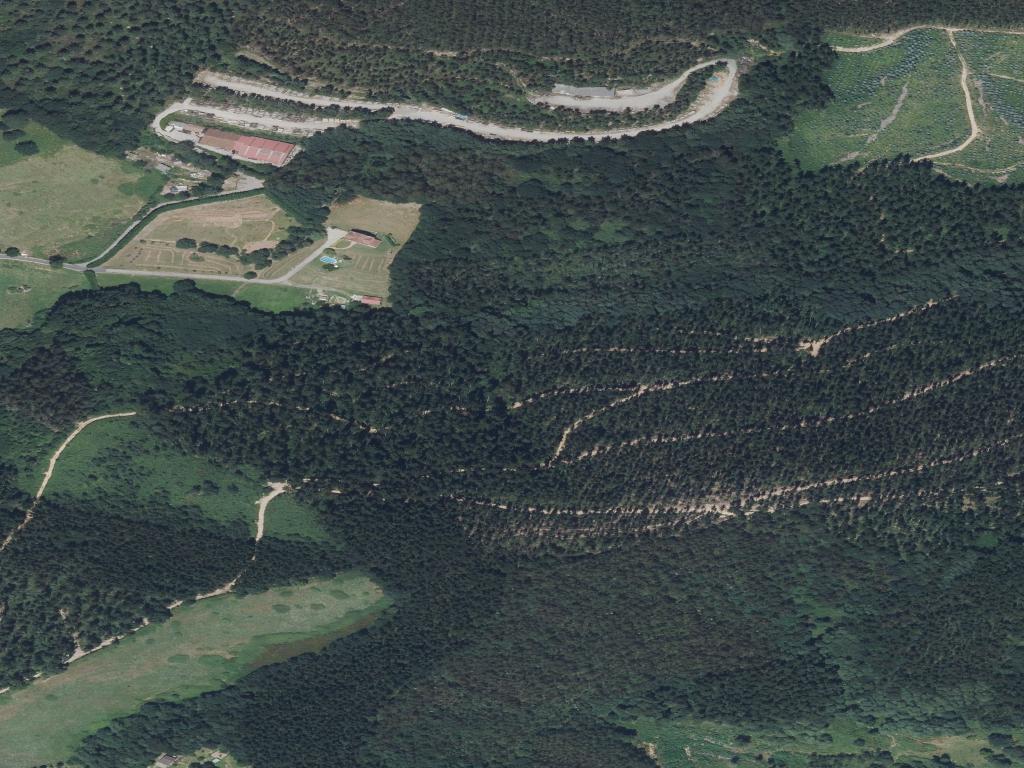
El entorno combina pastos con manchas de bosque autóctono, principalmente roble y haya en las laderas norte más húmedas. En otras zonas hay repoblaciones forestales más recientes. El resultado es un mosaico cambiante: áreas abiertas de pasto junto a tramos de bosque más cerrado.
El agua está siempre presente en forma de regatos y fuentes que bajan de las lomas. No son cursos destacados, pero marcan la estructura del valle y alimentan la vegetación. La estación altera notablemente el color del paisaje, del verde intenso de la primavera a los ocres del otoño en el bosque caducifolio.
Cómo moverse por el valle
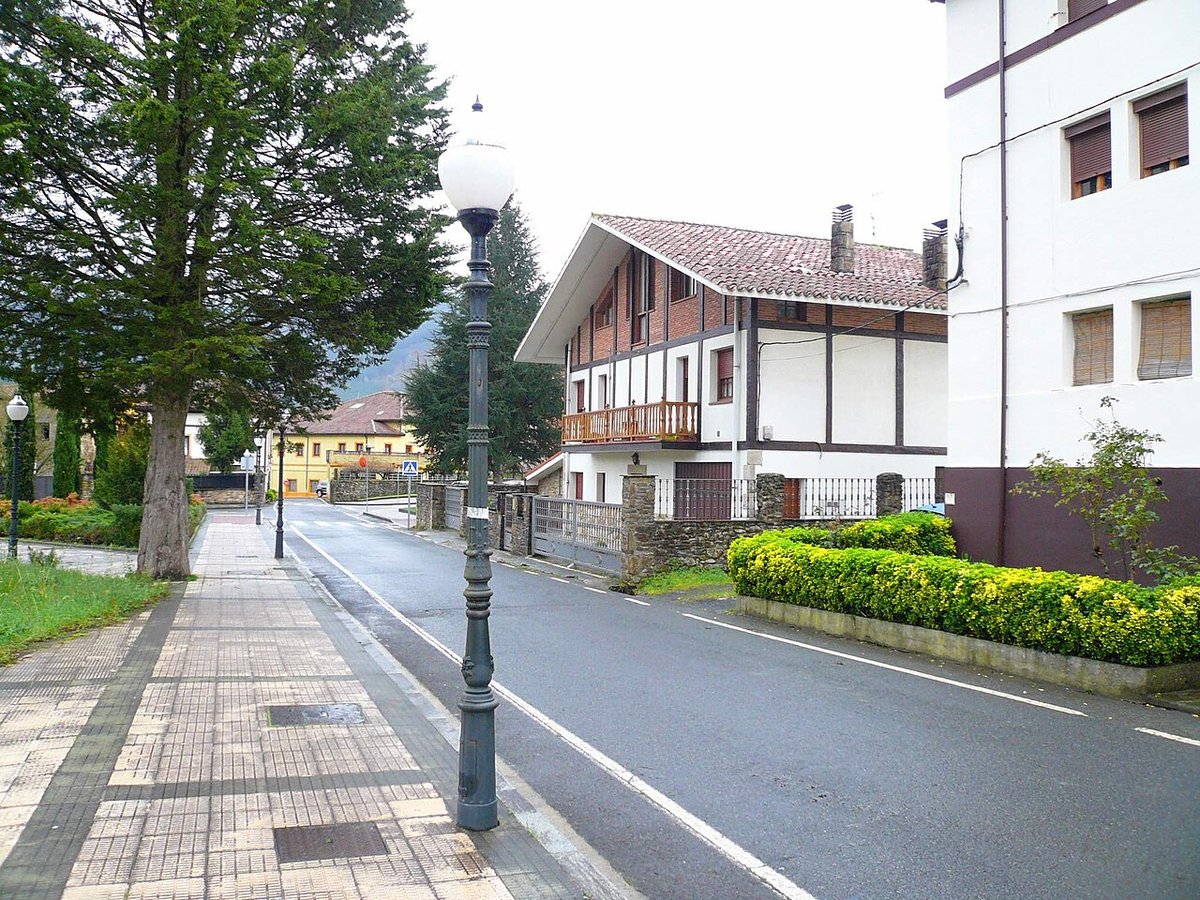
Una red de caminos rurales, algunos asfaltados y otros de tierra, une los distintos barrios. Tras varios días de lluvia pueden estar embarrados. Caminar es la forma más directa de entender el lugar: las rutas pasan junto a caseríos, prados cerrados con muros de piedra y pequeños bosques. No se trata de alcanzar un mirador único, sino de seguir las transiciones graduales del paisaje.
Las carreteras secundarias son estrechas y con curvas. Algunos tramos tienen pendiente considerable, lo que puede ser exigente para ciclistas. Moverse sin coche limita mucho las posibilidades; las distancias entre barrios, aunque no sean largas, no siempre son prácticas a pie.
Comida y ritmos locales
La base de la comida aquí es rural. Las huertas familiares aportan verdura para guisos sencillos, donde prima el sustento sobre la presentación. Las legumbres siguen teniendo un papel central. El queso de oveja, producido en las granjas cercanas, refleja la tradición ganadera del valle.
En las celebraciones vecinales aparecen platos más contundentes, pensados para alimentar a un grupo. El contexto importa: comer está ligado al tiempo compartido y a las costumbres locales.
Las fiestas principales son las de San Pedro, a finales de junio. Suelen incluir bailes, deporte rural y romerías hacia alguna de las ermitas. El carácter varía según el barrio o el grupo que las organice cada año, un reflejo más de la naturaleza dispersa de la comunidad.
Consideraciones prácticas
Dima no tiene monumentos mayores. Su interés está en el paisaje humanizado: los caseríos, los prados y los caminos que unen los barrios dispersos.
Con poco tiempo se puede recorrer el núcleo principal, ver la iglesia de San Pedro y caminar por alguno de los senderos cercanos. Con más horas, vale la pena seguir las rutas que conectan distintas partes del valle. Dima se comprende caminándolo, trazando las conexiones que lo han definido históricamente.