Full Article
about Igorre (Yurre)
Valleys and hamlets a short distance from Bilbao, with plenty of local life.
Hide article Read full article
A place that reveals itself slowly
Igorre is a bit like that colleague who never raises their voice in meetings. At first glance, it does not stand out. Then one day you realise they have been there all along, that everyone relies on them, and that their absence would be noticed straight away.
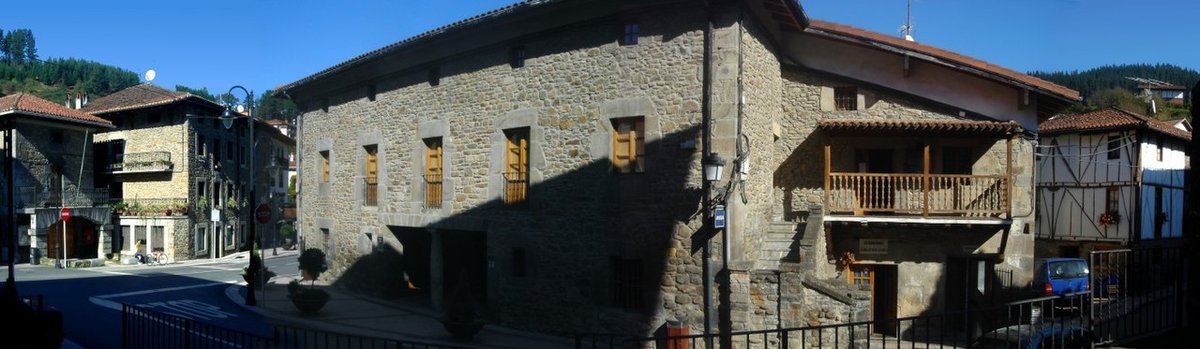
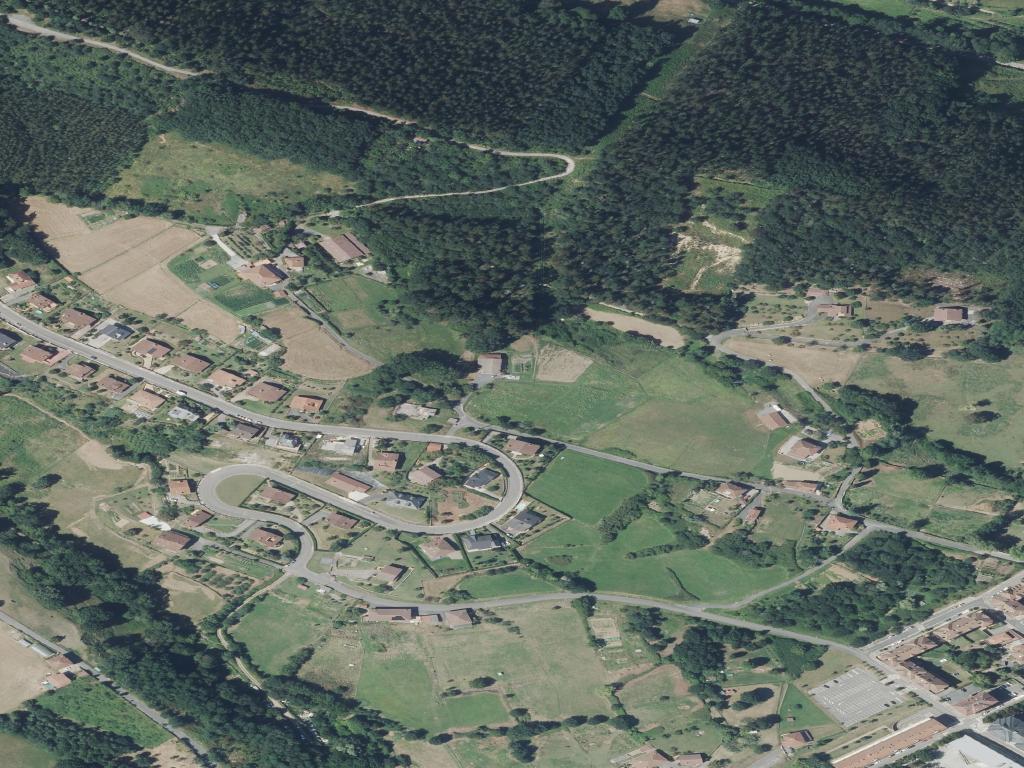
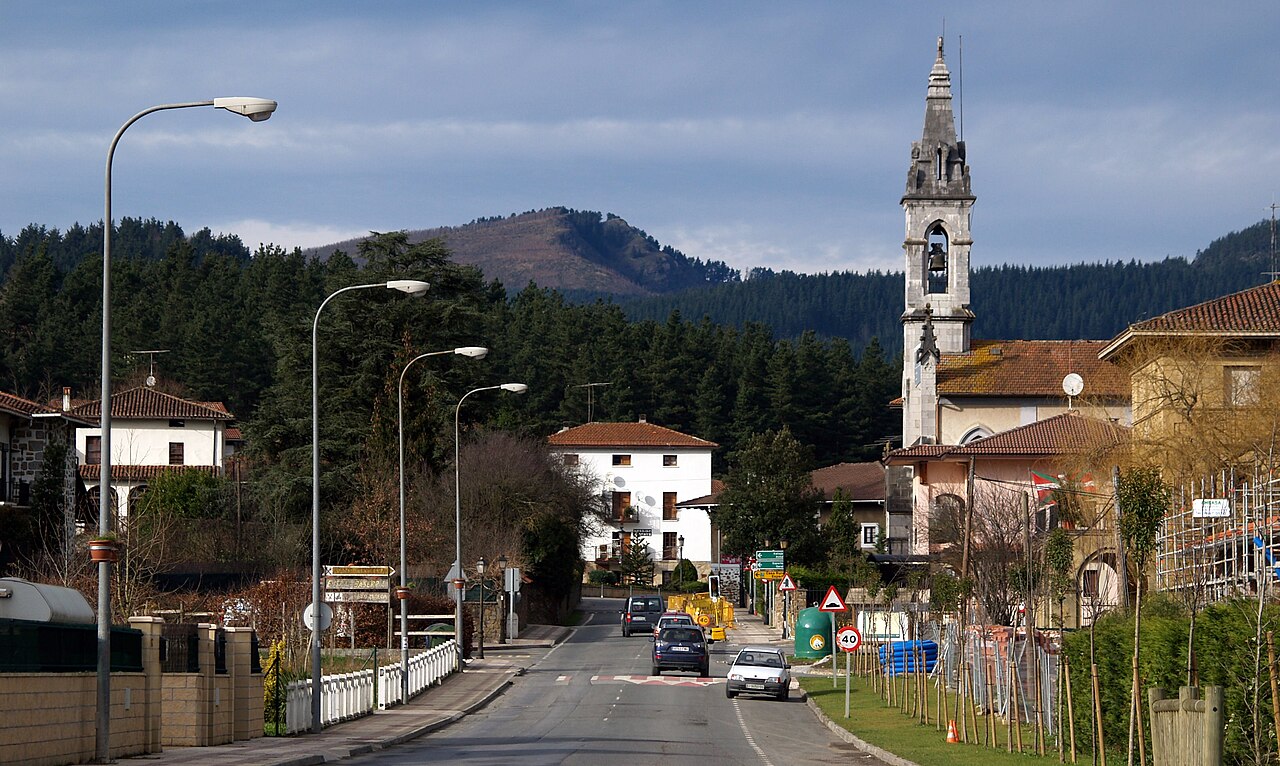
With just over four thousand residents, Igorre sits in the Arratia Valley in Bizkaia, in northern Spain’s Basque Country. It lies between two well-known natural parks, with an old church at its centre and a scattering of medieval towers that appear when you least expect them.
Many people know it only from the road, passing through the valley by car. That quick impression does not do it justice. Spend a little time here and it becomes clear that there is more history than the drive-by view suggests.
The town that stopped being Yurre
Until the early 1980s, official maps listed this place as Yurre. That name came from an older Spanish adaptation, while in Basque, the language of the region, it had always been called Igorre. In the end, local usage prevailed and the official name was changed.
This kind of shift is more common than it might seem in the Basque Country. Administrative names have not always matched the ones used by local communities for generations.
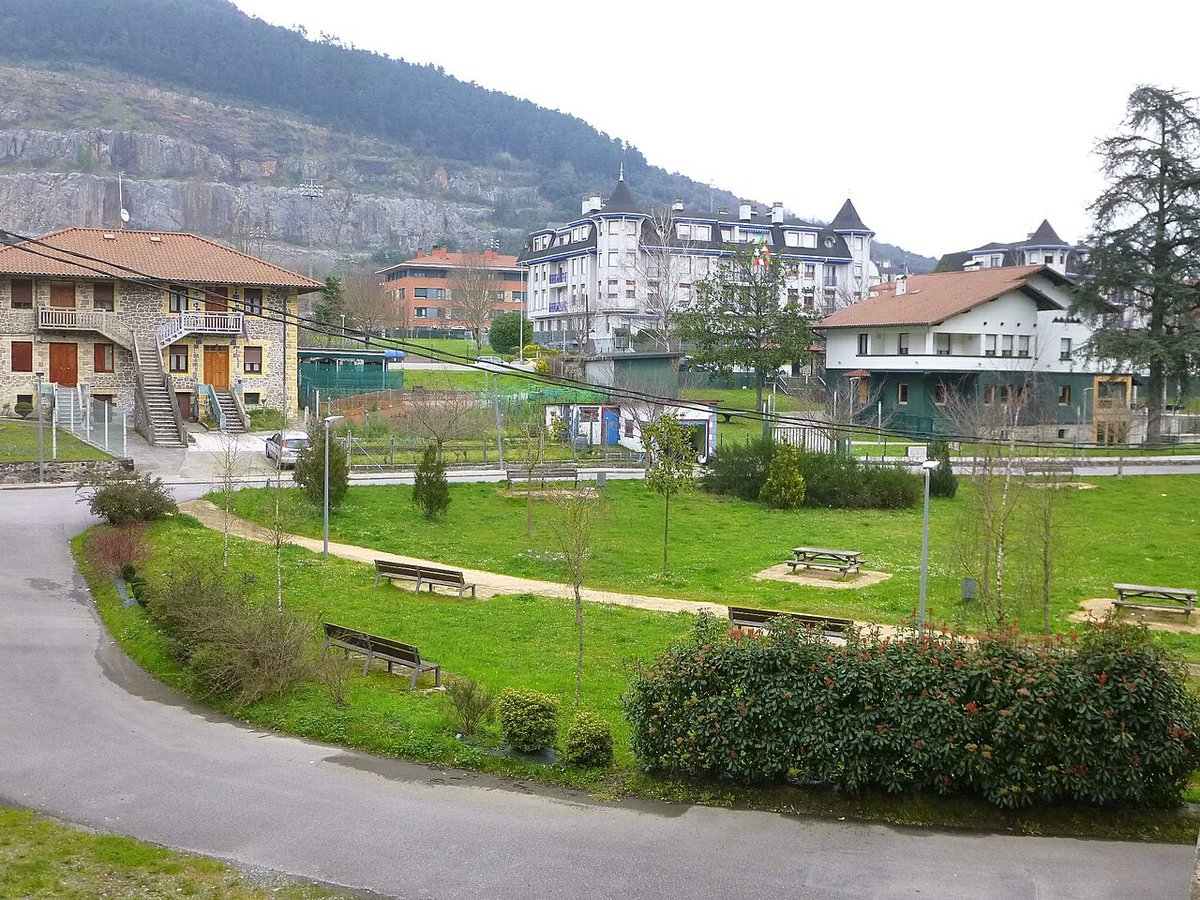
There is no single agreed explanation for the name Igorre. Some link it to old words associated with plants found in the area, such as elder or heather. Nothing is fully settled. Still, the idea fits the landscape: a damp valley, green slopes and hills rising in every direction.
Between Urkiola and Gorbeia
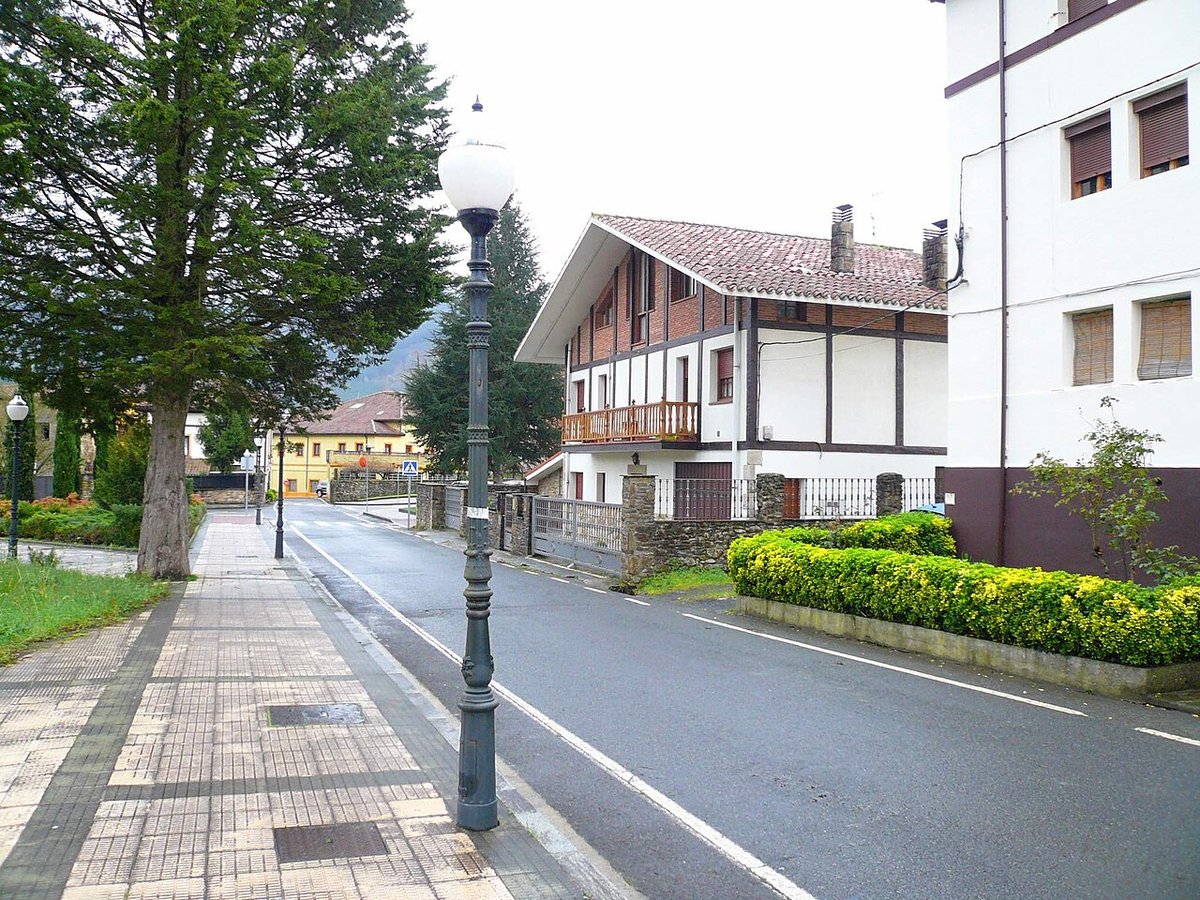
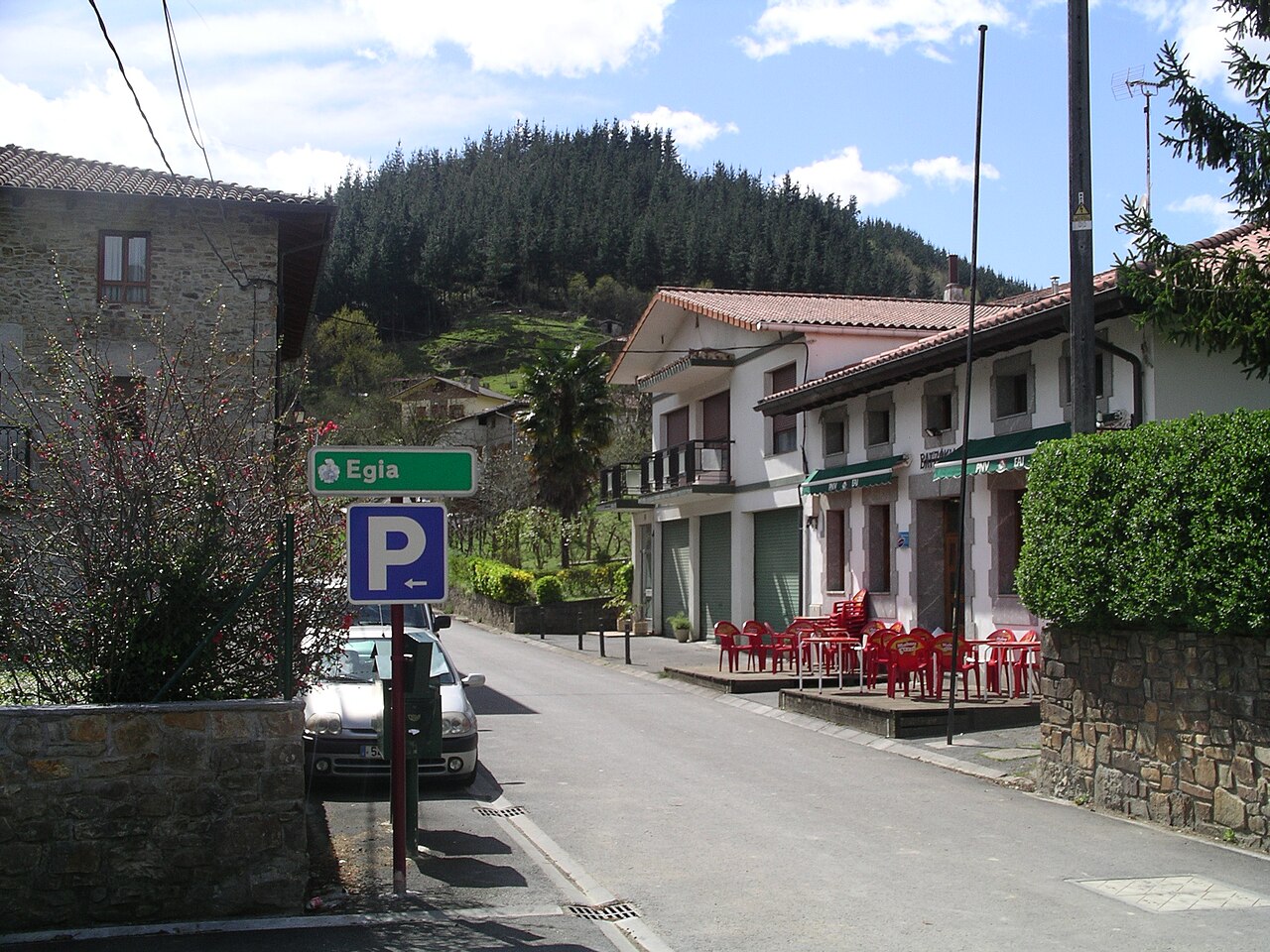
One of the first things noticeable on arrival is that Igorre is not trying to impress. It has not been turned into a staged version of itself. There are workshops, small businesses, and the everyday rhythm of traffic at certain times of day. For many people in the valley, it acts as a local hub.
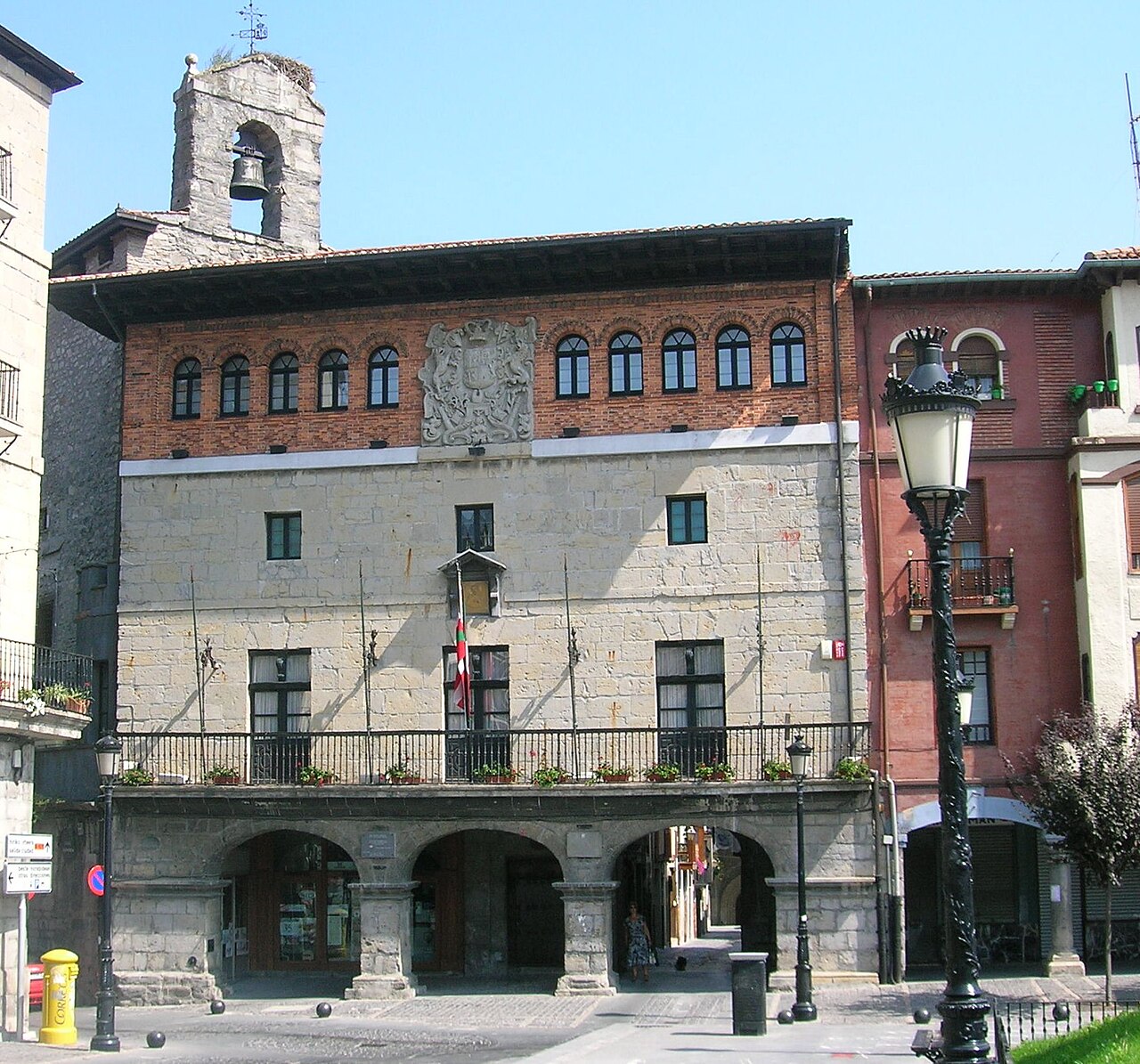
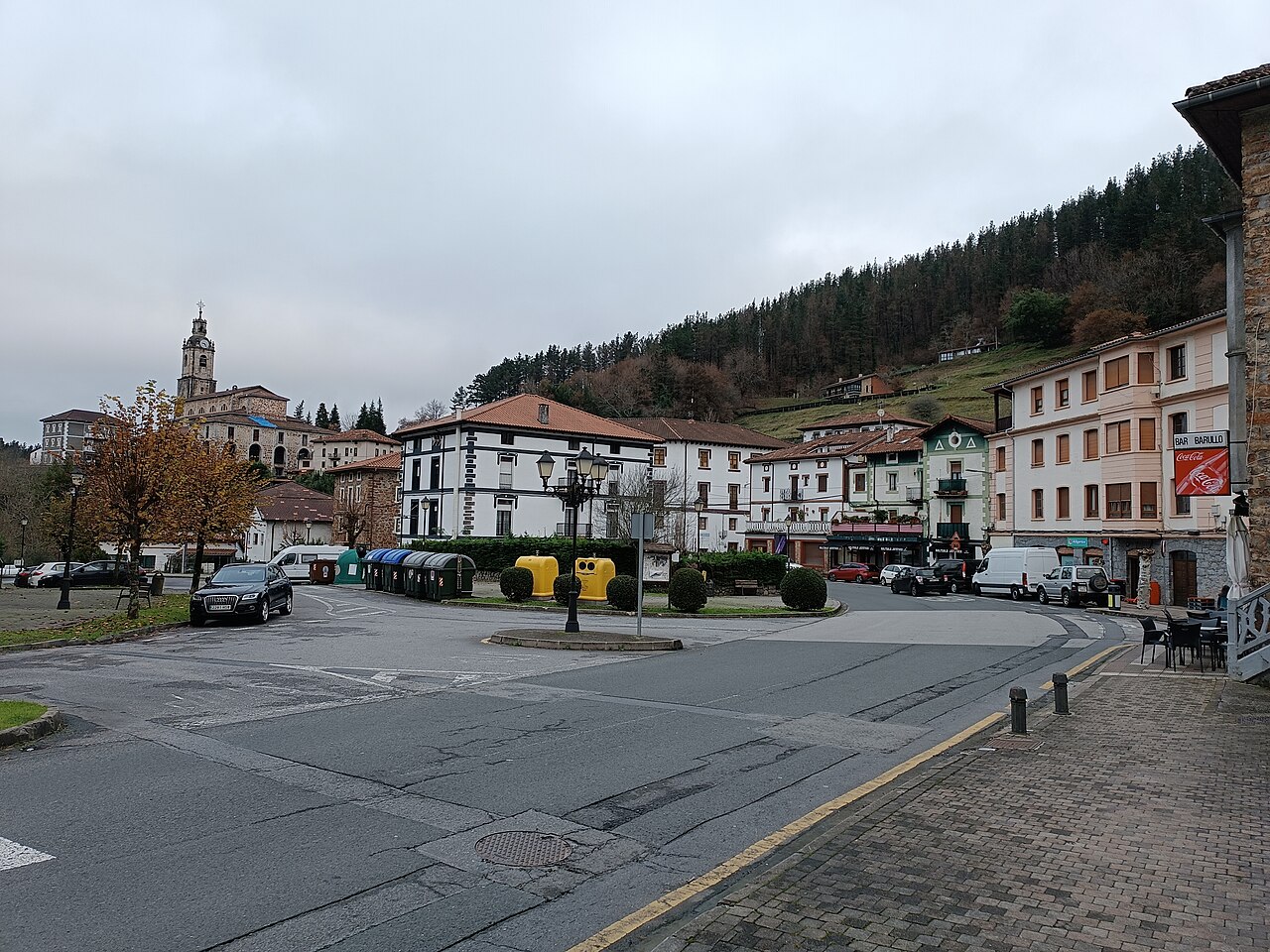
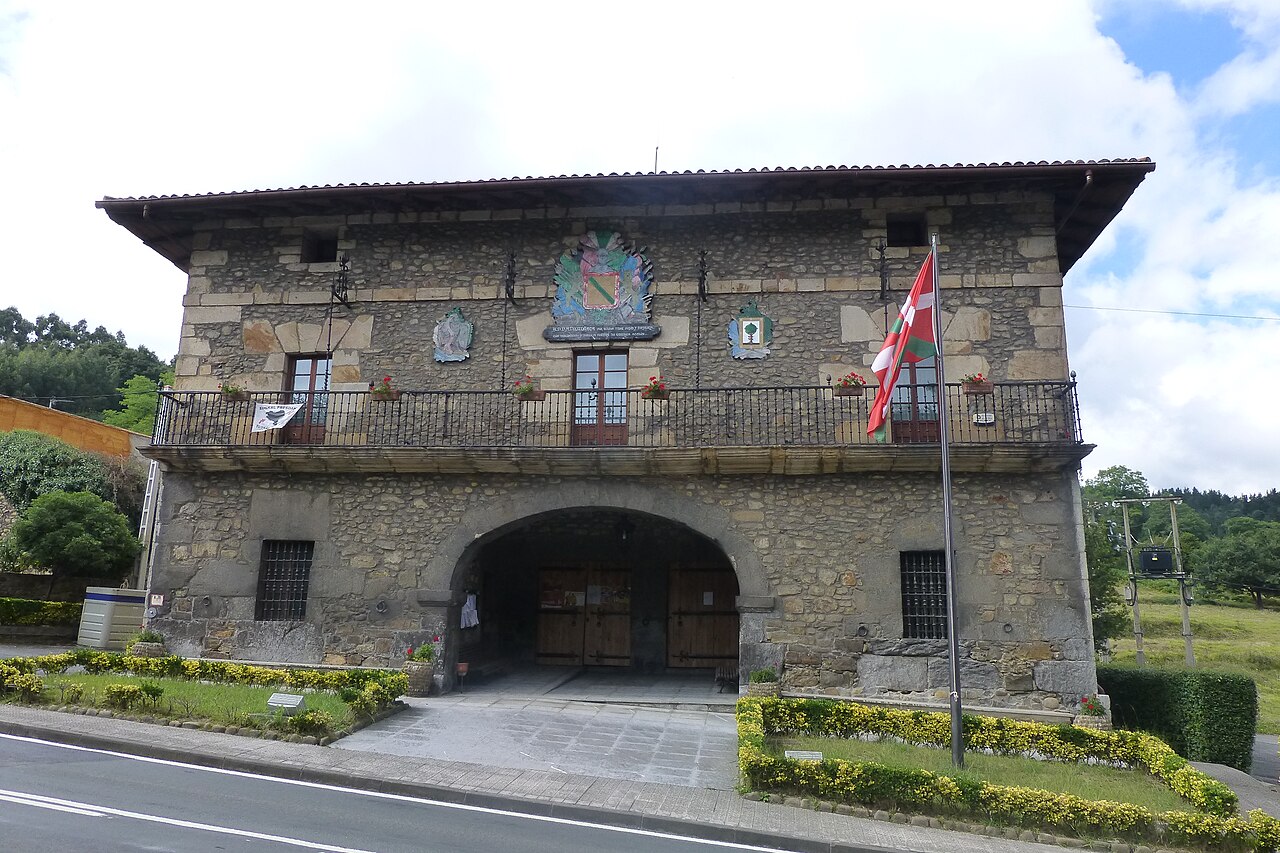
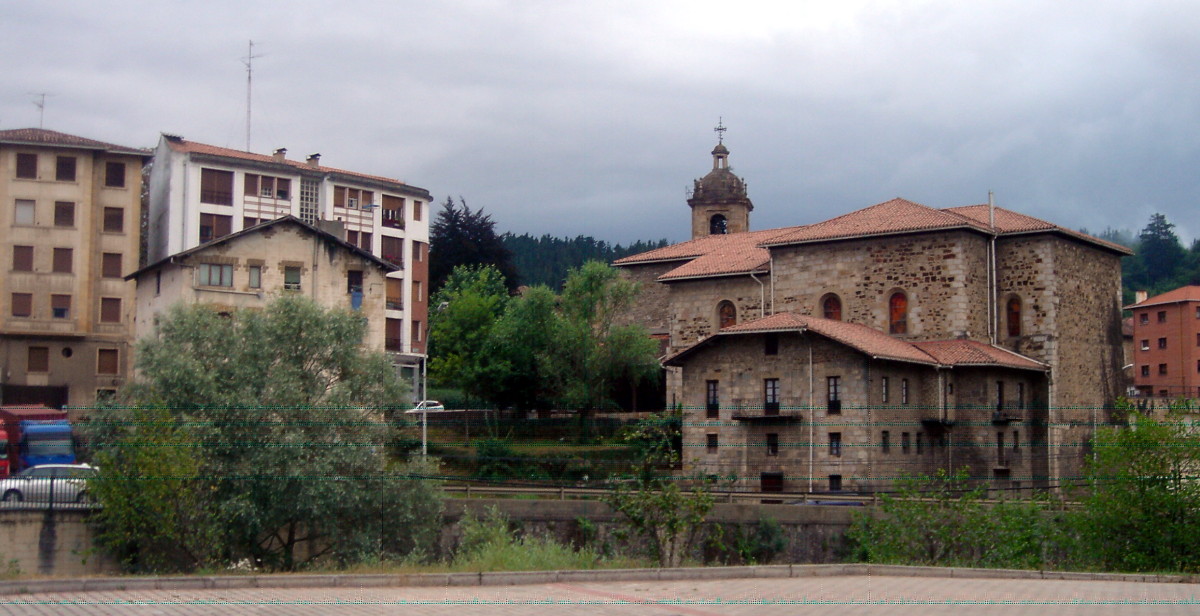
Among these ordinary elements, older buildings appear and hint at how long this place has been inhabited. At the centre stands the church of Santa María, with medieval origins. It has changed over time but still defines the heart of the town. Across the municipality, several defensive towers remain, those house-towers that once combined living space with protection.
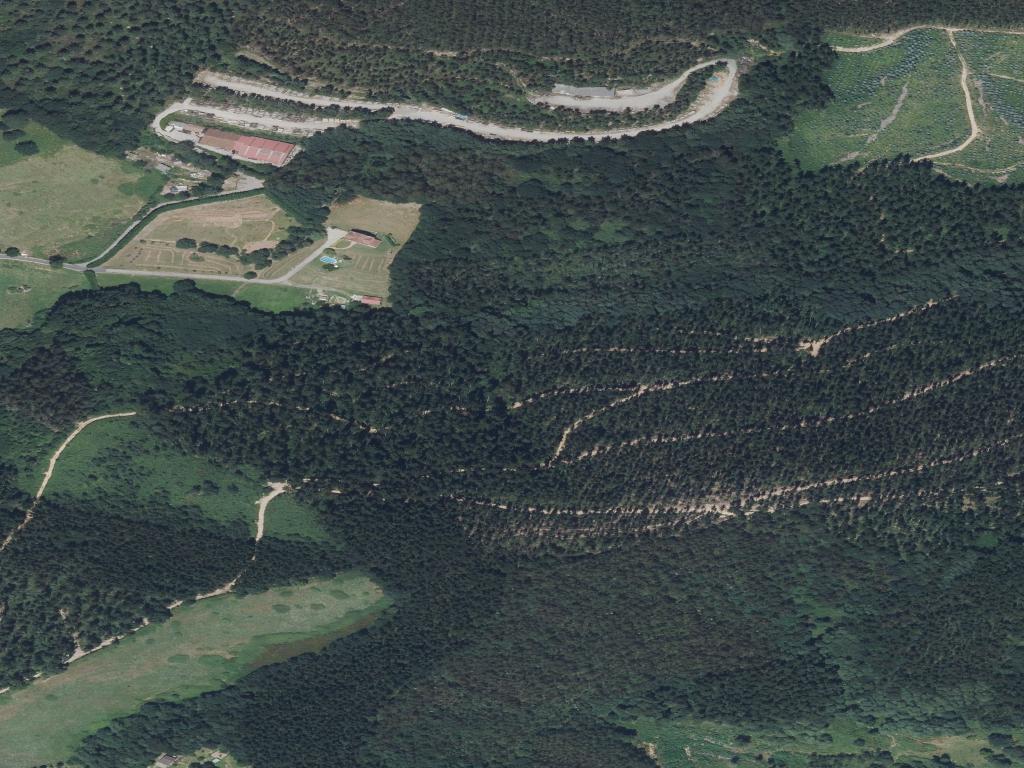
The Arratia Valley sits between two major mountain areas in the Basque Country: Urkiola on one side and Gorbeia on the other. This location makes the shift from town streets to proper walking routes very quick. Within a short drive, the surroundings turn into trails and tracks. Longer hikes are possible, or shorter walks along paths that cross the valley.
Festivities throughout the year
Celebrations in Igorre are not limited to a single moment in the calendar. Different neighbourhoods mark their own events across the year, often linked to religious dedications. Traditionally, the festival of San Antonio in June is one of the best known locally.
More follow in summer and into early autumn, each with its own atmosphere. In a town of this size, that translates into groups gathering outdoors, music, food, and a noticeable increase in activity for a few days.
Anyone arriving during a festive period will pick up on it quickly. There is no need to search for a programme to know something is going on.
Cycling routes and grilled food
Several well-known athletes have come from Igorre. The cyclist Iban Mayo grew up riding these valley roads before turning professional. Footballer Beñat Etxebarria is also from here.
Looking at the terrain, it makes sense. Roads constantly rise and fall, mountain passes are close by, and hills frame the landscape.
As for food, there is no single dish that carries the town’s name. Even so, being in Bizkaia gives a clear idea of what to expect. In the bars around the centre, especially near Elexalde, it is common to find grills, meat, and straightforward home-style cooking. Menus are not long and explanations are minimal. You order, you eat, and that is that.
A simple way to approach it
A practical way to experience Igorre is to treat it as a base for a few hours. Arrive by car, park near the centre, walk around, and stop for something to eat or drink. From there, it is easy to decide what direction to take next.
You might head towards Urkiola, make your way up towards the Gorbeia area, or continue along the smaller roads that run through the Arratia Valley itself. Those roads alone are worth the journey.
Igorre is not the most famous town in Bizkaia, and it does not try to be. What it offers is something quieter: a place where daily life continues at its own pace, with some of the region’s best-known mountain landscapes close at hand. Many people pass through without stopping. Staying a while changes the picture.