Full Article
about Lemoa (Lemona)
Valleys and hamlets a stone’s throw from Bilbao, buzzing with local life.
Hide article Read full article
A place you nearly miss
Lemoa is a bit like that neighbour you barely acknowledge in the lift, until one day you realise their flat overlooks half the valley. You pass it again and again on the road, heading towards better-known corners of Bizkaia, without ever thinking to stop. Then one day you do, and things shift slightly.
Tourism in Lemoa does not revolve around what you see at first glance. There is no obvious centrepiece drawing you in from the roadside. Instead, everything leads quietly towards a mountain that holds more history than it lets on.
Here, memory does not sit inside museum walls. It is up on the slopes, among pine trees and footpaths, on a hill where the marks of the Spanish Civil War can still be made out if you know where to look.
The hill that changed everything
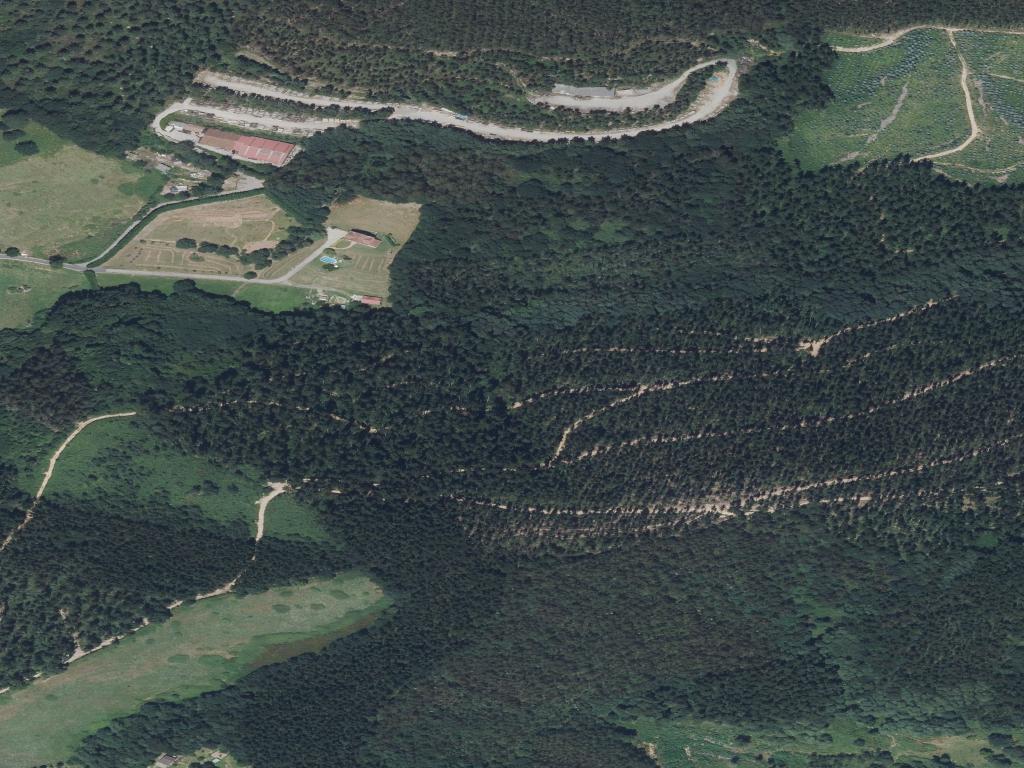
Lemoatxa does not stand out dramatically from a distance. From the road it looks like just another rise in the valley, one of those shapes that drift past the car window without demanding attention. It is only when you begin the climb that its character becomes clearer.
The ridge stretches out long and forested, with several paths running across it. One of the most familiar routes starts near the village and climbs gradually along tracks and dirt paths. It is the sort of walk that allows for conversation, without the sense of tackling anything particularly strenuous.
Partway up, the landscape begins to shift. Remains of trenches appear, cut into the earth in zigzag lines. There are firing positions and small hollows, now filled with leaves each autumn. In 1937, this mountain became a key point during the fighting in Bizkaia. Over the years, historical memory associations have worked to mark and recover parts of these remains.
Some sections now include explanatory panels. Taking time to read them and look around changes the experience of the walk. It stops being just a woodland stroll and becomes something more reflective, a place where it is hard not to picture what the same ground must have felt like with artillery in the background instead of birdsong.
The village, without grand gestures
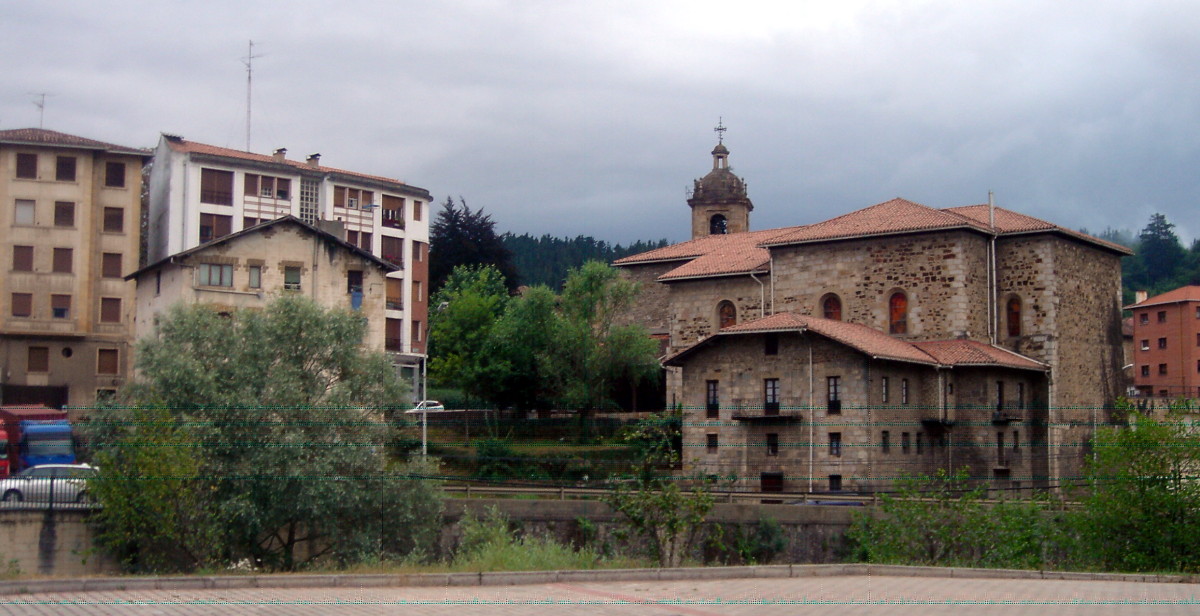
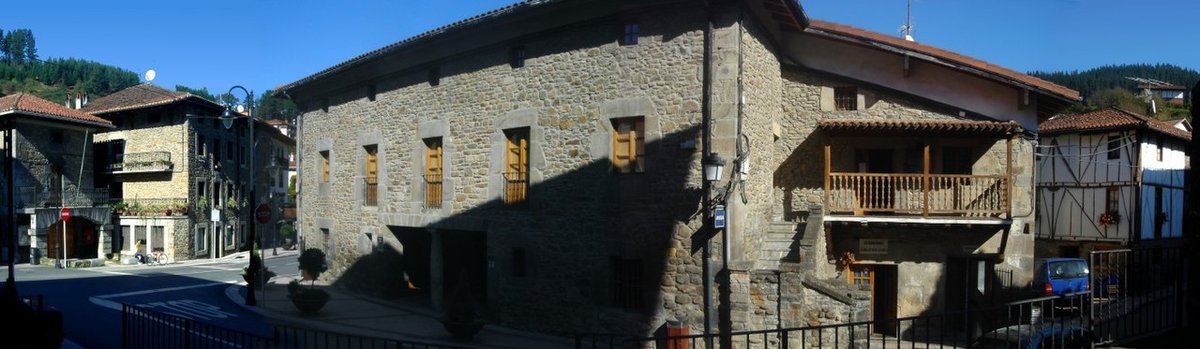
Back down in the centre of Lemoa, the Church of San Pedro shapes much of the village’s outline. It stands in an elevated position and can be seen from different points around the town. The current building includes later modifications, although the site itself has been occupied for much longer.
It is not the kind of monument that justifies a journey on its own. What it offers instead is a sense of continuity. The stone carries the marks of time, and there is often a quietness around it during the week that reinforces the feeling of a place used by generations of the same community.
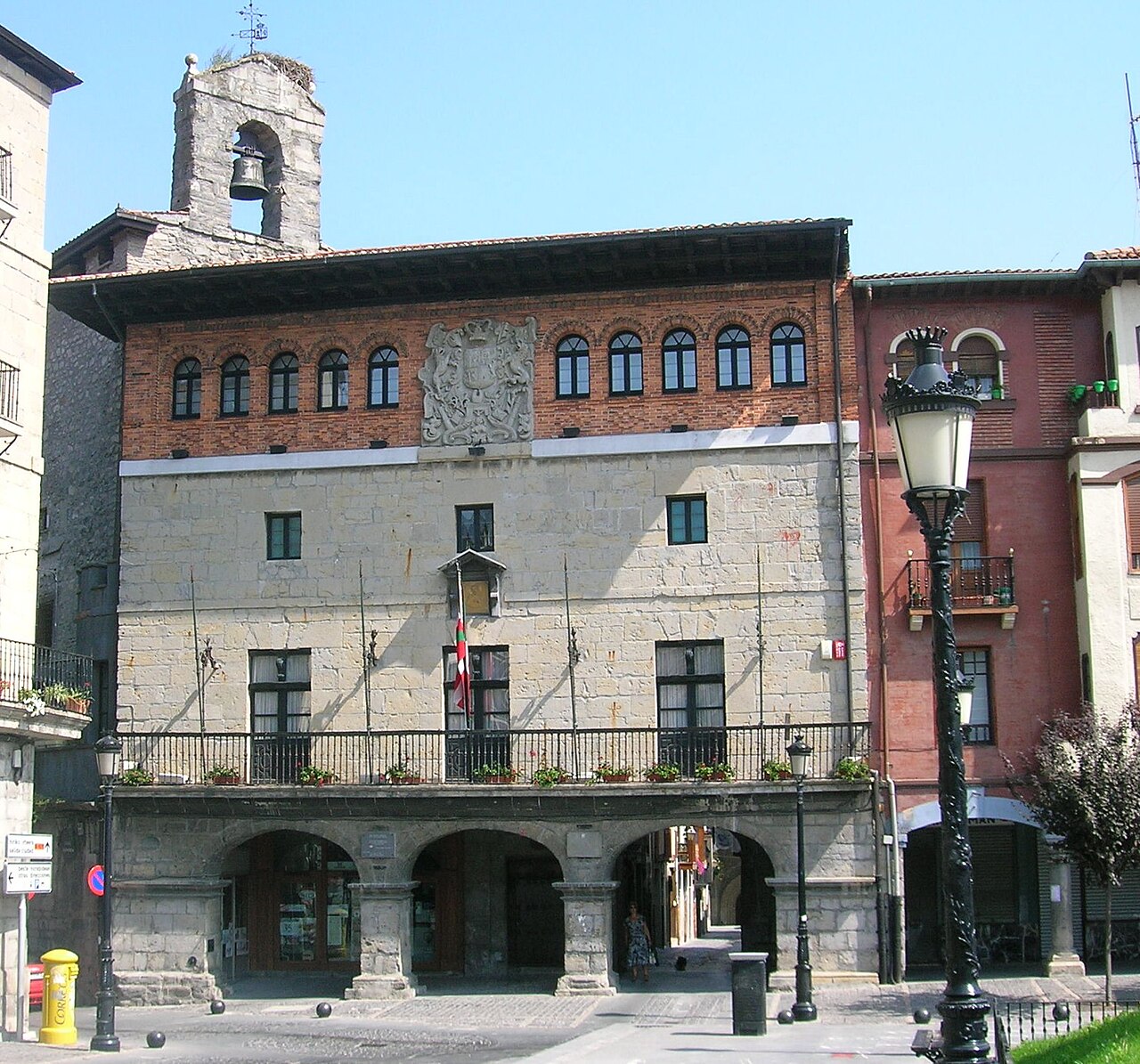
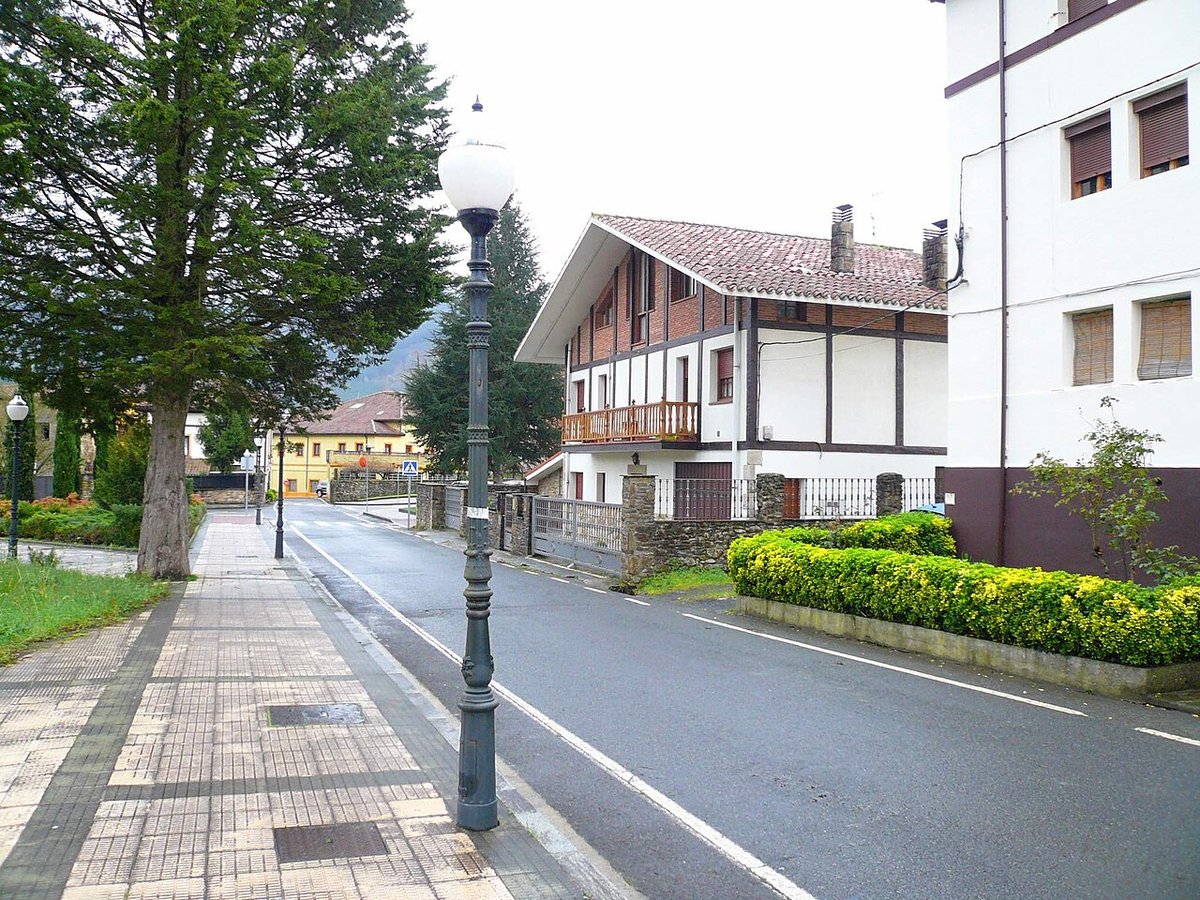
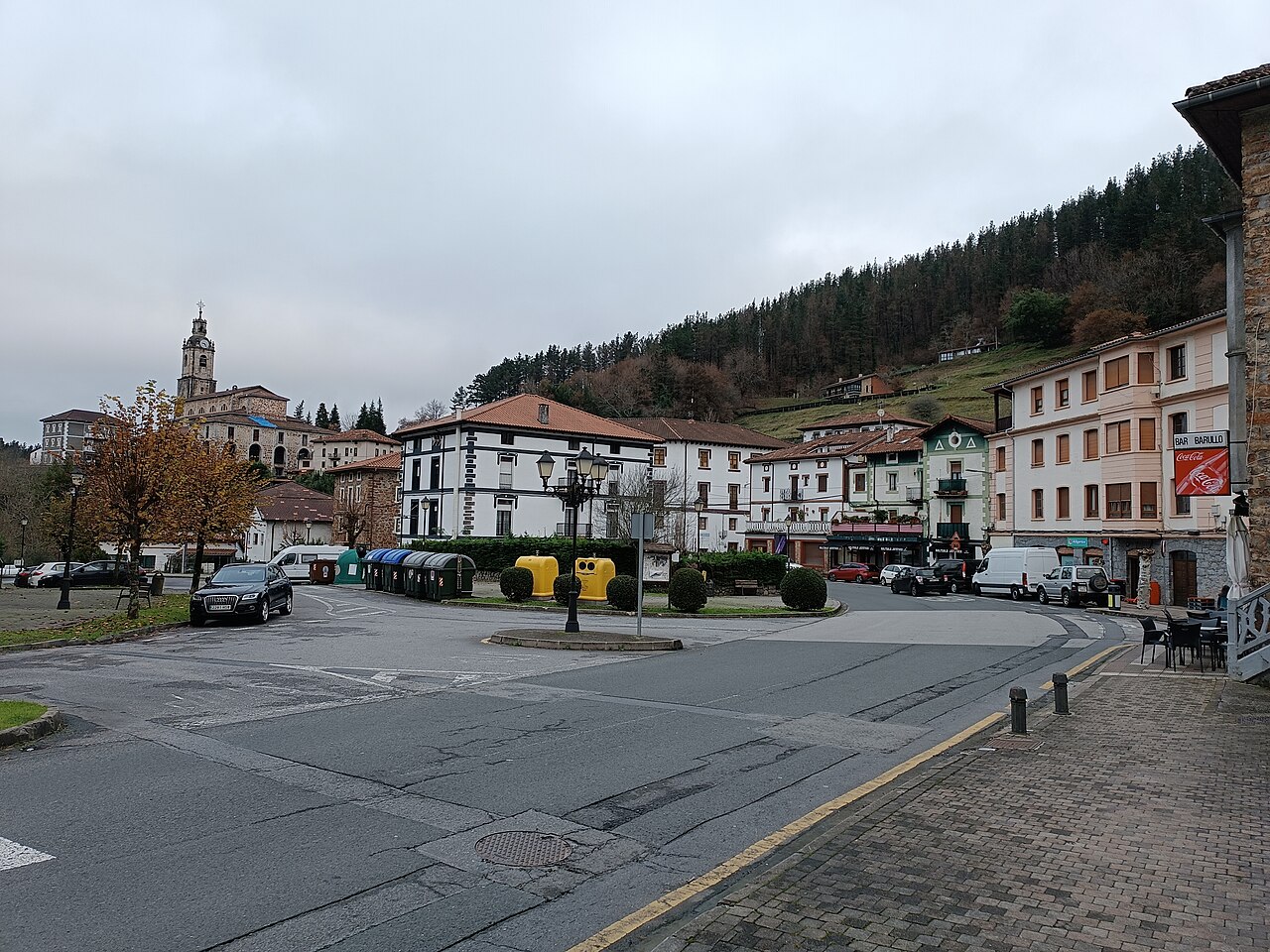
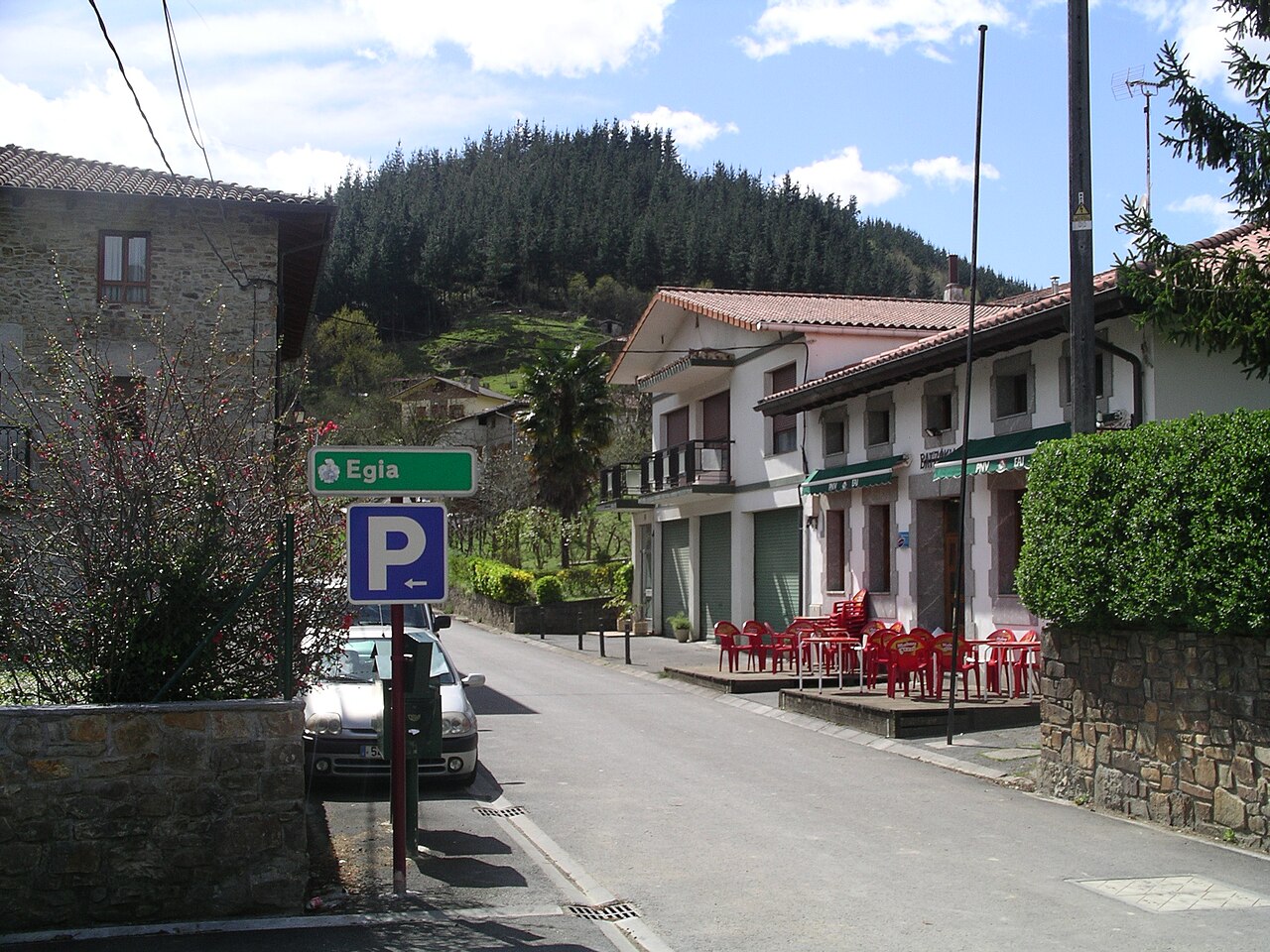
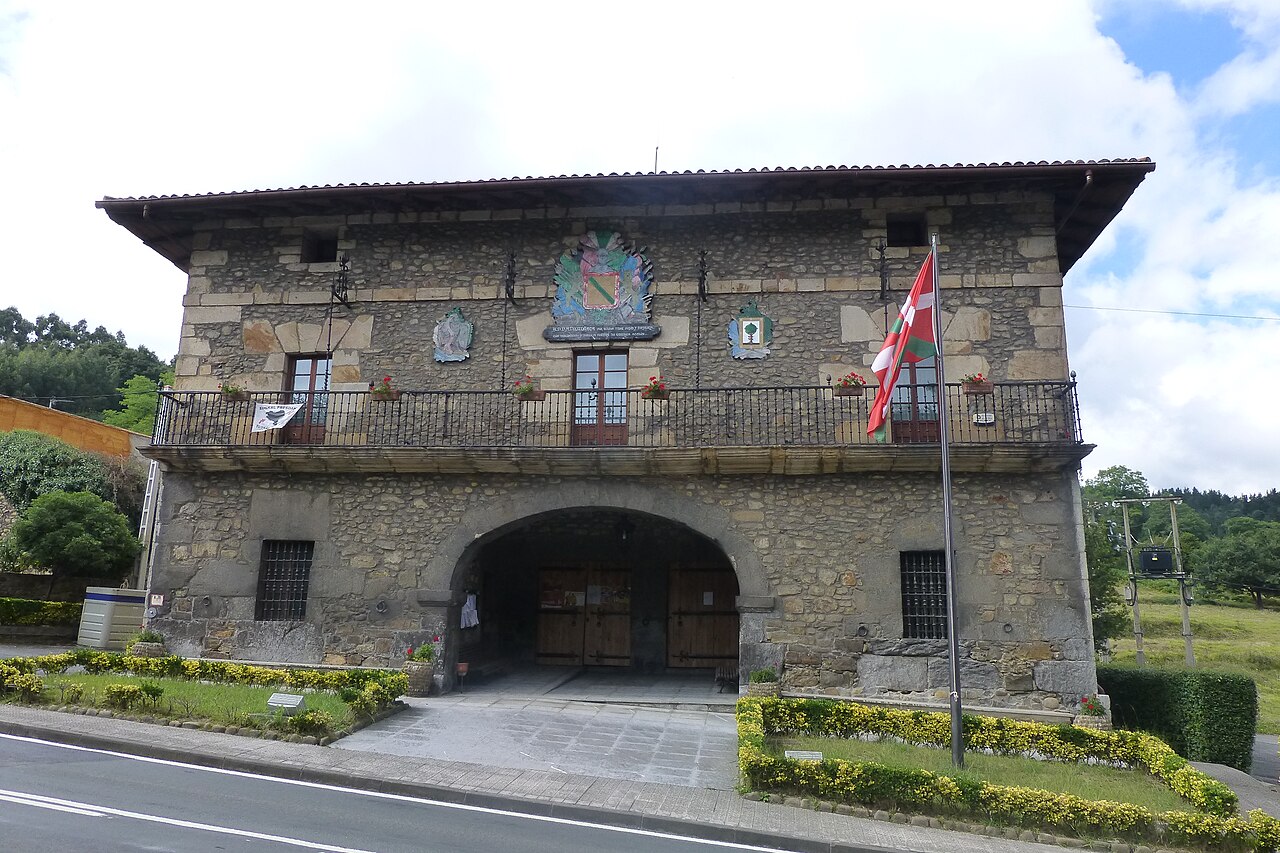
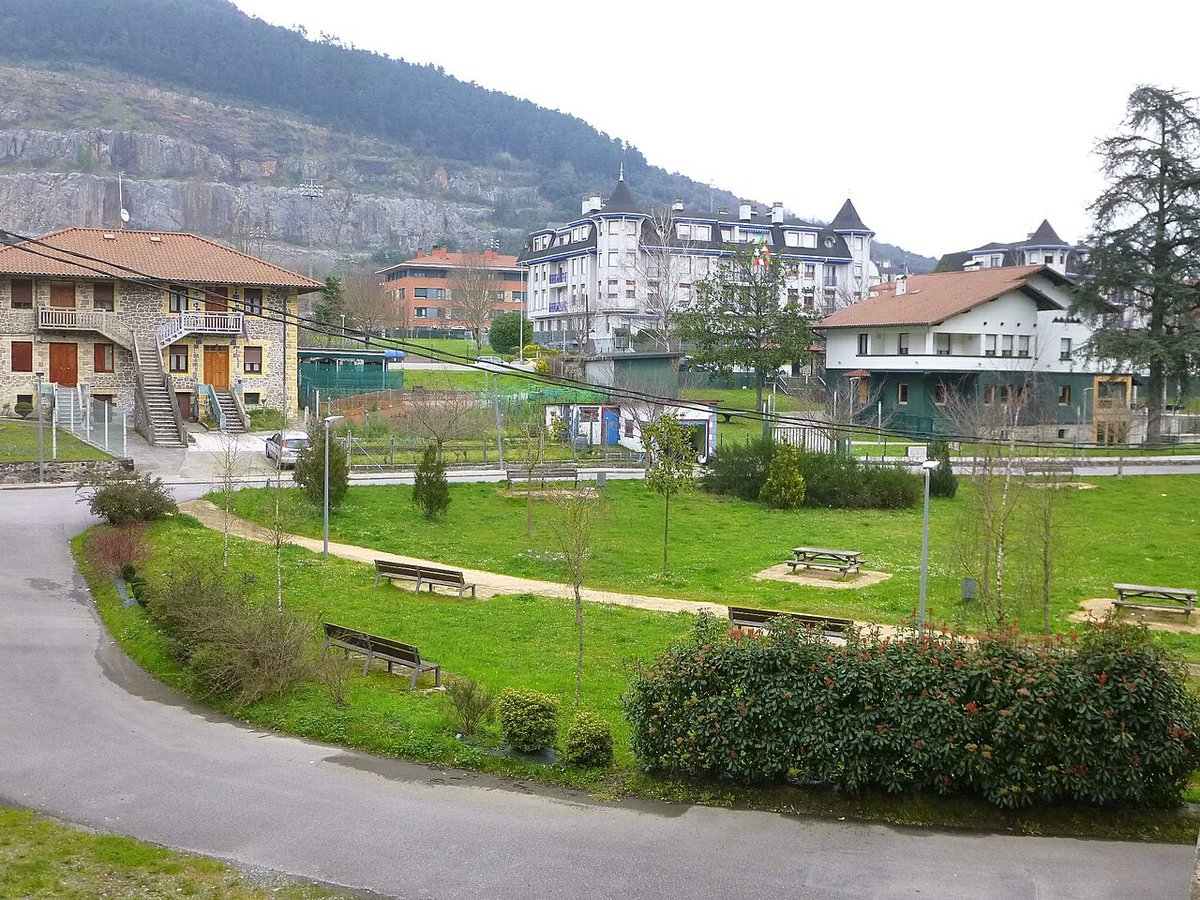
Beyond that, Lemoa is a fairly everyday municipality. The streets are calm. Houses sit alongside more recent buildings, and in winter there are still corners where the smell of firewood lingers in the air. The frontón, a traditional Basque court used for pelota, remains one of the liveliest spots, which is typical in towns across Bizkaia.
This is not a place defined by standout landmarks or a historic quarter that appears on postcards. What it offers is something more familiar: the rhythm of daily life in a Basque village, steady and recognisable.
When things pick up
The pace changes during the San Pedro festivities, usually held at the end of June. For a few days, the atmosphere shifts noticeably. Groups of friends, known locally as cuadrillas, gather, and temporary bars called txosnas are set up around the square.
These are not large-scale celebrations designed to attract visitors from far afield. They remain rooted in the village itself. There is music, socialising between groups, sometimes rural sports, and the kind of atmosphere that emerges when most people know each other.
If you happen to be there during those days, the difference is immediate. There are more people out on the streets, more noise into the evening, and the frontón takes on the role of an improvised town square.
A short detour worth making
Lemoa is not typically a destination for an entire weekend. It works better as a quiet stop along a wider route through the area. A common rhythm would be to head up Lemoatxa in the morning, take the descent at an easy pace, and then continue exploring the valley.
The approach is simple. Leave the car in the village, give yourself time for the climb, and take it slowly. The route is not technical, but it is a place where it is worth pausing, looking around, and taking in the details.
Afterwards, a short walk through the village is enough to get a sense of it before moving on towards other parts of Arratia or nearby Durangaldea.
It is a brief stop, yes. But the kind that tends to stay in your memory longer than expected, especially considering how easily it could have been passed by without a second thought.