Full Article
about Orozko (Orozco)
Valleys and hamlets a short distance from Bilbao, with a strong local life.
Hide article Read full article
A valley that reveals itself slowly
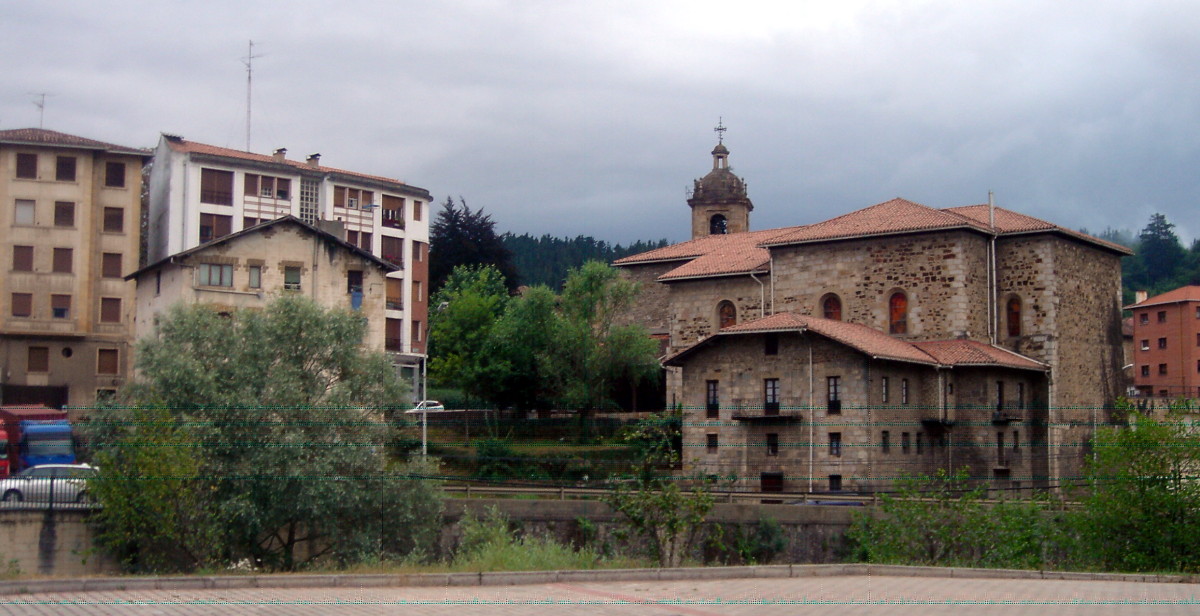
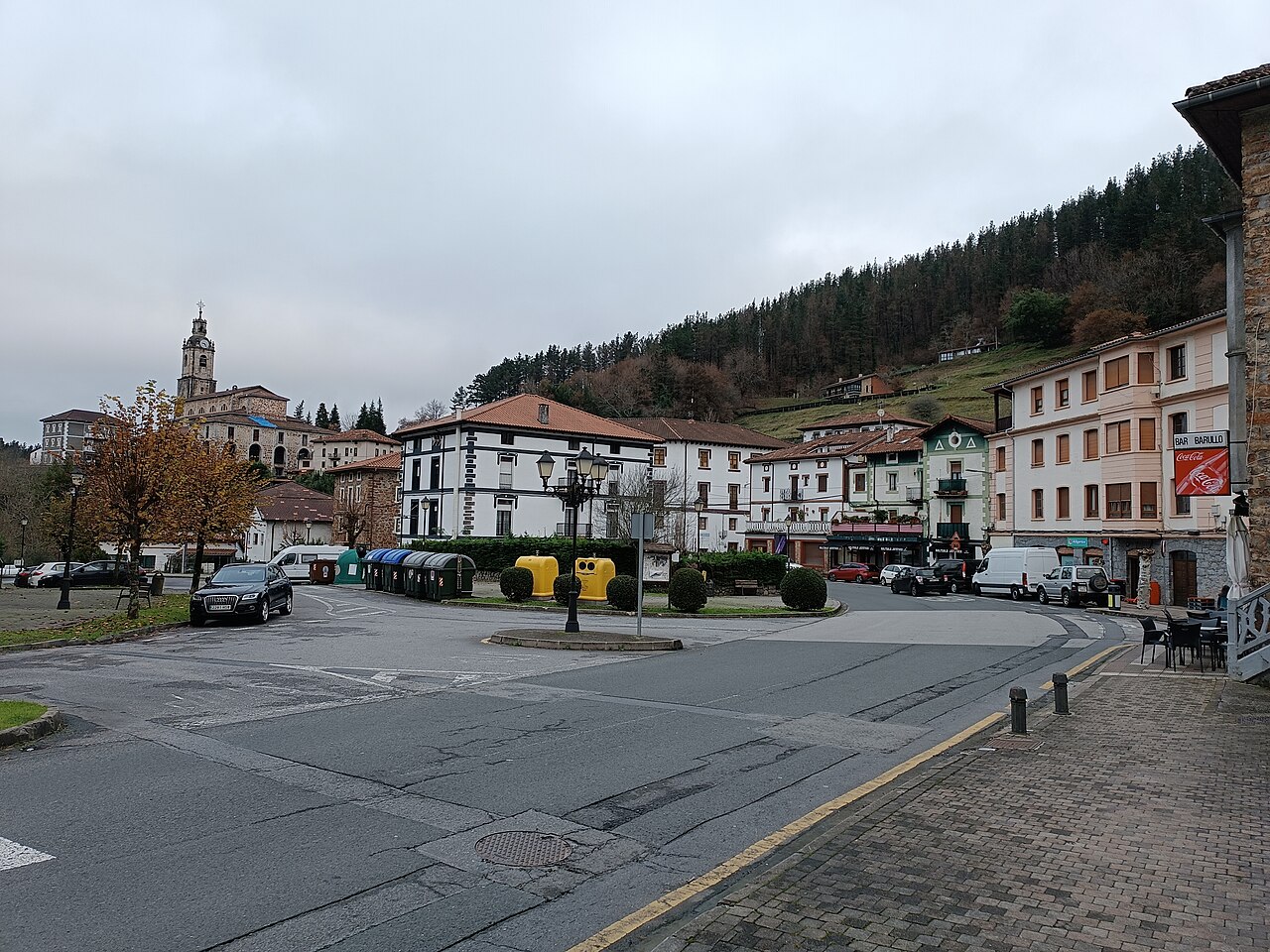
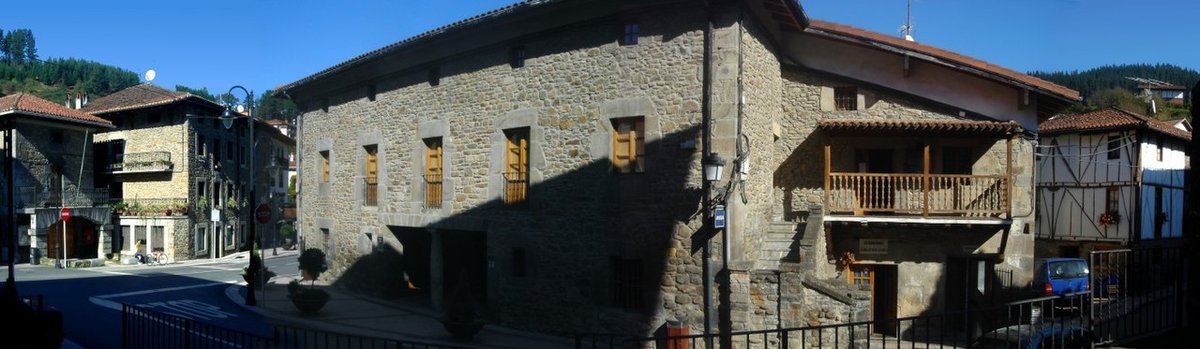
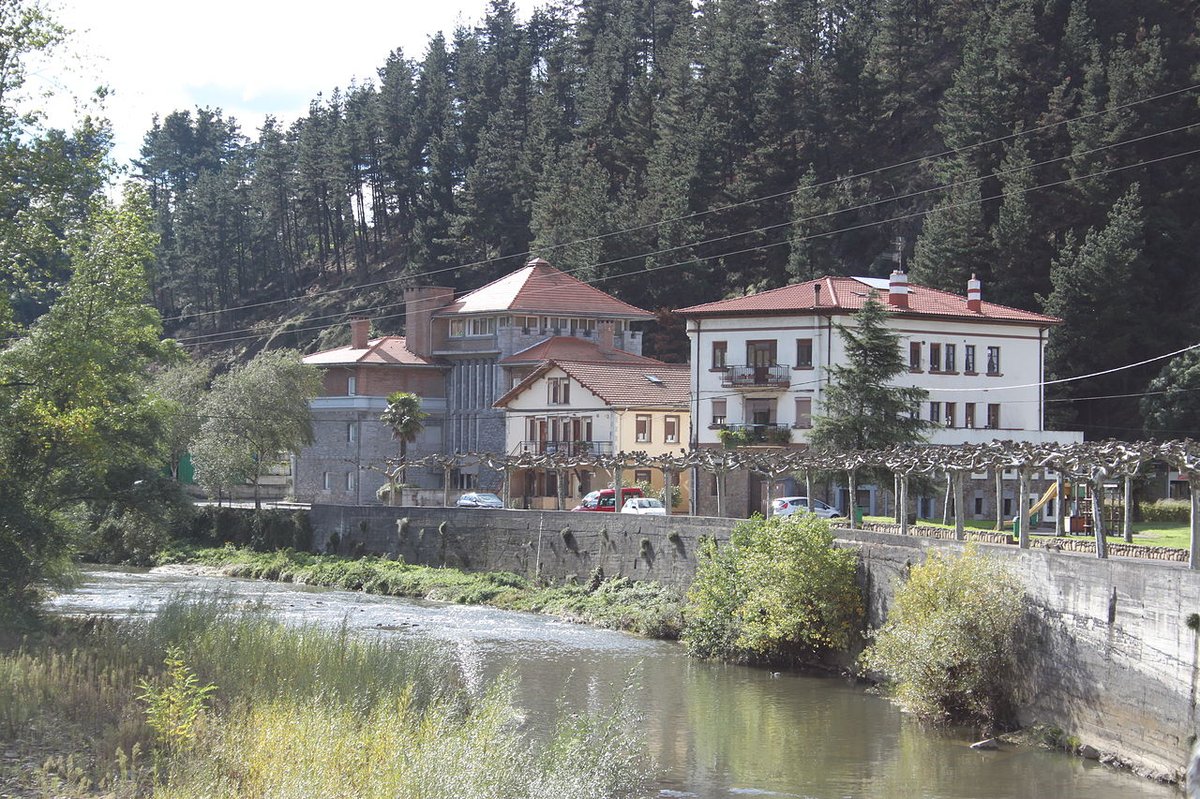
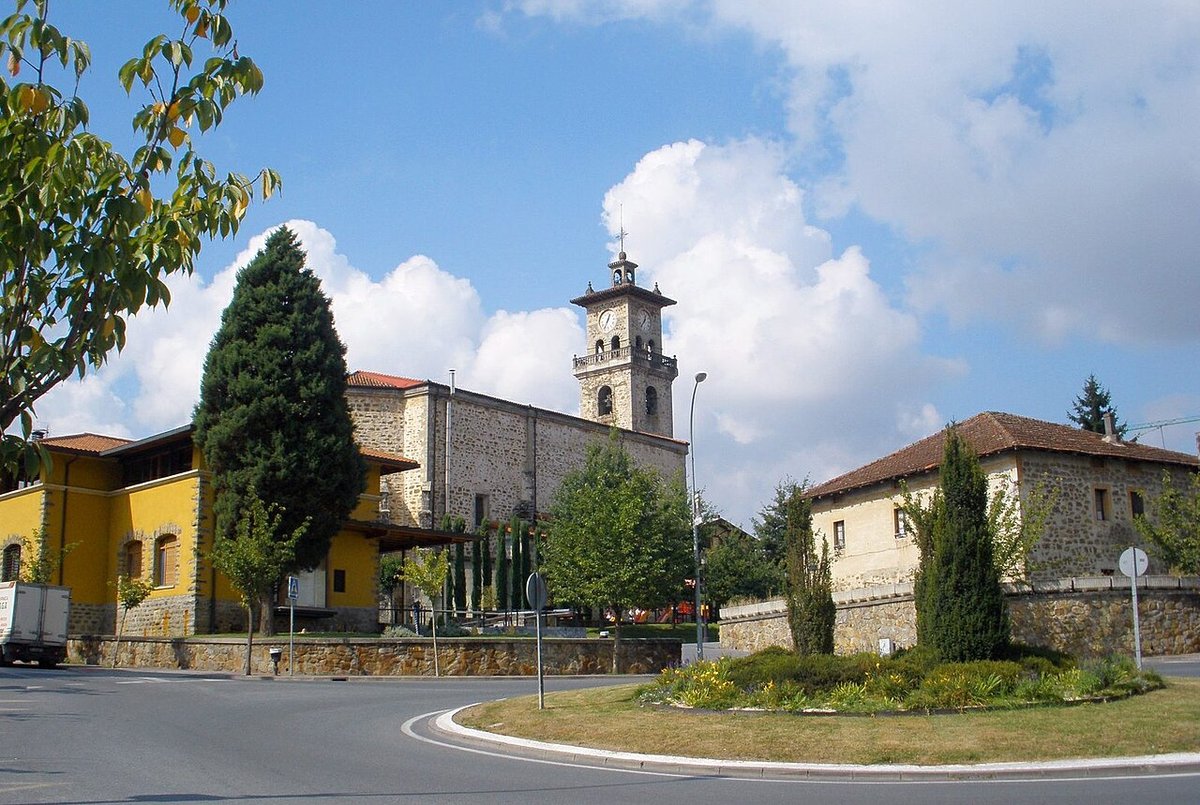
Mist often lifts from the valley early in the morning, uncovering a landscape that has barely shifted over the centuries. From the Barazar mountain pass, the road drops through beech and chestnut woods towards Orozko, where houses are scattered across the valley floor and cluster loosely around the church of San Bartolomé.
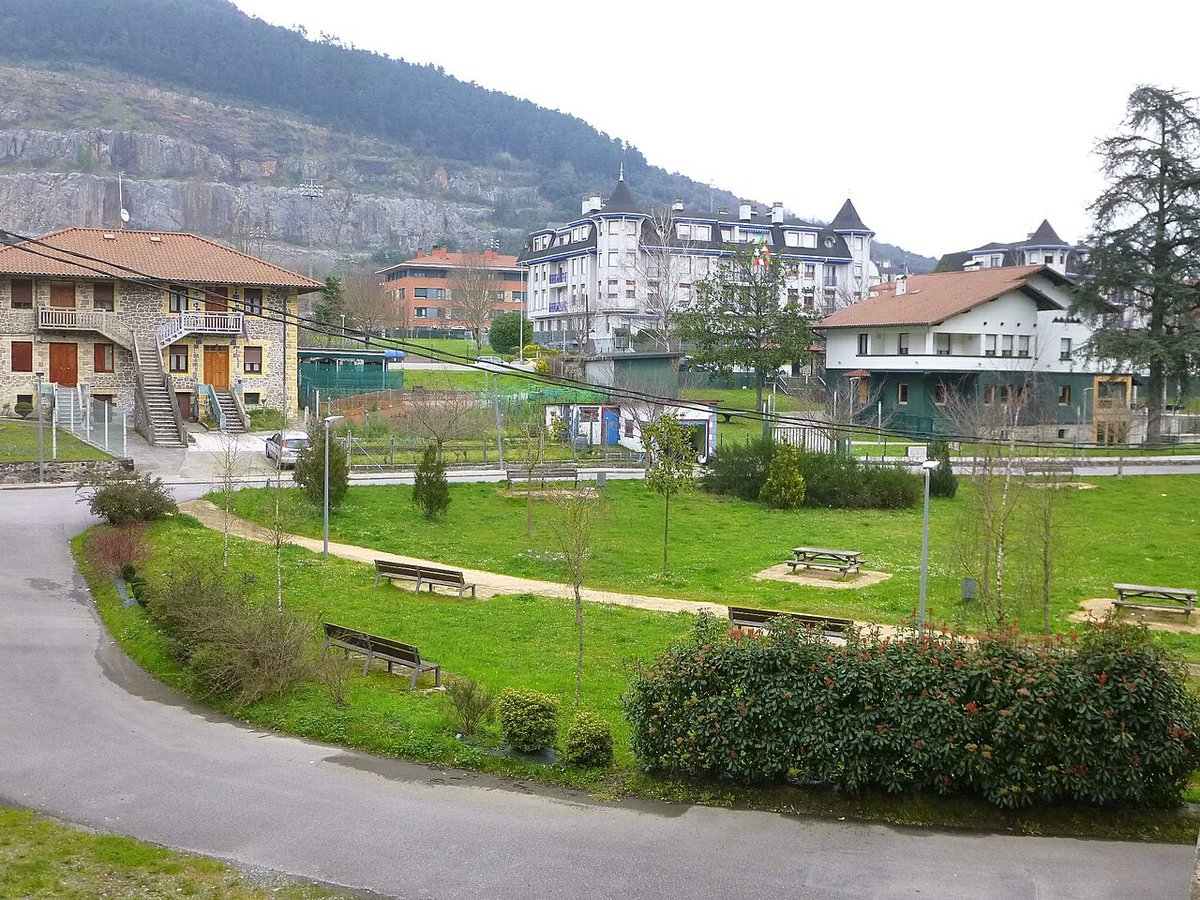
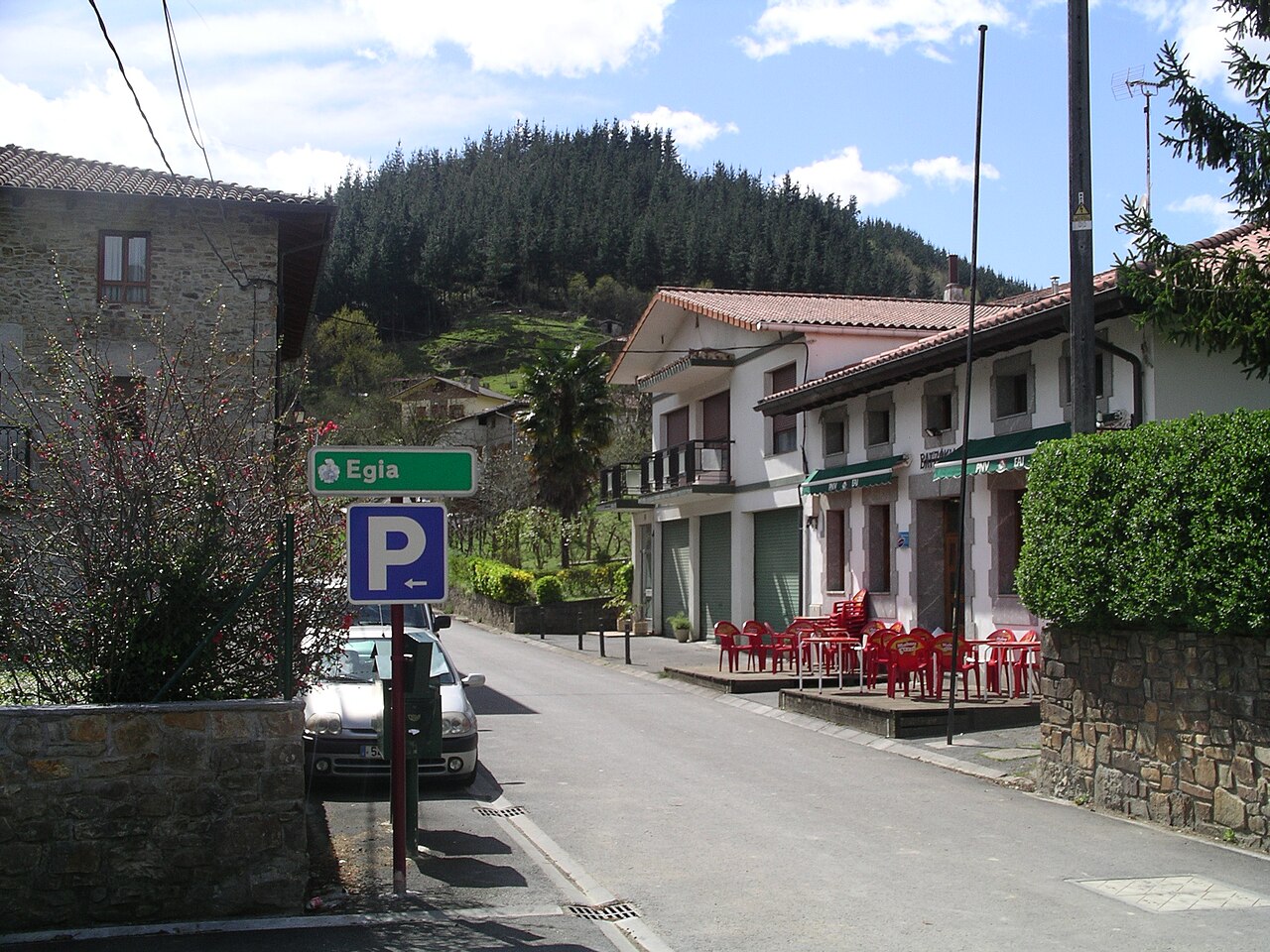
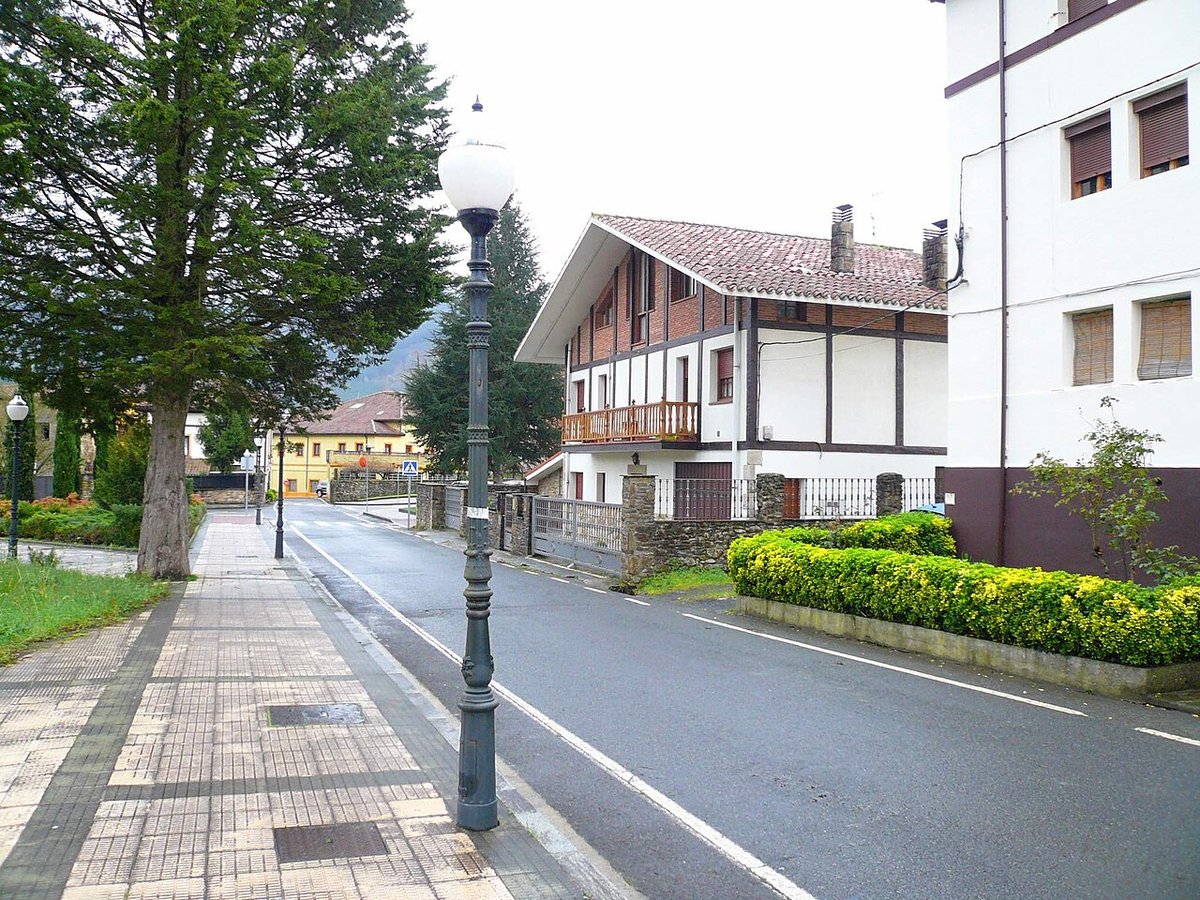
This is not a compact town. Orozko makes more sense on foot, moving between one neighbourhood and the next. Its five parishes, Olarte, Dúluman, Urigoiti, Albizu‑Elexaga and Murueta, explain why the valley functioned for so long almost as a small jurisdiction of its own. The settlement pattern is dispersed, shaped by geography rather than a central square.
A lordship long contested
The valley’s position helps explain its history. Orozko forms a natural corridor between the Alava plains and the Nervión valley, and for centuries it served as a route for goods travelling between inland areas and the coast. That strategic role shows up repeatedly in medieval records, often in the form of disputes.
In the 14th century, the valley passed into the hands of the Ayala family following a sale linked to Leonor de Guzmán. Control of the territory shifted several times over the following centuries, partly due to political conflict and partly because of wider feudal disputes. Rivalries between lineages such as the Ayala and the Abendaño appear in different legal cases preserved in Basque archives.
It was only at the end of the 18th century that Orozko became definitively integrated into the Señorío de Bizkaia, after a long period in which its allegiance had been debated.
Some of this past lingers in place names. On certain nearby passes, the name La Cadena still appears. Local tradition connects it with the collection of tolls on the route between Llodio and the valley. There is little visible evidence today, yet the name has remained in local memory.
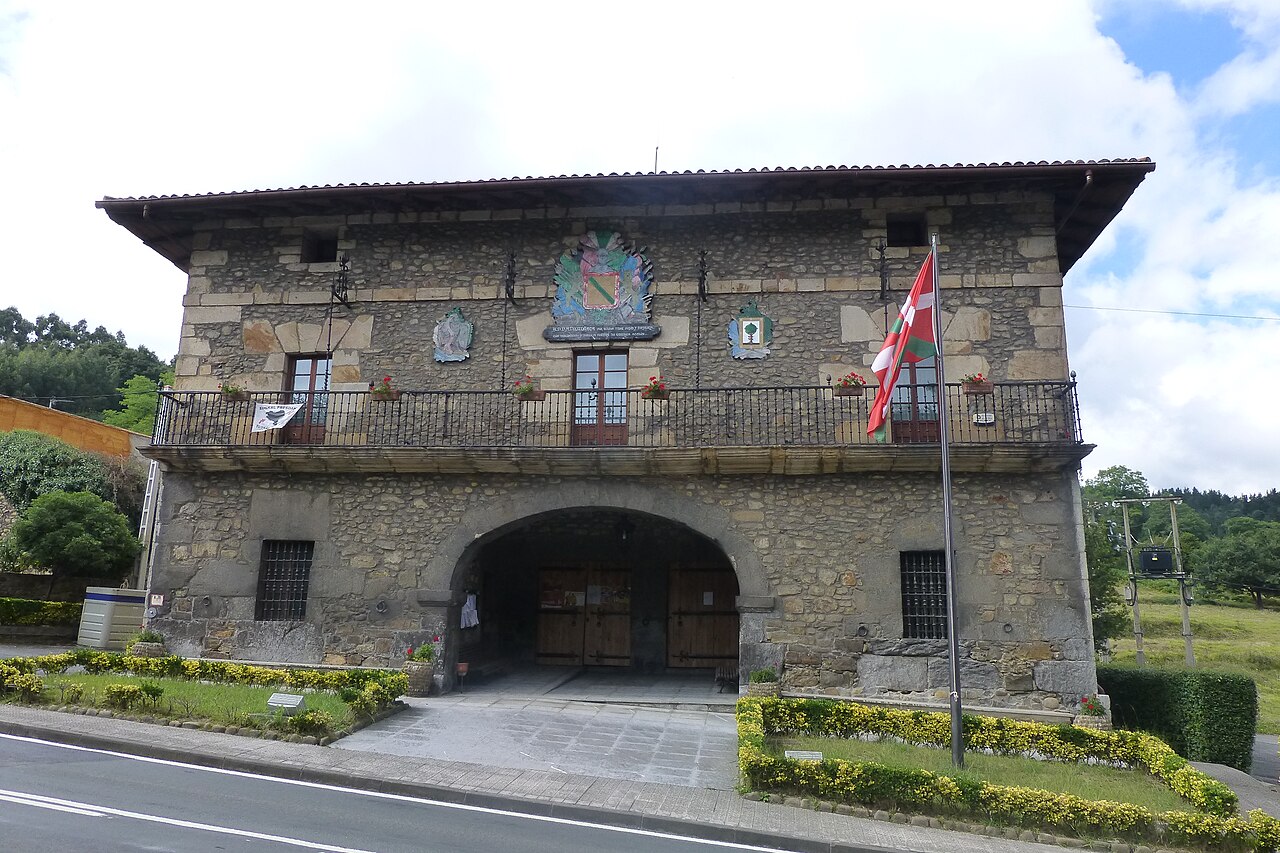
The so-called band wars of the late Middle Ages also left traces. Several old farmhouses still display heavily eroded coats of arms, reminders of families aligned with one faction or another. They are small details, easy to miss, but they hint at how deeply these valleys were tied to broader struggles for power.
Five churches, one landscape
Since the Middle Ages, life in Orozko has been organised around its five parishes. These are not grand monuments. They are rural churches, typically with a single nave and a simple bell tower. Their importance lies in how they structured the population.
San Bartolomé de Olarte serves as the main parish and contains a baroque altarpiece in painted wood dedicated to the saint. San Juan Bautista de Dúluman can be recognised from a distance thanks to its tower rising above the surrounding farmhouses. San Lorenzo de Urigoiti stands in an elevated position near the route leading towards Álava. San Martín de Albizu‑Elexaga has a very restrained entrance, in keeping with the local rural architecture. San Miguel de Murueta is the smallest of the five and has an almost hermitage-like feel.
Old paths connect these neighbourhoods, routes that residents used for centuries to travel between parishes. In some stretches, the ground is worn down by the constant passage of people and livestock. In autumn, these paths are covered with chestnut leaves; in spring, the first shoots of gorse appear along the slopes.
Gorbeia in the background
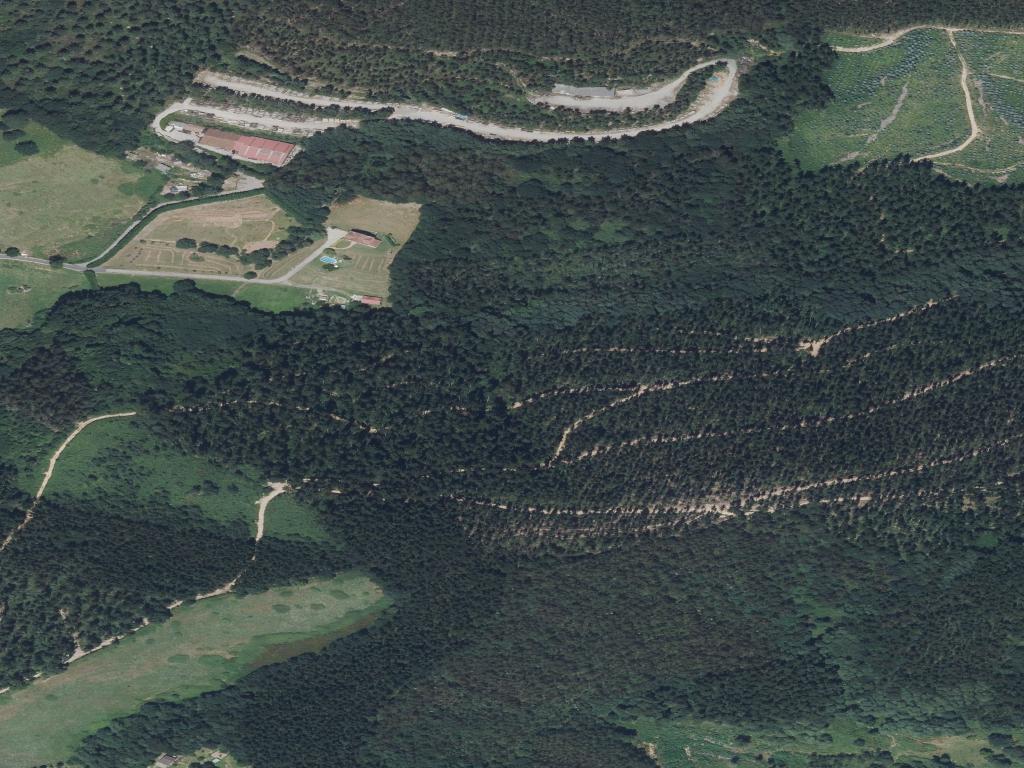
The Gorbeia massif dominates the entire landscape of Orozko. The Biscayan side of the natural park begins here, in the pastures and forests surrounding the higher parts of the municipality.
The ascent to the summit from the Orozko side is usually longer than from the Álava side, but also noticeably quieter. One of the usual routes starts in Urigoiti and climbs gradually along a ridge. About halfway up, there are old enclosures and areas traditionally used to keep livestock during the summer months.
Mist, known locally as niega, is part of everyday life here. It can be bright and clear in Bilbao while the valley remains covered for hours. This constant humidity explains the deep green of the pastures and the presence of well-preserved beech forests on the slopes of the park.
Everyday life in Orozko
Orozko does not revolve around tourism. The rhythm of life is still shaped by scattered farmhouses, livestock farming and daily journeys դեպի nearby industrial towns.
In some neighbourhoods, sheep’s cheese is still sold directly from the farmhouses when there is production. There are not always signs or clear opening times. Sometimes the only indication is a small chalkboard or a handwritten note by the door.
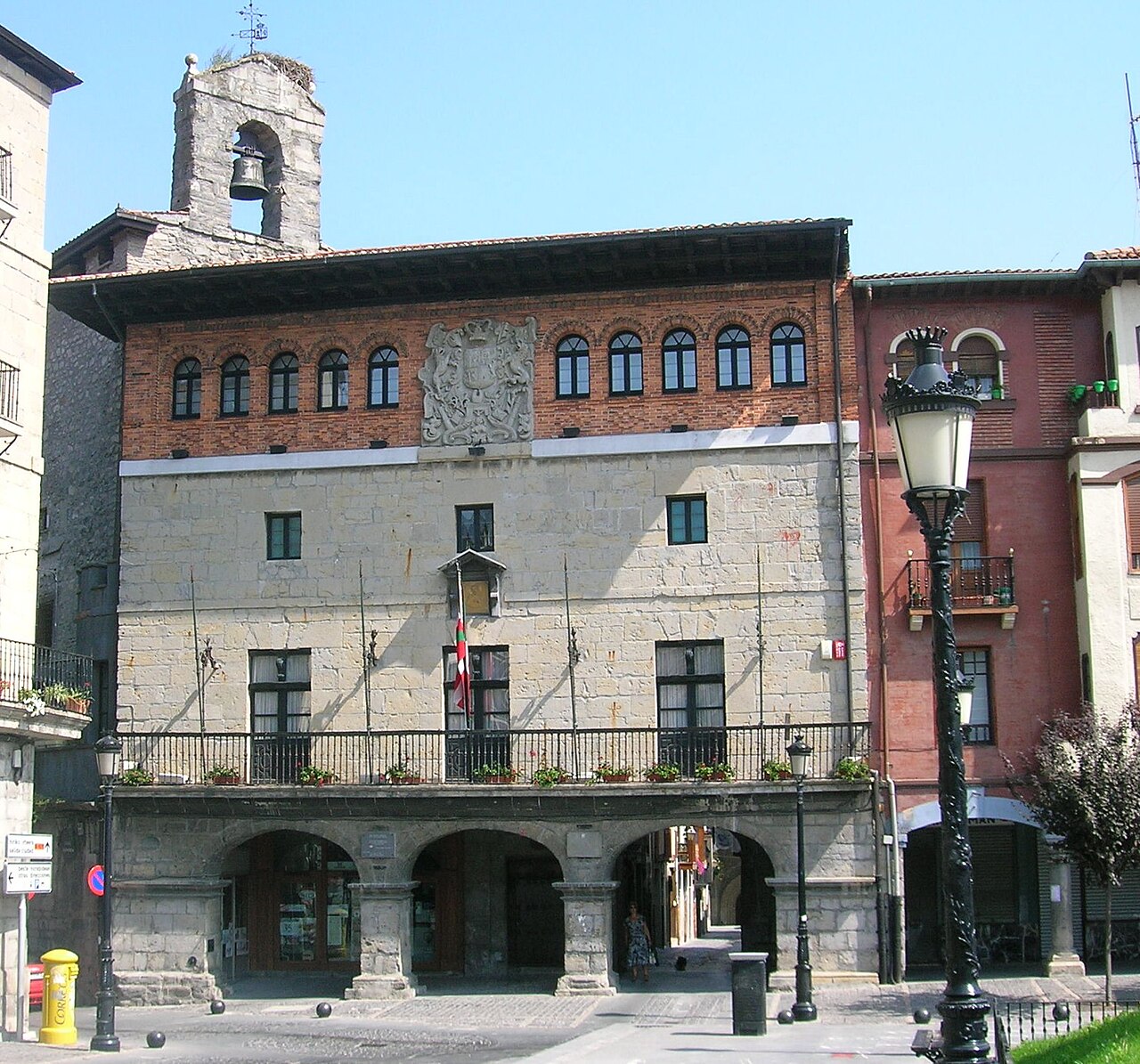
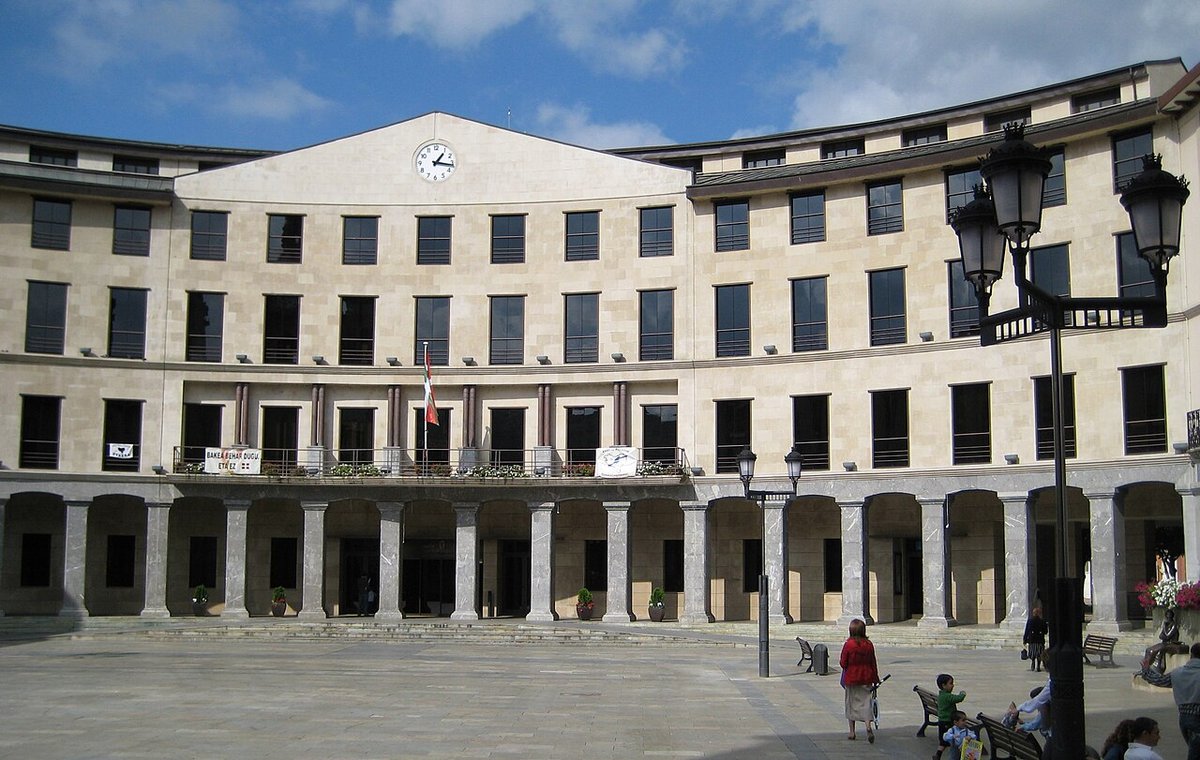
The main festival takes place on Saint Bartholomew’s Day at the end of August. It is a very local celebration, with a mass in Basque, a communal meal and traditional rural games. Many people who now live outside the valley return on that day, and for a few hours the square fills more than usual.
Reaching the valley
Orozko lies less than an hour by car from Bilbao. The most direct approach follows regional roads after leaving the main routes of the Nervión valley. The final stretch narrows, easing into the quieter pace of the valley itself, where movement is slower and distances are measured less in kilometres than in the time it takes to walk from one parish to another.