Full Article
about Ubide (Ubidea)
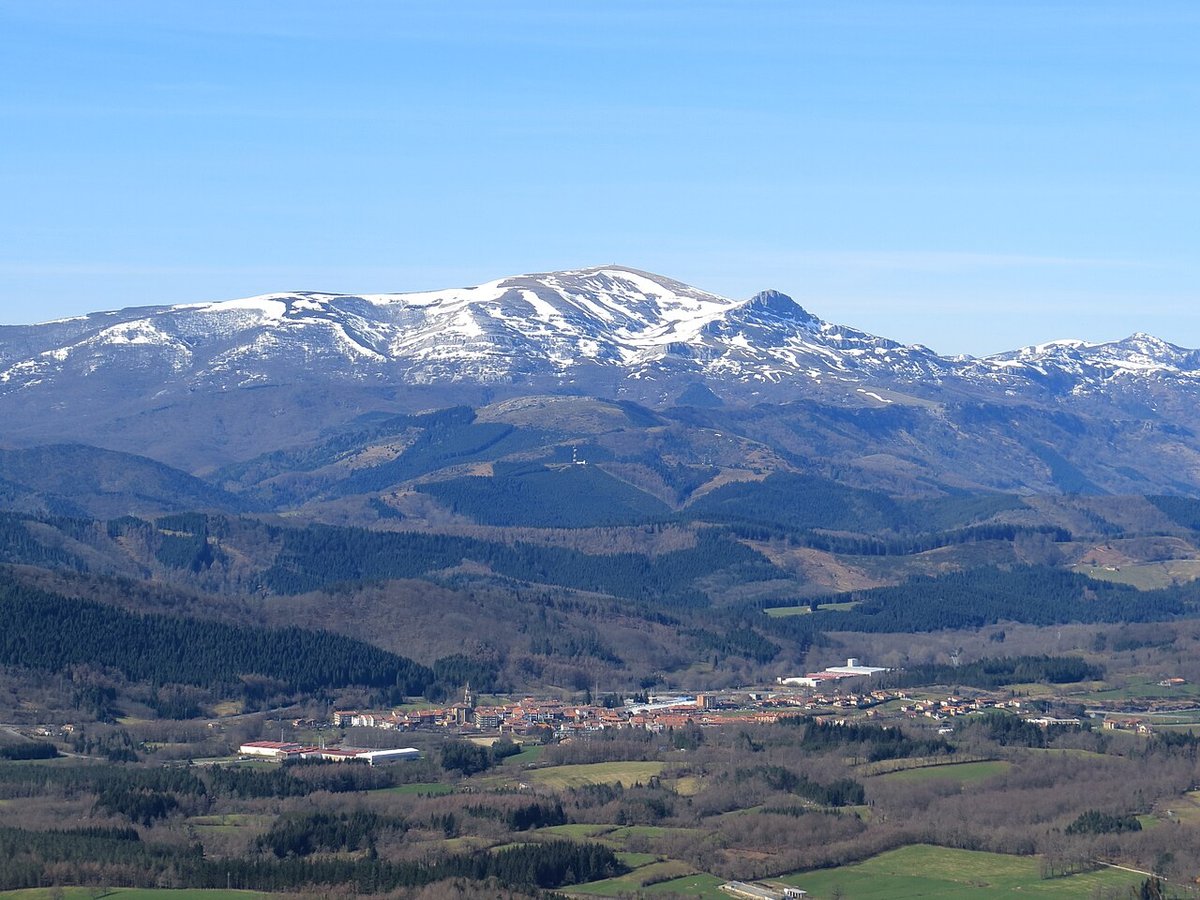
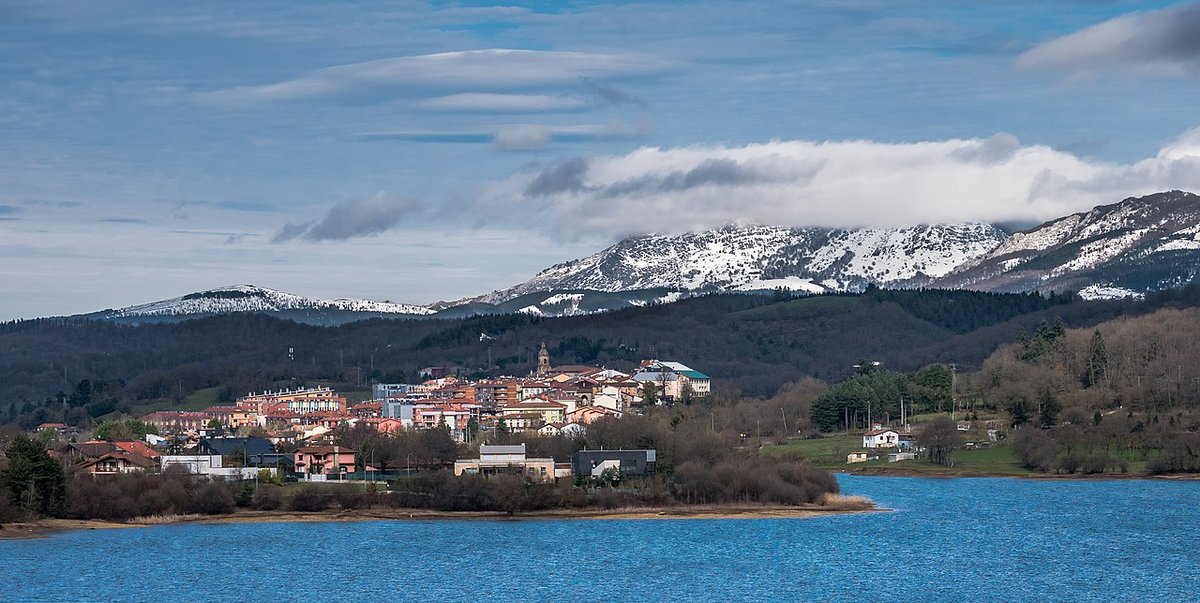
Deep green, farmhouses and nearby mountains with trails and viewpoints.
Hide article Read full article
The Sound of the Road Changing
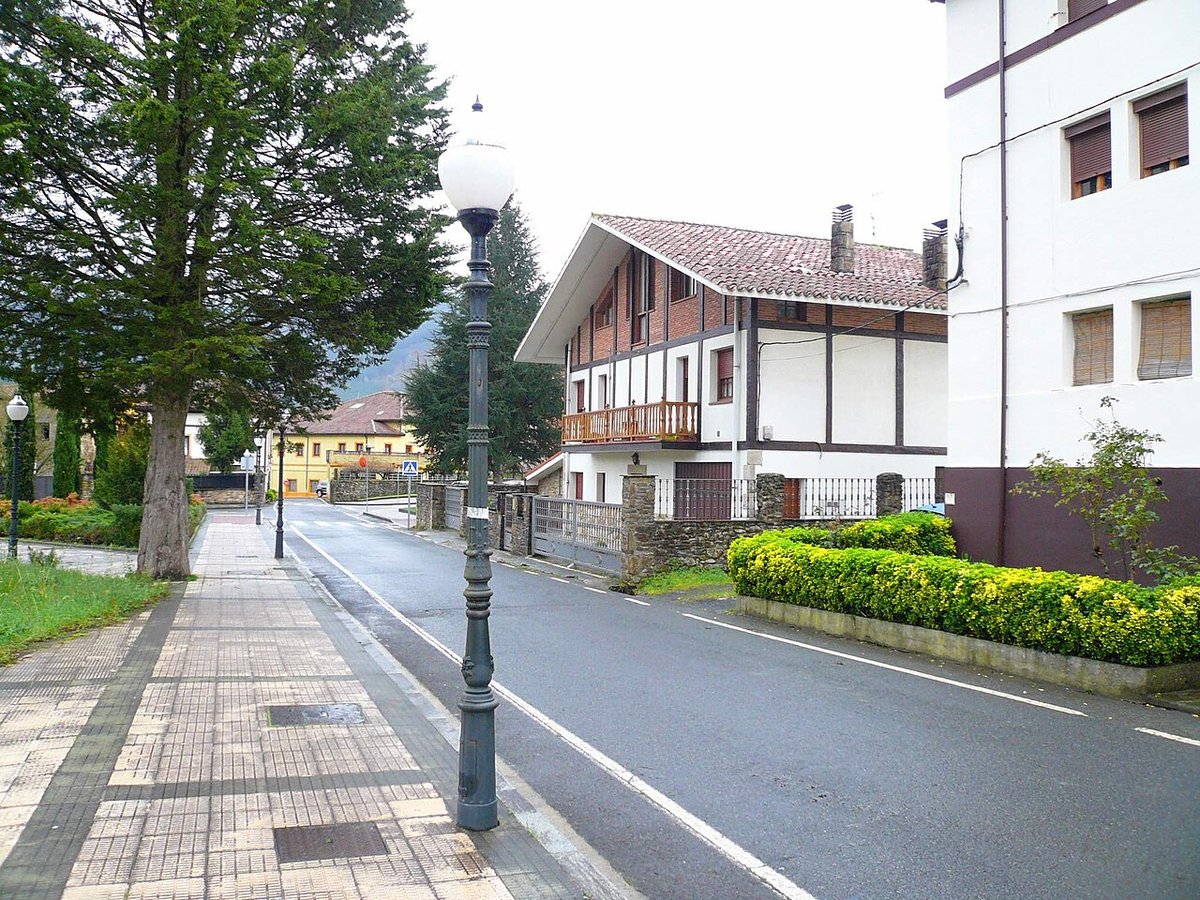
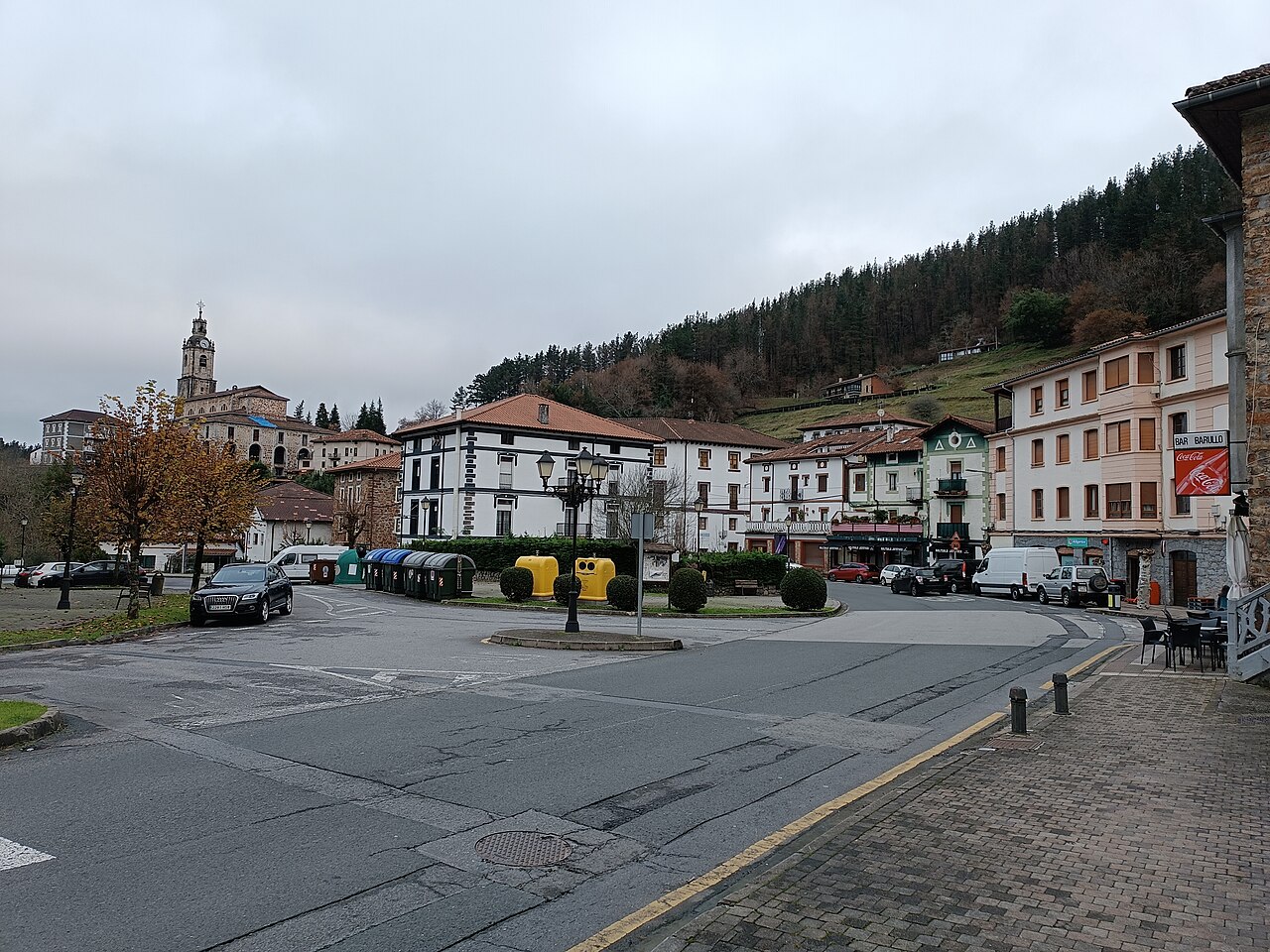
The engine noise softens as you cross into Ubide, absorbed by damp earth and thick grass instead of bouncing off buildings. That shift in sound is the first sign you’ve arrived. The road narrows between stone walls, and water from a recent rain runs in a steady trickle along the gutter. There are no welcome signs, just a few houses with smoke curling from their chimneys and the broad, wet meadows of the Arratia valley.
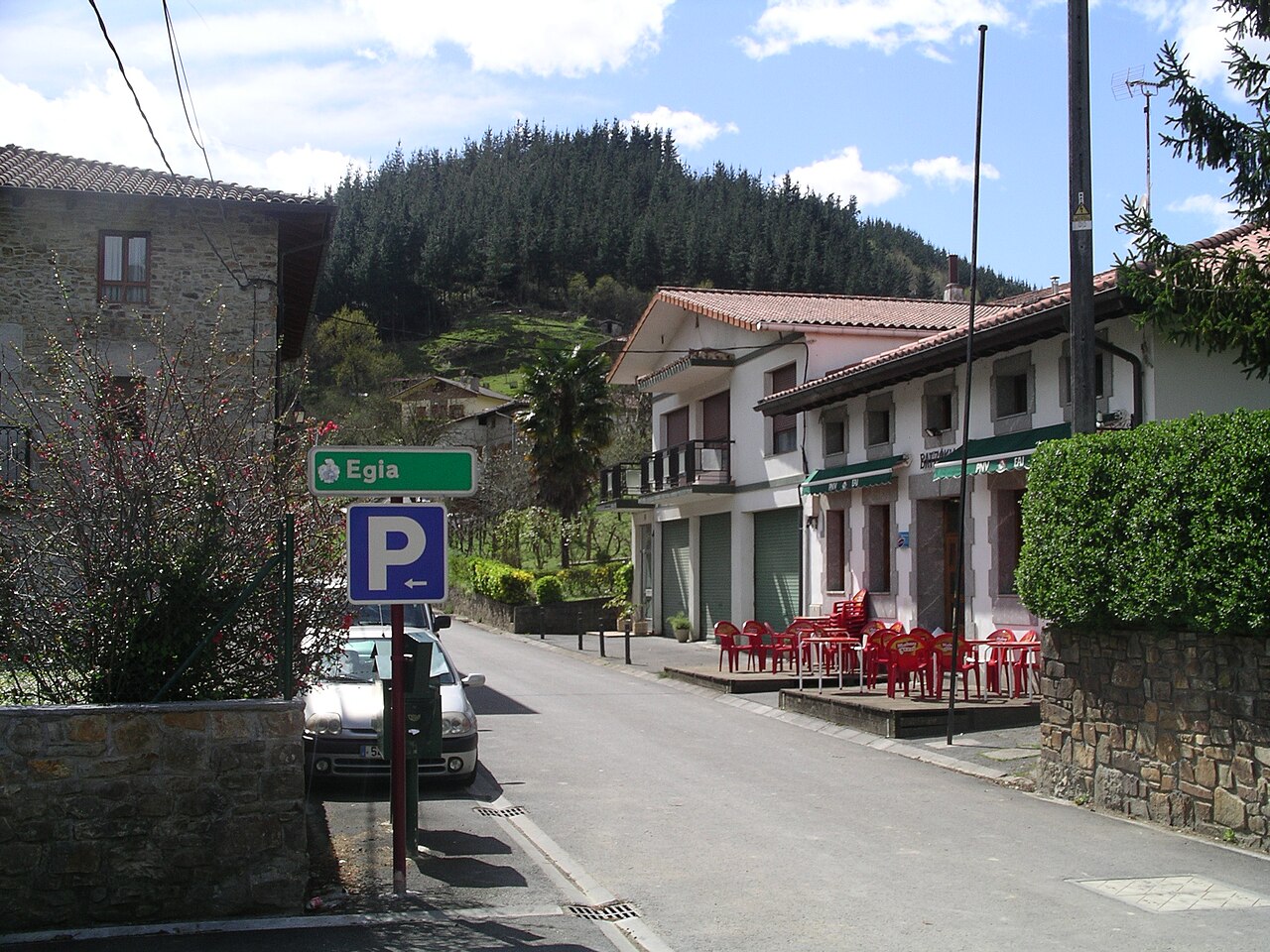
Ubide is small, a line of homes following the road that cuts through. It feels like a place you pass through, and for many, it is. But if you stop and walk even a short way, the sound of traffic fades into something else: the low ring of a cowbell from a distant field, the call of a bird from an oak grove. The rhythm here belongs to the land, not the asphalt.
The Church and the Quiet Around It
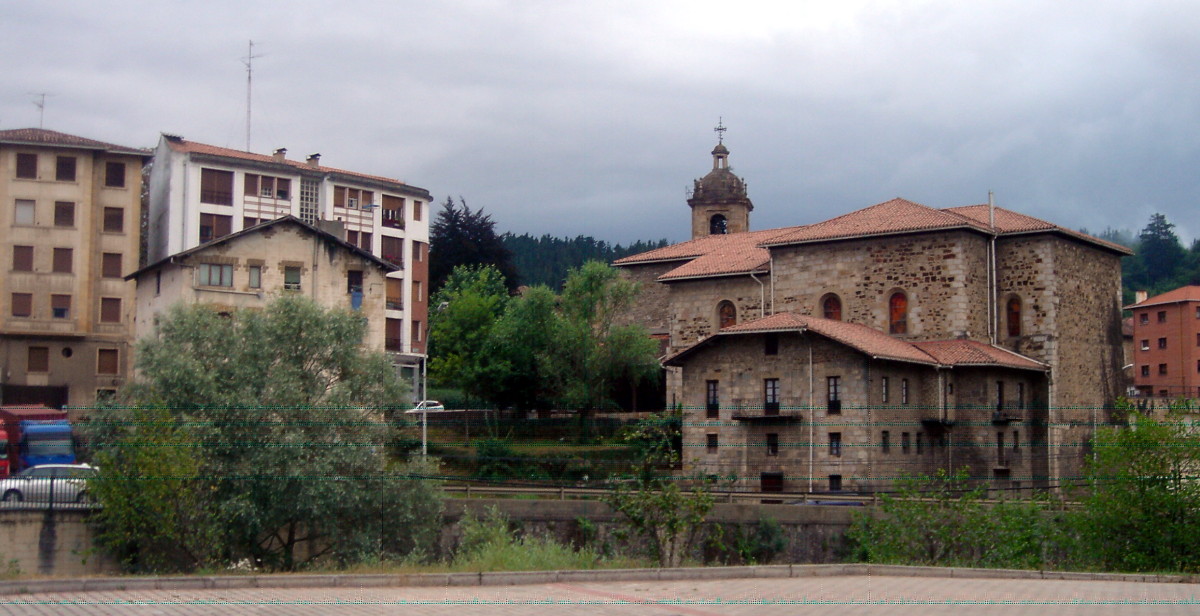
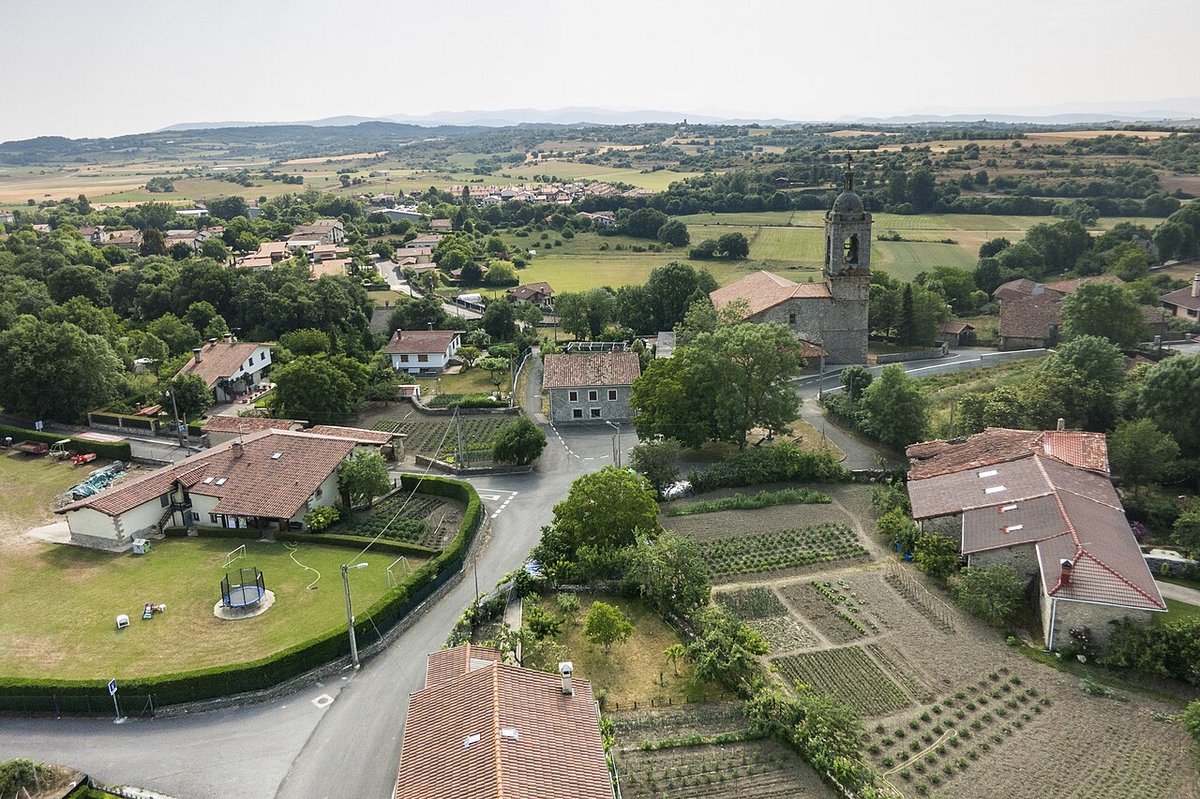
The church of San Esteban sits at what passes for a centre. It’s a restrained building of local stone, its bell gable a stark line against the valley’s often soft sky. There’s no grand plaza, just patches of gravel where cars are left and neighbours meet.
In the early morning, light comes filtered through the oaks, casting long, moving shadows across the façade. A door opens, a few words about the rain are exchanged, a tractor engine turns over. Life here isn’t arranged for observation; it simply continues. The scale means everything is close. Within a few steps, you’re past the last house and into the fields.
Walking Out from the Houses
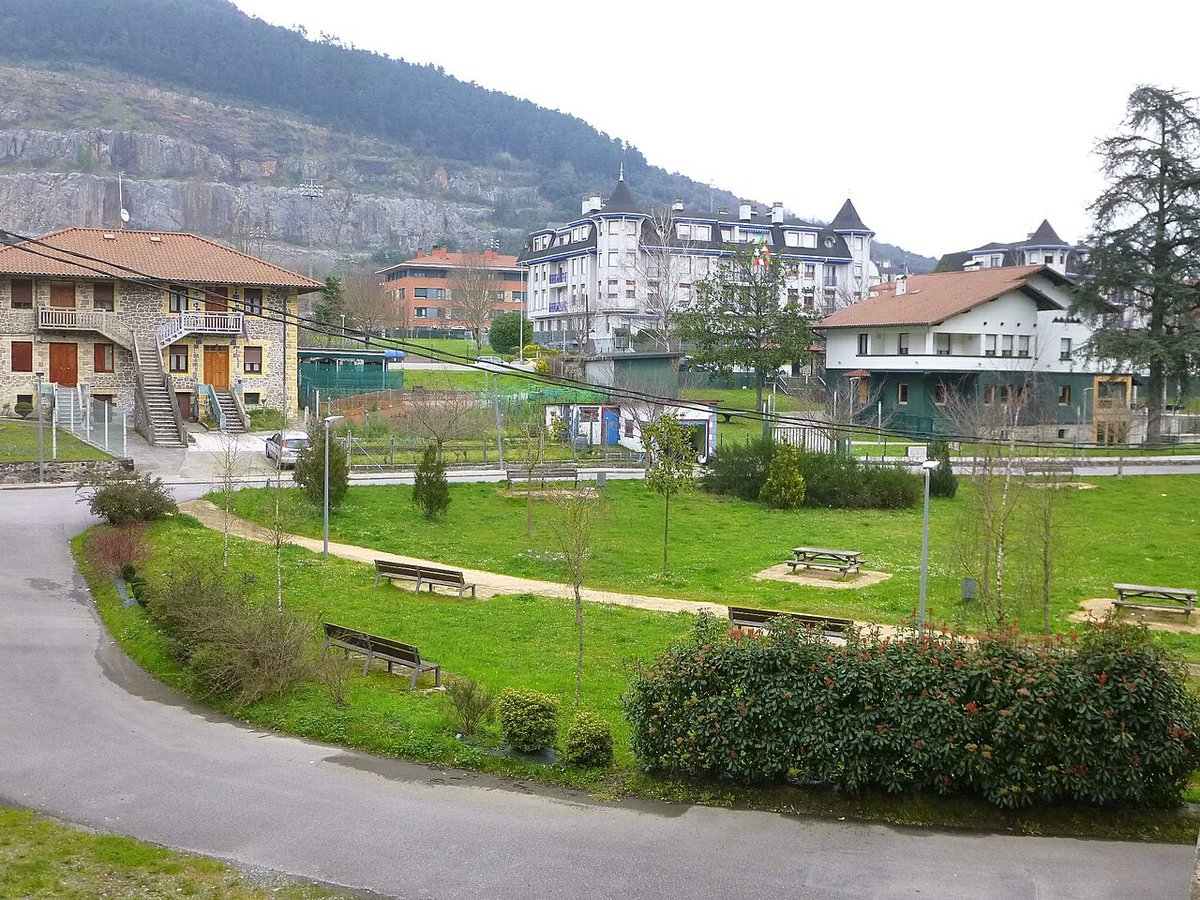
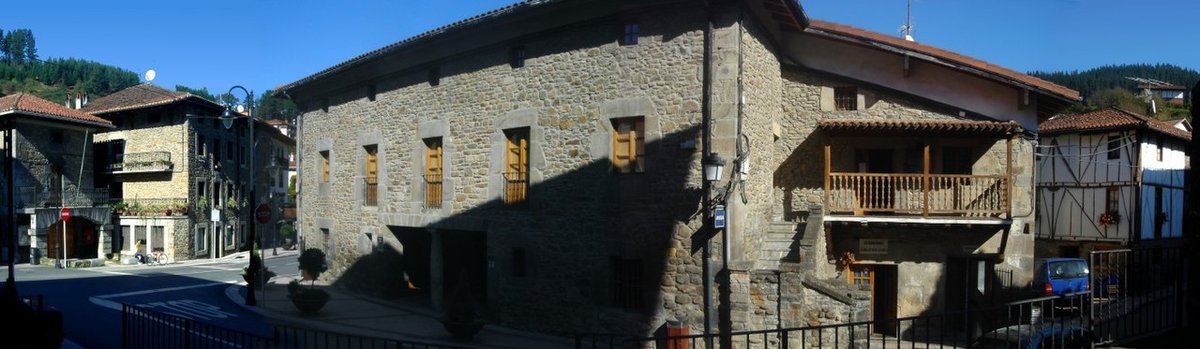
The transition from village to countryside is immediate. One moment you’re on a paved lane, the next you’re on a dirt track between meadows. Farmhouses, or caseríos, dot the slopes. They’re built for work, with dark red roofs and small kitchen gardens enclosed by stone walls.
These meadows change with the light and season. In spring, after rain, the green is almost luminous. By late summer, the grass on higher ground turns pale and wiry. Along the streams, willows and alders grow dense, their shade cool and deep on a warm day.
Walk slowly here. Stick to clear paths. Many fields are actively used, and it’s not always obvious where public access ends. This isn’t landscaped parkland; it’s working countryside, marked by fences, gates, and the distant shape of grazing animals. The sounds are of water in ditches, wind in tall grass, and little else.
The Ground in Autumn
Autumn announces itself underfoot before it shows in the trees. Leaves gather wet and slick on the paths, and the smell of turned earth and decay hangs in the air. In shaded spots under beeches, mushrooms push through the moss. You might see someone moving slowly with a basket, checking known patches.
Birds of prey use the valley’s currents. Kites and falcons circle over open ground, especially in the softer light of morning or late afternoon. Their silent arcs are easier to follow when everything else is still.
If you visit then, come prepared for mud. After even a day of rain, simple paths can become slick. Good boots aren’t a suggestion; they’re necessary. The landscape doesn’t close down, but it asks for more attention.
A Practical Stop
Think of Ubide as a pause, not a destination. Services are few. It works best as a calm interlude on a wider drive through Arratia-Nervión.
Park considerately. Use the open areas near the church or by the frontón court. Avoid blocking farm tracks or narrow lanes; they’re still used for moving animals and machinery.
For walking, late spring or early summer are reliable. The days are long, the green is deep. Winter has a stark beauty, but fog can sit in the valley for days, wrapping everything in silence and limiting views to just a few metres ahead.
Ubide doesn’t offer attractions. It offers a particular quiet, a chance to see how a small place exists alongside its land. A short visit is enough to feel that change from moving through to being within.