Full Article
about Ugao-Miraballes
Hide article Read full article
A name that tells you where you are
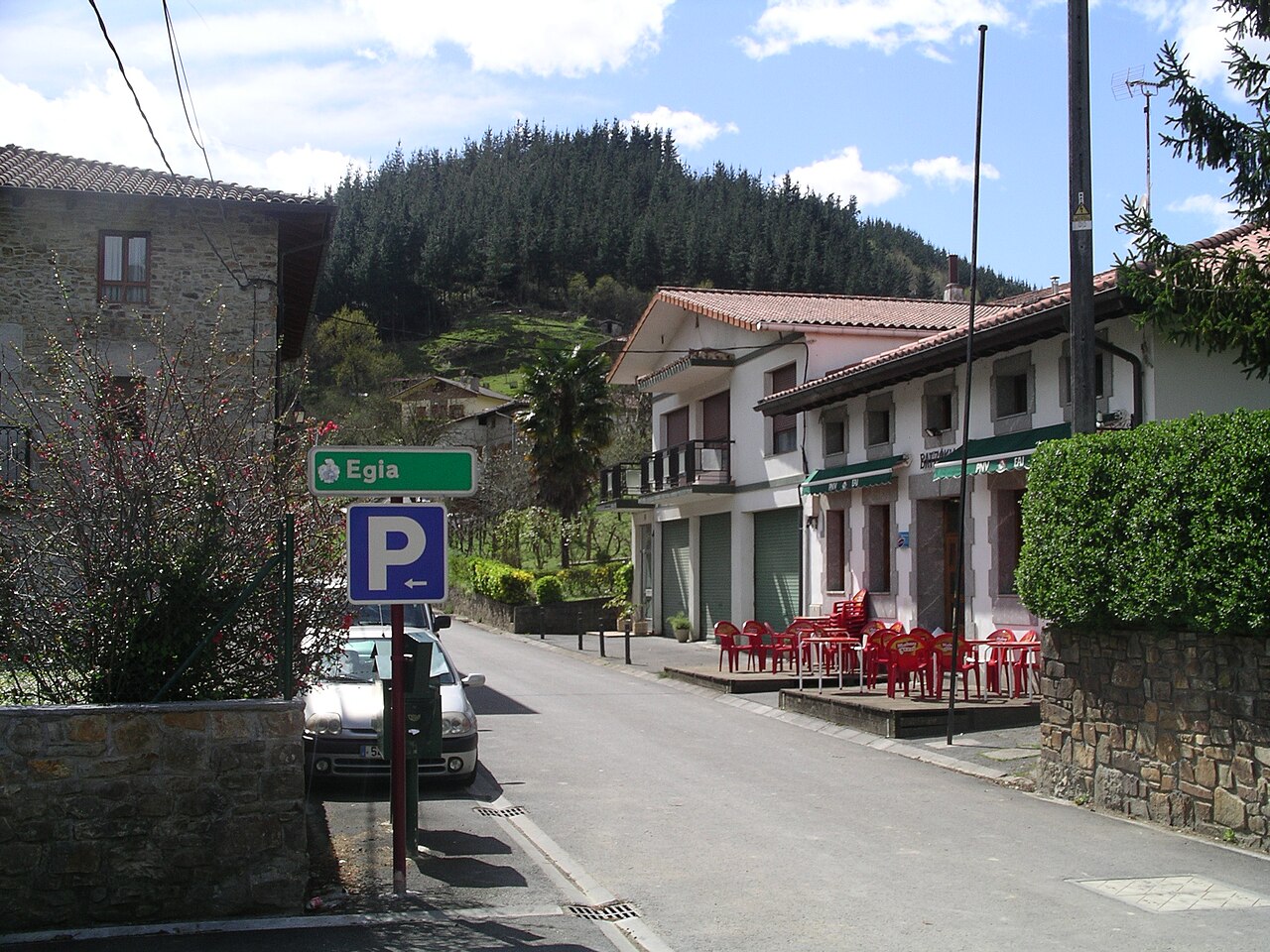
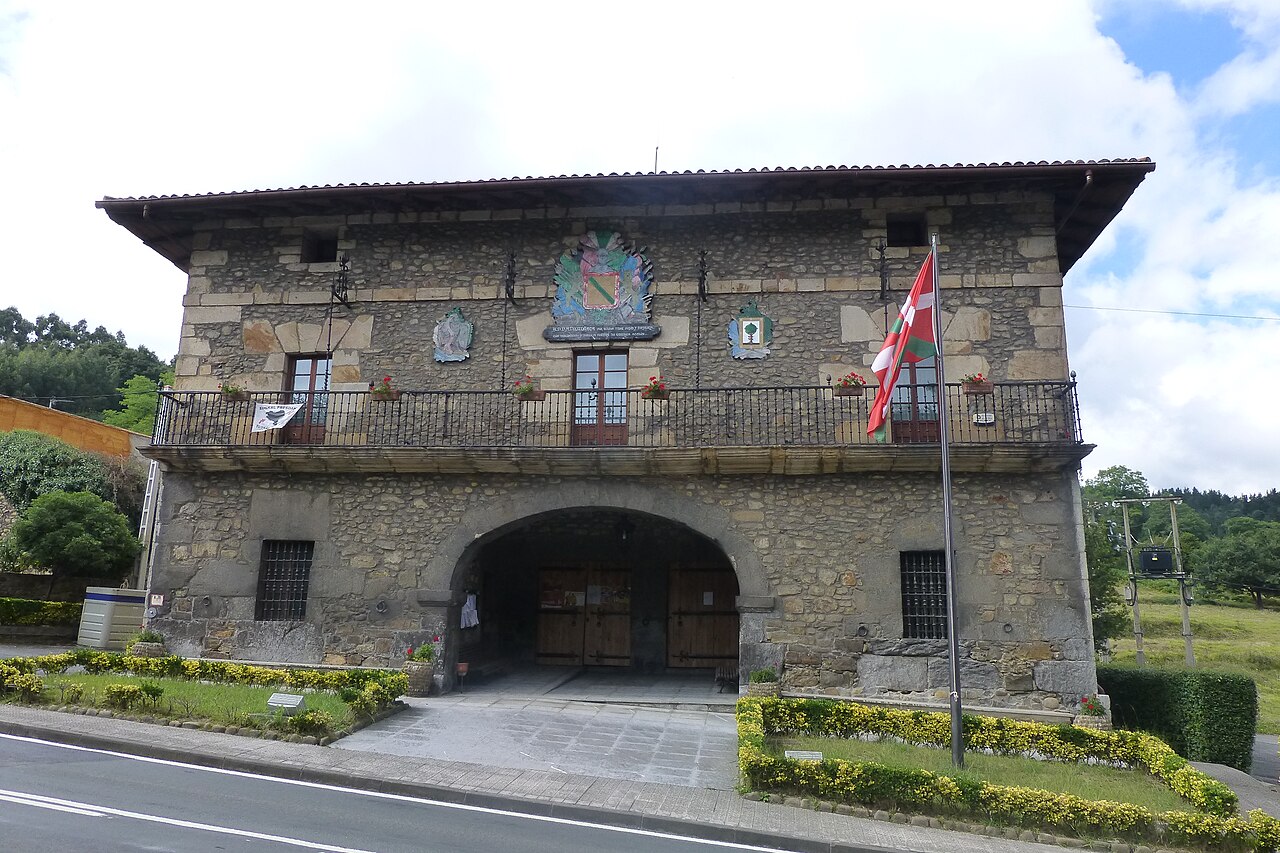
The full name of the municipality, Ugao-Miraballes, appears with a hyphen on official signage. The distinction matters. Miraballes refers to the historic core that grew beside the natural passage through the Nervión valley. Ugao is the name used today for the municipality as a whole.
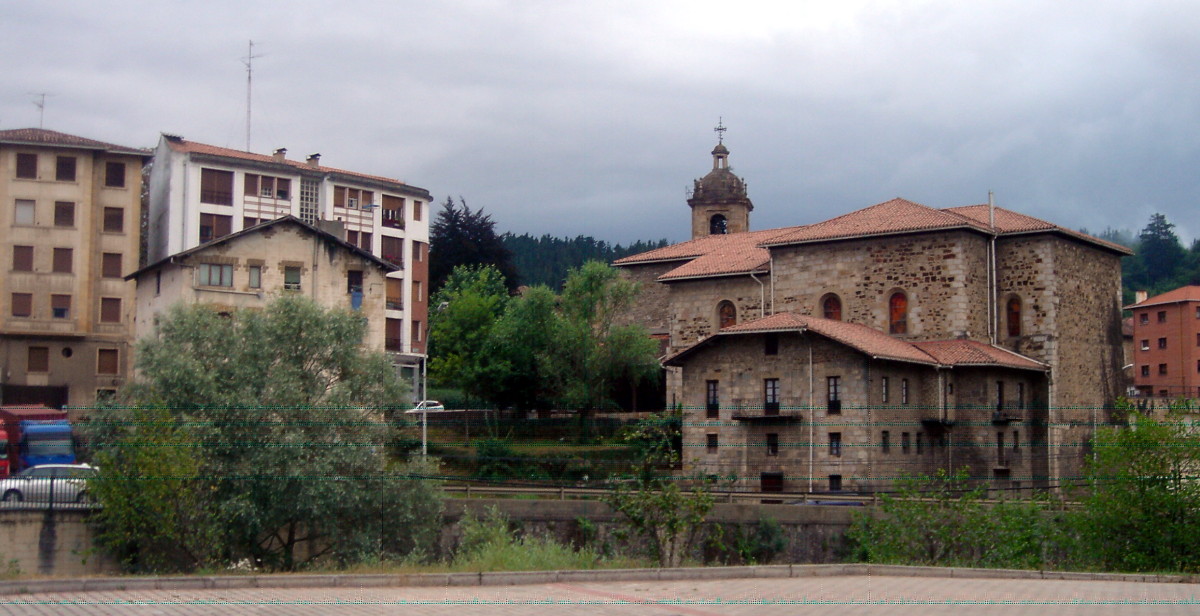
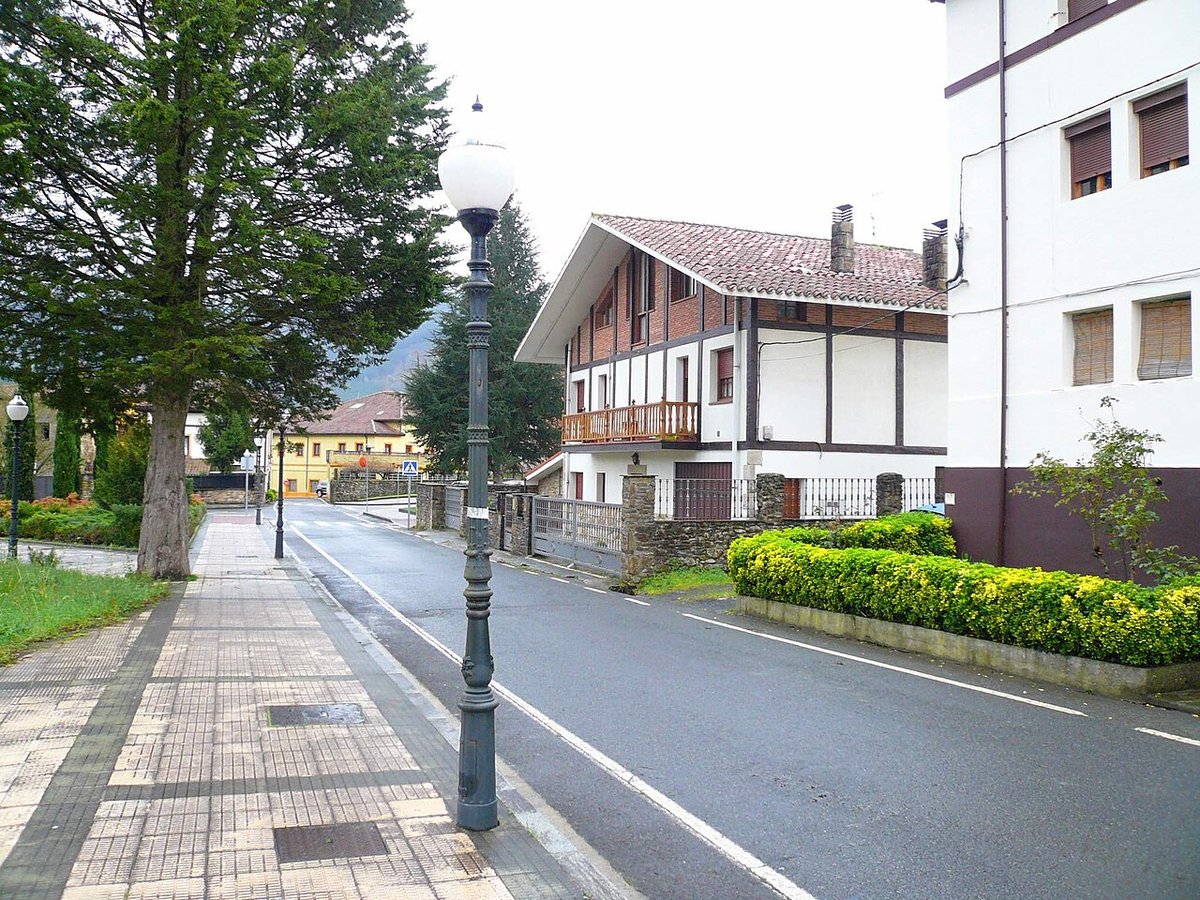
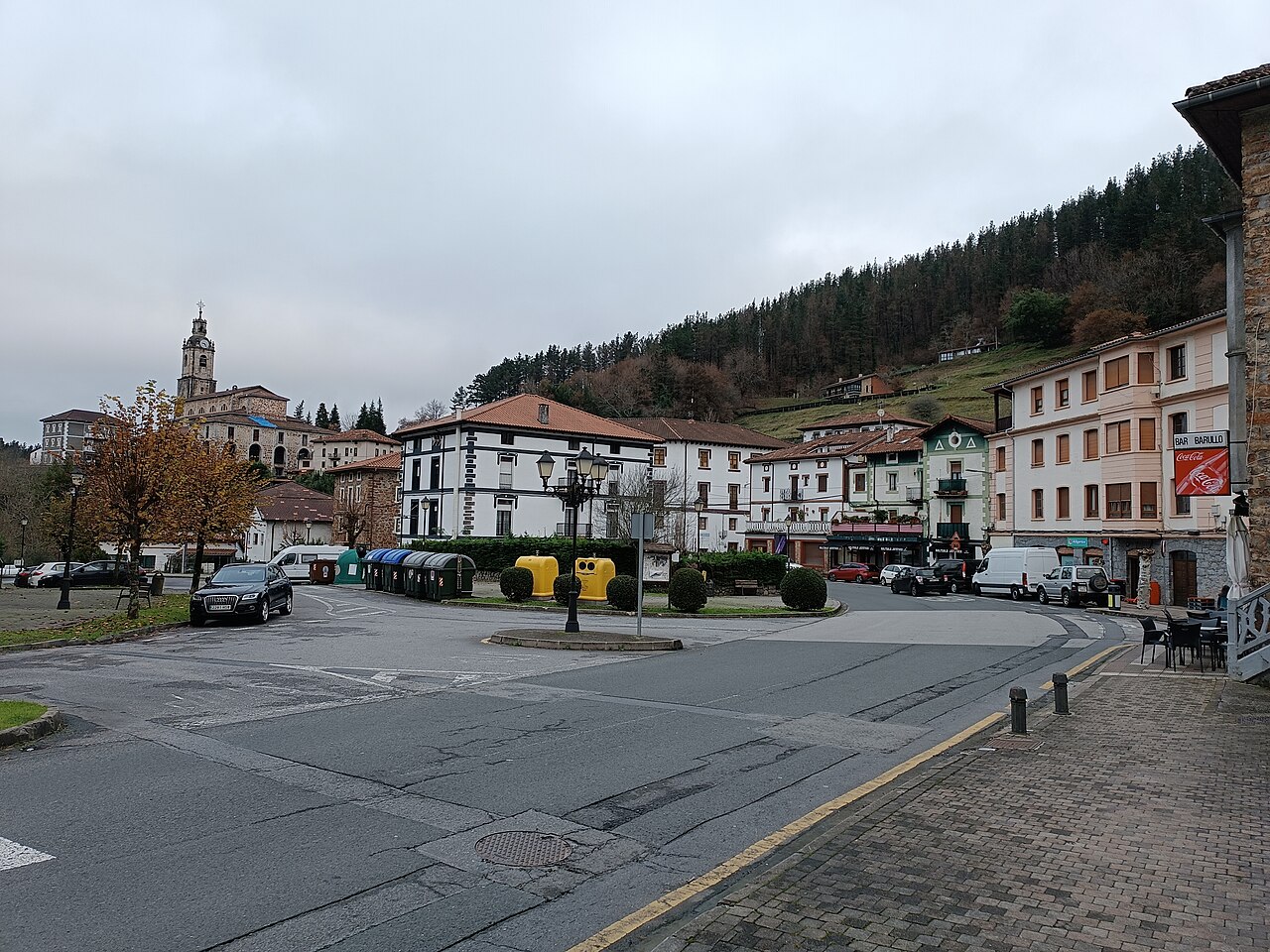
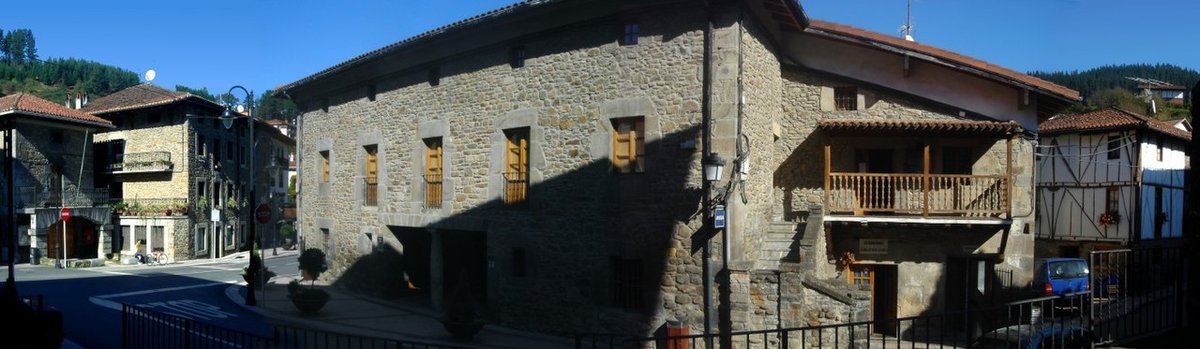
Its setting explains the layout. This stretch of valley served as a route between Bilbao and the interior of Bizkaia for centuries. First the river and the road, later the railway, set the rhythm. Crossing the BI-636 makes that clear immediately. Older houses stand alongside industrial buildings and apartment blocks from the second half of the 20th century, when industry spread across the valley floor.
Iron and the shape of the town
Historical records place the foundation of the town in the 14th century, when the Lordship of Biscay granted it a charter. As in many nearby places, iron was central. The surrounding hills provided wood for charcoal, and the river powered hammers and forges.
Metalworking defined the valley for centuries. It began with small forges and later expanded into larger factories. By the mid-20th century, Ugao had a significant concentration of industrial employment for its size. That activity has receded, but several industrial buildings from that period remain, their brick and concrete forms part of the urban fabric.
A local fair shaped by the countryside
One of the fixed dates in the local calendar has nothing to do with iron. At the start of March, an agricultural fair is usually held, organised by women producers.
It is not a market aimed at visitors. The stalls reflect what is grown or made in parts of Euskadi and nearby areas: cheeses, honey, vegetables, plants for the garden, preserves, and bread from small bakeries. Tortillas de bacalao, prepared at home, are also common, each one with a different point of set in the egg.
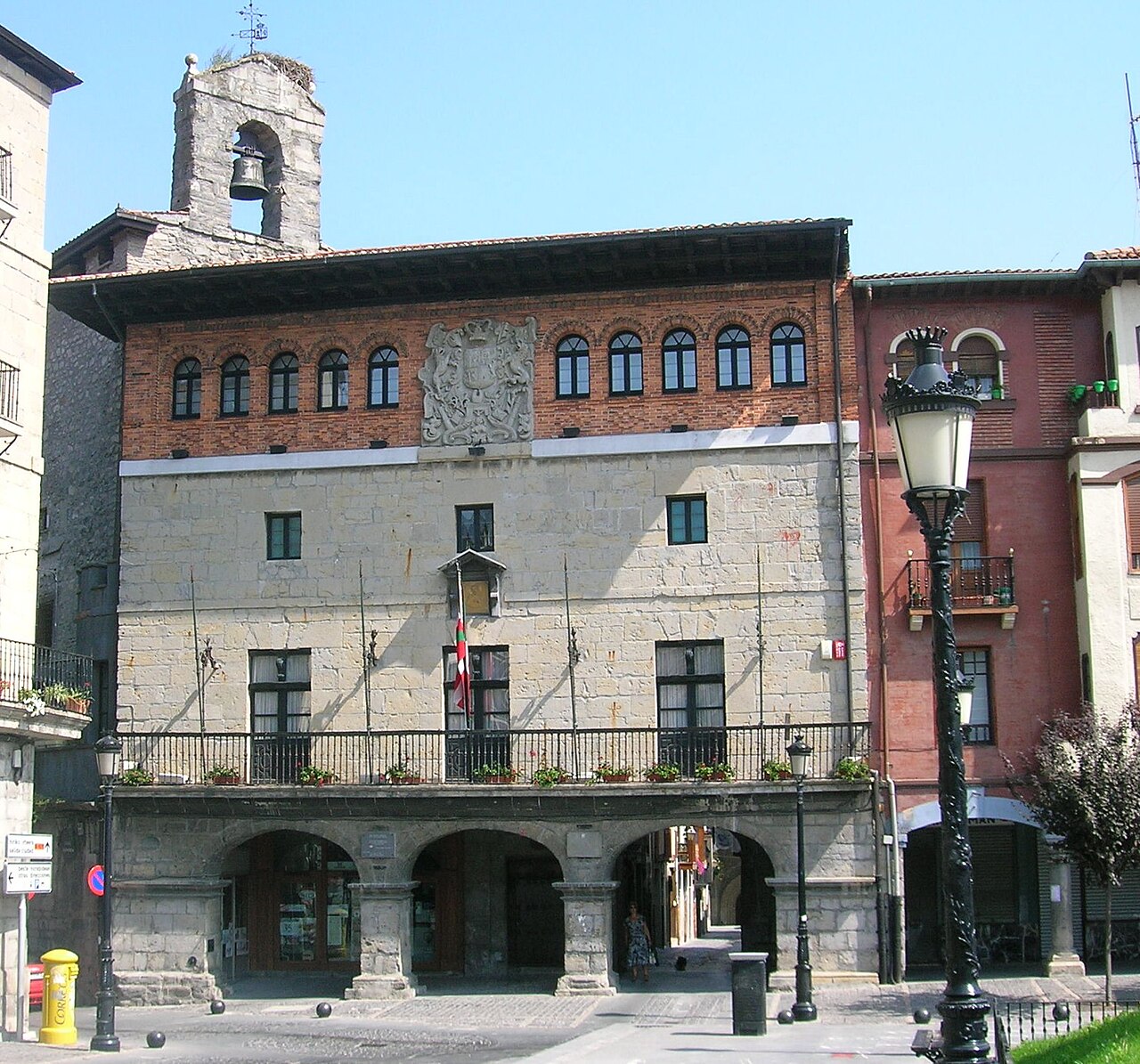
On that day, the frontón and the main square become the centre. Conversations tend to revolve around harvests, seed varieties, or prices. The atmosphere is one of exchange and routine.
Up to Ganekogorta from the valley floor
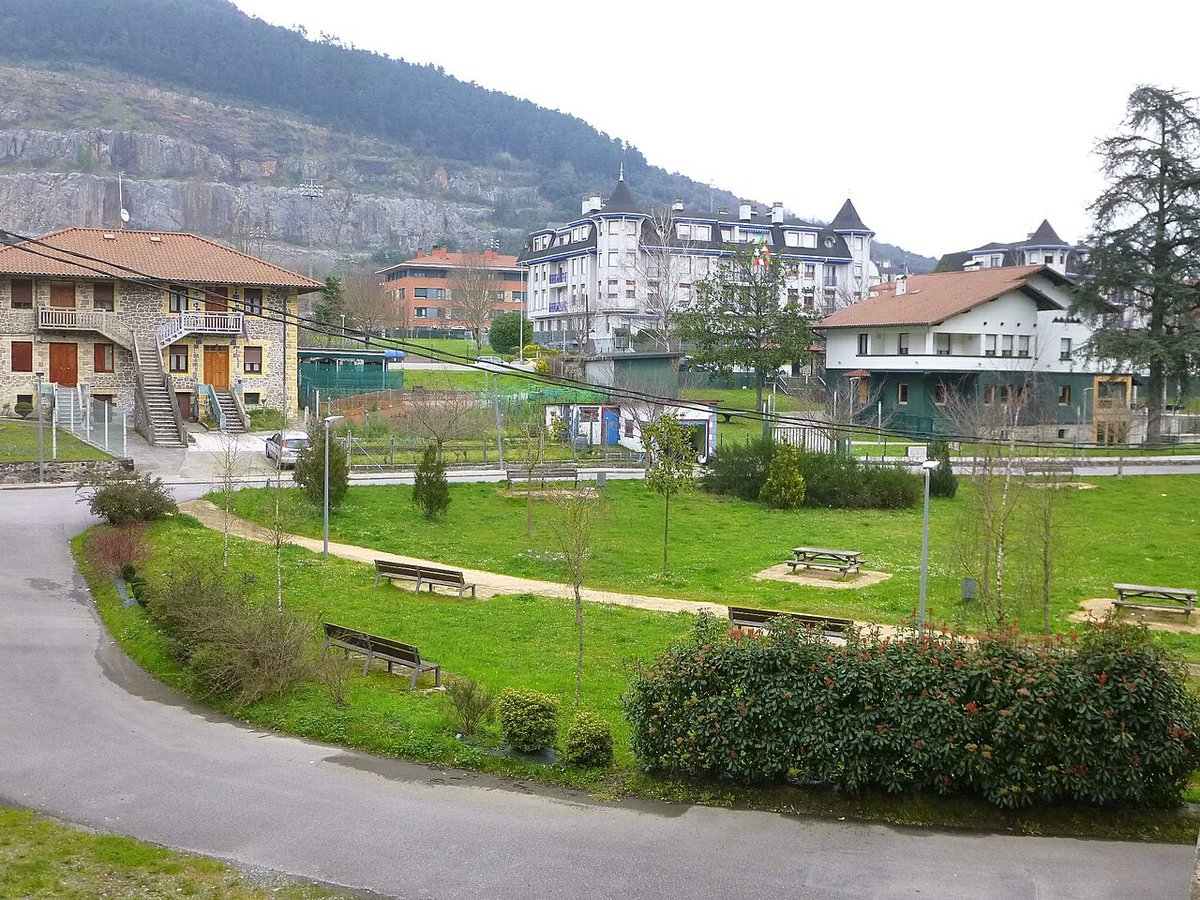
The outline of Ganekogorta dominates the landscape around Ugao-Miraballes. At close to one thousand metres, it is one of the better-known peaks separating the Nervión valley from the former mining area.
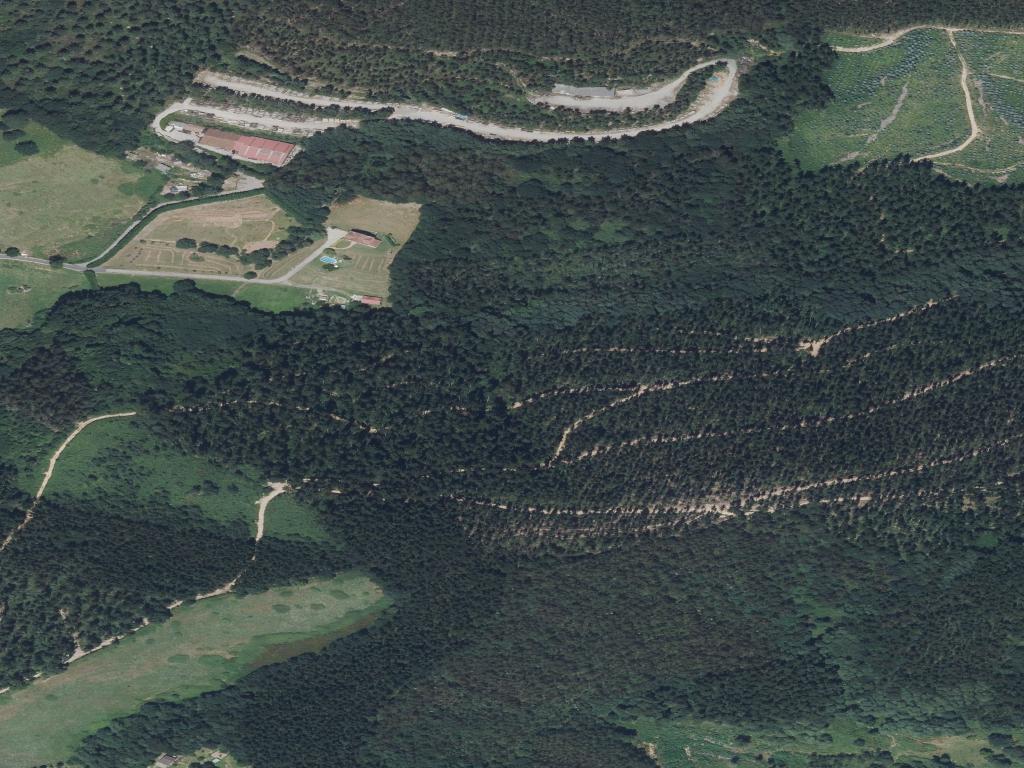
Paths leave directly from the town and climb the slopes. The most direct route passes through areas of young woodland and follows old tracks once used for timber and mineral. In some sections, you can make out walls and remains linked to former ironworking sites, though they are not always obvious.
Higher up, the terrain opens into grazing land where livestock often roam. On clear days, looking north reveals the Bilbao estuary and part of the Abra. To the south, the valley unfolds, following the course of the Nervión.
Along the river, everyday life
The Nervión runs right beside Ugao-Miraballes and has long influenced both industry and daily routines. In some stretches, old walls and flood defences remain, built to contain rising water.
A pedestrian path now follows the river for a considerable distance. It is one of the routes most used by residents, especially towards evening. After several days of rain, the water runs fast and cloudy. In summer, the pace slows and you hear children playing near the bank.
The town’s frontón sits close by. It is modest in size, with no formal stands—just a long stone bench. On some afternoons, local games take place. People watch from the side, leaning on the railing or waiting their turn to step in.
Getting there and getting around
Ugao-Miraballes lies a short distance from Bilbao and is easily reached by road following the Nervión valley. There are also train connections and buses linking it with the city.
The centre can be explored on foot without difficulty. For a longer walk, the riverside path is an easy option, or you can take one of the trails that climb towards Ganekogorta.
There is no large tourist infrastructure. Information is usually shared through the town council’s website and noticeboards near the square. The rhythm here follows that of a working valley town: people heading out for a walk after lunch, games at the frontón, conversations in the shade when the weather allows.